

For many years, the usual way to handle water has followed the idea that “larger means superior.” However, for many people who live in remote mountain villages, rural areas, and small towns, this setup does not work well at all. The steep startup costs, tricky upkeep, and land obstacles turn standard builds into something out of reach.
The growth of decentralized water treatment and modular containerised water treatment plant options is filling the space between needs. Such setups bring city-level water clearness to the hardest spots to access.
Why is Decentralized Water Treatment the Best Fit for Rural Areas?
In country growth, the final stretch always demands the highest price. Central setups need wide pipelines. Often, those lines make up more than 70% of a job’s full budget. On the other hand, decentralized methods clean the water right at the point of use.
Breaking the Geographical Barrier
In hill or slope lands, putting down pipes calls for big machines, stone breaking, and detailed pump spots to handle height shifts. A decentralized method employs small, full units. These can move by regular trucks and set on tiny level ground areas.
Economic Resilience
For a tiny village with 500 residents, a central link might never pay back the spend. Decentralized units provide a “pay-as-you-grow” path. Groups can set up one 50 m³/d module now. Then, they can add another in five years if the number of people rises. This avoids extra building and holds town debts under control.

What Makes a Containerised Water Treatment Plant “Smart” and Resilient?
The main worry about country water jobs is upkeep. If an arrangement gets too hard to manage, it turns into a “white elephant.” That means costly gear that stops working and stays that way since nobody can repair it. Current containerized plants fix this issue through tech links and easy running.
The Power of Ultrafiltration (UF)
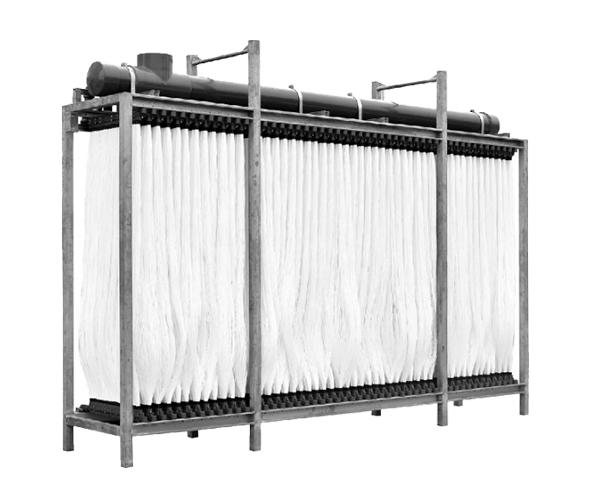
The center of these setups holds ultrafiltration membranes for water treatment. Unlike old sand filters that grab only big bits, ultrafiltration membranes for water treatment work as a solid wall. The wall has opening sizes usually near 0.01 to 0.1 microns.
- Pathogen Removal: Such walls block 99.99% of bacteria and viruses with a strong effect.
- Turbidity Control:Even when a big rain turns the starting river cloudy, the UF setup keeps the output very clear (<0.1 NTU).
- Chemical Reduction: Since the cleaning is physical, the need for strong chemical adds drops a lot. This makes the water safer and with better flavor.
From Site Prep to Clean Water in 3 Days
Old plants need 6 to 12 months for setup. A containerised water treatment plant comes pre-built, pre-connected with pipes, and pre-set with wires in a steady factory space. When the unit reaches the spot, it just needs “plug-and-play” links to the water start and the power net. As shown in the new placements, the real on-ground fitting time can shrink to only 72 hours.
Technical Specifications Comparison
To see the big step in usefulness, think about the match-up between old ground-built plants and fresh modular containerized units:
| ميزة | Traditional Civil Works Plant | Containerized Modular Plant |
| Construction Time | 6 – 12 Months | 3 – 7 Days (On-site) |
| Footprint | Large (Requires dedicated building) | Compact (Standard Shipping Container) |
| Installation Complexity | High (Requires specialized crews) | Low (Plug-and-play) |
| Effluent Quality | Variable (Operator dependent) | High & Stable (Automated UF) |
| Automation | Basic/Manual | Full IoT Remote Monitoring |
| Relocatability | Zero (Fixed Asset) | High (Can be moved if needed) |
Case Study: Solving the Water Nightmare for 37 Mountain Villages
The strength of this tech is clearest in the Fengkai County Mountain Water Supply Project. This area faced a common country issue. Thirty-seven spread villages sat in steep hills with very uneven water sources and almost no tech workers nearby.
The Challenge
The villages counted on hill springs and little streams. In wet times, the water turned very cloudy. In dry times, it ran low. A central plant build was not possible due to the rough land.
The Solution: Modular UF Integration
The job placed a line of custom modular ultrafiltration systems. These units used strong PVDF walls able to take high loads of floating bits.
- Capacity:From 10 m³/d to 150 m³/d at each spot.
- Standardization:Each spot shared the same inside parts. So, extra pieces could move across the whole county.
The Results
The effect came fast. The job cut built time by 90% from the past village water plans. Most key, the water clarity hit the top country rules for drinking water, with no E. coli found. The “smart” side of the plants lets a small group in the county main watch all 37 spots through a phone app. This cut the need for local village runners to do more than a weekly look check.
How Does Modular Prefabrication Reduce Total Cost of Ownership (TCO)?
Total Cost of Ownership covers not only the buy price. It also includes ground, power, work, and upkeep for over 20 years.
- Zero-Land Acquisition Costs: Since these units stay small, they can often sit on current public ground or even “stack” This removes the need for costly ground buys or area changes.
- تحسين الطاقة:New setups now use speed-change drives (VFDs). The pump does not run at full power all day. Rather, the unit shifts based on live needs. This saves up to 25% on power costs.
- Membrane Longevity:Through auto rinse and “air scouring” ways, the ultrafiltration membranes for water treatment last 5 to 7 years. In poor-run setups, such parts might stop in just two years.
- Labor Savings:Auto features manage the cleaning steps (CIP) and pressure checks. One worker can handle up to 10 separate decentralized spots.
Is a Containerized System Right for Your Community?
Though the gains stand out, leaders should check three main points:
- Source Water Quality: UF works well for top water like rivers or lakes, and ground water. If the water holds very high salt, an extra RO (Reverse Osmosis) step can join the container.
- Population Density: Decentralized units save most cost for groups from 100 to 10,000 people.
- Future Growth:If a village plans to double from travel or work growth, the flexible side of the محطة معالجة المياه في الحاويات lets for simple add-ons.
استنتاج
The time of skipping country water wants due to “tech hurdles” has ended. The mix of strong ultrafiltration membranes for water treatment and the easy move of the containerised water treatment plant has built a lasting, low-cost, and clear water fix for the world’s most at-risk groups.
HOSON offers full-end fixes for decentralized water treatment and country drink water flow. Our linked modules build for strength. This makes sure land no longer blocks clean water access.
أسئلة متكررة
Q: How long does a containerised water treatment plant actually last?
A: The outside container gets sea-level anti-rust covers, which give it a life of 15–20 years. The inside ultrafiltration membranes usually run 5–7 years based on water clearness and upkeep.
Q: Can these systems handle freezing temperatures in mountain regions?
A: Yes. For cold areas, the containers include built-in heat hold layers and inside weather control like heaters. This keeps the walls and pipes from freezing in winter.
Q: Do I need a professional engineer to run the plant daily?
A: No. These plants build for “unattended operation.” The unit does self-checks and auto cleans. Local staff just handle simple jobs like adding chemicals or look checks once a week.
Q: What happens during a power outage?
A: Most new decentralized units have an “auto-restart” feature. When power comes back, the setup runs a self-look and starts cleaning without human help. The units can also pair with solar power or spare generators.
Q: Are ultrafiltration membranes effective against viruses?
A: Absolutely. Ultrafiltration membranes for water treatment hold opening sizes much smaller than most water germs and viruses. This gives a solid clean wall that often beats chlorine use alone.