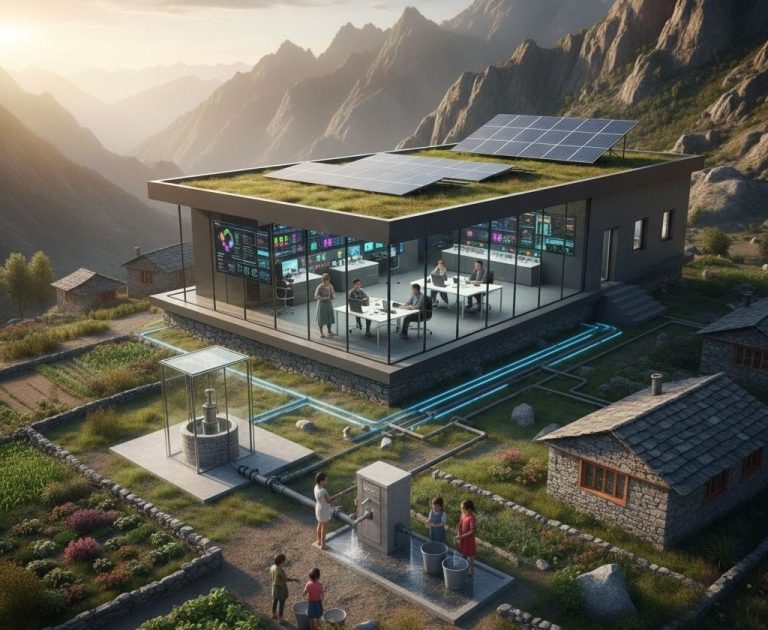


"Mile terakhir" pasokan air minum berdiri sebagai salah satu hambatan pengaturan terbesar di dunia saat ini. Tempat-tempat terpencil, tanah bukit, atau tempat-tempat yang tersebar sering membuat pengaturan air pusat lama terlalu mahal atau sulit untuk ditempatkan.
Namun, hal-hal berubah. HOSON membawa ke dalam pembangkit pengolahan air cerdas modularIni mengubah bagaimana air aman sampai ke kelompok yang paling membutuhkan di seluruh dunia. Teknologi modular HOSON berada di garis depan gerakan pasokan air terdesentralisasi, menyediakan alternatif yang dapat diandalkan untuk infrastruktur terpusat yang mahal.
Manfaat Pabrik Pengolahan Air Cerdas Modular untuk Daerah Jauh
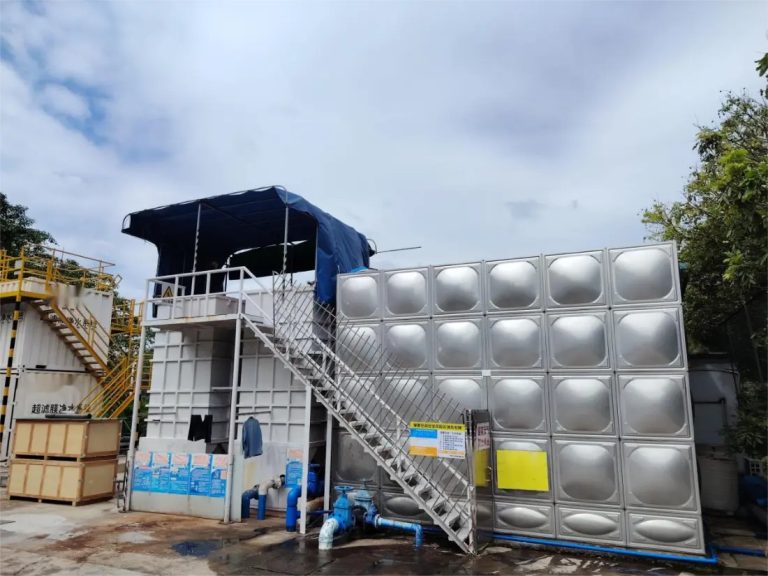
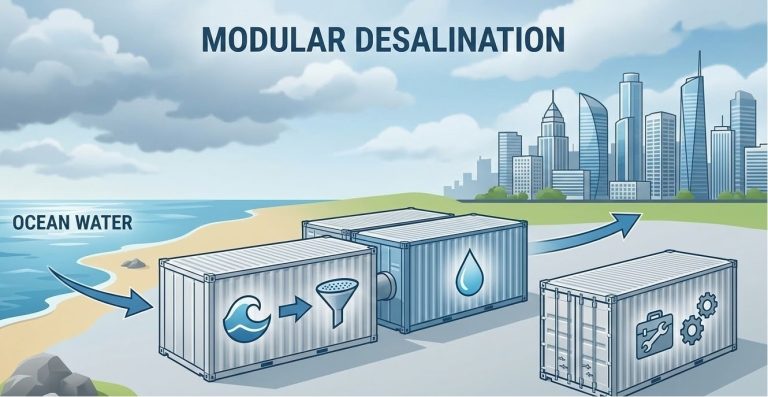
Sebuah pembangkit pengolahan air cerdas modular berfungsi sebagai perbaikan siap buat, "tanaman air dalam kotak". Ini menempatkan semua langkah perawatan utama ke dalam kotak standar. Pekerjaan bangunan gaya lama membutuhkan waktu berbulan-bulan atau bertahun-tahun. Pengaturan ini disatukan dan diperiksa di tempat pabrik yang stabil, menggunakan pemotongan digital dan pengelasan otomatis.
Jantung teknologi ini terletak pada sistem Ultrafiltrasi (UF). Sistem ini menyediakan perlindungan multi-hambatan, memastikan turbiditas secara konsisten di bawah ambang NTU yang diperlukan. Selain itu, mereka memastikan ada nol E. coli ditemukan.
Apa itu teknologi UF?
Ultrafiltrasi berfungsi sebagai metode film berbasis push, bertindak seperti layar halus. Aturan teknologi HOSON mengatakan film UF menggunakan pengaturan lubang kecil (sering 0,01 hingga 0,1 mikron). Ini memblokir bit mengapung, gumpalan kecil, dan secara efektif menghilangkan mikroorganisme patogen.
Tidak seperti filter pasir lama, UF memberikan perisai berlapis. Ini mencapai kejernihan yang stabil di bawah 0,1 NTU. Ini juga memblokir kuman dan serangga kecil dengan baik. Hal ini memastikan nol E. coli tanpa mengandalkan terlalu banyak pada bahan kimia yang ditambahkan.
Dengan memilih metode campuran teknologi yang adil, kami memilih campuran terbaik dari film dan penonton. Ini membangun setup yang kuat dan keras yang berfungsi dengan baik.
Mengapa pasokan air terdesentralisasi adalah solusi terbaik untuk daerah pedesaan?
Perpindahan ke pembangunan pengolahan air kontainer berasal dari tiga pendorong utama: pengaturan cepat, biaya yang lebih rendah, dan kecerdasan bawaan.
1. Penyebaran Cepat dan Fleksibilitas
Tanaman lama membutuhkan banyak pekerjaan tepat di tempat. Unit kotak memiliki gaya "plug-and-play" sederhana, meskipun. Ini mengurangi waktu pengaturan di lokasi sebesar 70%. Seringkali, seluruh sistem dimulai hanya dalam 3 hari di setiap tempat.
2. Tabungan Biaya Radikal
Pabrik ini memotong panggilan untuk pipa panjang dan penggalian kecil di lokasi. Akibatnya, mereka menurunkan total biaya hingga 60% dari cara lama.
3. Operasi Cerdas
Tanaman ini dilengkapi dengan pengamat yang terhubung dengan IoT. Mereka memungkinkan Anda memeriksa kejernihan air, aliran, dan mendorong dari jauh secara real time. Ini mengubah pemeliharaan dasar menjadi penanganan aktif berbasis fakta.
Perbandingan Produk dan Skenario Aplikasi
Untuk melihat seberapa fleksibel pengaturan ini, Anda perlu melihat berbagai jenis untuk penggunaan pedesaan dan pabrik.
| Fitur | Sistem UF Kontainer | Sistem Ozon UF Cerdas | Desalinasi UF-RO Modular |
| Tujuan Utama | Penghapusan turbiditas tinggi | Bau & amp; penghapusan organik | Garam & penghapusan mineral |
| Teknologi Kunci | Sistem UV UF Terpadu | Perawatan Ozon UF | Osmosis terbalik UF |
| Waktu Instalasi | Waktu instalasi 3 hari per situs | 45 Hari (Multi-situs) | 4 – 8 Minggu |
| Efisiensi Energi | Rendah (dibantu gravitasi) | Dioptimalkan (algoritma IoT) | Tinggi (Perangkat Pemulihan Energi) |
| Skenario yang Ideal | Desa-desa pegunungan yang jauh | Daerah dengan ganggang musiman | Daerah pantai & pulau |
Skenario Aplikasi Secara Detail
- Pasokan air terdesentralisasi untuk masyarakat pedesaan:Pengaturan ini memberikan stabil layanan air minum Untuk kelompok kecil dari 50-100 orang. Pipa peregangan biaya terlalu banyak di sana.
- Lingkungan Ekstrem:Desain berdiri untuk musim hujan. Mereka mengelola kebersihan air sumber hingga 1000 NTU selama waktu banjir.
- Akuisisi Tanah Nol: Tanaman mengapung duduk tepat di toko air. Atau unit kecil cocok dengan zona pabrik yang ketat.
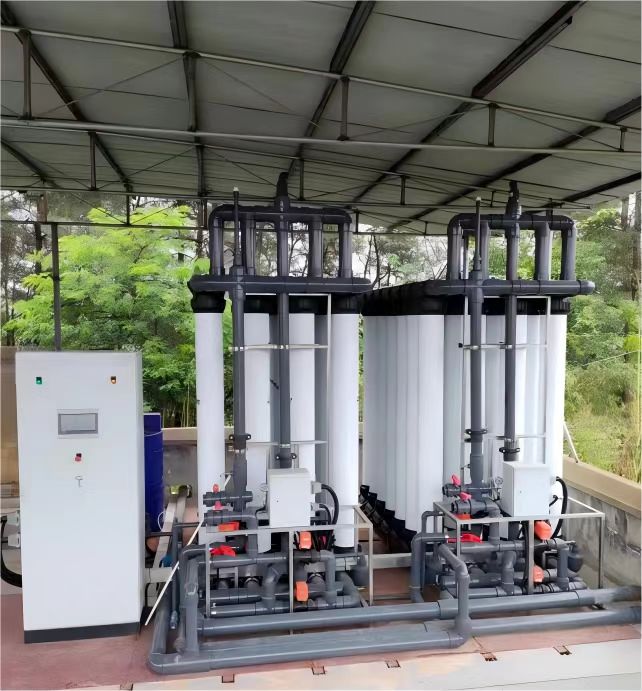
Studi Kasus: Memecahkan Tantangan Mile Terakhir di Kabupaten Fengkai
Di Kabupaten Fengkai di Guangdong, tanah berbukit membuat sulit untuk membawa air minum yang stabil ke 37 desa yang jauh. Perbaikan pipa lama tidak masuk akal karena bentuk tanah kasar.
Solusi
HOSON mendirikan sistem UF pengolahan air kontainer yang tersebar. Masing-masing dibuat tepat untuk jumlah penduduk desa dan jenis tanah.
- Ukuran presisi:Unit berkisar dari 10 hingga 150 untuk memenuhi kebutuhan lokal.
- Perawatan Lanjutan: Campuran UV UF memberikan perisai berlapis.
- Desain Operasional:Sistem ini cocok dengan pekerja lokal yang “dikelola desa” hanya membutuhkan 30 menit seminggu untuk pemeriksaan.
Hasilnya
Pekerjaan ini membawa perubahan besar:
- Kecepatan:Setup berjalan 90% lebih cepat daripada metode lama. Setiap desa hanya membutuhkan waktu tiga hari.
- Kualitas:Keterangan output tetap di NTU. Itu memenuhi semua aturan negara 100%.
- Ekonomi: Total biaya turun 60% dari rencana pipa pusat.
- Dampak Sosial:Kesehatan menjadi lebih baik. Penduduk desa mendapatkan waktu dan kekuatan karena mereka melewati perburuan air yang panjang.
Bagaimana Teknik Cerdas Memastikan Keberlanjutan
Sebuah abadi pasokan air minum Tergantung pada seberapa baik sistem berjalan di tempat-tempat sulit. HOSON menambahkan kecerdasan pembangunan kunci ke setiap pabrik.
- Ketahanan:Built-in daya cadangan menggunakan generator diesel. Ini menangani jalur listrik lokal yang goyang.
- Pemulihan Energi: Dalam pekerjaan asin atau air laut, Energy Recovery Devices (ERD) mengurangi penggunaan listrik berjalan sebesar 25-40%.
- Otomatisasi:Kontrol otomatis atas membiarkan sistem menyesuaikan jumlah air sendiri. Ini memotong kerugian kimia dan tanda daya.
Kesimpulan
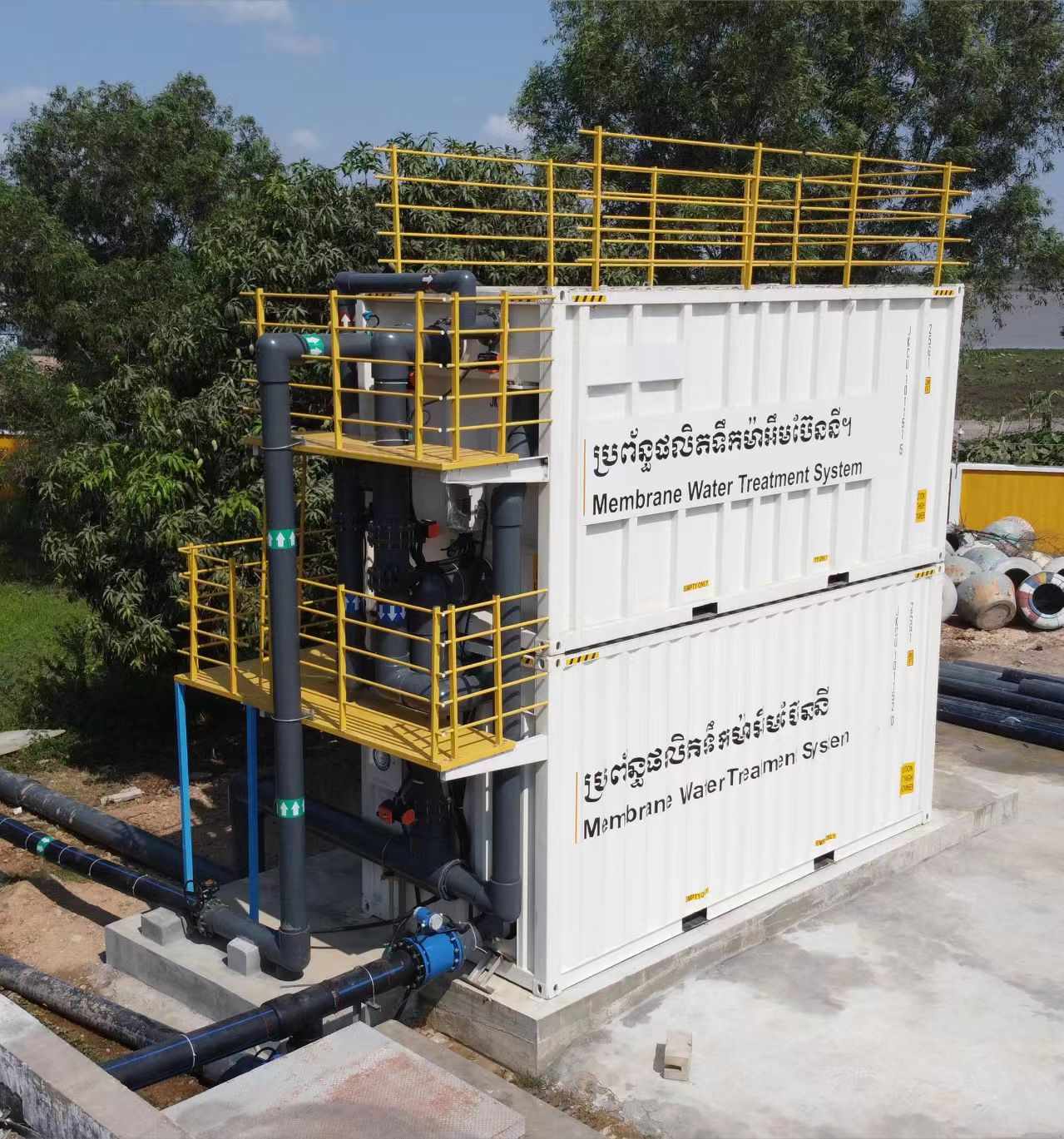
Keberhasilan proyek di Kabupaten Fengkai dan Kamboja membuktikan bahwa sistem pasokan air terdesentralisasi adalah masa depan ekuitas air global. Ini menunjukkan jenis tanah tidak boleh memblokir air aman. Mencampur ultrafiltrasi yang kuat, kecerdasan IoT, dan pembangunan siap siap memungkinkan kita memperbaiki masalah air mil terakhir dengan cara yang tahan lama.
Perlu Solusi Air Skalable untuk Komunitas Tersebar?
Pengolahan air kontainer kami, sistem penyebaran cocok dengan tanah keras dan tempat-tempat jauh tepat. Hubungi Tim Solusi Desa HOSON untuk pemeriksaan khusus. Mulailah jalan menuju air yang kuat besok.
FAQ (Pertanyaan umum)
T: Bisakah tanaman ini menangani air sungai yang sangat kotor selama musim hujan?
J: Ya. Pengaturan dibangun untuk saat-saat berawan tinggi. Di Svay Rieng, Kamboja, sistem UF menangani lompatan awan air sumber hingga 1000 NTU, yang menjaga output yang stabil dan baik.
T: Apakah kita membutuhkan tim insinyur untuk menjalankan pabrik setiap hari?
A: Tidak. Tanaman cocok "satu orang" atau "berbasis desa" berjalan. Pelatihan langkah demi langkah kami membantu orang lokal mengelola tugas sehari-hari. Sementara itu, pengaturan IoT jauh memberikan peringatan proaktif.
T: Berapa umur membran filtrasi di pabrik modular?
J: Dengan pra-penanganan yang baik dan berjalan cerdas, kami memperpanjang umur film dari 2 tahun biasa hingga 5 tahun. Ini mengurangi biaya sendiri penuh banyak.
T: Berapa banyak ruang yang dibutuhkan untuk tApa itu “Water Plant-in-a-Box”?
A: Gagasan "Air Plant-in-a-Box" menggunakan kotak standar 20 kaki. Gaya kecil ini cocok dengan tempat dengan ruang kecil atau kebutuhan "akuisisi lahan nol".
T: Bisakah sistem ini diperluas jika populasi desa tumbuh?
A: Tentu saja. Pembangunan kotak memungkinkan Anda tumbuh dengan lancar. Tambahkan bagian kerja ekstra - seperti blok penumpukan - untuk meningkatkan ukuran saat kebutuhan meningkat.