
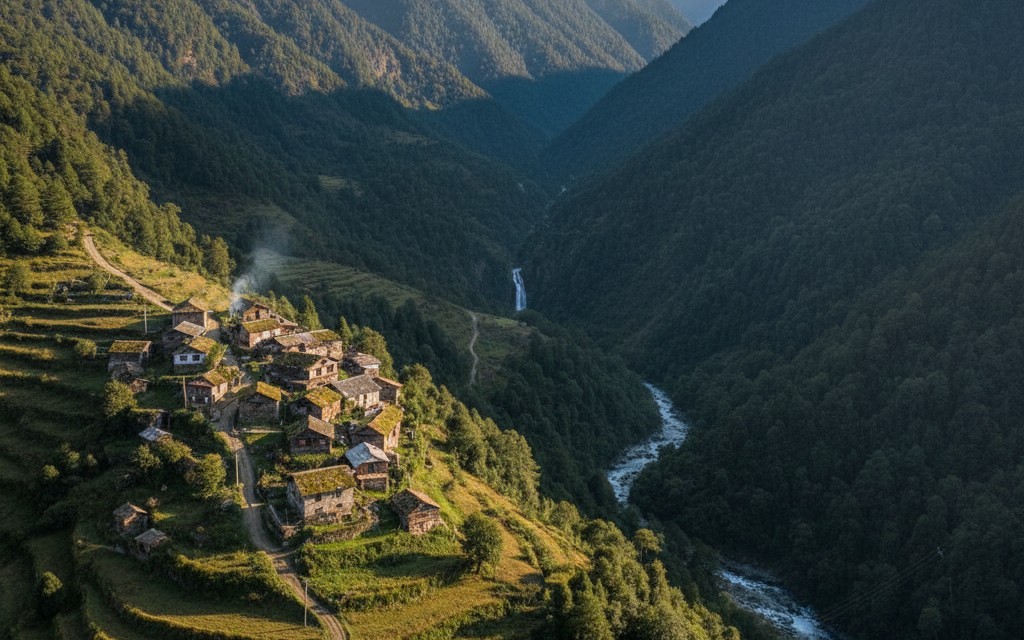
In afgelegen, heuvelachtige en kwetsbare plekken voor de natuur wordt het krijgen van een constante watervoorziening een moeilijke taak. Standaard grootschalige setups kunnen gewoon niet verbinden met deze cut-off plaatsen. De hoge prijs van leidingen over ruw land laat meestal uitgestrekte groepen zonder constante toegang tot veilig water.
Een oplossing ligt in het aannemen van snelle, gedecentraliseerde en modulaire waterbehandelingssystemen. Deze systemen zijn zeer effectief in regio's waar conventionele methoden niet haalbaar zijn en bieden een praktische manier om toegang tot schoon water te garanderen.
Waarom is de toegang tot plattelandswater een wereldwijde uitdaging?
In veel groeigebieden blokkeren landvormen basishulp. Het geven van zeker drinkwater aan afgelegen gehuchten veroorzaakt vaak een setup hoofdpijn.
De belangrijkste blokken omvatten deze punten:
- Economische Onlevensvatbaarheid:Traditionele pijpleidingsnetwerken zijn buitengewoon duur voor kleine, verspreide populaties.
- Seizoensgebonden waterkwaliteit:De kwaliteit van het bronwater fluctueert drastisch. Tijdens overstromingsseizoenen kan oppervlaktewater extreem troebel worden, terwijl andere seizoenen problemen kunnen brengen met algengeuren en organische materie.
- Operatieve beperkingen:In afgelegen gebieden ontbreekt vaak gespecialiseerd technisch personeel, waardoor systemen vereist zijn die eenvoudig genoeg zijn voor leden van de lokale gemeenschap om te beheren zonder constant toezicht.
Wat is een oppervlaktewaterfiltersysteem en hoe werkt het?
Een oppervlaktewaterfiltratiesysteem We moeten sterk staan tegen de veranderingen van de natuur. HOSON maakt gebruik van een meerfasige benadering die UF-waterbehandeling combineert met geavanceerde desinfectieprocessen, waardoor consistente waterveiligheid en betrouwbaarheid worden verzekerd.
De rol van ultrafiltratie (UF)
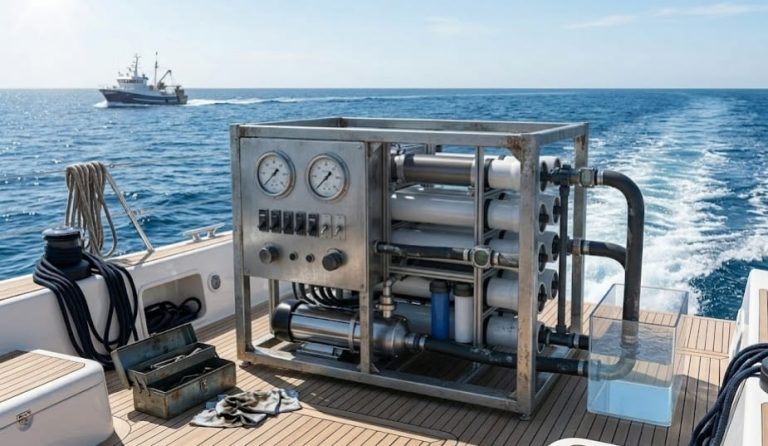
Ultrafiltratie dient als het belangrijkste onderdeel van de setup. Het vertrouwt op filmtechnologie om bacteriën, kleine insecten en drijvende stukjes te blokkeren. Dit verslaat oude zandstellingen. UF-films houden een stabiele bewolking onder 0,1 NTU, waarmee zelfs als de invoerkwaliteit verandert.
Geavanceerde ozonintegratie
Voor gehuchten getroffen door jaarlijkse problemen zoals geuren van planten of grote organische stukjes (40-60 NTU in natte tijden), het toevoegen van ozonreiniging richt zich op die problemen. Deze mix zorgt ervoor dat hoge vervuilingstijden de stroom van schoon water niet stoppen.
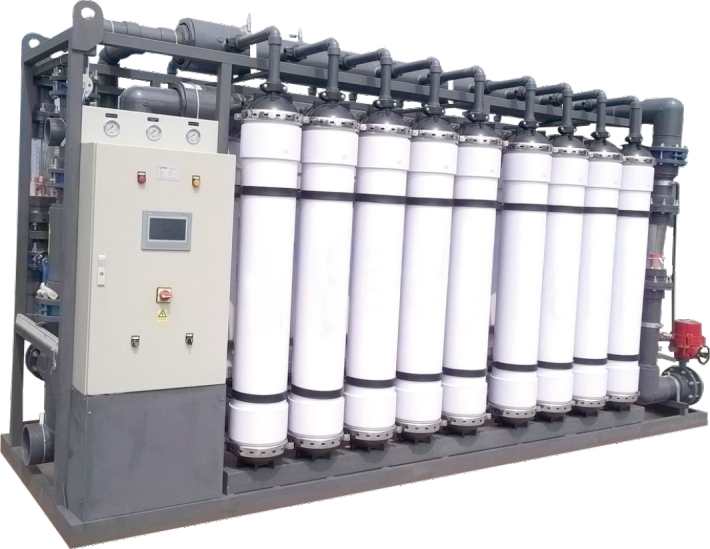
Case Study: Het oplossen van seizoensgebonden kwaliteitsproblemen voor 19 dorpen in het district Luoding van Yunfu
In een belangrijke inspanning voor waterveiligheid zette HOSON een scherp waterreinigingsproject op voor 19 gehuchten. Deze plekken werden geconfronteerd met grote jaarlijkse waterverschuivingen.
- Het probleem: De dorpen worstelden met hoge troebelheid (bereiken 40-60 NTU tijdens het regenseizoen) en onaangename algengeuren in hun bronwater.
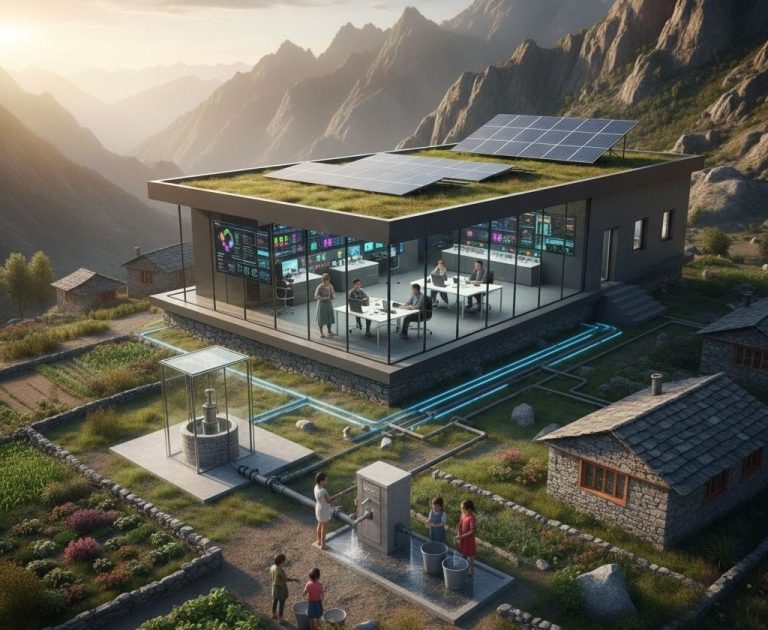
- De oplossing:Een geïntegreerde UF systeem waterbehandeling gecombineerd met ozonbehandeling werd ingezet. Deze gedecentraliseerde benadering omzeilde de behoefte aan enorme pijpleidingen door het water lokaal te behandelen.
- Het resultaat:Het systeem behaalde een 100% naleving van de drinkwaternormen. Zelfs tijdens het piekoverstromingsseizoen bleef het water kristalhelder met geen geur, waardoor de lokale bevolking het hele jaar door veilig was.
Hoe kan UF System Water Treatment uitdagingen op afstand oplossen?
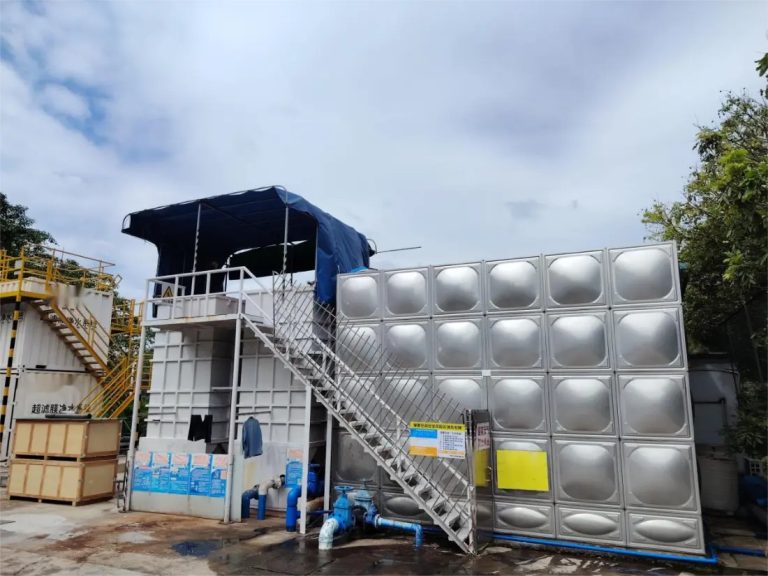
De oplossing komt uit het idee van "Water Plant-in-a-Box". Deze doos-stijl methode zet voorbereiding werk, film schoonmaken, en slimme germ-kill in één kant-en-klare eenheid.
Precisie afmeting en modulaire architectuur
Elk dorp heeft zijn eigen wensen. Met stuk-gebaseerde configuraties passen eenheden precies van 10 tot 800. Dit slaat extra uitgaven over, laat ook groei toe als mensen optellen.
Snelle implementatie en minimale site voorbereiding
Traditionele waterzuiveringsinstallaties vereisen meestal meerdere maanden voor installatie. De modulaire eenheden van HOSON vereisen daarentegen minimale grondwerken en kunnen veel sneller operationeel zijn, waardoor het opstellingsproces aanzienlijk versneld wordt in vergelijking met conventionele bouwmethoden.
De evolutie van grondwaterbehandeling: duurzame en efficiënte oplossingen omarmen
Grondwaterbehandeling en technologie verhuizen naar easy-care, groene plannen. Deze richten zich op duurzame kracht in de loop van de tijd.
Intelligente bewaking (IoT)
Nieuwe setups koppelen aan IoT. Een belangrijke cloud spot volgt watercontrole, stroomsnelheid en push in real time. Dit vermindert de handcontroles ter plaatse met tot 80%. Een dergelijk punt helpt ver plekken kort op vaardigheid.
Productvergelijking en toepassingsscenario's
Om de beste oplossing te kiezen, begrijp de technische details en sterke punten.
| Productmodel | Capaciteit (m³/dag) | Sleuteltechnologie | Ideaal toepassingsscenario |
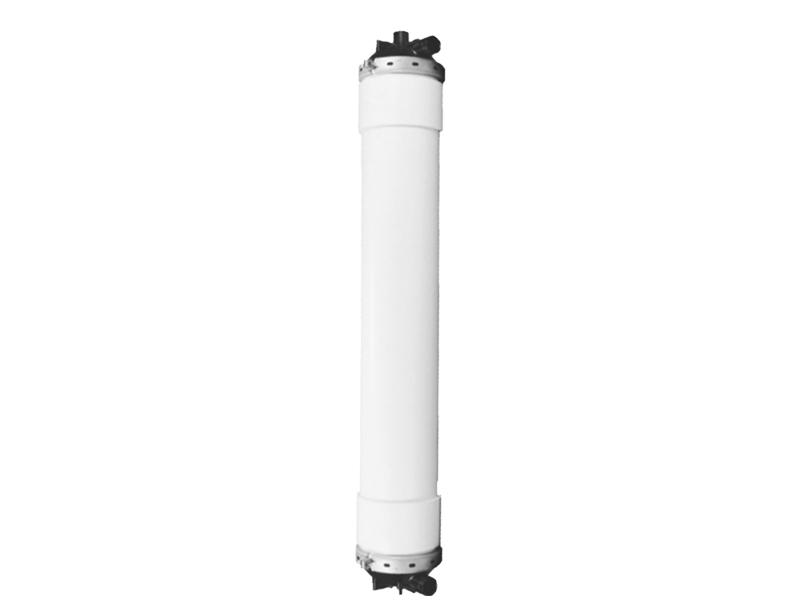
| LH-serie druk UF-systeem | 5 – 50 | Druk ultrafiltratie (0,01 μm), PVC legering membraan | Kleine gemeenschappen, landelijk drinkwater, huishoudelijke clusterbehandeling |
| LW-serie druk UF-systeem | 20 – 100 | PVDF / PM druk UF (0,02 μm), sterke chemische tolerantie | Kustdorpen, industriële watervoorbehandeling, hergebruikssystemen |
| LGJ1 ondergedompeld UF membraansysteem | 100 – 800 | Ondergedompele UF (PVDF / PM) modulaire membraanrek | Grote dorpen (19-dorpsmodel), gecentraliseerde watervoorziening op stadsniveau |
Hoe vermindert intelligent management de bedrijfskosten?
De volledige eigen kosten dalen via drie belangrijke ondersteuningen:
- Energie-efficiëntie: De geoptimaliseerde grootte van de apparatuur en de technologie voor pulsbelüfting kunnen tot 25-40% besparen in het energieverbruik.
- Vereenvoudigde O& M:De systemen zijn ontworpen voor "dorpsbeheer" en vereisen slechts basis dagelijkse controles door het lokale personeel.
- Proactieve waarschuwingen:IoT-sensoren geven vroege waarschuwingen voor filtervervanging, waardoor passieve reparatie wordt omgezet in voorspellend onderhoud.
Conclusie
De taak van landelijke waterveiligheid vraagt niet langer of een oplossing werkt. In plaats daarvan vraagt het hoe snel we de juiste technologie uitrollen. HOSON combineert stukbouw met slim toezicht. Dit geeft een duidelijk antwoord op speciale land en geld hindernissen.
Klaar voor een bewezen plattelandswateroplossing?
Of u nu geconfronteerd wordt met seizoensgebonden turbiditeit, algengeuren of hoge operationele kosten, ons team is klaar om een systeem op maat te ontwerpen op de behoeften van uw gemeenschap. Neem vandaag nog contact op met HOSON voor een op maat gemaakte beoordeling en breng betrouwbaar, schoon water naar uw regio.
Veelgestelde vragen
V: Kunnen deze systemen water verwerken dat ruikt naar algen of chemicaliën?
A: Ja. Door het UF-ozonproces te gebruiken dat in onze 19-dorpscasestudy wordt genoemd, kunnen we algengeuren effectief elimineren en organische verontreinigingen oxideren die standaardfilters missen.
V: Is het moeilijk voor lokale dorpelingen zonder technische achtergrond om de fabriek te bedienen?
A: Nee. De systemen beschikken over een hoge automatisering. Na de basisopleiding kunnen leden van de lokale gemeenschap de dagelijkse activiteiten beheren, waardoor het "dorpsbeheerde" model zeer duurzaam is voor afgelegen gebieden.
Q: Hoe controleren we de waterkwaliteit als het dorp zich in een zeer afgelegen berggebied bevindt?
A: Een enkel hubsysteem draait nu alles af en verbindt belangrijke apparaten over het netwerk. Vanaf een telefoon of laptop bekijken ingenieurs live updates over hoe systemen het doen, ver weg van fysieke locaties. Vanwege dat verband moeten minder mensen reizen om machines face to face te controleren.
Q: Wat gebeurt er tijdens het overstromingsseizoen als het water erg modderig wordt?
A: Onze systemen zijn ontworpen voor "toekomstbestendigheid". De UF-membranen bieden een absolute fysieke barrière die de output-kwaliteit onder 0,1 NTU houdt, zelfs wanneer de input-troebelheid aanzienlijk stijgt tijdens zware regen.
V: Zijn deze systemen duurzaam genoeg voor tropische of vochtige omgevingen?
A: Dat klopt. Hier buiten, ruw terrein niet stoppen onze apparatuur – het draait op zware materialen zoals SUS316 staal, gebouwd stevig zodat het duurt goed voorbij tien, soms vijftien jaar zonder falen.