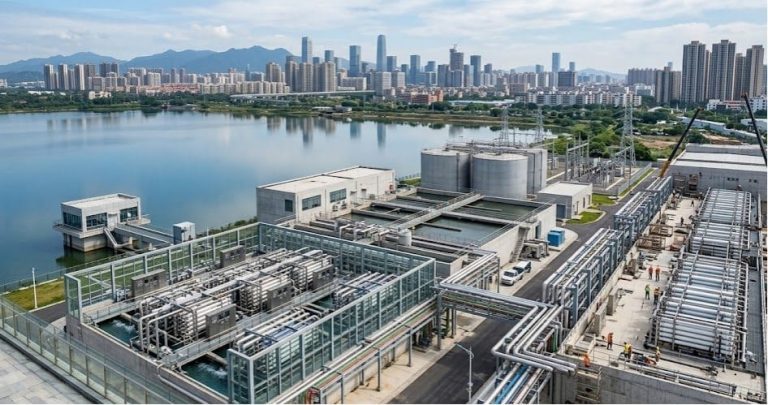

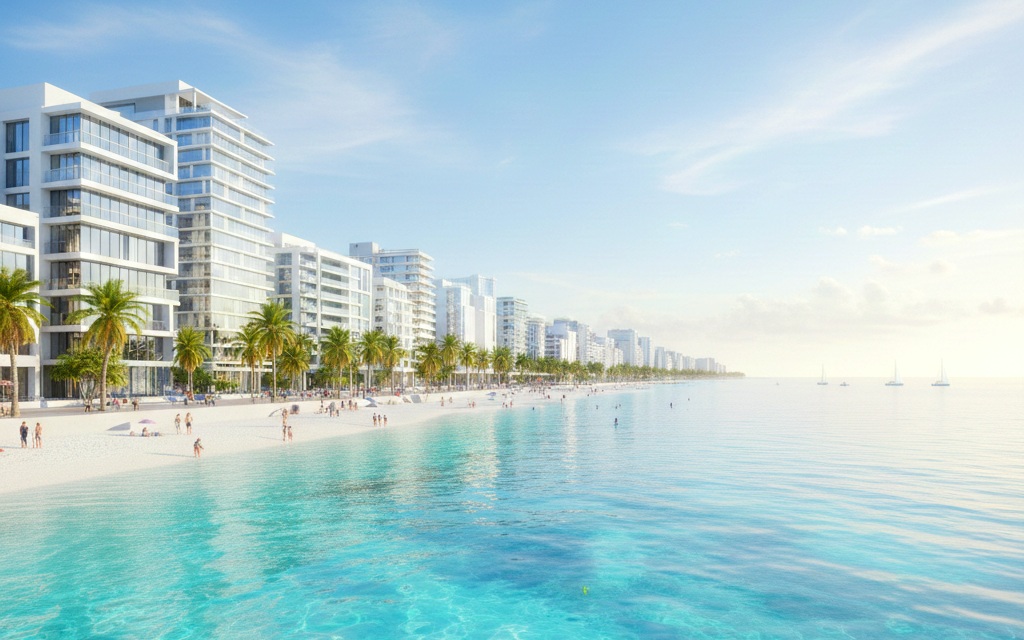
Watertekort over de hele wereld is geen verre zorg meer en treft op dit moment miljoenen mensen. Naarmate de reguliere zoetwatervoorraad krimpt, biedt de oceaan de grootste voorraad. Het bevat 97% van al het water op aarde. Het omzetten van deze enorme hulpbron in zuiver zeewater is veranderd van een dure optie tot een belangrijke behoefte voor kustbedrijven, eilandhotels en geïsoleerde groepen.
Deze gids bekijkt de nieuwste methoden in ontzouting vandaag de dag. Het dekt de echte ontzoutingsinstallatiekosten per gallon. Bovendien legt het uit hoe je de juiste kiest ontzouter voor zeewaterHet doel is om duurzaam gebruik en solide financiële zin te ondersteunen.
Moderne ontzoutingstechnologie decoderen
De huidige ontzouting van zeewater is weggegaan van energiehongerige thermische methoden. In plaats daarvan vertrouwt het op High-Efficiency Reverse Osmosis (RO). Deze methode maakt gebruik van speciale dunne membranen om zout en vuil op kleine schaal weg te trekken van water.
- Exact pre-behandelingsplan:Om de delicate RO-membranen te beschermen, combineren slimme setups Ultrafiltratie (UF) en verschillende mediafilters. Deze vroege stap is belangrijk. Het vermindert de kans op verstopping van het membraan met meer dan 60%. En door losse deeltjes en kleine organismen eerst uit te ruimen, duren deze delen langer. Ze gaan van de gebruikelijke twee jaar tot maximaal vijf jaar.
- Sterk RO hart:Zorgvuldig ontwerp bereikt nu een zoutverwijderingspercentage van tot 99,2%. Dus het resulterende zuivere zeewater voelt niet alleen vers. Het voldoet ook aan strenge wereldwijde regels, zoals de WHO Drinkwater Guidelines of de GB5749-2006 gezondheidsnorm.
- Energieherstelapparaten (ERD):Het belangrijkste doel bij ontzoutingsbesparingen is ERD. Deze gereedschappen grijpen de sterke druk van het overgebleven zout water. Vervolgens sturen de tools het terug in het proces. Deze slimme stap verlaagt het totale stroomverbruik met 25% tot 40%. En dat maakt grote projecten beter geld verstandig werken.
De economie: Ontzoutingsinstallatiekosten per gallon
Mensen die een project plannen, controleren vaak eerst de kosten per gallon van de ontzoutingsinstallatie. Om een echt aantal te vinden, kijk naar de volledige eigendomskosten. Dat betekent zowel startkosten als bedrijfskosten.
Kapitaaluitgaven (CAPEX)
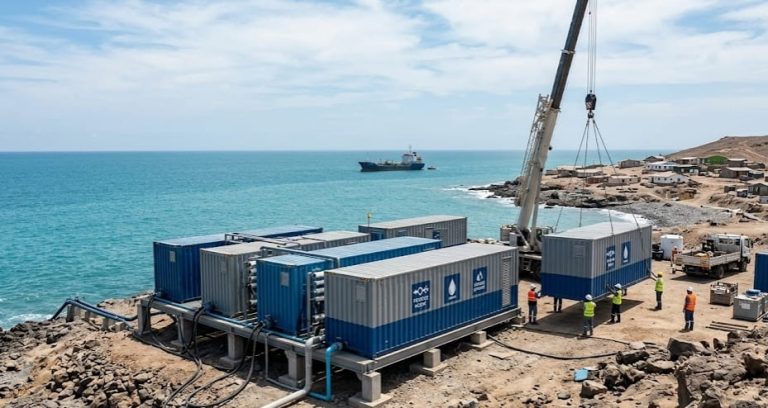
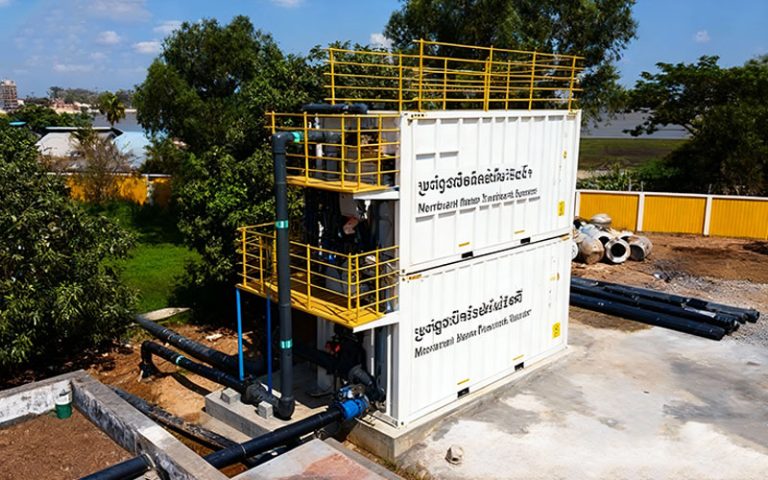
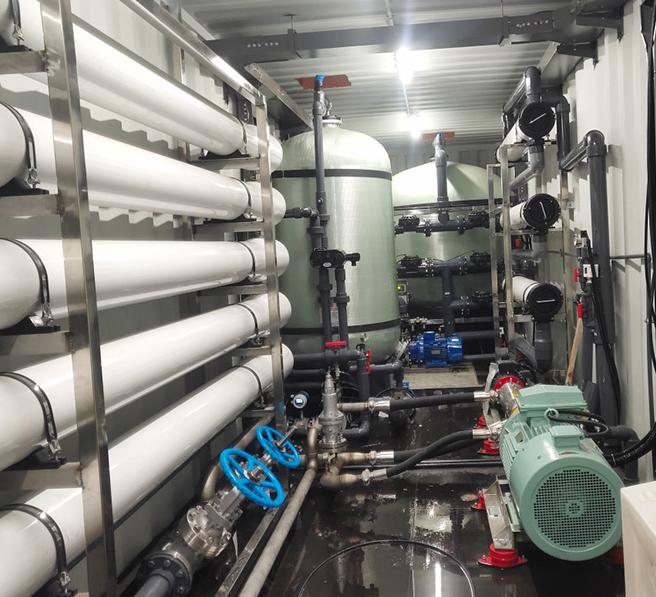
Oudstijdse waterinstallaties betekenen enorme bouwbanen die jaren duren. Maar de nieuwe manier maakt gebruik van ready-to-move "skid-mounted" of "containerized" setups. Werkers bouwen deze in een fabriek onder nauw toezicht.
Als gevolg daarvan daalt de installatie ter plaatse met 70%. Deze flexibele stijl stelt bedrijven in staat hun waterproductie te vergroten naarmate de behoeften stijgen. Ze vermijden te veel uit te geven aan gigantische setups vanaf het begin.
Operatieve uitgaven (OPEX)
Het belangrijkste deel van de bedrijfskosten is stroom. Voor een heavy-duty systeem is de energie om een ton water te maken veel gedaald. Neem een eenheid die 320 ton per dag maakt. Het kan slechts 75 kWh elektriciteit gebruiken.
Voeg chemicaliën, nieuwe membranen en regelmatige controles toe. Dan, de ontzoutingsinstallatiekosten per gallon blijkt vrij laag. In feite, het verslaat de kosten van het halen van zoet water van ver af met de vrachtwagen.
Het kiezen van de juiste ontzouter voor zeewater
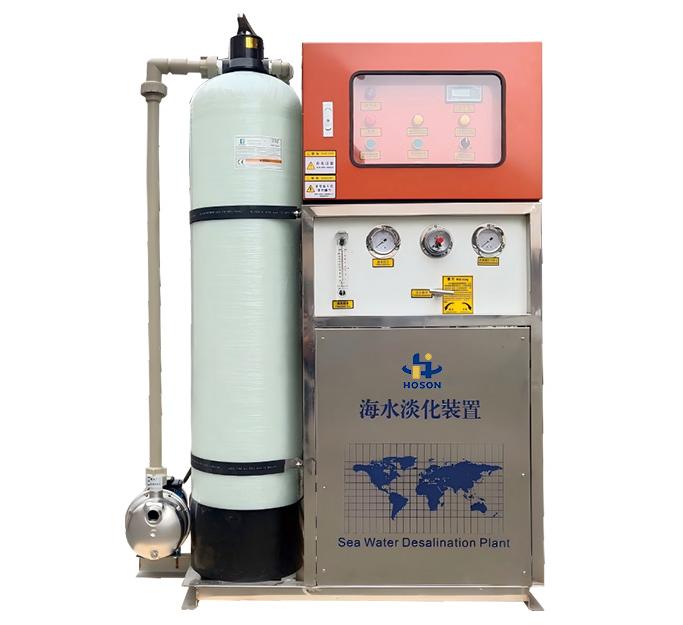
Het kiezen van een ontzouter voor zeewater komt neer op uw dagelijkse waterbehoeften, beschikbare ruimte en zoutgehalte in de bron. Hier is een duidelijke verdeling van topmodellen voor zakelijk en fabrieksgebruik.
Productvergelijkingstabel
| Model | Capaciteit (ton/dag) | Energieverbruik | Belangrijkste technische voordeel | Ideaal toepassingsscenario |
| FSHB-320 | 320 TPD | 75 kWh | Stabiliteit op industriële schaal; 99,2% zoutverwerping | Grote industriële parken, kust gemeentelijke voorziening |
| FSHB-150 | 150 TPD | 45 kWh | Geoptimaliseerde footprint-to-output ratio | Eiland resorts, grote hotels, landbouw |
| FSHB-100 | 100 TPD | 30 kWh | Modulair ontwerp voor snelle inzet | Kleine gemeenschappen, bouwplaatsen |
| FSHB-5 | 5 TPD | 2,2 kWh | CCS Marine gecertificeerd; corrosiebestendig | Jachten, vissersschepen, offshore platforms |
| FSHB-0.5 | 0,5 TPD | 0,75 kWh | Draagbaar kofferontwerp; zeer mobiel | Noodsituatie, onderzoeksstations op afstand |
Diep duiken in toepassingsscenario's
- Industriële & Energieopwekking:Chemische installaties aan de kust of elektriciteitscentrales hebben behoefte aan stabiel water. Een goede ontzouter voor zeewater levert schoon water voor ketels en koeling. Uniten als de FSHB-320 leveren de grote, betrouwbare stroom. Dit helpt bij het voorkomen van stops op het werk.
- Toerisme & Gastvrijheid:High-end eilandhotels hebben te maken met een moeilijke balans tussen water en energie. Flexibele RO-systemen geven gasten topkwaliteit gezuiverd zeewater. Tegelijkertijd nemen de setups weinig ruimte in beslag, passend goed zonder het uitzicht te schaden.
- Maritieme & amp; Offshore activiteiten: Oliepriggingen ver weg op zee gezicht ruw weer. Gecertificeerde eenheden, zoals de FSHB-5, gebruiken stevig 316L roestvrij staal of Duplex staal. Deze staan tegen zoute lucht en schudden, het leveren van drinkwater en werkwater voor de werknemers.
Wereldwijde impact en milieuaanpasbaarheid
Een ontzoutingsinspanning werkt goed in plaatsen als het Midden-Oosten, Zuidoost-Azië of Afrika. De sleutel is hoe het systeem moeilijke instellingen omgaat.
- Sterke zoutbehandeling: Gebieden zoals de Rode Zee of de Arabische Golf bevatten zeer hoog zout, tot 40.000 ppm of meer. De huidige systemen hanteren deze moeilijke omstandigheden. En dat doen ze zonder de kosten per gallon van de ontzoutingsinstallatie veel te verhogen.
- Breed temperatuurbereik:In warme gebieden kan zeewater variëren van 5°C tot 45°C. Slimme pijp ontwerpen houden RO membranen goed werken in al dat. Deze instelling voorkomt dalingen in de stroom tijdens koude tijden, ook stoppen schade aan membranen in hitte.
- Duurzaamheid & Zoutmanagement:Velen maken zich zorgen over de schade van zout, het dikke zout overblijfsel. Nieuwe “Groene Ontzouting” streeft naar een betere waterterugwinning, tot 35-45%. Speciale spreiders mengen het zout snel in de zee. Dit vermindert de effecten op het zeeleven in de buurt.
Conclusie
De overstap van rauw zeewater naar zuiver zeewater is nu meer dan een technisch probleem. Het is een slimme zakelijke keuze. Door te begrijpen wat de kosten per gallon van de ontzoutingsinstallatie beïnvloedt, kunnen groepen verstandige keuzes maken. Ze kiezen voor een ontzouter voor zeewater met sterke bouw en laag stroomverbruik. Uiteindelijk bouwt dit een betrouwbare waterbron op die in moeilijke tijden standhoudt.
Waarom samenwerken met HOSON?
Bij HOSON gaan we verder dan alleen het leveren van uitrusting. Onze FSHB-serie toont het beste in flexibele ontzoutingstechnologie. Het is gemaakt voor maximale betrouwbaarheid op de moeilijkste plekken ter wereld.
Van grote fabrieken met meer dan 320 TPD tot eenvoudig draagbare noodgerichtingen, wij bieden zekere levering en diepgaande know-how. Dit maakt van uw waterproblemen een sterke, doorlopende hulpbron.
Veelgestelde vragen
V: Hoe weet ik welke ontzouter voor zeewater geschikt is voor mijn project?
A: Begin met het berekenen van uw dagelijkse waterbehoefte, in kubieke meter of ton. Controleer vervolgens het zoutgehalte in uw bronwater. Een ervaren oplossingsarchitect kan de beste pasvorm voorstellen. Het kan een krachtige FSHB-240 zijn voor een stad of een carry-on FSHB-0.5 voor een bewegende gezondheidseenheid.
V: Kunnen de kosten per gallon van de ontzoutingsinstallatie worden verlaagd met hernieuwbare energie?
A: Ja, zeker. Projecten in Afrika en het Midden-Oosten voegen nu vaak zonnepanelen toe. Ze draaien de belangrijkste pompen met zonne-energie tijdens heldere dagen. Dit vermindert vervuiling en de lopende kosten van het maken van zuiver zeewater in de loop der tijd.
V: Voldoet het door deze systemen geproduceerde water aan de WHO-normen?
A: Ja. Met sterke membranen en toegevoegde stappen zoals het toevoegen van mineralen of UV-reiniging, is de output veilig drinkwater. Het voldoet aan of verslaat wereldwijde gezondheidsregels.
Q: Hoe vaak moeten de filters en membranen worden vervangen?
A: Voorfilters, zoals sediment- of koolstoffilters, veranderen om de 3 tot 6 maanden. Het hangt af van de toestand van het water. De belangrijkste RO-membranen duren 3 tot 5 jaar in een verzorgde opzet, dankzij een goede vroege reiniging.
Q: Wat zijn de onderhoudsvereisten voor een containeriseerd systeem?
A: Deze containerized systemen zijn gericht op eenvoudig "Plug & amp; Play" gebruik. De meeste hebben automatische reinigingscyclussen en verre controles. Dus kan één werknemer meerdere eenheden met weinig direct werk omgaan.