
What Are the Main Types of Wastewater and Why They Matter
Understanding Domestic Wastewater and Its Sources
Home activities – cooking, bathing, doing laundry, using the bathroom – create most household waste water. Full of natural matter, cleaning products, extra nutrients like nitrogen and phosphorus, alongside dangerous microbes. Left untreated, such flow quickly builds up strain on urban water systems. It contaminates local rivers and streams.
What Makes Industrial Wastewater Different
Industrial wastewater starts in factories and processing plants. It differs from home sources because it holds a tricky blend of heavy metals, man-made chemicals, oils, and dangerous materials based on the business involved. Given its changing makeup and stronger pollutant levels, this wastewater needs special waste water solutions. These include tailored pre-handling and modern filtering steps before safe release or recycling.
How Stormwater Becomes a Pollution Risk
The rainwater that runs across streets and house roofs, and parking areas creates stormwater runoff. The water picks up various pollutants, which include motor oil residues and herbicides and soil particles, and trash while it moves through the environment. Stormwater enters rivers and lakes directly without undergoing any treatment process. The combination of these factors leads to major dangers that affect both wildlife habitats and human health conditions.
How Waste Water Solutions Help Control Domestic Pollution
What Are the Key Components of Domestic Waste Water Solutions
Primary Treatment Methods for Household Wastewater
The starting phase includes screening to pull out big solids like plastics and fabrics. After that, settling ponds let heavy bits drop to the base. Meanwhile, lighter stuff rises up for easy removal.
Secondary Treatment Processes That Target Organic Pollutants
The biological treatment methods activate sludge systems and drip filters to handle the wastewater at this stage. The tanks with oxygen supply organic waste to helpful bacteria, which consume the waste. The process reduces the biochemical oxygen demand (BOD) levels, which appear in the discharged water.
Advanced Treatment Options for Enhanced Purification
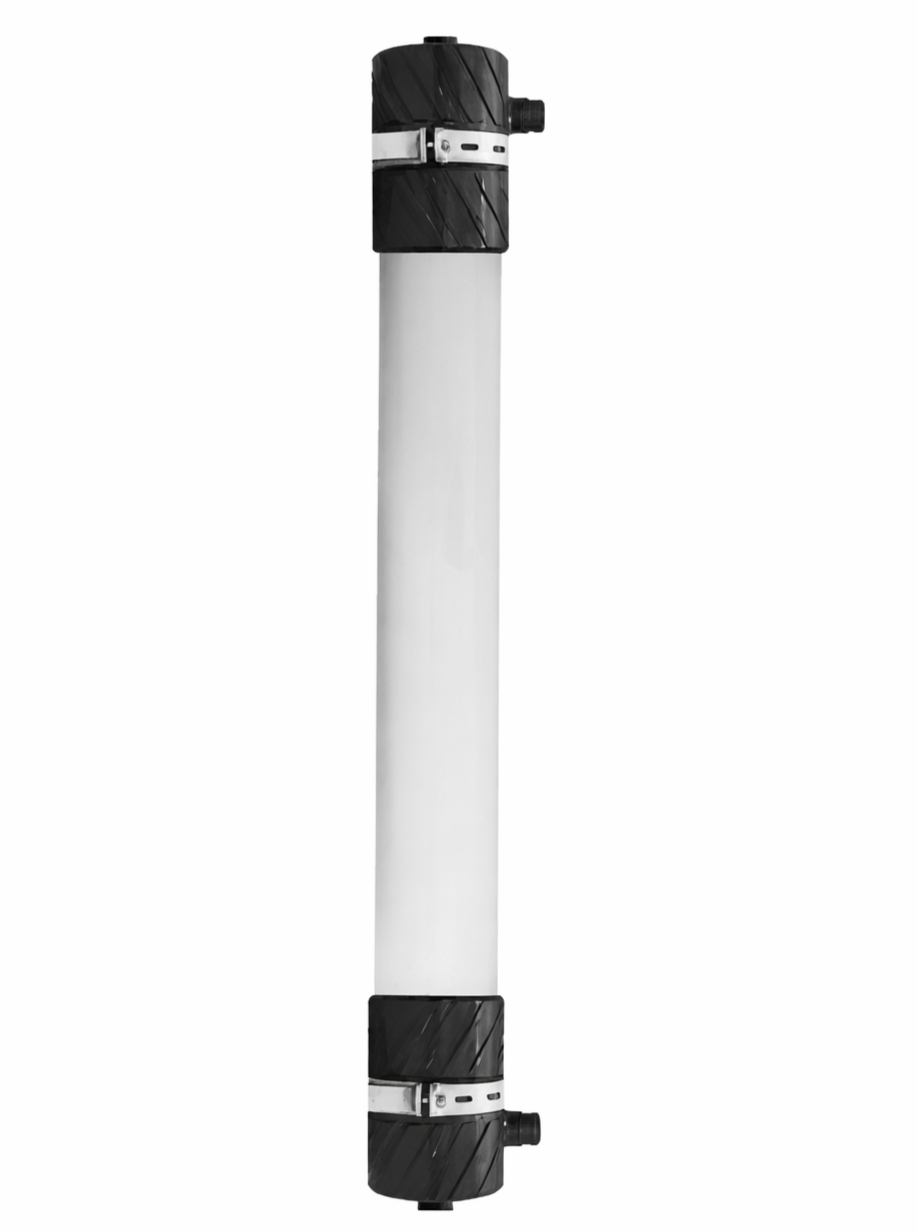
Filtration methods with membranes, like ultrafiltration (UF), clear out tiny floating bits and germ-like threats. In the final step, UV light or chlorine treatment wipes out any leftover harmful bugs.
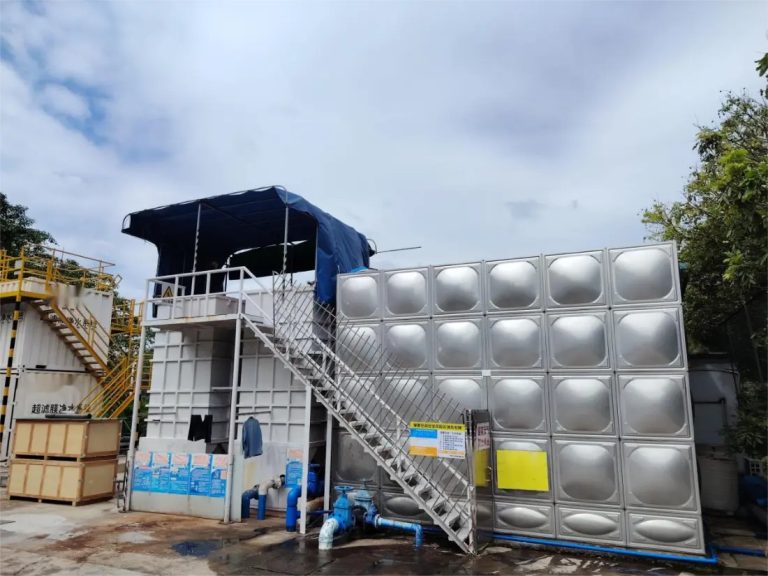
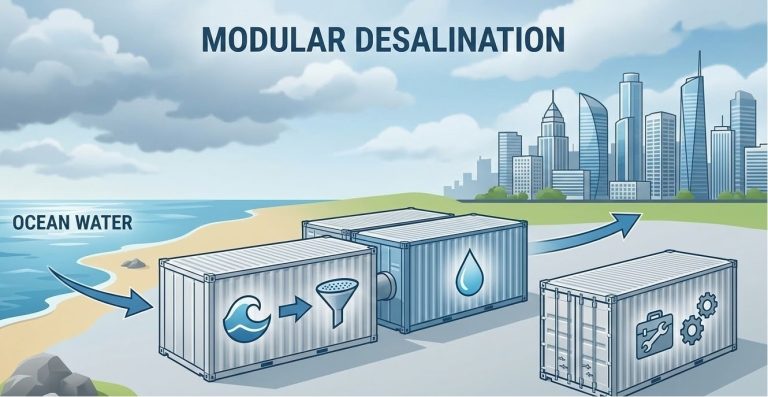
HOSON combines tools such as ultrafiltration (UF), reverse osmosis (RO), energy recovery (ERD), and smart controls with a flexible modular setup. This creates reliable, effective, and easily adjusted complete wastewater treatment processes.
How Waste Water Treatment Processes Work Step by Step
The Role of Physical Processes in Early Stages of Treatment
The opening actions involve machine-based screening and settling, which separate solids from liquids. These steps get the wastewater ready for biological handling. They remove items that might block bacterial work.
The Importance of Biological Treatment in Removing Contaminants
In aeration tanks, added oxygen helps tiny organisms grow. Those organisms then break apart materials that can decay naturally. Consequently, this cuts the BOD in the cleaned water quite a bit.
When Chemical Treatments Become Necessary
Disinfection Methods Used in Final Stages of Treatment
Chemical cleaners like chlorine often serve to destroy lingering germs before release. For places that care more about nature, ozone or UV setups provide options without chemicals.
Nutrient Removal Techniques to Prevent Eutrophication
To get rid of phosphorus, workers use alum or ferric salts in a settling process. For nitrogen, systems based on nitrification-denitrification handle it well. Both steps help avoid ugly algae growth in nearby waters that could harm life there.
Why Proper Waste Water Disposal Matters for Environmental Health
Potential Consequences of Poor Disposal Practices
When treatment falls short or release happens wrongly, it pollutes underground supplies that people drink from. Plus, too many nutrients end up in ponds and streams. This leads to overgrowth of plants and deaths among fish.
Safe Disposal Options That Support Sustainability
Reuse and Recycling of Treated Wastewater
Water that has been cleaned can go toward farm watering, garden care, or factory cooling needs. Such uses cut the need for fresh water sources in a big way.
Discharge into Natural Water Bodies Under Regulation
After reaching required cleanliness levels, treated wastewater can enter rivers or seas. But only if it follows rules. Ongoing checks make sure everything stays within legal bounds.
We offer complete support throughout the full life of projects. This covers starting water checks, possible studies, custom planning, setup, startup, staff training, and long-term help.
What Role Communities Play in Supporting Waste Water Solutions
How Public Awareness Can Improve Domestic Waste Management
Teaching folks about careful use of chemicals and the right ways to toss waste lightens the load on cleaning systems. Homes can help by keeping solid trash out of liquid flows.
The Impact of Local Policies and Infrastructure Investment
Community-Level Sewage Systems for Urban Areas
Large central setups handle treatment on a broad scale. They prove simpler to oversee than separate tank systems for each home.
On-Site Sanitation Systems for Rural or Remote Areas
Kept-up septic tanks or nature-based wetland builds serve as solid choices. They work well where big central options aren’t possible.
For river or lake water with lots of cloudiness (like in the Chongqing example), we apply stronger pre-cleaning plus dirt-resistant UF membrane tech. This setup handles flood issues without trouble and ensures efficient wastewater treatment and disposal.
What Future Trends Are Shaping Waste Water Solutions
Emerging Technologies Enhancing Treatment Efficiency
Smart Monitoring Systems Using IoT Sensors
Sensors that work in real time track water flow speeds, dirt amounts, and machine conditions. As such, they allow for ahead-of-time fixes and fewer breakdowns.
Energy Recovery from Sludge Processing
Digestion without oxygen turns sludge into gas for fuel. This changes unwanted leftovers into useful power from nature.
With clever running and upkeep, we boost energy savings (like pulse aeration tech that cuts costs by up to 40%). We also stretch out part life (such as raising membrane use from 2 years to 5 years). Overall, this lowers the full ownership expenses for clients in a planned manner.
Product Showcase: Customized Waste Water Solutions by HOSON
| Product Model | Membrane Type / Material | Effective Membrane Area | Filtration Precision |
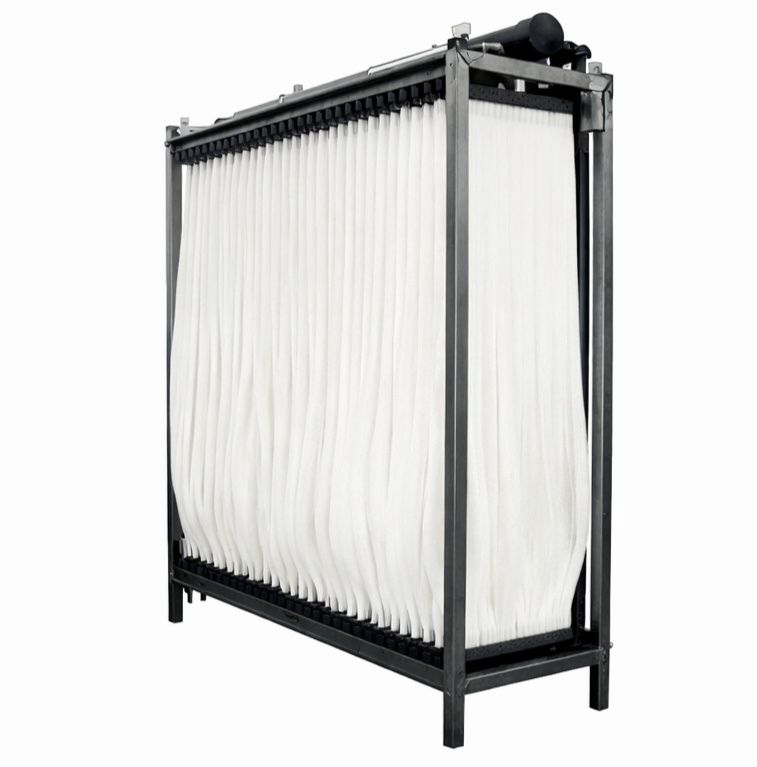
| LJ1E3-1500-PF | Submerged PVDF Composite Membrane Curtain | 23 m² | 0.02 μm |
| LJ1E3-2000-PM | Submerged PM Composite Membrane Curtain | 31 m² | 0.04 μm |
| LGJ1E3-2000×26 | Integrated Submerged Membrane Equipment (PVDF / PM optional) | 806 m² | 0.02–0.04 μm (depends on membrane) |
| LH4-1080-V | Pressure Ultrafiltration Membrane (PVC Alloy) | 74 m² | 0.01 μm |
| LW2-0980-PM | Pressure UF Membrane (PM Material) | 77 m² | 0.02 μm |
Effective wastewater solutions combine physical, biological, and membrane-based treatment to control domestic pollution. Looking for a reliable wastewater solution? Contact us to design a system tailored to your water quality and compliance needs.
FAQ
Q: What is the difference between domestic and industrial wastewater?
A: Domestic wastewater mainly contains organic waste from households, while industrial wastewater may contain hazardous substances like heavy metals or chemicals requiring specialized treatment.
Q: Can treated wastewater be reused safely for agriculture?
A: Yes. With proper treatment, including disinfection, treated wastewater can be safely reused for irrigation without harming crops or soil.
Q: What is the best wastewater treatment option for small rural communities?
A: Modular smart water plants such as HOSON’s containerized units are ideal due to quick deployment, low maintenance needs, and customized configurations.
Q: How does HOSON ensure reliable performance in extreme environments?
A: Whether it’s “zero-land acquisition” expansion, floating water plants, or special systems designed for extreme environments (such as offshore platforms and high-turbidity floods), the modular concept allows us to reliably achieve our goals even under strict constraints.
Q: Are HOSON waste water solutions compliant with regulatory standards?
A: That’s right. Once finished, the system must go through full factory acceptance testing – this kind of evaluation checks how well its parts work together under real conditions.