
As urban areas expand quickly, the shortage of open space renders outdated, wide-spreading water treatment facilities less ideal for current city needs. Increasing output in densely packed urban zones while ensuring a steady water supply has become a frequent challenge for municipal authorities and industrial sites. Vertical modular expansion technology, as a novel engineering solution, is transforming the way we construct modular water treatment plants.
Optimized Content: Vertical Modular Expansion in Water Treatment
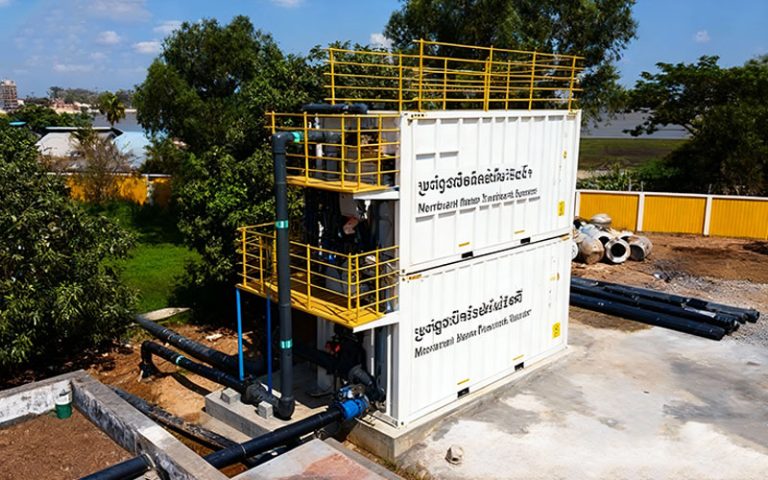
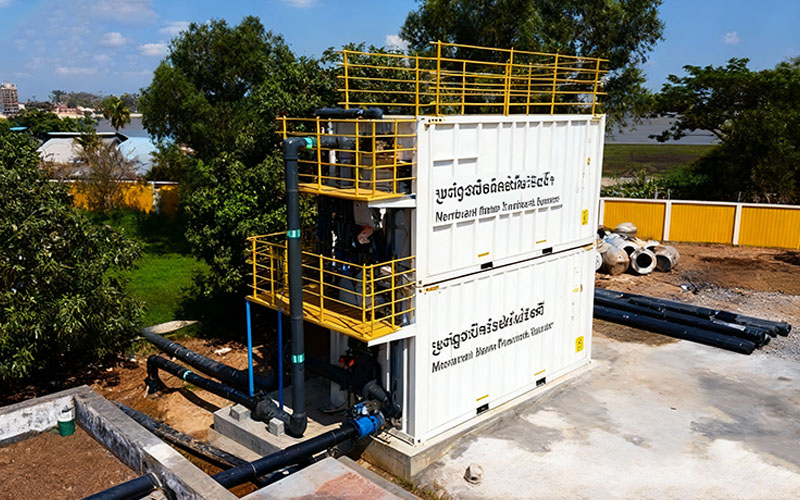
Vertical Modular Expansion Technology offers a clever engineering advancement for sites limited by small ground areas. It shifts from the usual horizontal spreading. Instead, this method employs a practical dual-layer stacked arrangement. By arranging key process elements into coordinated upper and lower sections, a modular water treatment plant can greatly increase its production without needing more land.
For initiatives focused on safe drinking water, this vertical setup simplifies the full purification process—from initial water intake to ultimate disinfection—inside a compact, vertical structure. In contrast to standard expansion techniques, our two-tier modular potable water plant design enables a “build-up” approach on present foundations. As a result, service providers can optimize high-quality water output and improve overall drinking water potability levels, all while preserving a very compact space usage.
Why Should You Prioritize Vertical Scaling Over Traditional Expansion?
In crowded urban settings where land is expensive, opting for upward growth provides various economic and practical advantages:
- Space Solutions: For locations with limited ground like urban centers or industrial areas, upward growth provides the most effective means to boost capacity.
- Sturdier Structure: Through modular vertical stacking, water treatment components connect more closely. This reduces the impact of external conditions, such as severe weather, on essential gear.
- Cost Savings: Initial planning demands more effort, but in the long run, benefits from avoiding extra land purchases outweigh the expenses of compact vertical systems. Therefore, it emerges as the key method to achieve solid returns for any modular potable water plant.
The table below contrasts vertical modular expansion with typical horizontal expansion regarding performance and applications:
| Dimension | Traditional Horizontal Expansion | Vertical Modular Expansion |
| Land Footprint | Occupies significant land | Extremely high space utilization, low footprint |
| Construction Cycle | Long, involving massive infrastructure | Short, modular prefabrication, rapid assembly |
| Capacity Scalability | Limited by site boundaries | Flexible, simply add modules vertically |
| System Integration | Lower, longer distances between equipment | High, optimized shortest-path piping |
How to Plan Your Modular Potable Water Plant for Vertical Growth?
Implementing a vertical modular system requires thoughtful preparation across multiple aspects, including structural durability and water flow dynamics:
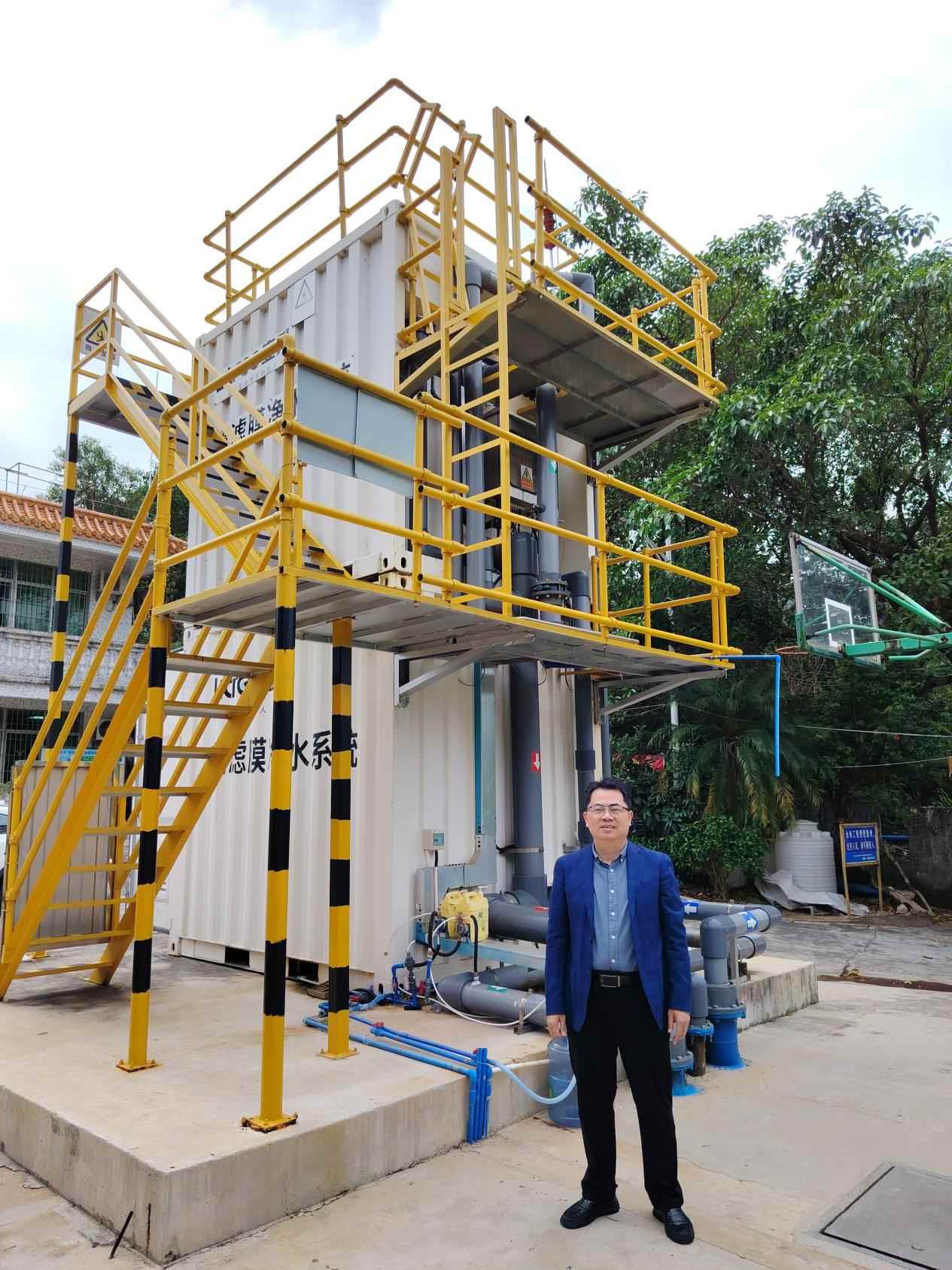
- Structural Durability: In multi-level arrangements, the foundation’s load-bearing capacity demands thorough evaluation. Modern water treatment modules frequently employ lightweight yet resilient steel frameworks to maintain stability during vertical stacking.
- Water Flow Enhancements: In vertical configurations, water movement plays a crucial role. Precise calculations for pressure across levels become essential. These ensure consistent flow between upper and lower sections, which preserves the entire system’s drinking water potability.
- Seamless System Connections: We recommend forming pre-treatment, membrane filtration, and post-treatment units as distinct vertical segments. In this manner, expansion simply involves linking to existing pipelines. Consequently, it minimizes disruptions to ongoing operations.
Long-term Operational Benefits of Vertical Expansion
Adopting this innovative approach not only addresses space constraints but also delivers tangible value to operations:
- Dependable Delivery: With standardized prefabricated components and vertical modular assembly, project timelines adhere more reliably than with conventional construction practices. This reduces overall uncertainties.
- Robust Expansion Potential: As urban water demands increase, this technology enables facilities to enhance output without interrupting service. It demonstrates excellent adaptability for future needs.
- Simpler Maintenance: Despite the vertical layout, intelligent access pathways allow servicing of each individual module as easily as “sliding out a drawer.” This improves daily operational efficiency.
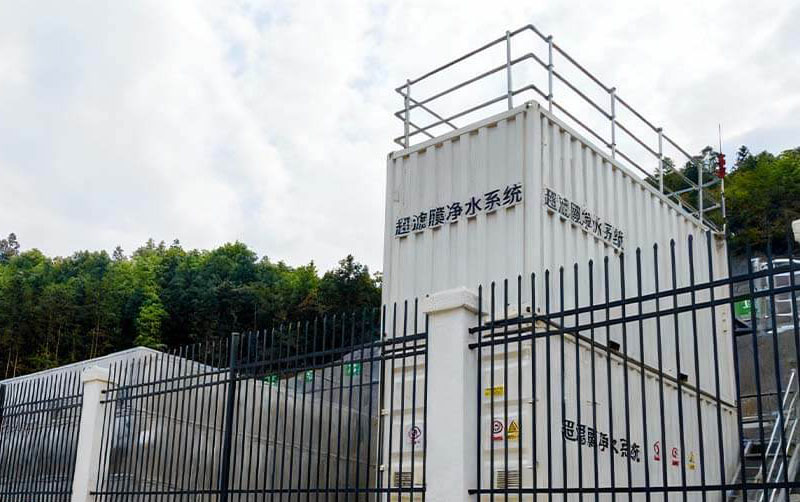
In summary, vertical modular growth goes beyond an engineering success; it proves vital for contemporary water systems facing resource pressures. By combining the strategic principles of a modular smart water plant with vertical space utilization, operators can elevate production while providing enduring water security. As a pioneer in the industry, HOSON Technology continues to advance vertical modular innovations to help clients globally manage water resources effectively.
FAQ
Q: Can a modular water treatment plant expand vertically if ground space is limited?
A: Yes, it can. When dealing with situations that allow “no new land purchase,” a modular water treatment plant can adopt a dual-layer vertical setup. This two-level arrangement permits a substantial rise in capacity by making use of the area above the current site, rather than extending sideways. Through this efficient modular potable water plant structure, managers can successfully raise their processing capabilities within the existing land boundaries, thus navigating tight spatial and location challenges.
Q: How does vertical expansion affect the drinking water potability of the output?
A: The drinking water potability stays secure thanks to separate PLC automated control setups that track the upper and lower levels on their own. Every unit in the modular water treatment plant has its dedicated sensor system for instant feedback, confirming adherence to national water quality guidelines. This detailed monitoring, backed by expert testing tools for discharge quality, makes sure the vertical arrangement does not weaken the safety or cleanliness of the end product.
Q: What are the primary benefits of a two-layer modular potable water plant?
A: The main advantages of a two-layer modular potable water plant cover fast setup, excellent space efficiency, and reduced long-term ownership costs. This ready-made and modular building process cuts down on-site setup time by as much as 70% when compared to older approaches.
Q: Is special infrastructure required for a two-tier modular water treatment plant?
A: Yes, a two-tier modular water treatment plant needs a base built to handle the focused weight from both levels. In the design stage, engineers apply 3D simulations and arrangement improvements to confirm structural soundness and resistance to earthquakes. On top of that, the system includes smart automated functions,safeguarding filtration parts and keeping drinking water potability steady.
Q: How long does it take to deploy a dual-layer modular potable water plant?
A: With the “water plant-in-a-box” idea in place, a dual-layer modular potable water plant can go live in just weeks or months, not years. The modules come together on separate streamlined production lines and pass strict Factory Acceptance Testing (FAT), which covers ongoing reliability checks, prior to delivery. This pre-assembly method ensures the modular water treatment plant operates at peak performance right away, speeding up the path to solid returns on the investment.