

A storm can change your SWRO intake within hours. What matters is the feed your RO elements receive afterward, and the work your team must do to keep it within limits. UF controls suspended matter. RO removes the salt.
What pretreatment must control before SWRO
Start with the RO feed limit that is hardest for your plant to meet. It may involve particles, colloids or biological material that foul the elements; chemistry can create a separate scaling risk. Clear water alone tells you little. Your membrane supplier’s limits for turbidity, SDI, chemistry and temperature are the operating boundary.
Give every design sample its context: collection time, intake condition, tide and any storm or algal event. Without those notes, a low result may describe a quiet day only. Use the variation your intake actually sees to set the design range.
How UF and conventional trains differ
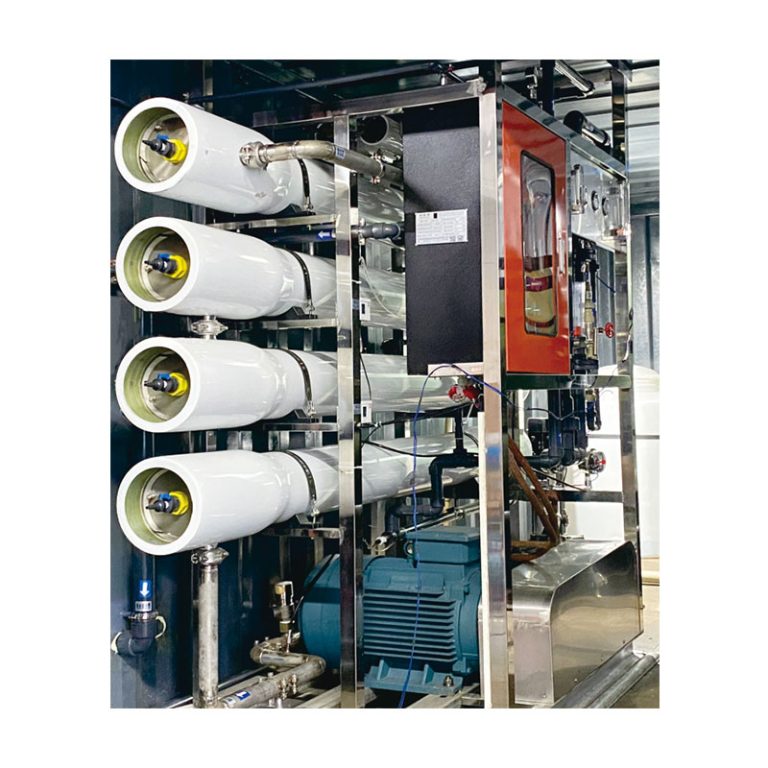
For a conventional train, your designer may place chemical conditioning ahead of a media bed, then use a cartridge filter to protect RO. Operators adjust dose and backwash as the bed loads. The practical question is whether this sequence keeps meeting feed limits when the source changes.
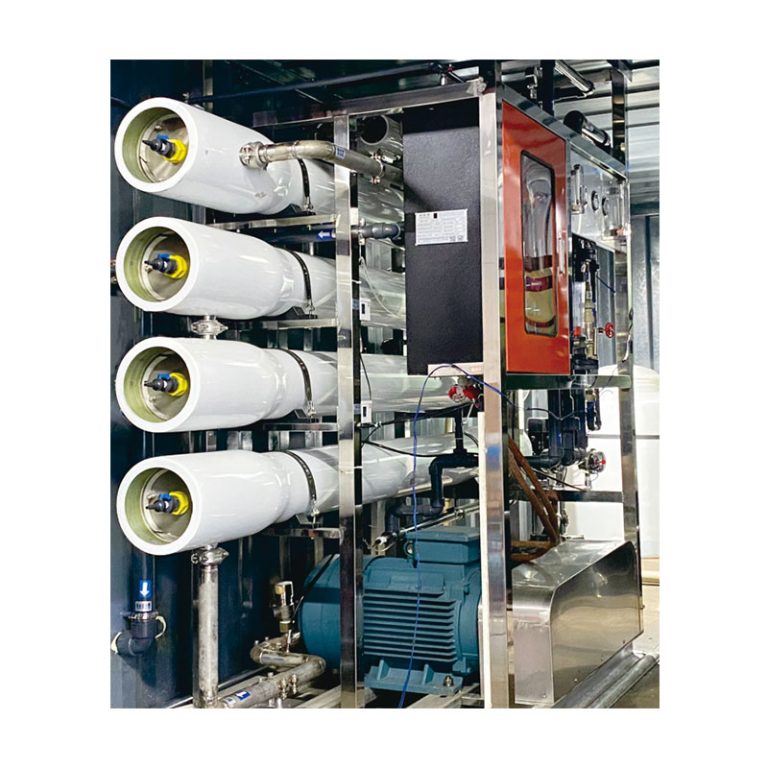
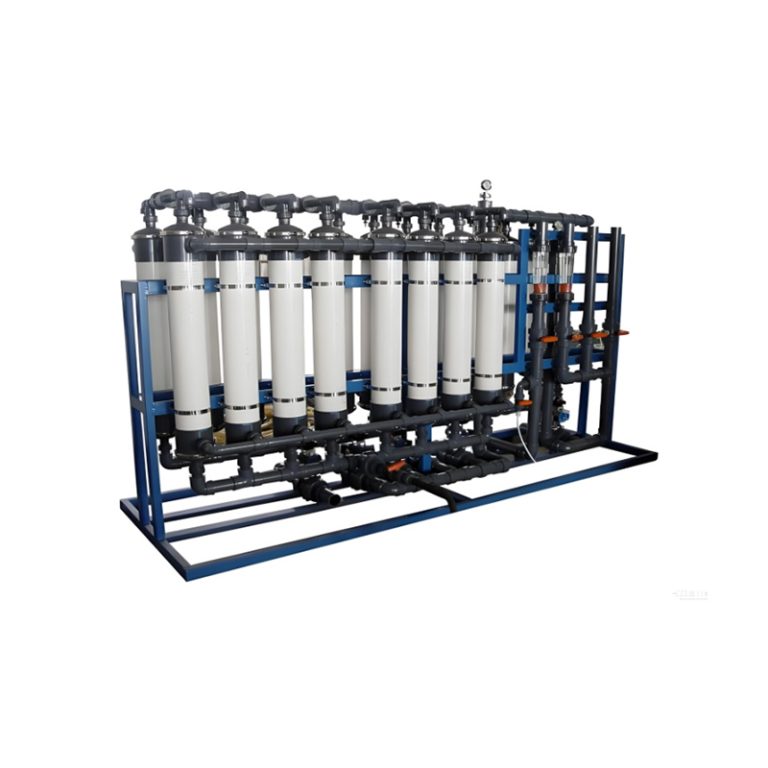
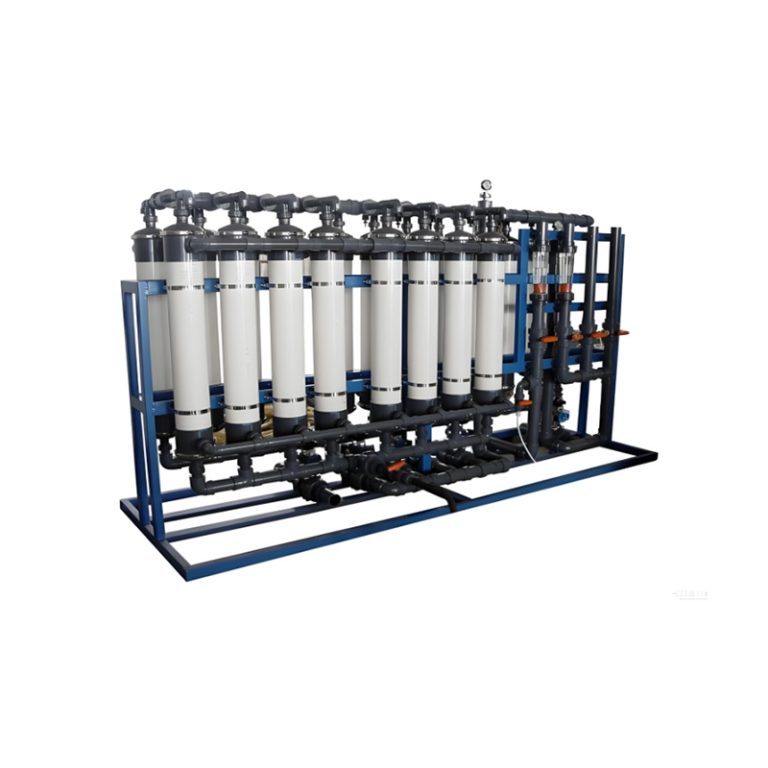
With UF, suspended matter meets a membrane barrier before RO. Dissolved salts pass through; only the RO stage desalinates. Your design still needs coarse and fine screens or self-cleaning strainers ahead of the membranes to keep out seaweed, shells and zooplankton, plus backwash and cleaning arrangements and a way to verify membrane integrity. These are operating requirements, not details for a later phase.
Your operators will read different signals at each barrier. A media bed builds head loss and calls for backwash; a UF unit shows changes in flux or transmembrane pressure and may need cleaning. Set alarm responses against the supplier’s limits, then decide what each alarm does — stop the train, switch to bypass or reduce flow — and where diverted water will go.
When UF is a strong candidate
Consider a UF pilot when intake records connect particle events, such as a turbidity spike or a short period of high solids, to poor RO feed quality or frequent cleaning. Test during a representative event if practical, and include a simulated storm or algal bloom. Plan early for where backwash water and chemical cleaning waste will go, because marine discharge limits are strict.The useful result is whether filtrate meets your limits while the raw water is difficult. A compact layout may help, but it cannot prove treatment performance. Where space is a hard constraint, as on an offshore platform, compactness becomes a real requirement once performance is met.
A UF filtrate sample taken just after backwash is not comparable with one collected at steady flux. Label the operating state. Turbidity and SDI help assess particles; check chemistry and temperature at the RO inlet as well.
Before you compare proposals, set the test: sampling point, method, operating state and acceptable limit. Include the UF outlet and RO inlet. Your commissioning team can then verify the same conditions used in the design.
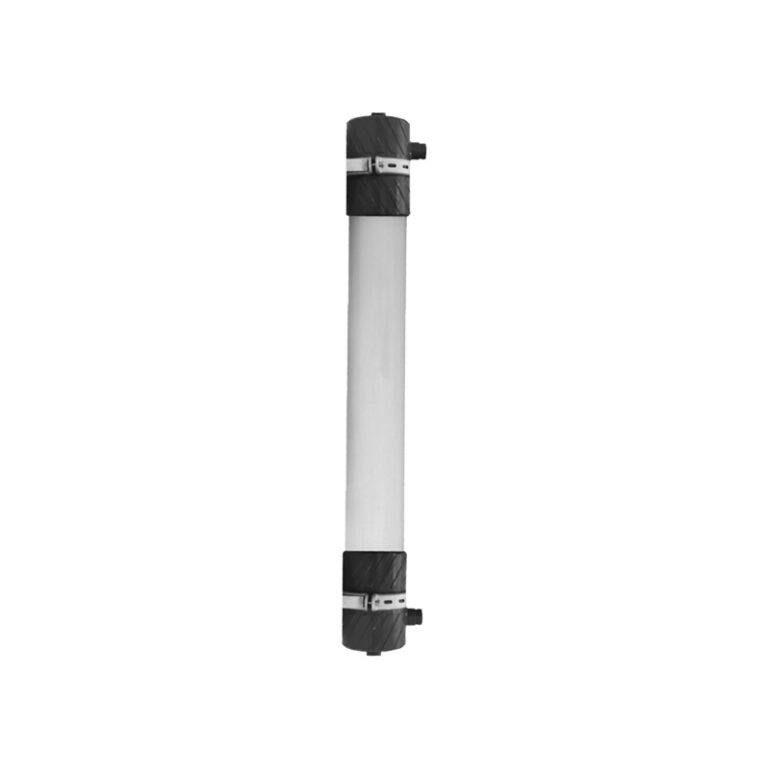
At HOSONWATER, we integrate treatment technologies around feed-water conditions and system duty. We do not treat UF as a default; your intake data should justify it. For the UF barrier, see our hollow fiber ultrafiltration range.
When conventional filtration may be enough
If your media filters protect RO through ordinary and high-load periods, UF may not improve the result. Compare operating records with the design basis. Include chemical use, backwash water, sludge removal, media replacement and operator time; these recur after installation.
A combined train has a case when one barrier leaves a known feed issue unresolved. Coagulation may improve removal of selected colloids before UF; a cartridge filter can catch debris ahead of RO. State the job for each step and how you will verify it. Otherwise the extra equipment is hard to justify.
For a broader seawater equipment range, see our pabrik desalinasi air laut category. Your intake analysis determines the upstream process.
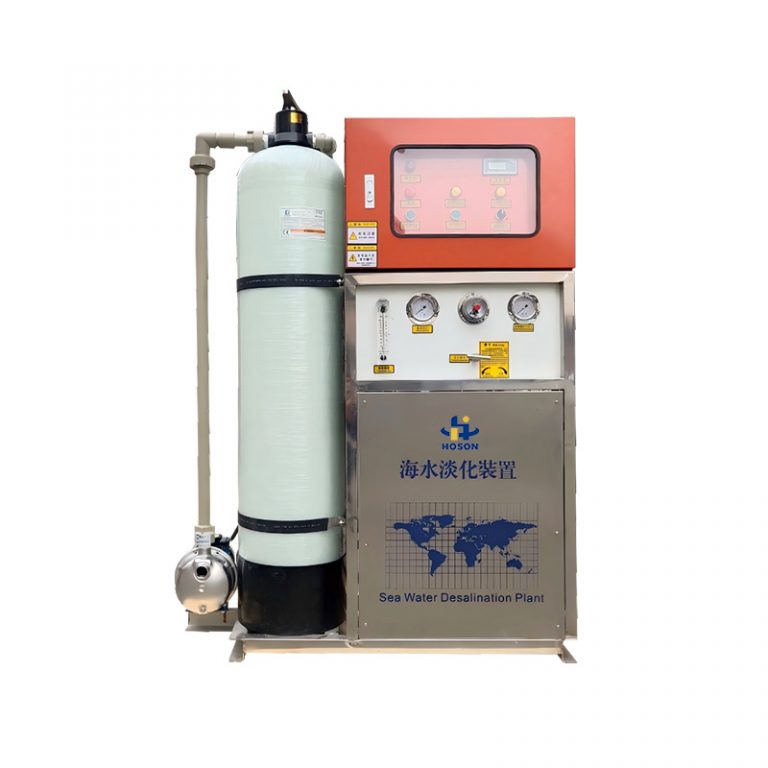
For a compact marine application, the marine reverse osmosis system page provides equipment context. Feed-water conditions and duty still shape your pretreatment design.
Compare the whole operating case
Make two proposals comparable before reviewing price. Use the same raw-water range, product duty and RO feed target. Compare installed scope, chemical use, backwash or reject volume, cleaning and staffing. Mark estimates, pilot results and guarantees; a number without its conditions is not a useful comparison.
An annual average can hide the short events that cause cleaning or shutdowns. Keep the duration and frequency of each excursion with the measurement. A brief solids peak is not the same problem as several days of biological loading. Your process response may differ.
Match pilot measurements to the concern. For particle loading, follow feed and filtrate through a high-load period and a cleaning cycle. Record flux, transmembrane pressure and recovery, then track the RO indicators selected for the project. Agree on pass limits before the first sample. Put unanswered assumptions into commissioning.
Add residual handling to the process comparison. Media backwash, UF backwash, cleaning solution and RO concentrate differ in volume and composition. Check each route and local discharge limits before fixing the design. Include these streams in the water balance beside product water.
If the intake goes beyond tested conditions, agree on the response before handover. Depending on equipment limits, that may involve a sampling trigger, temporary flow adjustment or defined cleaning action. Put the trigger and responsible operator in commissioning documents; an alarm without a response will not protect the RO feed.
A practical selection rule
Let the intake record and RO feed limits decide. A representative trial can show whether UF controls the particle problem you see. If conventional filtration already meets the same limits in difficult periods, UF may add work without adding protection. Compare the same duty, including residual handling and maintenance.
FAQ (Pertanyaan umum)
Does UF remove dissolved salts?
No. UF retains suspended matter; dissolved salts pass through and must be removed by RO.
Can UF replace all conventional seawater pretreatment?
No. Screening, coagulation, pH adjustment, antiscalant dosing or cartridge filtration may still be needed. The intake data and RO feed limits determine the train.
Is UF always better when seawater turbidity changes?
No. Solids type and operating conditions affect UF performance. Test during the intake events that challenge the plant.
What should an SWRO pretreatment pilot measure?
Track feed and filtrate quality, flow, flux, transmembrane pressure and cleaning recovery. Record chemical use, waste and downstream RO indicators against pass limits set before the test.
How should a project compare pretreatment costs?
Compare the same production duty and raw-water range. Include energy, chemicals, backwash, waste, labor, cleaning, replacement parts and downtime linked to RO fouling.