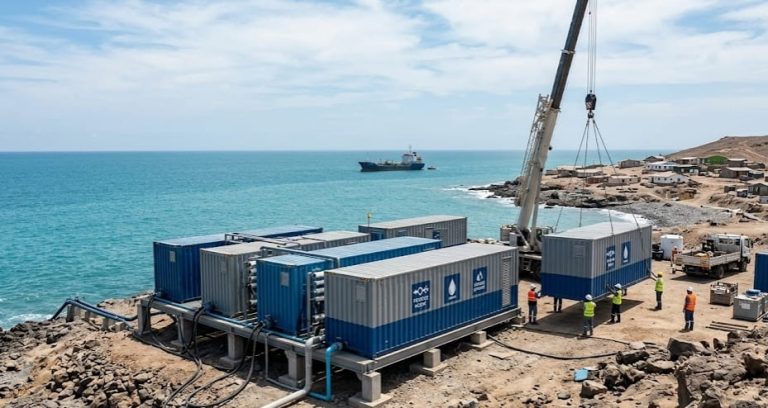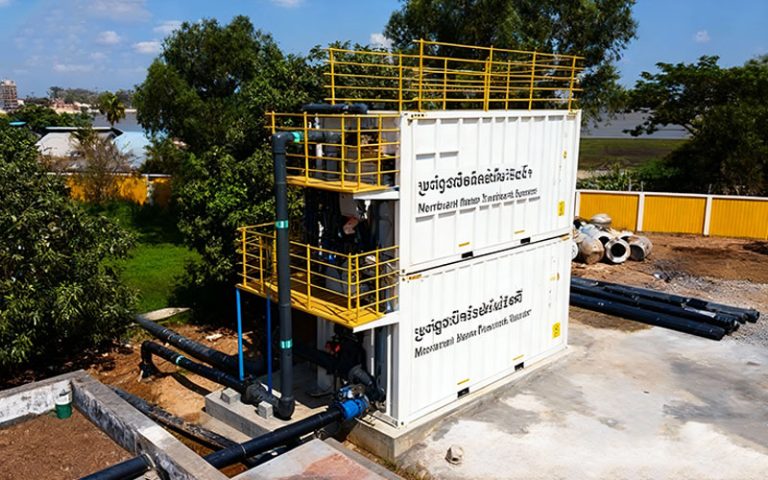

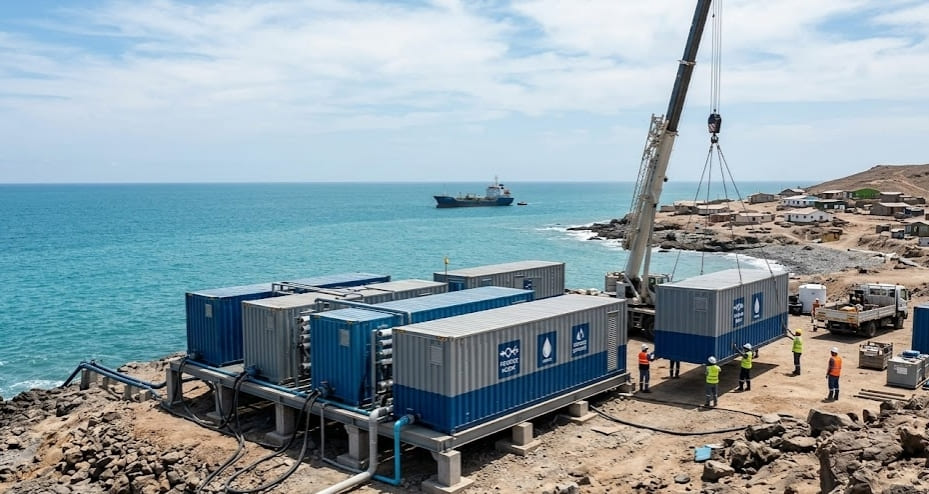
With rising worldwide water shortages, the need for quick, effective, and dependable water cleaning setups has grown immensely. Old-style water processing plants, which usually involve lengthy building periods and huge areas, are gradually giving way to advanced, flexible options. A modular desalination plant brings a fresh method to water safety. It supplies fast, adjustable, and strong water output for isolated islands, factory sites, and seaships. Through using a modular treatment system, groups can shift from drawn-out, money-heavy building efforts to speedy, ready-to-use water resources that yield steady outcomes in tough situations.
What Makes a Modular Desalination Plant Superior for Rapid Deployment?
The main benefit of a modular desalination plant comes from its building idea: the “plug-and-play” style. Fixed-site plants demand lots of on-site building tasks, but these setups are pre-planned, tested in factories, and packed into containers. Thus, this method cuts down the hassle of moving things to the field. It also guarantees that the setup works right away upon arrival at the location.
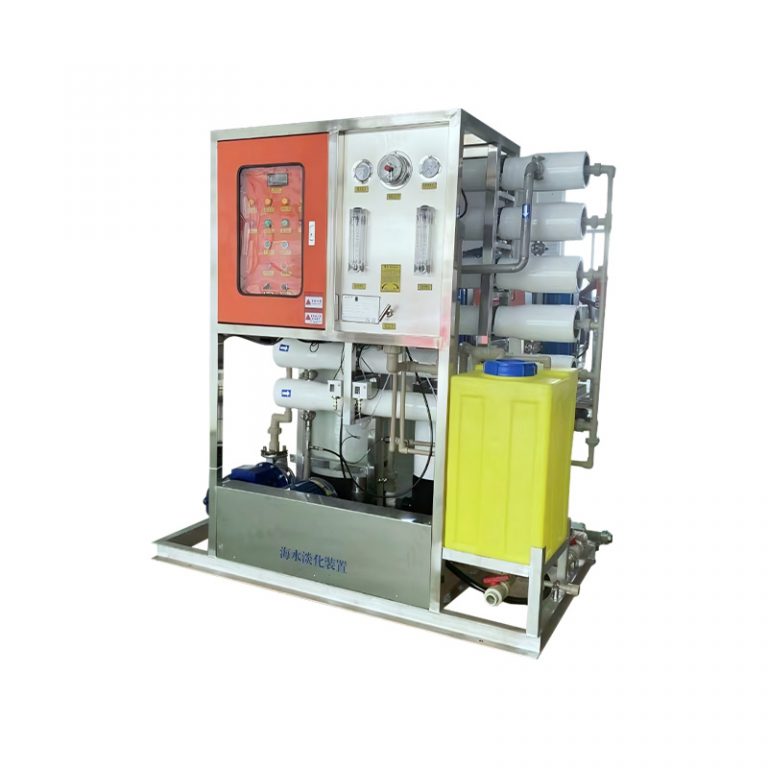
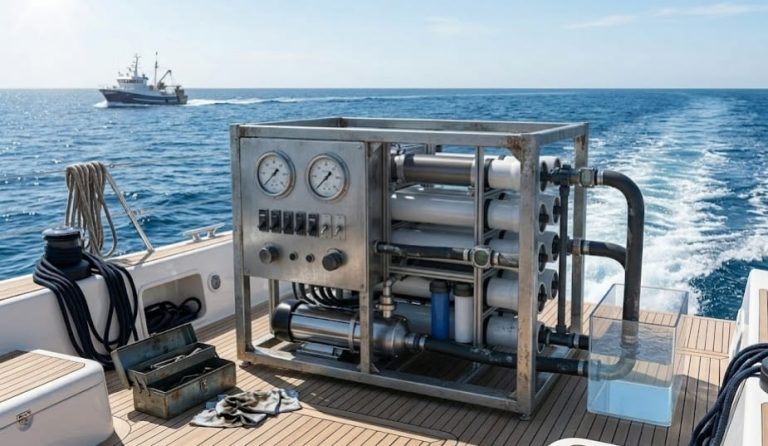
For sea uses, like various desalination units for boats, the flexible layout proves just as groundbreaking. Ships typically face tight deck areas and firm weight limits. A smart modular treatment system boosts area use, combining strong pumps, energy-saving tools, and cutting-edge filters into a small, base-mounted shape. The table below shows the key benefits of flexible setups compared to old-style ones:
| Flexible setups | Old-style | |
| Deployment Time | Days to Weeks | Months to Years |
| Scalability | High (add units as needed) | Low (requires major expansion) |
| Installation Effort | Minimal (Plug-and-play) | High (Extensive site work) |
| Portability | Fully mobile/relocatable | Permanent infrastructure |
Why Are Modular Systems the Best Choice for Remote Operations?
Water needs in far-off places—such as deep-sea oil rigs, study outposts, or in urgent crisis aid—cannot rely on usual methods. A modular treatment system is built to manage harsh weather pressures. As a result, water output stays reliable even as surrounding temperatures shift from 5°C-45°C.
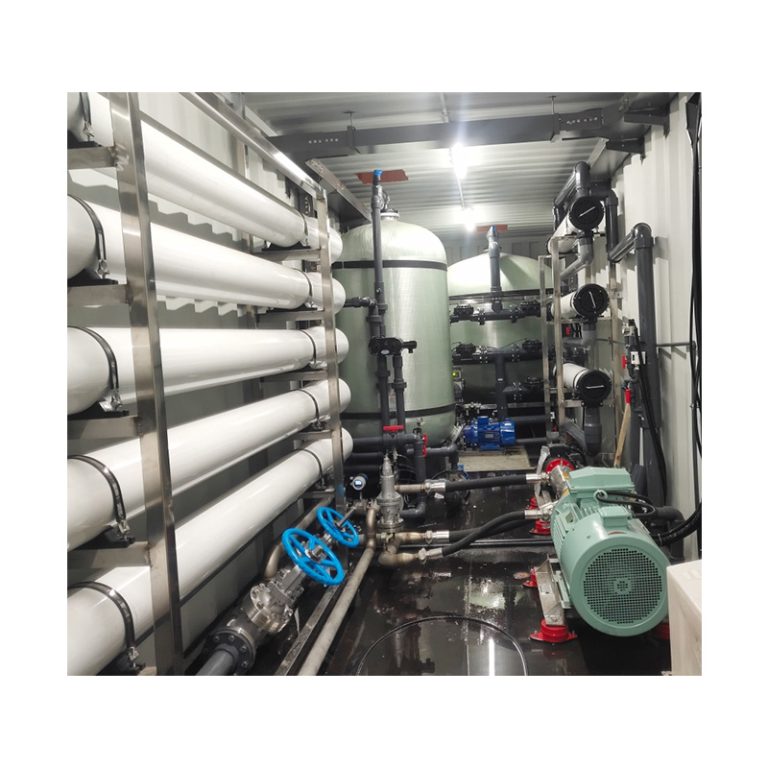
A core power of current units, especially efficient desalination units for boats, is their skill in dealing with high Total Dissolved Solids (TDS) levels. For instance, certain forward-thinking setups can treat input water with as much as 40,000 ppm TDS. At the same time, they keep a salt removal rate above 99.2%. This result stems from careful planning and the addition of top-quality parts—like custom high-pressure pumps and strong RO filters—that fit the exact issues of the place.
How to Select the Right Desalination Units for Boats and Industrial Use?
Picking the proper modular desalination plant calls for a full review of tech needs. Buying ready-made gear is not enough. Instead, one should factor in power supply, input water condition, and output volume.
When checking out possible desalination units for boats or factory plants, think about these vital details:
- Daily Production Capacity: Align the setup’s yield (gauged in Tons Per Day, TPD) with your real daily usage. Flexible setups permit fine adjustments, like choosing a 1.5 TPD unit for a tiny study group or a 320 TPD setup for a big factory site.
- Power Compatibility: Make sure the setup fits your power setup, be it single-phase 220V for modest ships or three-phase setups for factory locations.
- Durability and Compliance: Seek parts made from rust-proof stuff like SUS316 stainless steel. Also, confirm the setup meets global rules (such as drinking water quality norms or sea approvals like CCS).
A skilled service team works like a planner for water fixes. They customize the modular treatment system to match the client’s exact setup. This might include adding early cleaning steps to guard filters from buildup. Or it could mean fitting smart tracking sensors for instant data updates. The aim is to build a smooth, hassle-free running process.
What Are the Critical Success Factors for Rapid Deployment Projects?
Winning results in placing a modular desalination plant that depends on three key elements: tech blending, smart running, and lasting design.
The first element, tech blending, allows for the best choice of parts, no matter the maker. By staying open to all tech, the setup linker can match the top pumps with the most saving filters. Consequently, this creates a tuned modular treatment system that uses less power per ton of water made.
The second element is smart running. Far sites, particularly those using desalination units for boats, often miss local tech help. Setups with auto control rules, far check tools, and easy-to-use screens make sure issues get spotted and fixed early. Thus, they prevent full breakdowns.
The third element is lasting toughness. Since the setup is flexible, it can grow.This way, the money spent now brings worth for many years. It adjusts to new needs rather than growing outdated.
Conclusion
To wrap up, moving to a modular desalination plant is a wise step for any group needing top-quality, steady water output in hard spots. This holds true for small jobs like specialized desalination units for boats or big factory water needs. The flexible way gives unbeatable quickness, adjustability, and money savings. By stressing well-planned parts, adjustable layout, and smart running, groups can lock in their water future. These setups mark a big leap in water tech. They change the tough task of water supply into a steady, easy-to-handle resource.
FAQ
Q: What is the primary advantage of a modular treatment system over traditional setups?
A: The main benefit is quickness and adjustability. Flexible setups get made and checked in a factory setting. This allows for fast placement and instant work. Unlike old plants, they can grow or shrink in size as project needs shift.
Q: Can a modular desalination plant be moved once it is installed?
A: Yes. A key trait of a solid modular desalination plant is its mobility. Since these setups often come in containers or on bases, they can shift to new spots or ships as work demands change. This gives great long-term use for the resource.
Q: Are desalination units for boats capable of meeting drinking water standards?
A: Yes, completely. When built and set up right, these units apply multi-step reverse osmosis cleaning to reach a strong salt removal rate, usually over 99%. This method clears out pollutants and minerals well. In turn, it makes water that meets tough drinking standards fully.
Q: What type of maintenance does a modular water plant require?
A: Upkeep mainly includes regular swaps of early filter parts and watching the filter work. Since flexible setups often have built-in control rules, they send warnings when care is needed. This cuts the chance of surprise stops and keeps water quality steady.
Q: How do I determine which size of modular desalination plant I need?
A: Sizing depends on your daily water need, the salt level in your input water (TDS), and energy on hand. Talk to a focused water fix planner who can check your exact setting and load needs. They will offer a custom setup. For expert planning and tailored fixes, check out the strong water setups from HOSON.