

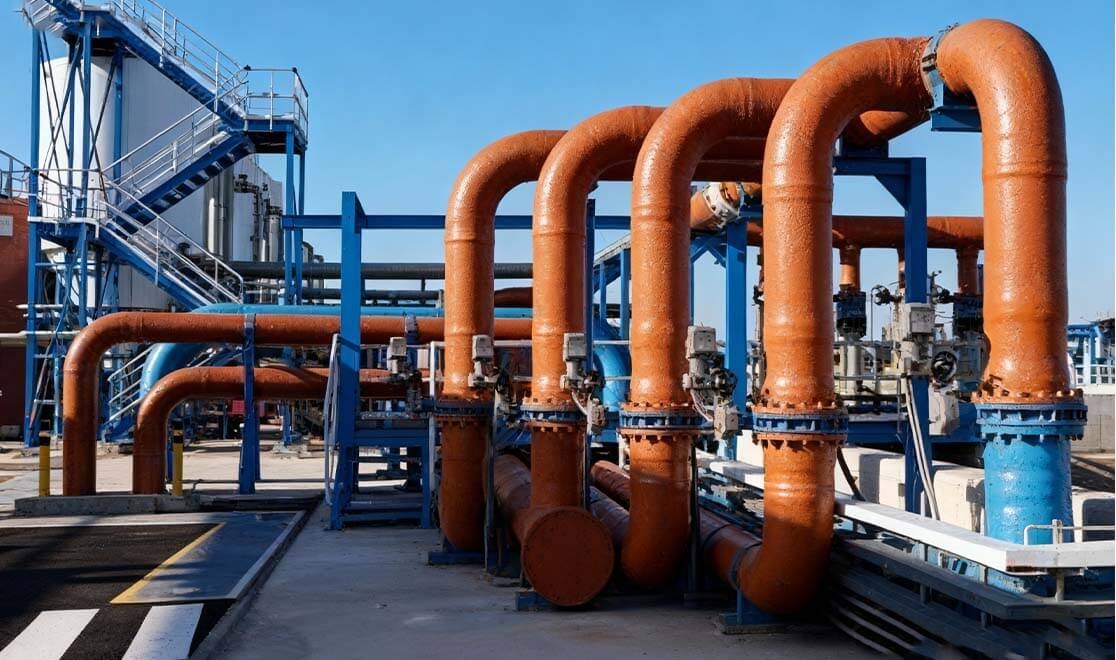
Обзор промышленной очистки сточных вод
Важность очистки сточных вод в промышленных условиях
Очистка сточных вод является неотъемлемой частью устойчивой промышленной деятельности. Он предотвращает ущерб окружающей среде, удаляя вредные загрязнители до высвобождения воды в природные экосистемы.
Кроме того, очищенные сточные воды могут быть повторно использованы в промышленных процессах, таких как охлаждение, очистка или производство. Это снижает потребление пресной воды и эксплуатационные затраты. Удаление опасных химических веществ и патогенов из стоков также защищает здоровье населения и улучшает условия жизни в окружающих общинах.
Ключевые проблемы в области управления промышленными сточными водами
Фабричные сточные воды сильно отличаются по составу, в зависимости от сектора, исходных материалов и этапов производства. Такие различия создают большие препятствия при планировании стабильных настроек лечения.
Кроме того, многие заводские оттоки содержат много ядовитых или трудно разбиваемых материалов.
Созданные на заказ решения для очистки сточных вод помогают решить эти проблемы. Мы действительно считаем, что ни одна работа не совпадает идеально. Особенности водного места, условия работы, денежные планы и цели компании означают, что каждая работа нуждается в адаптированном исправлении.
Первичные методы очистки сточных вод в промышленных услугах
Процессы физического лечения
- Техники скрининга и осадки
Первый этап использует экраны для извлечения больших подвешенных твердых веществ. Затем более тяжелые куски тонут в осаждающих баках. Этот шаг облегчает нагрузку на последующие системы. Он готовит сточные воды для большей обработки. Физическая очистка практически всегда используется в качестве предварительной очистки в промышленных системах сточных вод, независимо от типа промышленности.
- Фильтрационные системы, используемые в промышленности
Фильтры, такие как типы песка, типы мембран и многослойные, помогают удалить крошечные куски и очистить туманность. Эти настройки защищают последующие биологические или химические шаги от блоков или вреда.
Методы химической обработки
- Процессы коагуляции и флоккуляции
Процесс коагуляции и флокуляции включает в себя дозирование химических коагулянтов, таких как сульфат алюминия. Это дестабилизирует суспендированные частицы, позволяя им агрегировать в более крупные флоки, которые могут быть эффективно удалены посредством осадки или фильтрации. Таким образом, это способствует удалению твердых веществ.
- Техники регулирования pH и нейтрализации
Установка уровня кислоты или основания в сточных водах имеет большое значение перед высвобождением или биологической обработкой. Нейтрализация pH останавливает ржавчину или накопление в передаче. Он также отвечает потребностям правила.
Биологические решения для очистки сточных вод
Аэробные биологические процессы
Эти методы полагаются на аэробные микроорганизмы для расщепления органических веществ в сточных водах. Популярные воздушные установки охватывают активированный шлам, капельные фильтры и биобашни. Эти методы хорошо подходят для секторов с высоким биологическим спросом на кислород (БОД), который является основной частью очистки промышленных сточных вод.
Анаеробные биологические методы лечения
Анаеробная обработка позволяет крошечным организмам разрушать органические вещества без воздуха. Создает биогаз в качестве полезного побочного продукта. Этот подход отлично подходит для сильных отходов от переработки продуктов питания или химических заводов.
Передовые технологии очистки сточных вод для промышленного использования
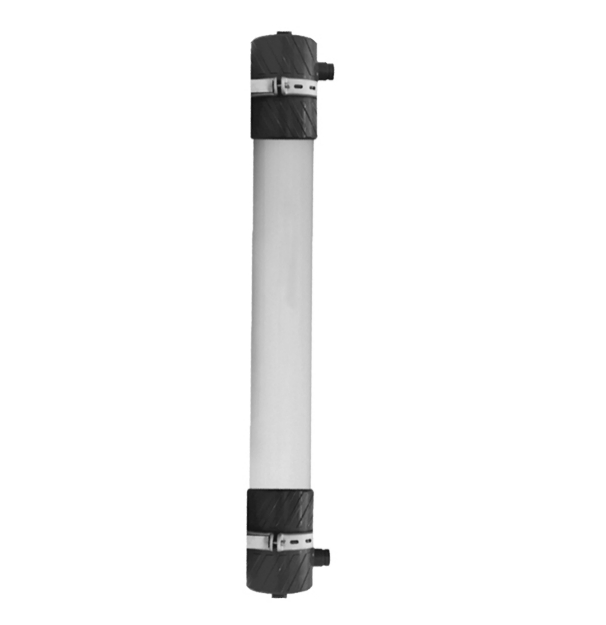
В современных промышленных системах ультрафильтрация (UF) служит критическим барьером для предварительной обработки RO и снижения органической нагрузки. В следующей таблице приводятся ключевые высокопроизводительные модели из технической документации HOSON:
| Серия продуктов | Представительская модель | Эффективная площадь (㎡) | Материал и Ключевые особенности | Основные приложения |
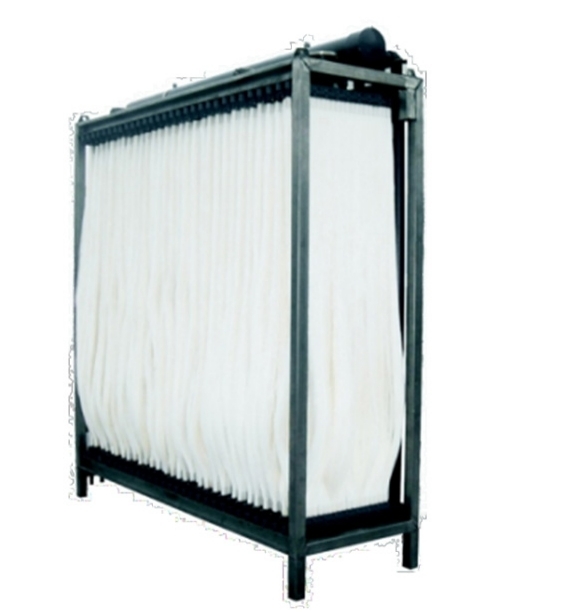
| LJ1 (погруженный) | LJ1E3-2000-ПФ | 31 | высокопрочный PVDF; Размер пор 0,02 мкм | Системы MBR, промышленные парки, высококонцентрированные органические отходы |
| LJ1 (кислоты/щелочи) | LJ1E3-2000-ПМ | 31 | PM материал; Толерантность pH 1-14 | Химические, фармацевтические и галванические сточные воды |
| LH (давление) | LH4-1080-В | 74 | Собственный сплав ПВХ; Точность 0,01 мкм | Обсоление морской воды, безопасная питьевая вода, муниципальное повторное использование |
| LW (давление) | LW2-0980-ПМ | 77 | PM материал; Двухматериальная стратегия | Коррозивные промышленные стоки, предварительная защита RO |
| LGJ1 (модульный) | LGJ1E3-2000×52E | 1612 | Интегрированная стойка из нержавеющей стали; высокой плотности | Большомасштабные муниципальные/промышленные заводы, предварительная обработка ZLD |
Почему мембранная технология необходима
По мере ужесточения стандартов сброса и роста спроса на повторное использование воды мембранные технологии стали необходимыми в очистка промышленных сточных вод. Эти системы обеспечивают высокое качество сточных вод, подходящих для повторного использования или строгих требований к сбросу.
Индивидуальные решения для очистки сточных вод по типу отрасли
Продовольственная и напитковая промышленность
Эти области нуждаются в органическом разрезе нагрузки через воздушные системы, жировых ловушках для разделения масла и ультрафиолетовой очистке для уничтожения микробов.
Химические заводы
Обработка охватывает химическое осаждение для удаления тяжелых металлов, блоки для возвращения растворителей и прочные детали RO для повторного использования воды. Эти компоненты жизненно важны для промышленные системы очистки сточных вод в химических заводах для обеспечения эффективной переработки воды и удаления загрязнителей.
Интеграция очистки сточных вод в промышленные операции
Разработка масштабируемых систем очистки сточных вод
Используя конструкцию в стиле блока, размер водного завода может расти по мере роста потребностей. Действует как складываемые куски. Это защищает ранние расходы и легко справляется с предстоящими сменами. Такой рост имеет значение для расширяющихся секторов с изменением использования воды.
Автоматизация и мониторинг в современных сточных водных установках
Умные заводы HOSON используют датчики IoT для немедленного наблюдения за рН, туманностью, скоростями потока и уровнями химических веществ. Связывание датчиков IoT с облачными инструментами позволяет мгновенно осуществлять удаленные проверки и обзоры качества воды с помощью больших данных.
Стратегии технического обслуживания для долгосрочной эффективности систем сточных вод
Протоколы о рутинной инспекции и обслуживании оборудования
Регулярное обслуживание, такое как стирка мембраны и настройка датчика, поддерживает сильную мощность со временем. Планированная стирка останавливает накопление на мембранах и фильтрах. Настройка датчика поддерживает правильность процесса.
Устранение общих оперативных проблем
- Типичные проблемы, возникающие в промышленных условиях
Обычные проблемы охватывают отек шлама в биосистемах, накопление мембраны от слабой подготовки или слишком много дозировки химических веществ.
- Рекомендуемые решения для поддержания стабильности системы
Регулирование потока воздуха или количества химических веществ из данных проверки помогает стабильно работать. Наша платформа для далеких часов поддерживает заблаговременные планы обслуживания.
Экологические соображения при очистке промышленных сточных вод
Энергия, полученная от пищеварения без воздуха, не только обрабатывает отходы, но и производит биогаз для электроэнергии. Повторное использование очищенной воды в заводских циклах сокращает потребности в пресной воде. Снижение выброса шлама с помощью настроенной биообработки способствует экономии затрат и экологическим целям.
Часто задаваемые вопросы
В: Какой лучший метод очистки сточных вод для текстильной промышленности в Юго-Восточной Азии?
Ответ: Рекомендуется индивидуальное сочетание мембран UF-RO для потенциала повторного использования и систем нейтрализации pH на основе состава стоков, типичного для текстильного сектора.
Вопрос: Может ли HOSON предоставить мобильные установки очистки сточных вод, подходящие для африканских горнодобывающих лагерей?
О: Да. Наша концепция «водоснабжения в коробке» сокращает традиционный цикл строительства водоснабжения до недель или месяцев. Эти модульные блоки идеально подходят для удаленных или временных развертываний, таких как горнодобывающие лагеря.
В: Как обратный осмос помогает промышленности соблюдать правила разряда на Ближнем Востоке?
О: RO удаляет более 99% растворенных солей и тяжелых металлов из сточных вод. Это имеет решающее значение для соблюдения строгих правил сброса солености, распространенных в странах Ближнего Востока.
Вопрос: Подходят ли решения HOSON для районов с колебаниями качества воды, таких как зоны, подверженные наводнениям?
О: Да. Усовершенствованная технология предварительной обработки антизагрязнения UF мембраны используется для легкого преодоления проблем наводнений.
В: Как промышленные сточные воды очищаются и повторно используются на объекте?
Ответ: Очистенная вода обычно повторно используется для охлаждающих башен, процессов очистки или даже в качестве процесса ввода, в зависимости от уровня чистоты, достигнутого с помощью индивидуальных многоступенчатых решений для очистки.