
What Is Industrial Wastewater and Where Does It Originate?
Understanding the Nature of Industrial Wastewater
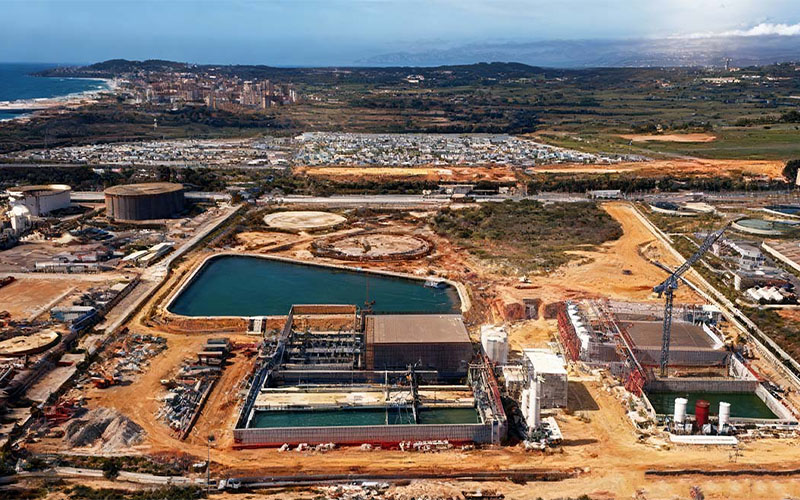
Industrial wastewater emerges as water that experiences quality deterioration because of activities which occur in factories. The wastewater contains different types of contaminants which include chemicals and heavy metals and oils and organic substances and floating debris. The makeup of it can differ a lot based on the type of business it comes from. For instance, waste from a textile factory might carry plenty of colors and added substances, while a drug-making site could release cleaning agents or active biological items.
If not handled well before release into natural waters, industrial wastewater creates major risks to the surroundings and people’s health. Thus, dependable and effective industrial wastewater treatment systems play a key role in cutting down these dangers. Solution integrators such as HOSON Technology transform world-leading water treatment components into customized, deployable systems that combine ultrafiltration (UF), reverse osmosis (RO), energy recovery and intelligent control to match different industrial wastewater profiles.
Common Sources of Industrial Wastewater
Several main business areas produce large amounts of dirty wastewater:
- Manufacturing facilitieslike those in textiles, chemicals, and pharmaceuticals let out different pollutants during steps such as processing, coloring, mixing, or washing.
- Food and beverage processing plantscreate waste full of organics, which can cause high biological oxygen demand (BOD) in nearby waters.
- Mining and metal processinggive off heavy metals and sour waste that might pollute land and underground water.
- Power generation plantsadd heat pollution plus leftover chemicals from cooling and heating tasks.
In summary, industrial wastewater is a major environmental concern, with various sectors contributing significantly to water pollution. Proper treatment and management are essential to mitigate these impacts on the environment.
Why Industrial Wastewater Treatment Systems Are Essential
Environmental Impacts of Untreated Industrial Wastewater
When factories release untreated industrial wastewater into nature, the results can be severe. Without effective waste water industrial solutions, aquatic life faces low oxygen levels caused by organic wastes. Harmful materials can seep into underground water, rendering it unfit for drinking or crop watering. Over time, buildup of dangerous elements threatens wildlife variety and human well-being.
Regulatory Requirements for Wastewater Treatment
Around the world, governments apply tough rules on environmental safety to manage factory waste release. Businesses must hit certain limits for factors like COD, BOD, pH, heavy metals, and floating solids. Breaking these rules can lead to court cases, money fines, or even business closures.
How Industrial Wastewater Treatment Systems Work
Key Components of an Industrial Wastewater Treatment Plant
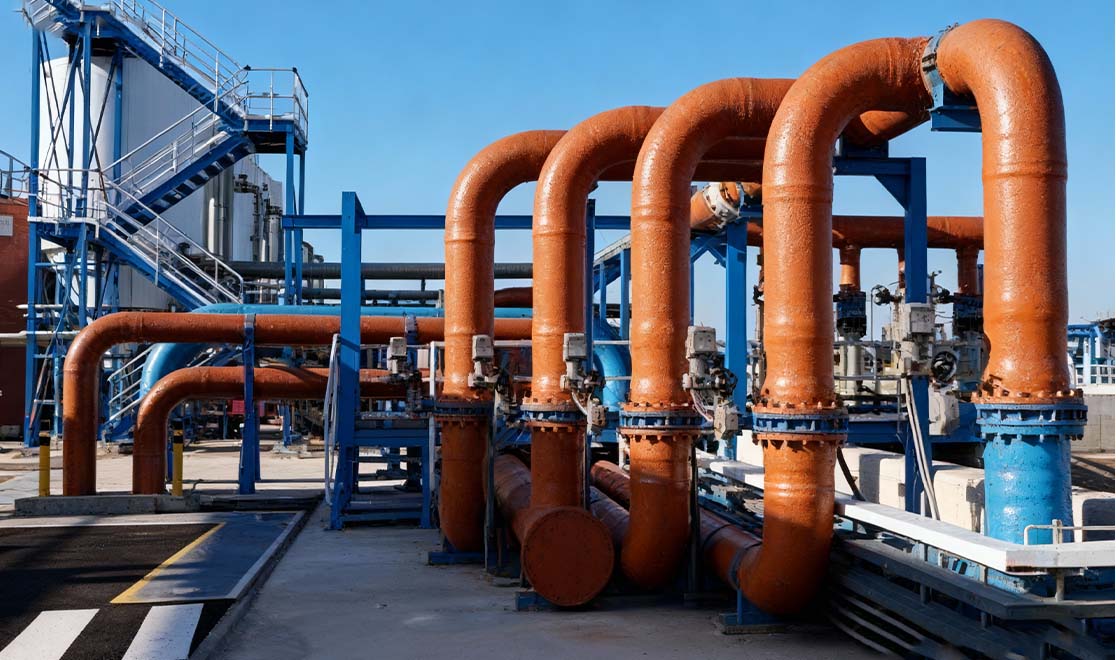
A strong industrial wastewater treatment plant often features several steps. Preliminary treatment clears big solids with mesh setups and sand traps. Primary treatment uses settling pools where floating solids drop to the base. Secondary treatment applies living processes, either with air or without, to break apart organic stuff. Tertiary treatment tackles leftover issues like extra nutrients or germs through filtering, cleaning, or chemical finishing.
The Role of Monitoring and Automation in Treatment Plants
Today’s industrial wastewater treatment technologies depend a lot on smart management setups. Live sensors check vital water traits like pH, BOD, COD, and cloudiness. Automation handles exact addition of chemicals and system tweaks.
What Technologies Are Used in Industrial Wastewater Treatment?
Physical Treatment Technologies for Initial Processing
Basic physical methods act as the main shield against solid wastes. Main ways include screening, which pulls out big trash to guard later gear. Sedimentation lets weight pull down denser bits. Filtration with sand setups or thin barriers removes tiny grains.
Every working part, like a starting clean module, barrier filter module, or command module, gets built and checked on its own simple assembly line.
Chemical Treatment Methods for Contaminant Removal
Chemical ways help balance or take out mixed-in pollutants. Coagulation and flocculation group small bits into bigger lumps for simple removal. pH adjustment fixes sour or basic flows with acids or bases. Oxidation using chlorine or ozone tears apart risky organic items.
Biological Processes for Organic Load Reduction
Living treatments prove vital for breaking down organic wastes. Activated sludge systems employ air-loving bacteria in bubbled tanks to eat organic matter. Anaerobic digestion fits strong wastes from food businesses by making gas fuel as a side product. Biofilm reactors (MBBR) boost germ action via attached surfaces.
The cleaned water can reach top standards for safe drinking in places like hotels and eateries.
Advanced Technologies Enhancing Treatment Efficiency
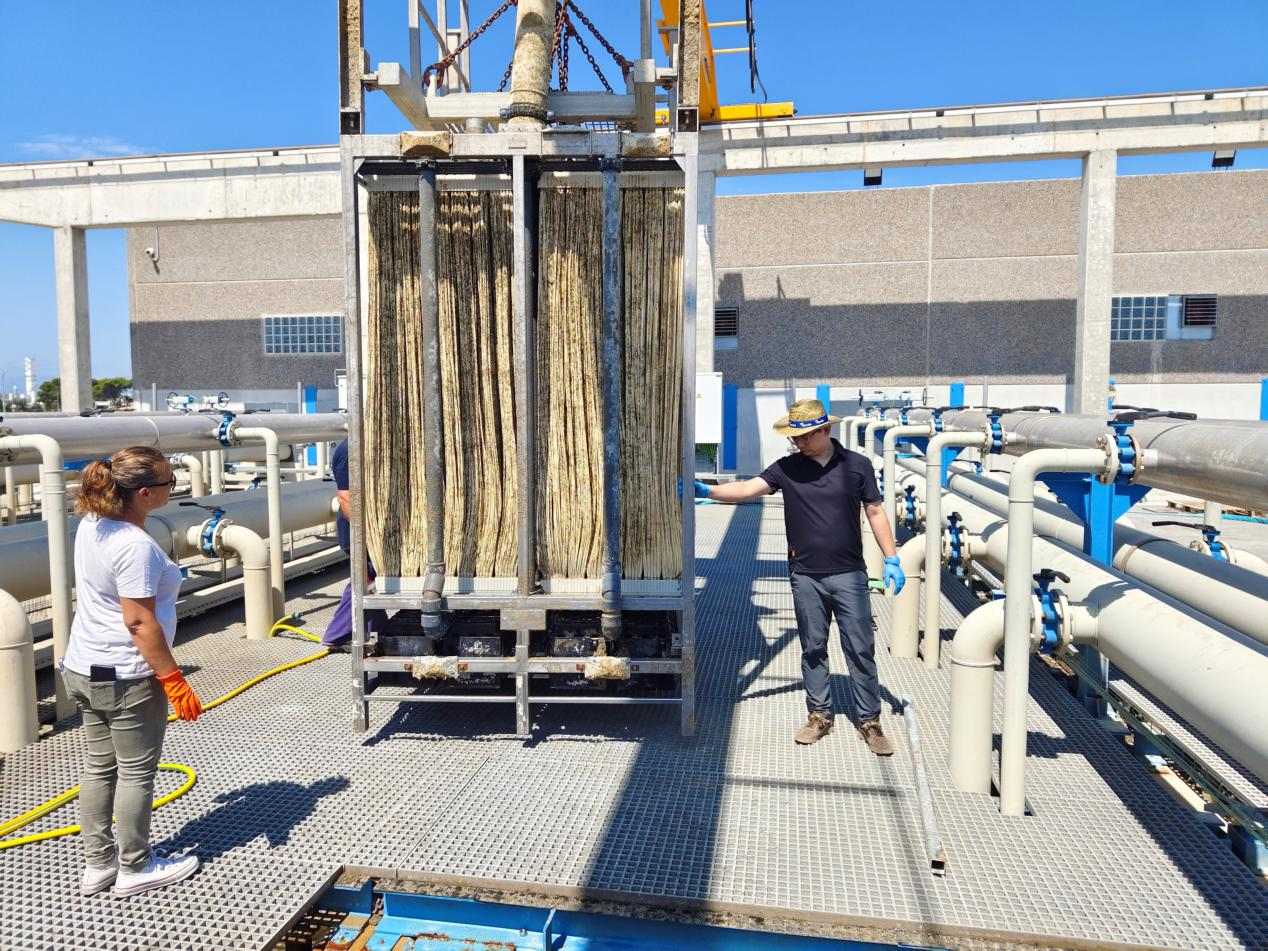
New industrial wastewater treatment technologies offer better results. advanced solutions such as ultrafiltration (UF) and reverse osmosis (RO) to effectively handle wastewater. These technologies combine membrane filtration with efficient energy recovery systems to ensure high-quality waste treatment. Modular designs and intelligent controls enhance flexibility and energy optimization, offering a comprehensive approach that reduces operating costs and ensures sustainable water management. Zero Liquid Discharge (ZLD) systems are also utilized to recover valuable water and eliminate waste.
How Industries Choose the Right Wastewater Treatment System
Factors Influencing System Design and Selection
Picking the best industrial wastewater treatment plant means weighing several points. Consider the kind and amount of waste water made. Look at goals for clean levels based on local rules or reuse aims. Think about room for setup. Also, factor in money limits and skill levels available.
Customizing Solutions Based on Industry Needs
Sectors gain from made-to-fit answers for their exact wastes. Textile factories might require special color-clearing tools like activated carbon or ozonation. Petrochemical sites often need good oil-water split units before living steps. Electronics makers call for heavy metal clearing via ion swap or settling processes.
The Broader Benefits of Effective Industrial Wastewater Treatment Systems
Supporting Water Reuse and Resource Recovery
Well-handled industrial wastewater can go back into use for cooling setups, washing tasks, or plant watering. On top of that, without-air breakdown can create gas fuel from organic wastes.
Gathering useful extras like gas from without-air breakdown cuts down waste.
Enhancing Corporate Sustainability Goals
Putting in place strong industrial wastewater treatment technologies aids company duties to the environment. At the same time, it drops long-run costs via water looping and power saving.
Improving Public Perception and Community Relations
By lowering pollution chances and guarding local water supplies, firms improve their community image.These firms also reduce potential conflicts with nearby groups over shared resources.
HOSON Technology delivers complete wastewater treatment solutions which address specific requirements of various industrial sectors. The solutions implement modern ultrafiltration (UF) and reverse osmosis (RO) technologies which operate effectively in different environmental settings including industrial coastal areas and distant settlements and tourist destinations. As a trusted industrial RO plant manufacturer, we delivers sustainable water solutions which enable businesses to obtain clean water while lowering their operational expenses and creating minimal harm to the environment.
FAQ
Q: What are industrial wastewater treatment systems?
A: Industrial wastewater treatment systems are built setups meant to clear pollutants from water used in factory tasks before it’s let into nature or used again in work.
Q: How do industries choose the right treatment technology?
A: Sectors pick technologies by looking at waste type, amount, room options, release rules, and reuse plans. Made-to-order gear makes sure of best work in exact place setups.
Q: What is Zero Liquid Discharge (ZLD) in industrial wastewater treatment?
A: ZLD stands as a high-level way that ends all liquid waste by pulling usable water and turning rest to solids. It’s very helpful in dry spots like Southeast Asia and the Middle East.
Q: Can treated industrial wastewater be reused?
A: Yes. Cleaned water can go back into non-drinking uses such as crop watering, washing tasks, or cooling setups. This helps cut total water use.
Q: Are there compact solutions for small industries or remote areas?
A: Yes. HOSON Technology provides modular smart water plants with small space needs. These fit well for far-off spots or tight areas seen often in Southeast Asia and Africa.