霍松
霍松

新闻

如何在大规模城市水净化中实现节能

管理员ajax

霍松

如何在大规模城市水净化中实现节能

The increasing global demand for safe drinking water goes hand in hand with climbing energy expenses. As a result, this situation demands that urban areas improve their 城市污水处理 and water management processes. Securing energy reductions in municipal water purification has become more than just an optional aim; it stands as an essential element for ongoing sustainable practices. Cities can substantially reduce their Specific Energy Consumption (SEC) by combining efficient membrane technology with a Modular Smart Water Plant design and digital monitoring, all while upholding rigorous safety protocols.

WhySpecific Energy Consumption Defines the Future of Municipal Water Filtration Systems

In large-scale operations, the success of municipal water filtration systems is measured by the kWh consumed per cubic meter (kWh/m³) of purified water. High SEC is typically caused by hydraulic friction, inefficient pumping, and low recovery rates. While the energy required to overcome osmotic pressure in seawater reverse osmosis (SWRO) is a physical fact, energy lost due to poor system design can be eliminated.

A high-performance system for municipal water filtration prioritizes the System Recovery Rate. Maximizing this rate ensures that every kWh spent produces the highest possible volume of clean water, shifting the focus from traditional construction to an optimized “Solution Architecture.”

The Role of Advanced Membrane Technology in Energy-Conscious Municipal Water Filtration

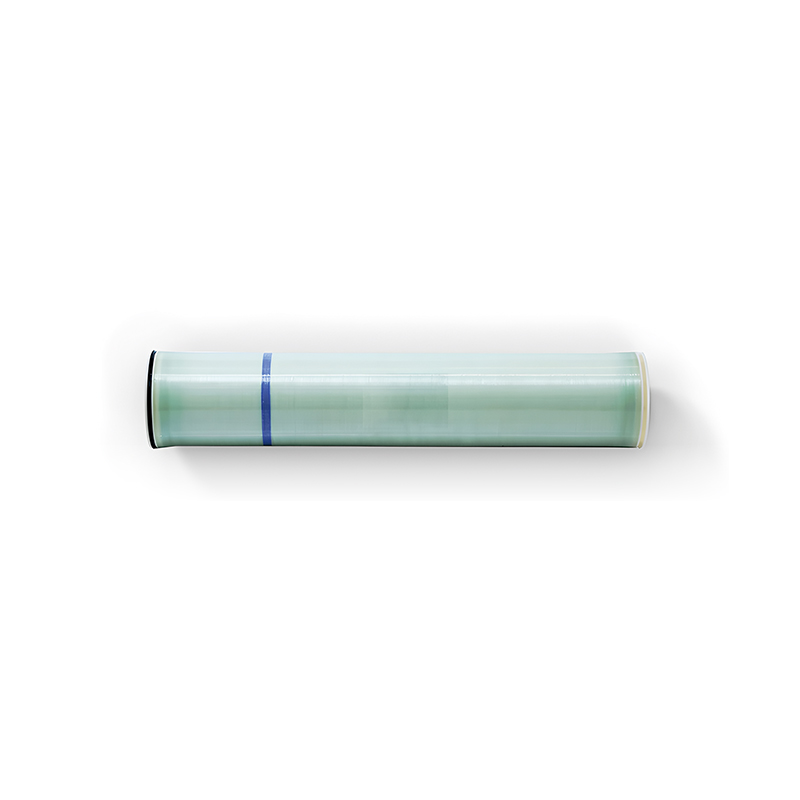
The membrane elements are the heart of any modern municipal water purification site. Selecting the correct material is the first step in reducing the power load on high-pressure pumps. Low-pressure and high-flux membranes allow systems to operate at significantly lower feed pressures without compromising water quality.

municipal water purification

膜系列初步应用关键技术特征Energy Impact
LRLP系列Low-Pressure ROEnhanced hydraulic permeabilityReduces pump head requirements
LRULP系列Ultra-Low Pressure ROHigh-flux surface chemistryMinimizes kWh consumption in low-TDS feeds
LRFR系列Fouling ResistantSpecialized protective layerMaintains stable TMP, preventing energy spikes
LRSW SeriesSeawater DesalinationOptimized salt rejection/fluxBalances recovery with energy demand

By utilizing LRFR (Fouling Resistant) technology, the municipal water filtration process remains stable over thousands of operational hours. This prevents the gradual rise in SEC by maintaining a stable Transmembrane Pressure (TMP) and reducing the frequency of energy-intensive chemical cleanings.

How Modular Architecture Optimizes Hydraulic Efficiency in Municipal Water Purification

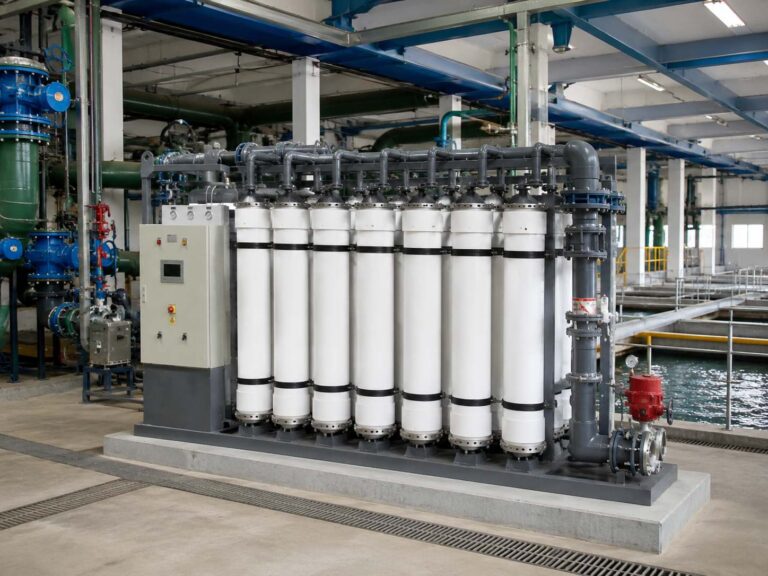
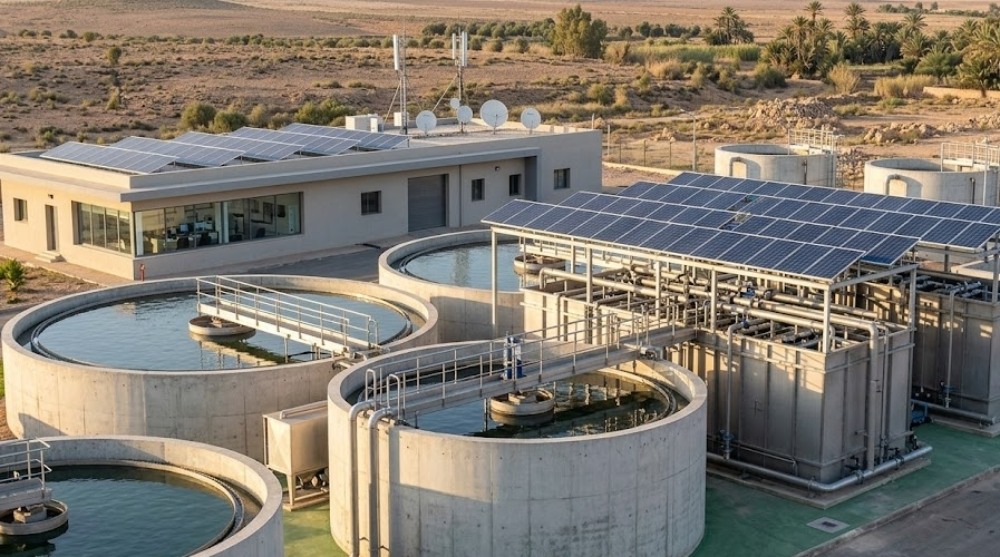
Traditional water sites are often oversized, leading to hydraulic losses. In contrast, a Modular Smart Water Plant offers a streamlined, compact layout where every valve and pipe joint is optimized for minimal drag.

  • Reduced Pipe Friction:Compact modular designs shorten travel distances, minimizing the pressure drop across the system.
  • Scalable Capacity:Municipalities can activate treatment trains only as needed, ensuring pumps operate at peak efficiency points.
  • Factory-Tested Performance:Systems are pre-commissioned in controlled environments, ensuring the energy baseline matches field performance.
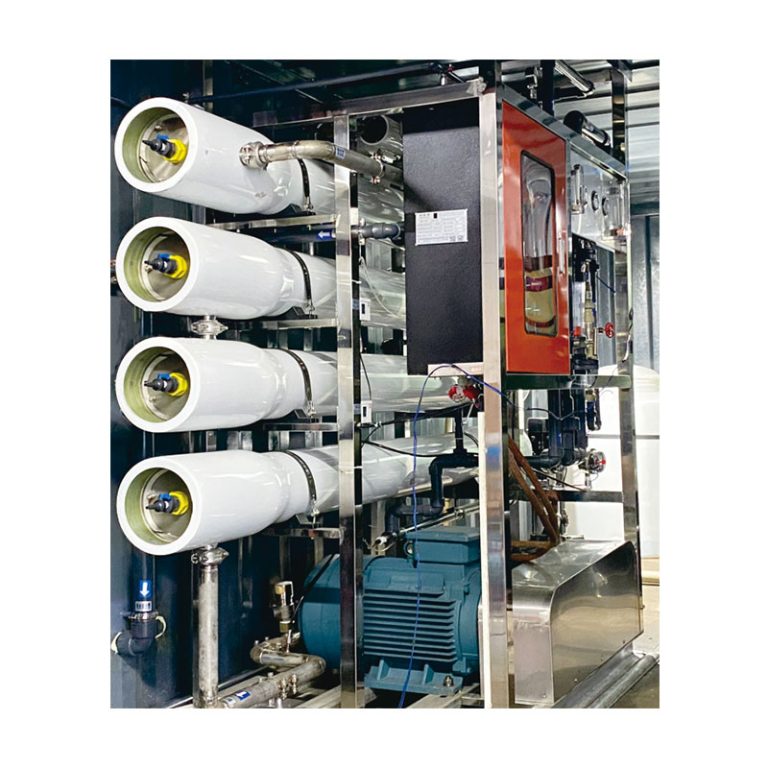
  • 快速部署:Deploying systems in 20ft or 40ft containers eliminates the high energy intensity and material waste associated with large-scale on-site construction.

The Impact of Intelligent Control on Municipal Water Filtration Systems

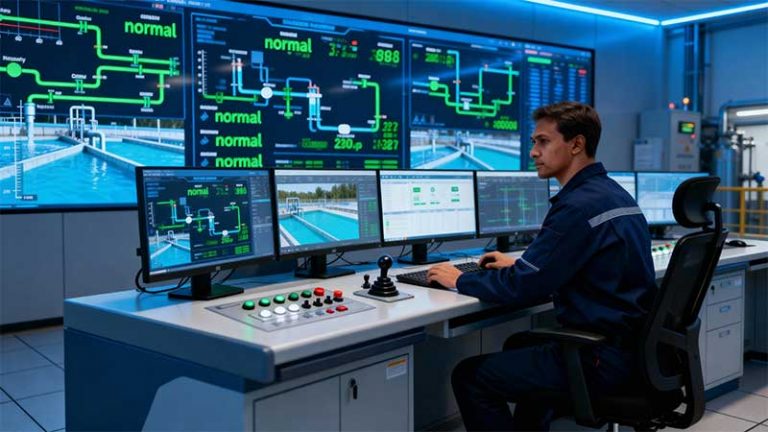
Digital integration is the final key to power savings. An Intelligent Monitoring & Remote O&M Platform acts as the central control hub, using PLC links to adjust motor speeds via Variable Frequencymunicipal water filtration systems Drives (VFDs) to match real-time flow demand. This prevents the energy waste associated with throttling valves and ensures the plant maintains an optimal System Recovery Rate even during feed water fluctuations.


How HOSON Integrates Technologies for Urban Success

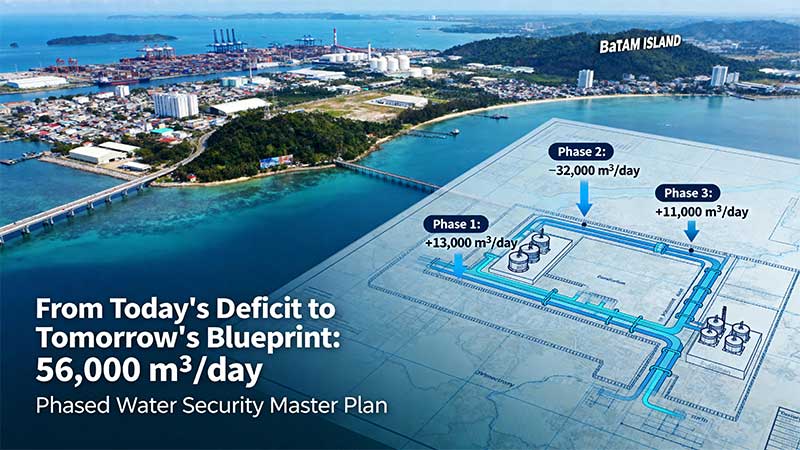
HOSON acts as a solution architect, selecting premium membranes and pumps to fit specific water temperature and feed conditions. In a recent project requiring an 11,000 m³/day system, we deployed a Modular Smart Water Plant with high-flux membranes. This provided a reliable water supply in a region where traditional construction was not feasible due to budget constraints. By aiming for predictable delivery, the system is set to operate within a clearly defined energy range from the start.

Conclusion: Navigating the Future of Sustainable Municipal Water Treatment

Achieving peak energy efficiency in municipal water purification is a comprehensive and holistic endeavor that transcends simple hardware upgrades. It demands a visionary integration of advanced low-pressure membrane technologies, scalable modular infrastructure, and sophisticated digital tuning. By merging these elements, cities can transform traditional plants into agile, data-driven ecosystems capable of meeting fluctuating urban demands with surgical precision.

In this strategic framework, the meticulous monitoring of the System Recovery Rate and the aggressive minimization of specific energy consumption (measured in kWh/m³) serve as the ultimate benchmarks for success. This dual focus does more than just balance the books; it creates a resilient operational model that shields municipal budgets from rising energy costs while drastically lowering the carbon footprint of essential services.

Ultimately, the transition toward high-efficiency water treatment represents a vital commitment to environmental stewardship. By embracing technological innovation and refined operational intelligence, modern cities can safeguard their precious liquid assets, ensuring that the pursuit of clean water harmonizes perfectly with the global imperative for a sustainable, low-carbon future.

常见问题解答

Q: How does HOSON improve the energy efficiency of municipal water purification?

A. We integrate low-pressure membranes and VFDs into a Modular Smart Water Plant setup. This reduces hydraulic friction and ensures the plant operates at the lowest possible kWh/m³for the given input water makeup.

Q: Why are modular municipal water filtration systems better for remote regions?

A. These containerized systems are factory-tested to ensure performance. For remote locations, this eliminates the energy intensity and carbon footprint of traditional large-scale construction. Remote monitoring also allows experts to optimize power parameters from afar.

Q: What is the ideal recovery rate for municipal water filtration?

A. While the rate varies by feed water state, our goal is to maximize the ratio of clean water output within technical limits. High-flux membranes allow for a higher recovery rate, ensuring the maximum volume of drinking water is produced per kWh used.

Q: Can HOSON membranes handle high-fouling municipal sources without wasting energy?

A. Yes. Our LRFR (Fouling Resistant) membranes are built to handle challenging municipal sources. They maintain stable Transmembrane Pressure (TMP) longer than standard membranes, preventing the energy spikes and frequent downtime caused by fouling.

Q: How does remote monitoring save power in municipal water purification plants?

A. Our platform monitors power use in real-time and adjusts pump speeds to match demand. No kWh is lost during low-demand periods or temperature shifts. This keeps the plant at optimal efficiency levels, ensuring a reliable supply with significant green benefits.


分类

目录

    相关新闻

    反渗透技术如何使沿海城市的海水可饮用
    反渗透技术如何使沿海城市的海水可饮用
    如何在大规模城市水净化中实现节能
    如何在大规模城市水净化中实现节能
    地表水处理系统如何消除农村地区的季节性藻类气味
    地表水处理系统如何消除农村地区的季节性藻类气味?

    常见问题解答

    欢迎来到浩森科技

    欢迎来到合盛科技。面对全球水危机,和盛科技正在利用膜技术彻底改变所有行业的水净化。秉承“深切的同情,让技术受益,”我们致力于掌握水资源利用的关键技术,为工业文明和人类生存建设可持续的水生态系统。

    欢迎来到合盛科技。面对全球水危机,和盛科技正在利用膜技术彻底改变所有行业的水净化。秉承“深切的同情,让技术受益,”我们致力于掌握水资源利用的关键技术,为工业文明和人类生存建设可持续的水生态系统。

    欢迎来到合盛科技。面对全球水危机,和盛科技正在利用膜技术彻底改变所有行业的水净化。秉承“深切的同情,让技术受益,”我们致力于掌握水资源利用的关键技术,为工业文明和人类生存建设可持续的水生态系统。

    相关产品

    立即联系我们的OEM/ODM专家

    立即联系我们的OEM/ODM专家

    告诉我们您的初步想法,我们将在一个工作日内提供初步的可行性分析和建议。