霍松
霍松

新闻

Why is installing a Water Desalination System for Boats a Smart Investment for 2026?

admin-ajax

霍松


Why is installing a Water Desalination System for Boats a Smart Investment for 2026

The worldwide maritime scene faces a major change as 2026 draws near. Vessel operators in Southeast Asia, the Middle East, and Africa find the old habit of using shore-based water supplies turning into a practical problem. Docking costs keep going up. Municipal water quality varies a lot. The task of moving heavy tanks of fresh water adds extra hassle. These issues push toward self-reliant operations on board. Adding a solid water desalination system for boats moves past being just for fancy yachts. It turns into a key step for any business or leisure ship that wants lasting strength and money savings over time.

Technical Logic Behind Modern Sea Water Reverse Osmosis

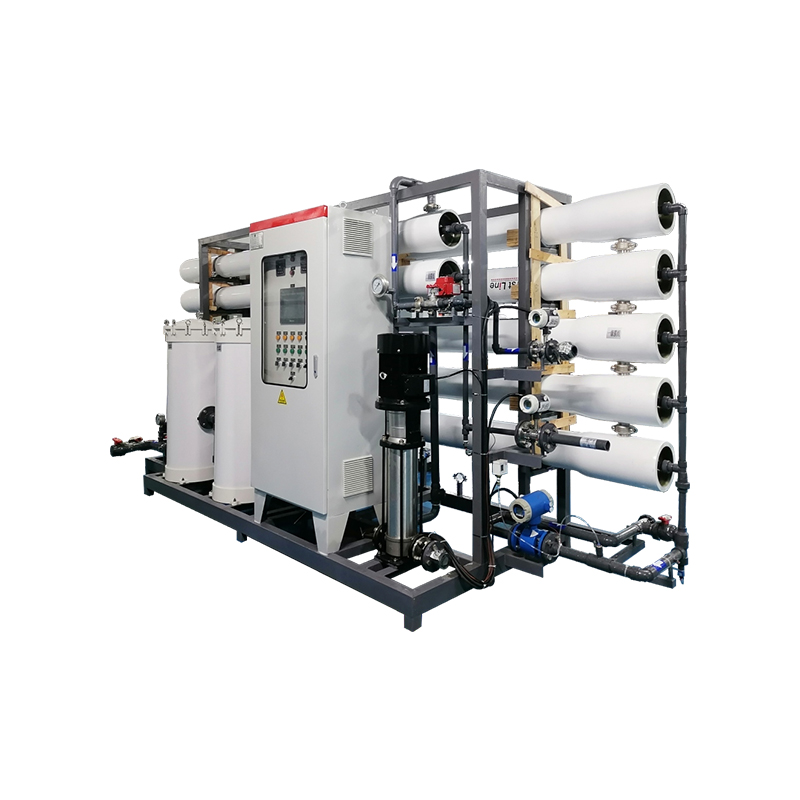
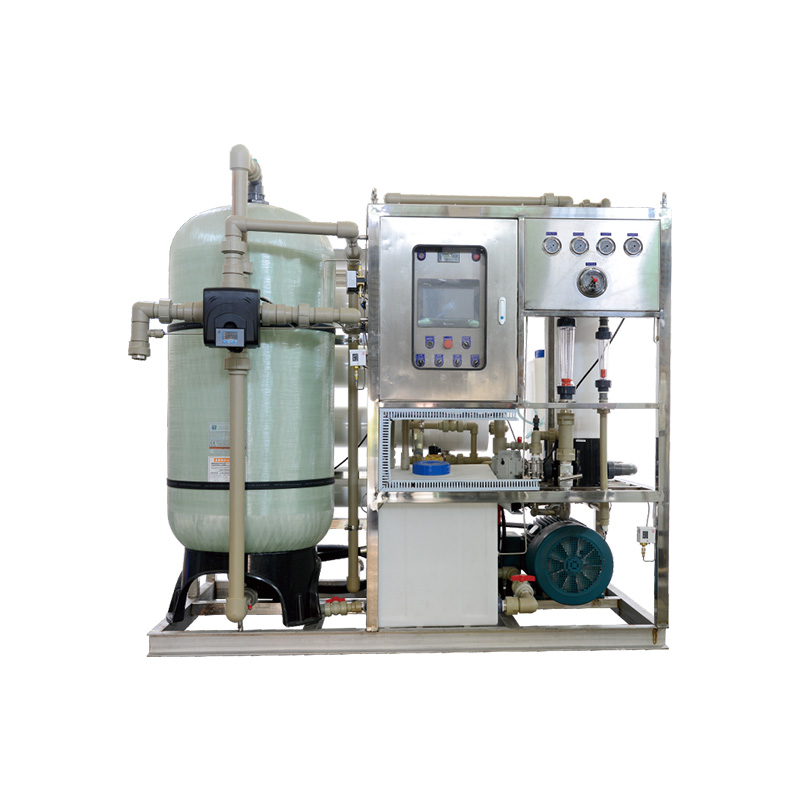
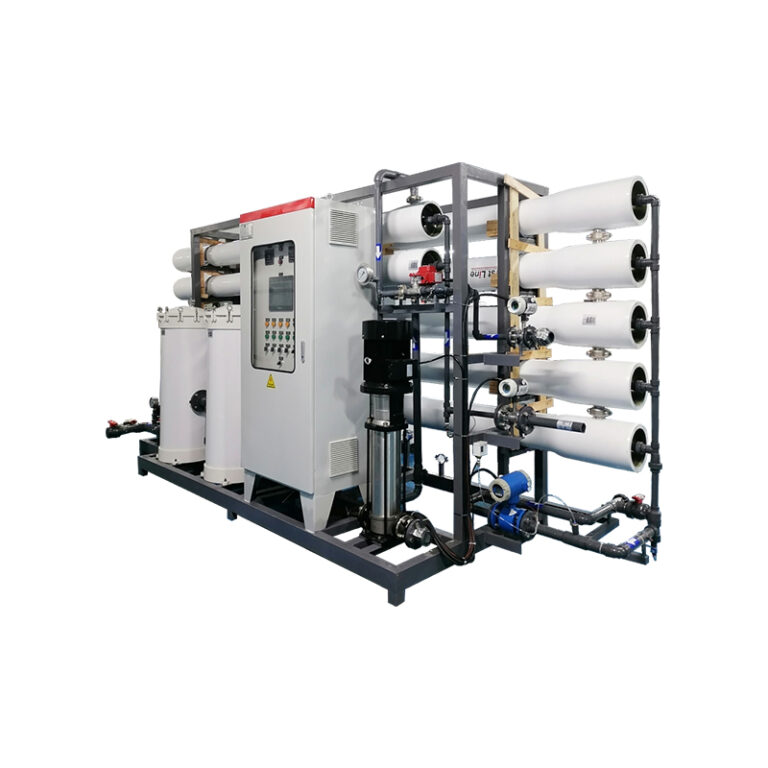
As specialized water processing companies continue to refine filtration technology, grasping the move to onboard water production requires a close look at Sea Water Reverse Osmosis (SWRO) methods. A current desalination plant for boats works by applying water pressure to beat back the natural osmotic force.The setup pushes untreated seawater across a barrier membrane. This action pulls clean H2O away from salts in solution, germs, and other unwanted bits.

desalination plant for boats

In the maritime trade of 2026, the standard for a good desalinator for boats comes down to its water recovery level and power use. The recovery level means the share of usable water pulled from all the input water. Industrial marine setups aim for a steady recovery, often near 35% in bigger models. This balance helps keep membranes working well while providing enough output. Power use gets checked in kilowatt-hours per cubic meter (kWh/m³). The FSHB series skips unproven ways to recover energy through machines. It stresses better high-pressure pumps and simpler water flow paths. Every bit of power turns into the freshest water possible.

Comparative Analysis of FSHB Series Specifications

Operators need to pair the ship size with production needs when picking a water desalination system for boats. The table below breaks down the main details of our 反渗透脱盐系统 lineup. It covers small portable types up to heavy industrial ones.

Model Series日产能(TPD)功耗脱盐率Ideal Application
FSHB-0.50.5 Ton0.75千瓦时99.2%Emergency backup / Small sailboats
FSHB-33 Tons1.5千瓦时99.2%Yachts / Fishing vessels / RVs
FSHB-1010吨5.5千瓦时99.2%Offshore platforms / Large yachts
FSHB-100100 Tons22 kWh99.2%Island resorts / Commercial fleets
FSHB-320320吨75千瓦时99.2%Industrial facilities / Coastal towns

Overcoming Infrastructure Limitations in Emerging Markets

Areas such as sub-Saharan Africa and far-off island groups in Southeast Asia deal with outdated maritime setups. These setups fail to keep up with daily needs. Water from ports often carries high Total Dissolved Solids (TDS) or germ problems from old pipes. Operators avoid all these dangers by setting up a specific desalination plant for boats.

desalinator for boat

  • Independent standards: Every bit of water for crew use or machine tasks matches WHO drinking rules. Port water quality plays no role in this.
  • Fewer delays from refills: Waiting for water deliveries or docking ties up time. An onboarddesalinator for boat runs around the clock. It boosts the ship’s active time at sea.
  • Handling tough conditions: HOSON units are built with features for rough input water. They manage TDS up to 40,000 ppm and heat up to 45°C. Such levels show up often in the Arabian Gulf and Red Sea.

Evaluating the ROI through Total Cost of Ownership

The payoff for a water desalination system for boats shows up in sharp drops to running costs (OpEx). ROI calculations go past the upfront money (CapEx). They compare the price per ton of made water against the price per ton of bought water.

  • No more refill charges: In busy ports, fresh water at the dock comes with extra fees and paperwork costs that rise each year.
  • Less fuel needed:The additional weight from the full-capacity water tank increases the vessel’s load A small desalinator for boat makes water as required. It cuts down on useless weight and helps save fu Integrating a modular RO system allows for easier maintenance and space-saving on board.
  • Long-lasting build: Parts like SUS316L stainless steel frames and Italian high-pressure pumps stand up to sea corrosion. The setup lasts over ten years. This spreads out the initial cost across many years.

Practical Experience and Success in Remote Operations

Our technical staff just fitted an FSHB-series desalination plant for boats on a fishing group working far off East Africa’s shore. Before this, the ships had to head back to port after ten days just for water. That cut short their fishing periods.

The group stretched sea time to thirty days after adding our flexible water desalination system for boats. The units held a steady 99.2% salt block rate. They did this even in murky near-shore areas. This hands-on use shows how making clean water right there ties straight to better business gains and safer crews. Our work went beyond supplying parts. It gave the power to work in spots where water seemed out of reach.

Critical Components for Reliable Marine Desalination

A dependable desalinator for boat depends on its parts working together. In 2026, top standards call for careful assembly to avoid surprises in far-off sea work.

  • Strong RO barriers: Top membrane parts deliver good flow and firm salt blocking. They manage changing sea heat levels.
  • Smart controls: Automation with PLC lets anyone run thedesalination plant for boats with simple steps. No need for expert chemical knowledge among crew.
  • Good pre-cleaning: Steps with sand and carbon filters guard the fine RO parts from dirt and plant buildup. This matters for ships in the muddy seas of Southeast Asia.

结论

The sea challenges of 2026 point to self-made water as a sign of solid operations. Putting money into a water desalination system for boats offers two gains. It keeps crew health and spirits up. It also sharpens the ship’s money flow. Choosing a heavy-duty desalinator for boat, such as the FSHB series, means more than buying gear. It means locking in a water supply that lasts. For handling today’s sea twists, HOSON acts as the key ally in building lasting water plans.

常见问题解答

Q: What is the average power consumption of a HOSON water desalination system for boats?

A: Power draw changes with the unit’s size. A 5 TPD model usually takes 2.2kWh. An industrial 320 TPD desalination plant for boats needs about 75kWh. HOSON designs focus on getting the most fresh water from each unit of power used.

Q: Can a compact desalinator for a boat handle highly saline water like that in the Red Sea?

A: Yes. All HOSON desalinator for boat models handle input water with TDS reaching 40,000 ppm. This feature makes them very trustworthy for ships in the salty waters of the Middle East and Arabian Gulf.

Q: How often does a desalination plant for boats require membrane replacement?

A: RO barriers in a HOSON desalination plant for boats hold up 2 to 3 years with the right pre-cleaning and routine chemical washes. HOSON supplies clear upkeep plans to extend the life of these water parts.

Q: Is the water produced by a water desalination system for boats safe for direct drinking?

A: Yes. The water desalination system for boats from HOSON blocks over 99.2% of salts. Output water hits or beats the WHO rules for drinking. People use it straight for drinking, cooking, and exact machine tasks.

Q: Is HOSON equipment convenient for vessel installation and relocation?

A: Yes. HOSON’s water desalination system for boats features a skid-mounted modular design that is compact and easy to disassemble. Even if you switch vessels, it can be quickly redeployed, ensuring high flexibility and long-term value for your water assets.


分类

目录

    相关新闻

    Why is installing a Water Desalination System for Boats a Smart Investment for 2026
    Why is installing a Water Desalination System for Boats a Smart Investment for 2026?
    Scaling Clean Water How Innovative Water Treatment Technologies Solve the “Last Mile” in Remote Areas
    Scaling Clean Water :How Innovative Water Treatment Technologies Solve the “Last Mile” in Remote Areas
    海水淡化过程——海上和海洋成功的终极指南
    海水淡化过程:海上和海洋成功的终极指南

    常见问题解答

    欢迎来到浩森科技

    欢迎来到合盛科技。面对全球水危机,和盛科技正在利用膜技术彻底改变所有行业的水净化。秉承“深切的同情,让技术受益,”我们致力于掌握水资源利用的关键技术,为工业文明和人类生存建设可持续的水生态系统。

    欢迎来到合盛科技。面对全球水危机,和盛科技正在利用膜技术彻底改变所有行业的水净化。秉承“深切的同情,让技术受益,”我们致力于掌握水资源利用的关键技术,为工业文明和人类生存建设可持续的水生态系统。

    欢迎来到合盛科技。面对全球水危机,和盛科技正在利用膜技术彻底改变所有行业的水净化。秉承“深切的同情,让技术受益,”我们致力于掌握水资源利用的关键技术,为工业文明和人类生存建设可持续的水生态系统。

    相关产品

    立即联系我们的OEM/ODM专家

    立即联系我们的OEM/ODM专家

    告诉我们您的初步想法,我们将在一个工作日内提供初步的可行性分析和建议。