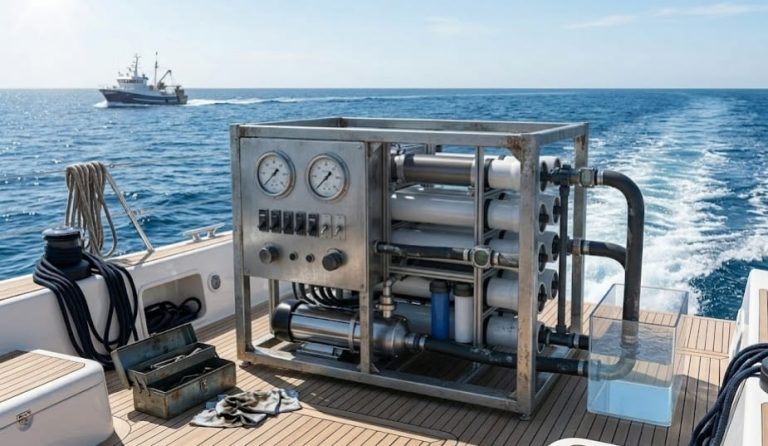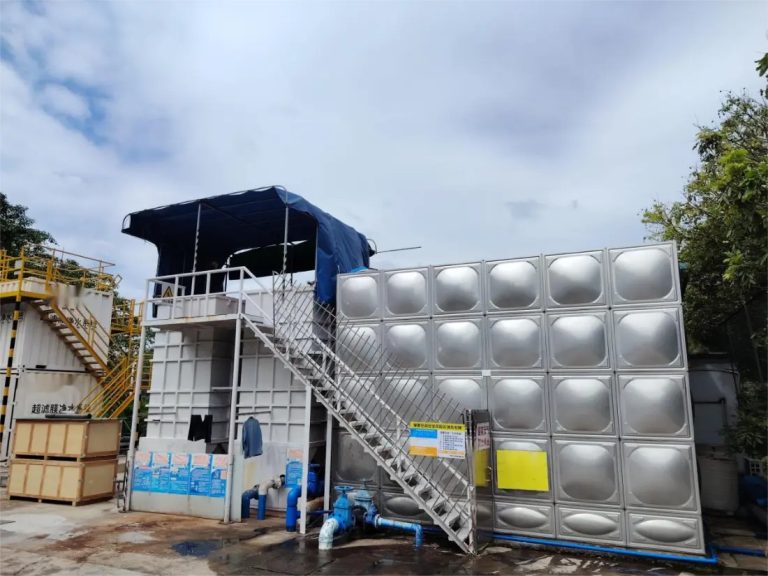

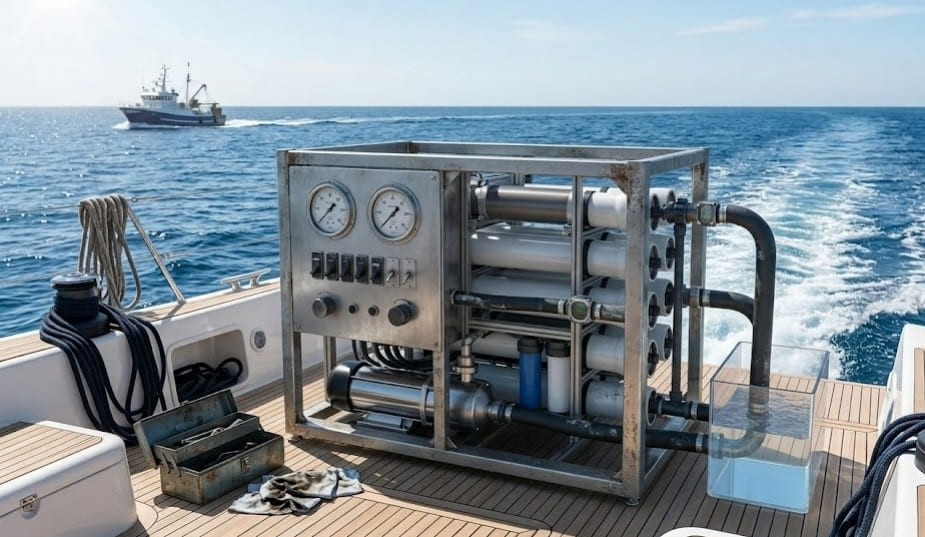
Yacht owners, operators of ocean-going fishing vessels, and maritime work teams all rely on a steady supply of fresh water. This supply forms the base of safe navigation and good onboard living conditions. Yet, standard seawater desalination equipment often face heavy energy needs and put major stress on the ship’s power sources. Boosting energy efficiency helps cut everyday running costs. It also stretches the vessel’s travel distance and self-reliance on long ocean trips or trips to far-off areas. This piece looks into ways to better the working performance of desalination for boats. It does so through smart technical changes and careful upkeep routines.
What is Energy Management in Marine Desalination?
Out on the water, power and fuel count as valuable and scarce resources. The main job of marine water desalination systems is to turn salty ocean water into safe drinking water. Still, the high-pressure reverse osmosis (RO) method stands as a key user of electricity.
Reaching better energy efficiency in the desalination of seawater for drinking boils down to a task of cutting the kilowatt-hours (kWh) needed for each ton of clean water made. At the same time, it must keep water quality steady and system balance firm. For smaller boats and boats on extended trips, this efficiency shows up as less time running the generator. That action helps battery life last longer. It also sharply reduces fuel use. Moreover, as sea work moves toward more digital tools, adding smart energy tracking setups has turned into the current standard in the field. This change lets operators handle water making with care. It shifts from reacting to water use to planning ahead for better resource handling.
The following table summarizes the performance and efficiency profiles of various system capacities:
| System Type | Daily Output (TPD) | Stromverbrauch | Key Efficiency Drivers |
| Portable Series | 0.5 – 1.5 | 0.75 – 1.5kW | Compact, wide-voltage input support |
| Yacht-Specific Series | 3 – 5 | 1.5 – 2.2kW | Modular design, low-noise operation |
| Industrial Series | 320 | 75kW Leistung | Energy recovery device integration |
Why Do Traditional Systems Result in High Energy Consumption?
Many older desalination for boats units see a quick drop in energy efficiency after a few years in use. This drop usually comes from three main technical issues:
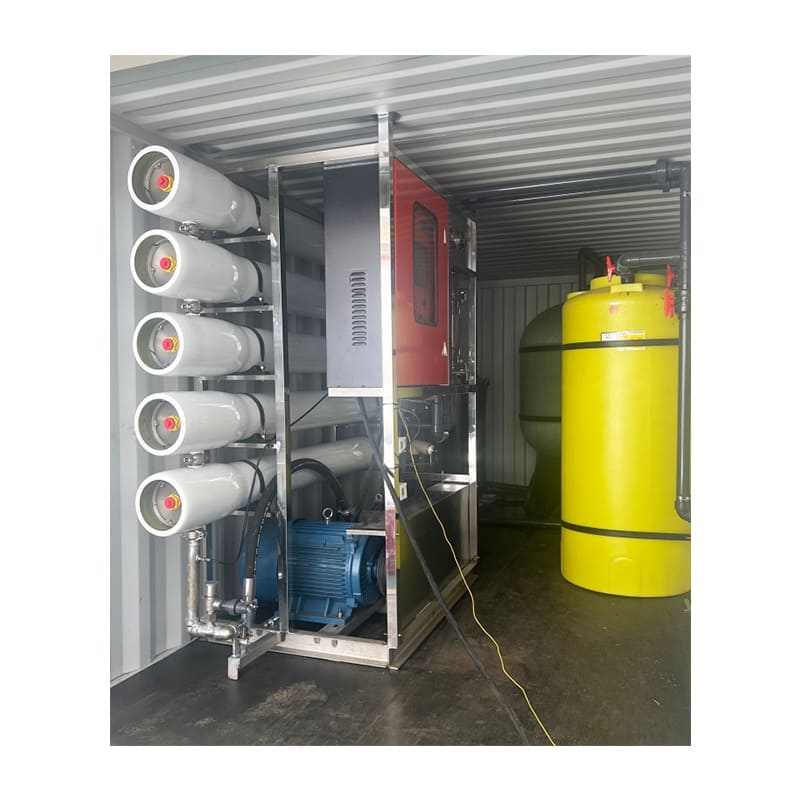
- High-Pressure Pump Efficiency Loss: Reverse osmosis is an energy-intensive process. If a pump lacks upkeep, its inside mechanical work falls off. As a result, the motor pulls more power to hold the needed osmotic pressure.
- Suboptimal Piping Architecture: If the pipe setup gets too complicated, has too many tight turns, or uses pipes that are too narrow, the system deals with more friction. This makes the high-pressure pump push harder to move the water. In turn, it causes a steady drain on power.
- Lack of Adaptive Load Control: Standard marine water desalination systems often run in a fixed “on/off” They do not adjust to current water needs or changes in battery power. Because of this, they waste a lot of energy when demand stays low.
How to Optimize Energy Efficiency Through System Upgrades?
Using newer gear offers the clearest way to shrink your boat’s carbon output and daily costs. Main steps to get the most from your efficient desalination for boats include:
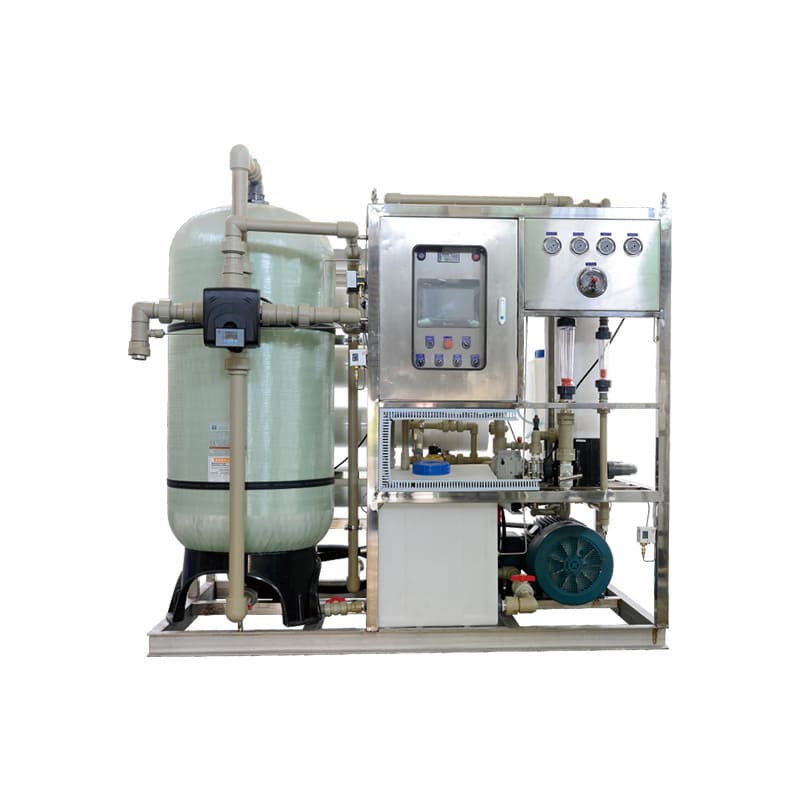
- Integrating Energy Recovery Devices (ERD): This stands as the top choice in current design. ERDs take back hydraulic power from the high-pressure salt water flow. They send it back to the incoming seawater. This cuts the high-pressure pump’s effort by as much as 80%. Even in smaller-scale drinking water system, this tool brings a big cut in power use per liter.
- Right-sizing Output Capacity: Boat owners ought to pick gear that fits their real daily water use. They should avoid picking too much capacity. If a big system runs at low levels often, it goes through wasteful start-up steps. It also works poorly at light loads. Both harm the system’s overall efficiency.
- Enhancing Pre-filtration Precision: The prep stage acts as the first barrier. By using exact multi-step filters to cut down dirt, you ease the work on the RO membrane. This slows dirt buildup on its surface. Thus, the pump can keep its set output at a lower pressure. That pressure saves energy over more time.
How to Prevent Energy Spikes Through Daily Maintenance?
Even the best system needs steady care to keep the desalination of seawater for drinking running at peak:
- Proactive Membrane Cleaning: As membranes build up mineral deposits, the resistance to osmosis grows. If you ignore this, the high-pressure pump has to spin faster to keep water flowing. That can double the energy use. Checking TDS levels often and doing expert chemical washes help bring back the membrane’s flow ability.
- Electrical Connection Integrity: Salt air and dampness harm boat electrical parts. Rust on connectors raises resistance at contact points and causes voltage falls. A motor that struggles pulls extra power. It makes extra heat and loses power without need. Regular checks and firm tightening of all electrical boxes matter a lot.
- Real-time Data Analytics: New marine water desalination systems should use built-in flow trackers and power gauges. When the “energy cost per liter”changes, it signals early signs of mechanical problems. Such issues might include pump wear or membrane clogs. This lets you fix them before they lead to big power wastes.
The Long-Term Value of Efficient Systems
Putting money into an energy-smart setup brings key gains past just saving power:
- Extended Hardware Lifecycle: Lower running pressures ease the physical wear on high-pressure pumps, motors, and seals. This slows down how fast parts tire out.
- Reduced Carbon Footprint: Cutting generator run time lowers engine smoke and noise. It fits with current eco rules and boosts the comfort on board.
- Financial Return: For business or busy travel boats, less fuel use means the cost of top gear comes back in one to two busy seasons.
Our method focuses on turning tough tech problems into simple, dependable tools. We use exact building methods and flexible setups. This way, your water system grows with your work needs. No matter if your boat sits in far research spots or works as a fine yacht, our promise stays firm. We deliver lasting, power-aware water fixes.
Schlussfolgerung
Raising the energy efficiency of your onboard water making is a full challenge. It covers gear changes, smart watching, and steady upkeep. By adding energy recovery tech, improving your prep pipe setup, and using data checks to spot power jumps early, you can greatly lower your full ownership costs. We stay committed to tech-based fixes that aid operators worldwide in facing water shortages. For custom tech advice or a check on your current setup’s efficiency, reach out to the skilled group at HOSON.
FAQ (häufig gestellte Fragen)
Q: Is an energy recovery device necessary for small-scale desalination for boats?
A: Absolutely. While the initial investment is higher, the reduction in pump load significantly lowers daily fuel and electricity expenses, usually allowing the hardware to pay for itself within one to two seasons of active use.
Q: How can I detect if the energy efficiency of my marine water desalination systems has degraded?
A: Monitor the high-pressure gauge closely. If your daily water production remains constant but your operating pressure is significantly higher than when the system was new, it strongly indicates membrane scaling or clogged filters, forcing the pump to work harder.
Q: Will fluctuating shipboard voltage affect the energy efficiency of the desalination of seawater for drinking?
A: Yes. Unstable voltage leads to motor efficiency losses and increased heat generation. We recommend utilizing a control system with integrated voltage stabilization to ensure the motor operates within its optimal torque range.
Q: How frequently should a comprehensive performance audit be conducted?
A: A quarterly audit is recommended. Focus your inspection on electrical contact tightness, the RO membrane’s recovery rate, and the acoustic profile of the high-pressure pump during startup.
Q: Does increasing water output linearly increase energy consumption?
A: Within the rated design capacity, the energy consumption increases proportionally. However, if the system is forced to run continuously at pressures outside of its optimal load point, the efficiency ratio worsens significantly. Therefore, modular selection is the key to maximum energy performance.