

ICHEinführung
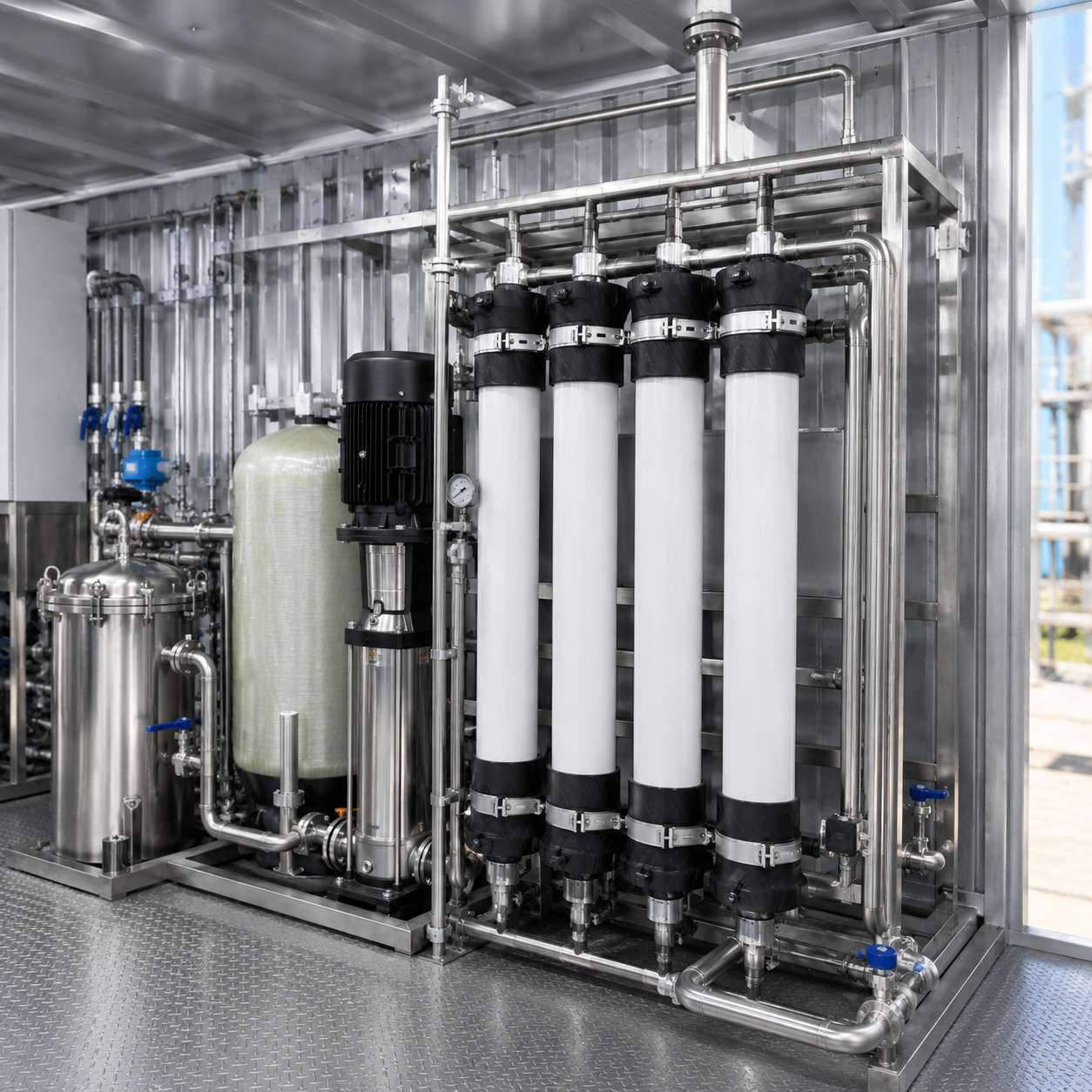
Wasserversorgungsprojekte in Südostasien, Afrika und dem Nahen Osten sehen sich heute zunehmend schwierigen Betriebsbedingungen gegenüber. Oberflächengewässer weisen während der Regenzeiten drastische Trübungsspitzen auf. Gleichzeitig variiert die Grundwasserqualität regional. Fabriken benötigen zudem eine konstante Versorgung mit Prozesswasser. Dies soll ohne massive Tiefbauarbeiten erreicht werden. Aufgrund dieses enormen Drucks, HOSONWATER Die Ultrafiltration (UF) ist ein entscheidendes Verfahren zur Verbesserung der Wasserqualität sowohl in Trinkwasseraufbereitungsanlagen als auch in industriellen Wasserwerken. Sie fungiert nicht nur als einfacher Membranfilter, sondern bildet eine robuste, integrierte physikalische und technische Barriere. Diese Barriere verbessert die Wasserqualität und die mikrobiologische Sicherheit. Zudem gewährleistet sie die Stabilität nachgeschalteter Umkehrosmoseanlagen (RO) und optimiert die langfristige Betriebskontrolle.
Warum gilt die Ultrafiltration als die neueste Wasseraufbereitungstechnologie?
Anlagenbetreiber setzen die Ultrafiltration (UF) häufig ein, da sie Wasserqualitätsschwankungen deutlich besser bewältigt als viele ältere Verfahren. Traditionelle Verfahren wie Koagulation, Sedimentation und Sandfiltration haben zwar weiterhin ihre Berechtigung, ihr Erfolg hängt jedoch stark von einer präzisen Chemikaliendosierung und geeigneten Sedimentationsbedingungen ab. Zudem sind der Zustand des Filtermaterials und die Erfahrung des Bedieners entscheidend. In isolierten oder schnell wachsenden Märkten kann die Abhängigkeit von diesen Faktoren leicht zu einem erheblichen Risiko werden.
Die Ultrafiltration (UF) arbeitet mit einem einfachen, druckgetriebenen Membrantrennverfahren. Die Membran hält Schwebstoffe, Kolloide, Algen und Bakterien zurück. Auch größere organische Partikel werden zurückgehalten. Gleichzeitig lässt sie das gereinigte Wasser ungehindert durchfließen. Für Projektinhaber, die sich für die UF interessieren, neueste WasseraufbereitungstechnologieDer eigentliche Vorteil liegt in der gleichbleibend hohen Trenngenauigkeit. Nach starken Regenfällen kann Rohwasser sehr trüb werden. Selbst dann bilden die winzigen Poren der Membran weiterhin eine zuverlässige physikalische Barriere. Diese konstante Leistung macht die Ultrafiltration (UF) äußerst wertvoll für die Wasserversorgung von Dörfern und Industrieparks. Sie eignet sich auch hervorragend für Inselresorts, Bergbaulager und dezentrale Wasserstationen.
Welche Rolle spielt die Ultrafiltration in einer industriellen Wasseraufbereitungsanlage?
Jede industrielle Wasseraufbereitungsanlage ist auf einen kontinuierlichen Betrieb ausgelegt. Anwender in der Elektronik-, Lebensmittel-, Getränke- und Pharmabranche benötigen zuverlässige Systeme. Auch die Betreiber von Chemie-, Textil-, Energie- und Industrieparkanlagen sehen das genauso. Sie können eine ungleichmäßige Wasserqualität schlichtweg nicht akzeptieren. Eine mangelhafte Vorbehandlung kann Kessel und Kühlsysteme beschädigen. Sie zerstört außerdem Umkehrosmosemembranen, Ionenaustauscherharzsysteme und ganze Produktionslinien.
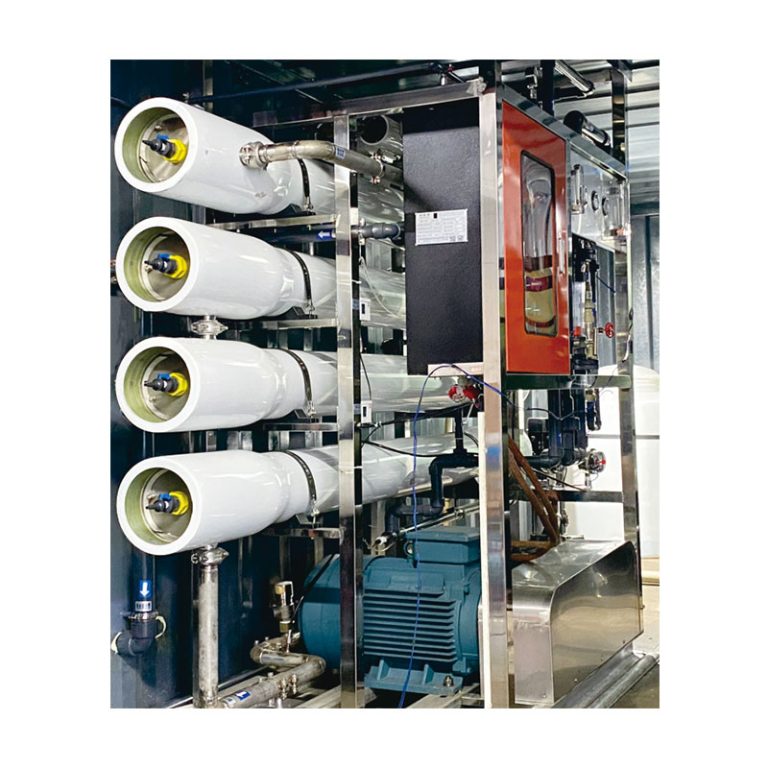
Die Ultrafiltration (UF) bietet industriellen Wasseraufbereitungsanlagen eine äußerst effektive Vorbehandlung. Unmittelbar vor der Umkehrosmose (RO) reduziert sie die Menge an Schwebstoffen und kolloidalen Bestandteilen. Dadurch wird das Risiko einer irreversiblen Membranverschmutzung verringert und die Membranleistung in nachfolgenden Prozessschritten verbessert. Bei der Anwendung auf Prozesswasser erhöht sie die optische Klarheit und verhindert unerwünschte Ablagerungen. Bei der Wiederverwendung von Abwasser reinigt sie das aufbereitete Wasser effektiv. Anschließend kann es zur Kühlung, Toilettenspülung oder Bewässerung eingesetzt werden. Es kann sogar einer weiteren Entsalzung unterzogen werden. Aufgrund dieser deutlichen Vorteile ist die Ultrafiltration für professionelle Anwender eine unverzichtbare Technologie. Hersteller von industriellen Wasseraufbereitungsanlagen UF-Systeme müssen stets anhand tatsächlicher Rohwasserdaten ausgelegt werden. Sie sollten sich niemals ausschließlich auf grundlegende Nenndurchflusskapazitätsparameter stützen.
Wie gut passen Niederdruck-Ultrafiltrationsmembranen zu den Projektbedingungen?
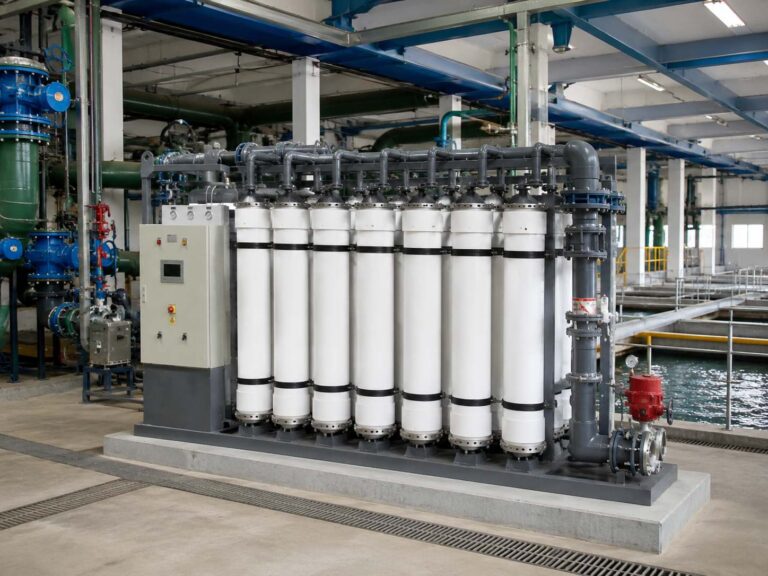
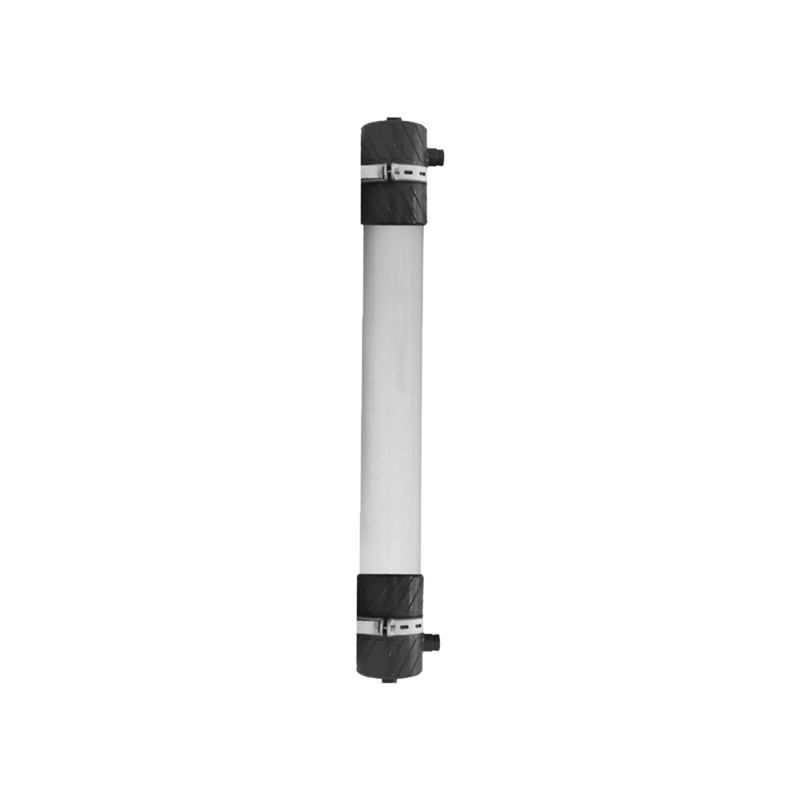
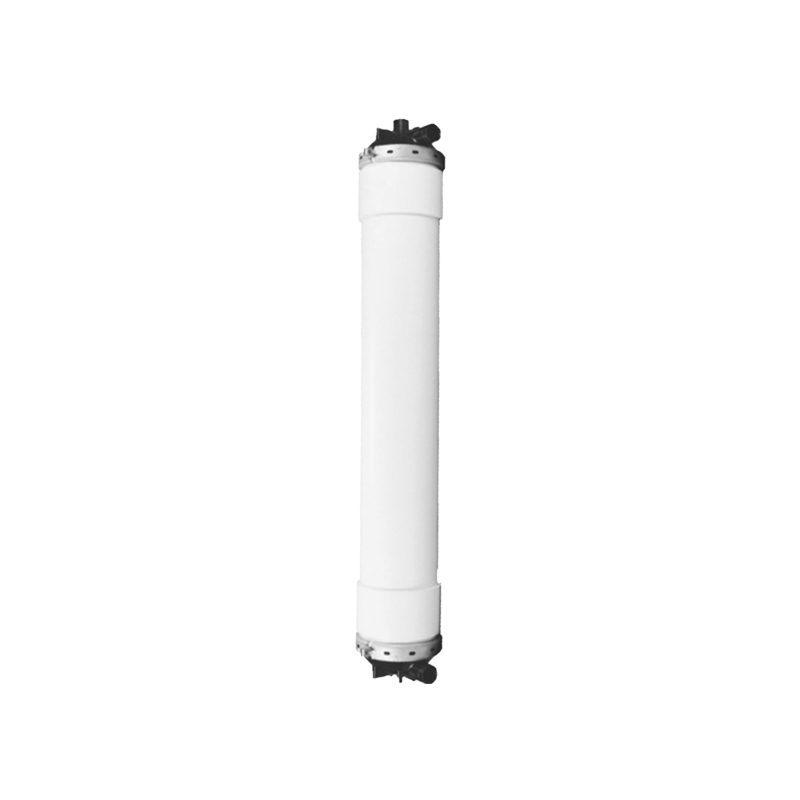
Die Niederdruck-Ultrafiltrationsmembran ermöglicht eine enge Integration und eine stabile Filtration. Sie bietet zudem flexible Materialoptionen, insbesondere PVDF und PM. Diese Vielfalt erlaubt es Ingenieuren, die Membran optimal an die Korrosivität des Rohwassers anzupassen. Auch Reinigungsleistung, das Risiko irreversibler Membranverschmutzung und spezifische Budgets können berücksichtigt werden. Die Porengröße von 0,02 μm gewährleistet die präzise Entfernung von Schwebstoffen und Kolloiden. Bakterien und die meisten Viren werden ebenfalls zuverlässig zurückgehalten.
PVDF eignet sich hervorragend für Trinkwasser und allgemeines Prozesswasser. Es ist auch für Standard-RO-Vorbehandlungsaufgaben geeignet. PM hingegen ist deutlich besser für komplexes Industriewasser oder stark beanspruchtes Abwasser geeignet. Solches Wasser erfordert oft deutlich intensivere chemische Reinigungszyklen mit Säuren und Laugen. Beispielsweise sind Chemie-, Galvanisierungs- und Pharmaanlagen extremen Bedingungen ausgesetzt. Auch Beizanlagen und Bereiche mit stark schwankenden pH-Werten stellen eine Herausforderung dar. In all diesen anspruchsvollen Umgebungen bietet PM eine deutlich breitere chemische Beständigkeit.
| Modell | Material | Abmessungen | Membranfläche | Faser-ID/AD | pH-Bereich | Portgröße | Nassgewicht/Vollgewicht |
| LW2-0660-F | PVDF | Ø160 × 1810 mm | 40 m² | 0.8 / 1.4 mm | 2–12 | DN32 | 15 / 25 kg |
| LW2-0960-F | PVDF | Ø225 × 1860 mm | 56 m² | 0.8 / 1.4 mm | 2–12 | DN50 | 50 / 85 kg |
| LW2-0980-F | PVDF | Ø225 × 2360 mm | 77 m² | 0.8 / 1.4 mm | 2–12 | DN50 | 60 / 110 kg |
| LW2-0980-PM | PM | Ø225 × 2360 mm | 77 m² | 0.8 / 1.4 mm | 1–14 | DN50 | 60 / 110 kg |
Wie kann intelligentes Monitoring UF-Ausfallzeiten reduzieren?
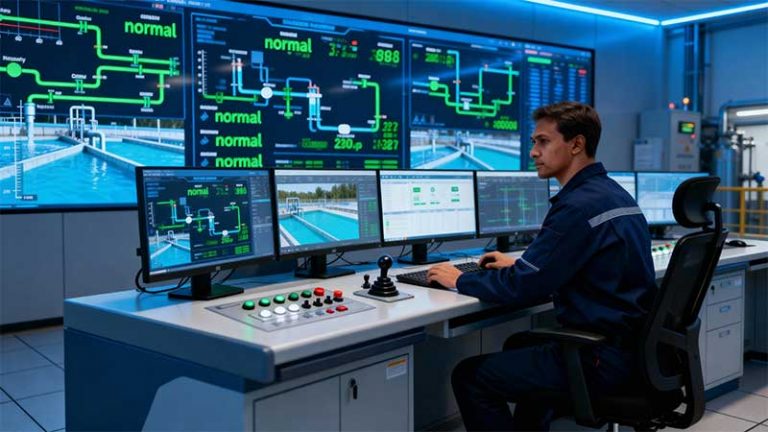
Intelligente Überwachung ist heutzutage für weitläufige und verteilte Projekte unerlässlich. Ein ordnungsgemäßes Ultrafiltrationssystem (UF-System) sollte Durchflussrate und Druck am Ein- und Auslass erfassen. Es sollte außerdem Trübung, Änderungen des Membrandrucks (TMP) und Wassertemperatur überwachen. Die Kontrolle des Ventilstatus, der Reinigungszyklen und der Alarmprotokolle ist ebenso wichtig. Manchmal fehlen vor Ort ausreichend Fachkräfte. In solchen Fällen helfen Fernüberwachungsdaten den Ingenieuren vor Ort, die Ursachen zu ermitteln. Sie können leicht erkennen, ob ein Leistungsabfall auf Membranverschmutzungen oder einen plötzlichen Rohwasserwechsel zurückzuführen ist. Auch Probleme bei der Belüftung, defekte Ventile oder verzögerte Reinigungsarbeiten lassen sich so aufspüren.
Bei der Planung einer großen UF-Wasseraufbereitungsanlage bieten intelligente Steuerung und Fernsteuerung einen erheblichen betrieblichen Mehrwert. Saisonale Spitzenbelastungen mit hoher Trübung können ein System sehr schnell treffen. Aktive Überwachung beschleunigt den gesamten Fehlerbehebungsprozess. Dadurch wird die endgültige Wasserqualität deutlich besser vorhersagbar und sicherer.
Schlussfolgerung
Letztendlich vereint die Ultrafiltration (UF) erfolgreich Wassersicherheit, industrielle Zuverlässigkeit und Wirtschaftlichkeit in einem einzigen Prozess. Bei der Trinkwasseraufbereitung bildet sie eine zuverlässige Barriere gegen Schlamm und Mikroorganismen. In industriellen Wasserwerken schützt sie aktiv Umkehrosmoseanlagen, Prozessanlagen und Wasserkreislaufsysteme. Die erfolgreichsten UF-Projekte entstehen durch sorgfältige Abstimmung. Ingenieure müssen Membranmaterial, Porengröße und Durchflussraten an die tatsächlichen Wasserbedingungen anpassen. Auch Reinigungstoleranz, Automatisierungsanforderungen und langfristige Serviceplanung müssen exakt auf die Gegebenheiten vor Ort abgestimmt sein.
FAQ (häufig gestellte Fragen)
Ist eine industrielle Wasseraufbereitungsanlage mit Ultrafiltration besser als mit Sandfiltration?
Im Allgemeinen bietet die Ultrafiltration eine deutlich stabilere Kontrolle über Schlamm und Mikroorganismen. Dies liegt daran, dass der Trennprozess ausschließlich auf der physikalischen Größe der Membranporen beruht. Die Sandfiltration kann zwar bei frühen Vorbehandlungsschritten hilfreich sein, ist aber stark von einer präzisen Chemikaliendosierung und ständigen Anpassungen durch den Bediener abhängig.
Wie oft sollte ein UF Die Membran muss gereinigt werden?
Der optimale Reinigungsplan hängt von der Qualität des einfließenden Wassers und der spezifischen Durchflussauslegung ab. Betriebsdruck, Erfolg der Rückspülung und das Membranmaterial spielen ebenso eine wichtige Rolle. Betreiber sollten daher die TMP-Änderungen und Durchflussdaten genau überwachen, um den optimalen Reinigungsplan zu erstellen.
Bieten Hersteller von industriellen Wasseraufbereitungsanlagen einen Kundendienst an?
Ein wirklich qualifizierter Lieferant sollte klare Installationsanleitungen und umfassende Unterstützung bei der Inbetriebnahme bieten. Er sollte außerdem Bedienerschulungen, Ersatzteile und detaillierte Wartungshandbücher bereitstellen. Fernwartung ist besonders wichtig für Projekte im Ausland, wo es an lokaler technischer Unterstützung mangelt.