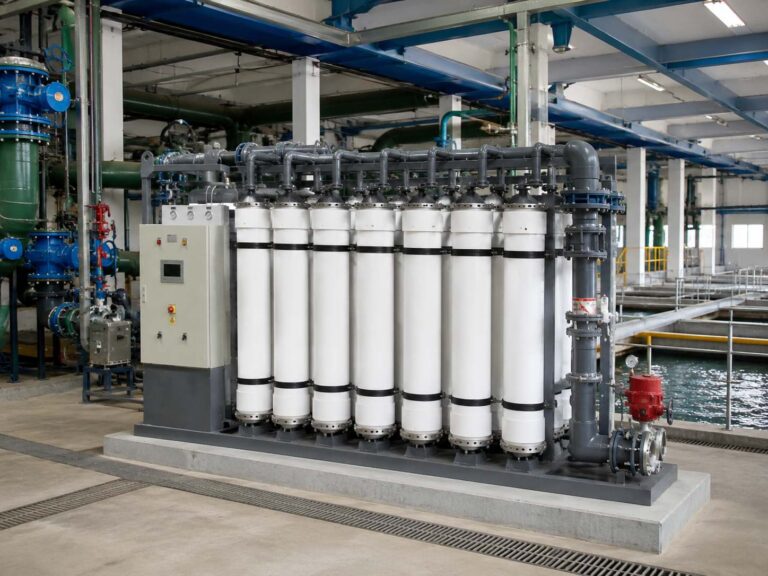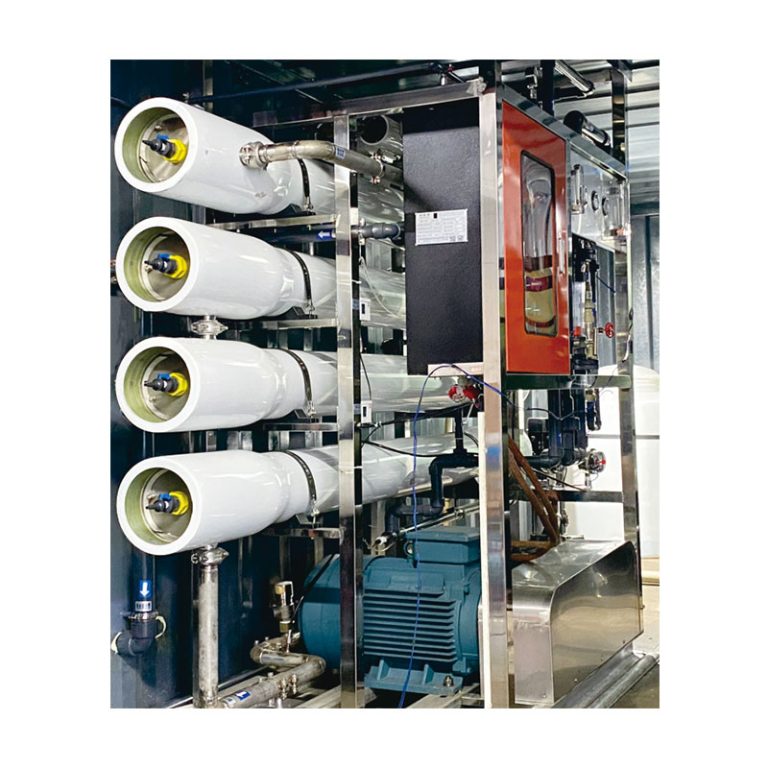


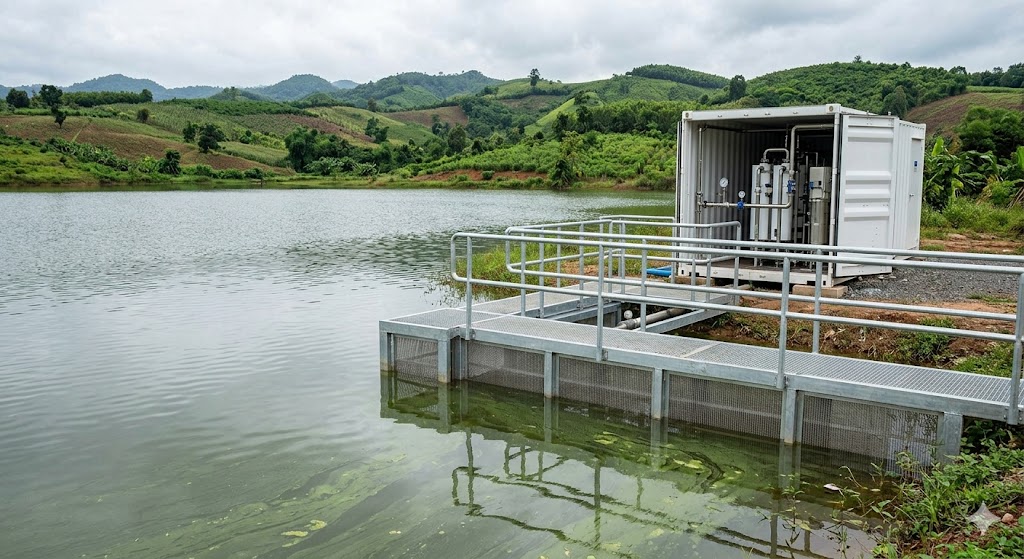
Delivering clean drinking water in spread-out rural spots creates a tough building puzzle. Surface water stands as the easiest main supply. Yet its condition changes quickly, especially in weather shifts. Farm waste brings small amounts of bug-killing leftovers. Warmer air starts blue-green algae growth. These cause taste and smell (T&O) items like Geosmin and 2-Methylisoborneol (MIB) to come out. For town leaders, factory workers, and water processing companies in Southeast Asia, Africa, and the Middle East, setting up a strong surface water treatment system is not an extra choice. It serves as a key need for community health, safety, and green standards.
Challenges inherent in surface water filtration for remote regions
Water supplies in farm areas under hot and dry weather face fast changes in cloudiness and plant waste levels. Rainy times or busy farm seasons raise the amount of mixed-in plant carbon (DOC). This makes a tough spot for any cleaning tool. Good surface water filtration calls for a layered defense that hits dirt at the tiny particle size. It covers not just pulling out floating bits. It also includes pulling in or blocking small poisons by walls that add to lasting dirt-like or moldy smells.
Basic cleaning often has trouble with:
- Seasonal rush of Geosmin and MIB in surface water sources.
- Co-occurrence of trace pesticide residues from agricultural intensification.
- Variable influent turbidity (NTU) that exceeds the design capacity of local infrastructure.
Technical limitations of a typical surface water treatment plant
Many old setups depend on mixing, clumping, and pull-down sand cleaning. These ways work well to cut the main cloudiness.However, they fall short on handling hidden risks from new farming ways and living changes. Furthermore, these traditional designs are often insufficient for the rigorous standards of modern industrial water treatment.
Moreover, a typical surface water treatment plant often ends up:
- Too stiff to handle quick water condition jumps seen in Southeast Asian rivers.
- Needing much upkeep, often calling for skilled workers, hard to find in far-off Africa.
- Unable to catch mixed-in chemical poisons that slip past sand layers.
Membrane specifications for advanced surface water filtration
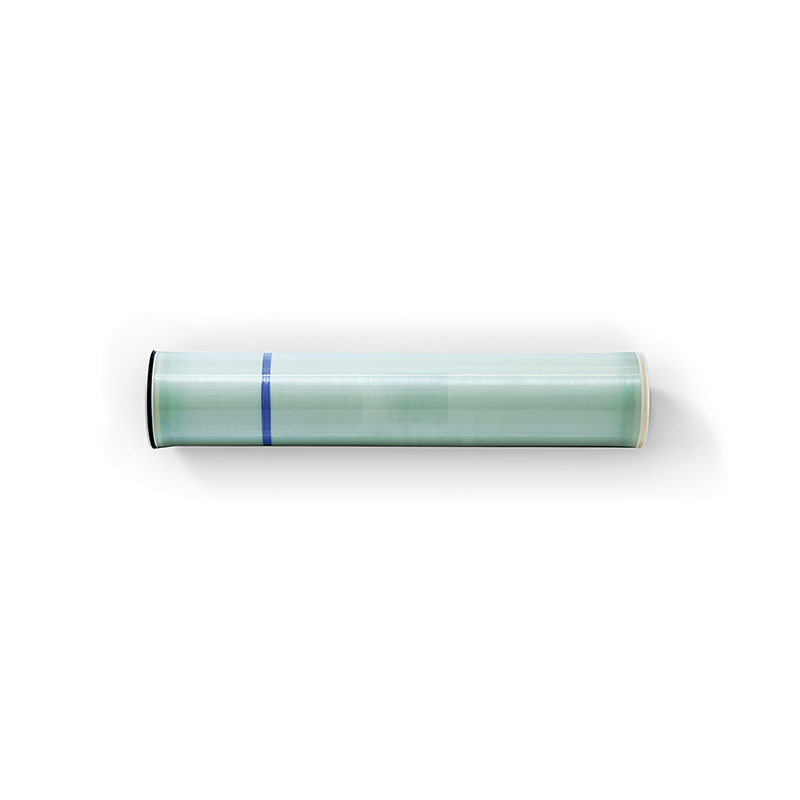
To handle the complexities of surface water, advanced membrane technology is essential for stable performance. The LR series offers specialized designs—from fouling resistance to ultra-low pressure—to ensure high-quality output. The following specifications highlight how these tailored solutions maintain operational efficiency despite varying environmental challenges.
| Membrane Series | Primary Application | Key Technical Feature | Targeted Contaminants |
| LRFR Series | High Organic Loading | Fouling Resistant Chemistry | Algae, Bio-macromolecules |
| LRULP Series | Energy Efficient Desalination | Ultra-Low Operating Pressure | Dissolved Salts, Trace Pesticides |
| LRHOR Series | High Oxidation Processes | Chlorine Tolerant Surface | Microorganisms, Odor Compounds |
By adding these special parts, a surface water treatment system can keep a steady flow even when the starting water holds heavy seasonal algae dirt.
How integrated surface water filtration eliminates seasonal odors
Wiping out smells from algae needs a detailed chain of body and chemical splitting steps. We built the spread-out fix for 37 remote villages in the hilly land of Fengkai County. There, we used a plan that swapped the large, low-output typical surface water treatment plant for a boxed, exact model.
A main measure in these plans, above all when fitting tech for salty or ocean water supplies, is the setup output share. For a surface water treatment system or a seawater reverse osmosis (SWRO) part, the system recovery rate means the percent of clean water flow against the full input flow. Boosting this share is key to raising the amount while watching the power mark in kWh.
The step-by-step dirt removal plan sticks to a clear order:
- Pre-Conditioning: Raw water is treated to stabilize pH and initiate the oxidation of organic odor molecules without prematurely lysing algae cells.
- Ultrafiltration (UF) Barrier: The UF stage serves as the primary surface water filtrationengine, removing 99.9% of bacteria and algae biomass.
- Reverse Osmosis (RO) Polishing: The final stage utilizes LRFR membranes to reject trace pesticides and dissolved organic compounds (Geosmin/MIB).
- Intelligent Management: Rather than relying on mechanical energy recovery hardware, our systems focus on high-efficiency pump integration and smart pressure regulation to minimize kWh consumption per cubic meter of water produced.
In the HOSON system architecture, these stages are managed by an automated PLC with remote monitoring modules, allowing for managed operation by Villagers.
Economic and operational benefits of a modular surface water treatment system
Moving to a boxed surface water treatment system gives clear gains over usual building works, especially in the Middle East and Africa, where moving supplies is hard. In new spread-out jobs, we showed that boxed builds can beat a typical surface water treatment plant in quick setup and steady work.
Main work measures cover:
- Deployment Velocity: Full system commissioning can be achieved in 1 month, with site-specific installation completed in 3 days.
- Cost Efficiency: We have achieved up to 60% savings in capital expenditure (CAPEX) by eliminating extensive pipeline networks.
- Energy Optimization: Precise system calibration allows for lower kWh usage compared to over-engineered traditional plants.
- Water Quality Stability: Systems maintain output quality at <0.1 NTU even during worst-case monsoon conditions.
Conclusion
We can make sure even the farthest groups get water that fits world health and safety rules. This happens by swapping the dated typical surface water treatment plant with a combined, smart surface water treatment system. Better surface water filtration forms the base of this change. It gives a solid guard against the two-yearly risks of algae and farm chemicals. At the same time, it keeps high output shares and power savings.
FAQ: Common Questions Regarding Rural Water Security
Q: How does a HOSON surface water treatment system handle high turbidity during rainy seasons?
A: Our setups use a changing early cleaning chain mixed with fast-flow Ultrafiltration (UF) walls. This build lets the surface water treatment system set wash-back times, and chemical adds on its own. The end clean stays even and meets health rules no matter input cloudiness jumps. It works smoothly in wet weather. Villages get a steady supply without breaks. The tech adjusts to local needs. This keeps water safe for daily use.
Q: Can a typical surface water treatment plant be upgraded to remove trace pesticides?
A: Yes, a typical surface water treatment plant can get added with a boxed HOSON Ultrafiltration (UF) finish part. This change boosts the current surface water filtration system. It adds a small-particle block made to catch mixed-in chemical poisons like bug-killers. Basic sand cleaners cannot grab these. The add-on fits old systems well. It raises clean levels without full rebuilds. Operators see better results fast. This helps in areas with farm waste issues.
Q: What is the energy consumption in kWh for a HOSON surface water treatment system?
A: Power use changes with the exact output share and input salt level. Our surface water treatment system is built for top kWh savings through tuned pump shapes. It skips the hard parts of straight mechanical power return setups. Yet it holds factory-level work. This cuts costs over time. Sites run with less power draw. It fits off-grid spots in rural areas. Users get reliable, clean water at low running expense.
Q: Why is a modular surface water treatment system better for African and SE Asian markets than traditional plants?
A: Land shape and supply moves make big walls in these places. A boxed surface water treatment system gets put together in a watched factory spot. This cuts build risks on site. HOSON parts come in boxes for simple moving. They set up 70% quicker than a typical surface water treatment plant. This speeds help to far groups. It lowers setup costs too. Local teams handle it with basic training. The approach fits tough spots well.
Q: Does HOSON technology guarantee the removal of algae-derived earthy smells?
A: Yes, it does. Our full clean plan mixes advanced surface water filtration with special plant-reject walls. It aims at the set size of Geosmin and MIB items. The surface water treatment system makes sure the clean output has no yearly algae smells or tastes. It reaches the best output share for the group. This brings fresh water year-round. Communities trust the supply. The tech handles changes in water sources. It keeps quality high without waste.
For more information on architecting a resilient water future for your community, contact the HOSON technical engineering team to discuss customized surface water treatment system configurations.