
Introduction
Industrial users in Southeast Asia, Africa, and the Middle East often face a recurring water-quality challenge. Raw water quality can change faster than conventional treatment plants can respond. During the rainy season, turbidity rises, algae blooms appear, and organic loads increase; coastal sites may also face salinity intrusion. At the same time, sites may have limited land and few trained operators on hand. These factors threaten steady production. For this reason, industrial water treatment processes used in modular plants have moved from a backup choice to a practical engineering route. A modular system is more than a container filled with equipment. It is a controlled industrial system treatment model. The model links process selection, membrane performance, automation, commissioning, and long-term water treatment management in one package.
Why Modular Plants Fit High-Risk Water Conditions
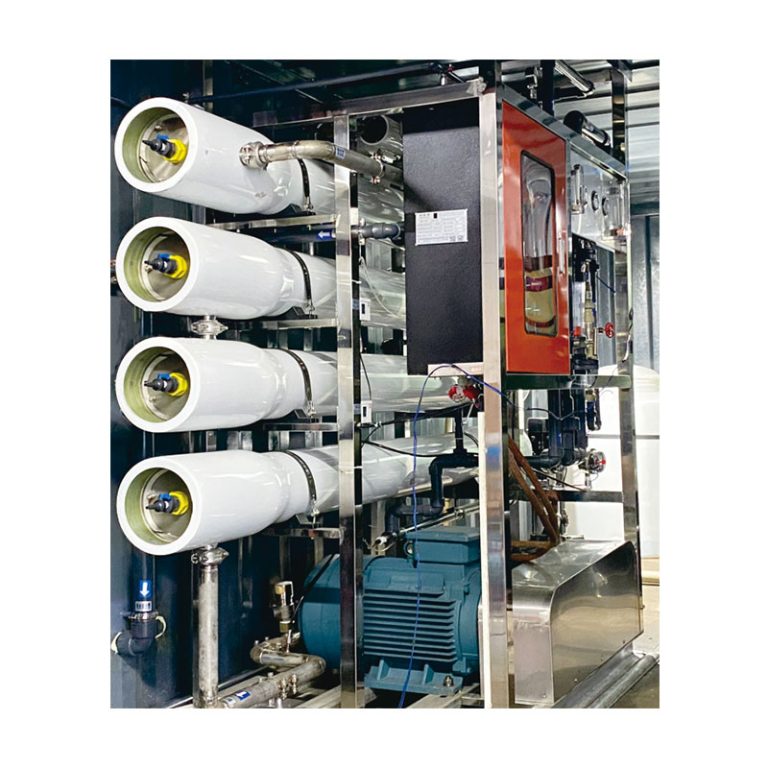
Many industrial parks, mines, food plants, chemical sites, and coastal facilities cannot wait for long civil construction schedules. Modular plant processes bring pretreatment, membrane filtration, disinfection, dosing, and smart control together before the units leave the factory. The “water plant-in-a-box” concept integrates pretreatment, membrane filtration, disinfection, and control into a containerized or prefabricated module. This concept shortens traditional plant construction from many months or years down to a few weeks or months. It also improves flexibility when expansion or relocation becomes necessary.
The approach matters for buyers who must control both capital cost and operational risk. Factory-integrated modules reduce site welding, piping mistakes, and delays during commissioning. When modular plants are designed according to actual raw water conditions, the integrated treatment processes can provide more stable performance under turbidity fluctuations, microbial challenges, and RO pretreatment demands. The operating window becomes more predictable.
How Membrane Selection Controls System Stability
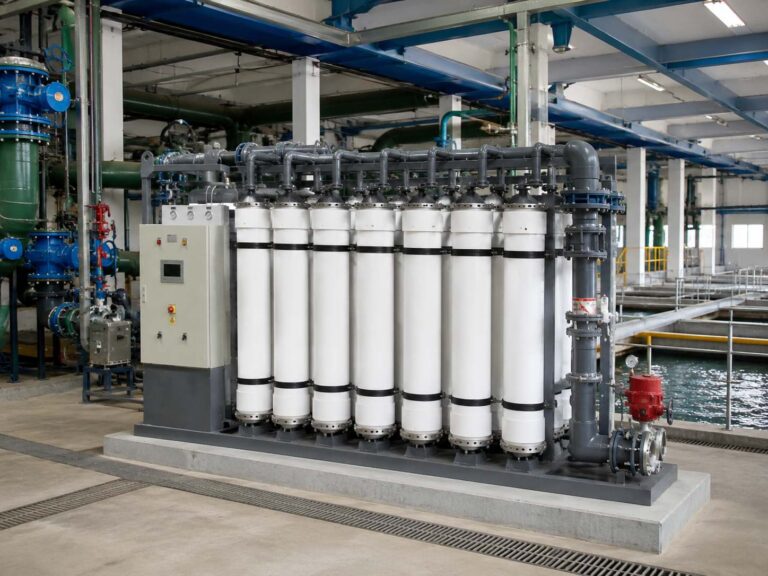
A pressure ultrafiltration membrane often serves as a critical pretreatment barrier in industrial water treatment systems, protecting downstream processes such as RO filtration. It removes suspended solids, colloids, bacteria, and most viruses before the water reaches reuse, process water, or RO stages. In regions where river water and reservoir water change sharply during the rainy season, this physical separation layer proves more stable than chemical clarification alone.
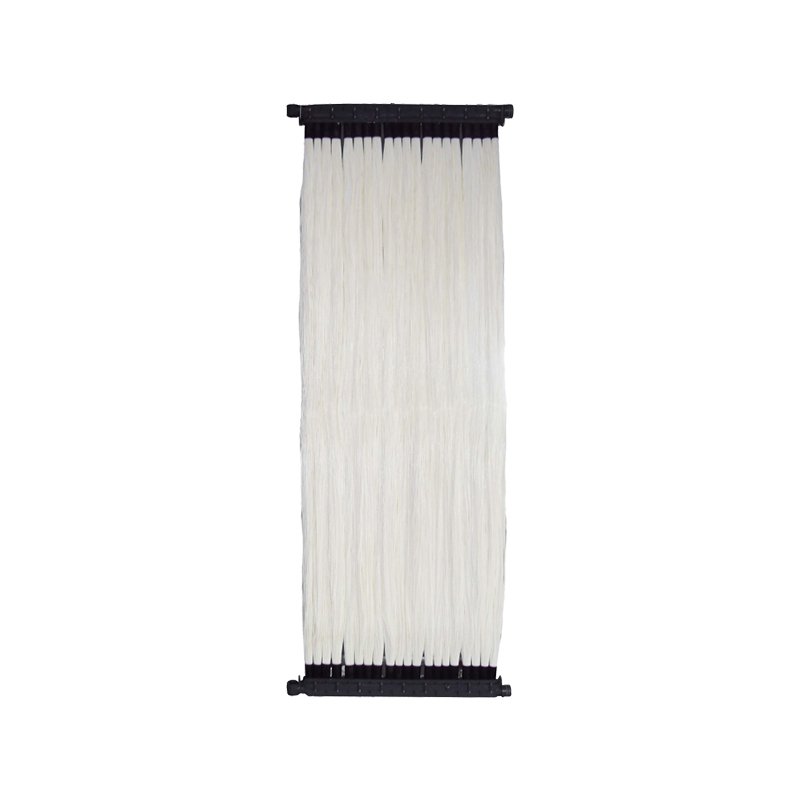
The choice changes for industrial wastewater. An ultrafiltration membrane for wastewater treatment must handle organic load, sludge concentration, cleaning chemicals, pH shock, and membrane fouling risk. PVDF membrane curtains work well in many MBR and MCR systems. They combine mechanical strength, filtration accuracy, and tolerance for routine chemical cleaning. PM membrane curtains are better suited to highly corrosive wastewater. They withstand strong acid/alkali cleaning within pH 1–14.
| Product Type | Key Material | Filtration Precision | Chemical Tolerance | Typical Use |
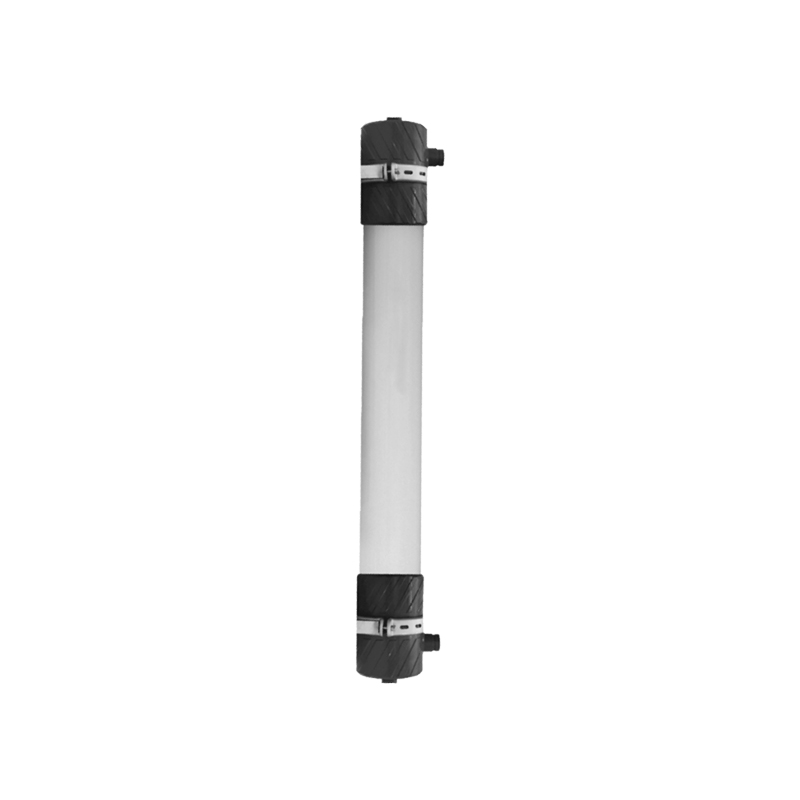
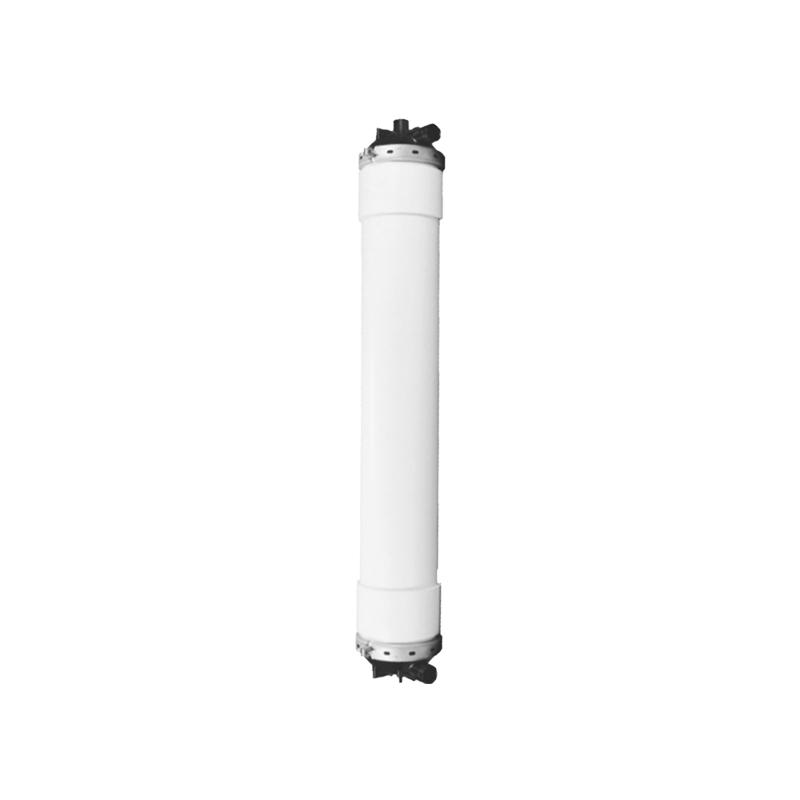
| LH pressure ultrafiltration membrane component | PVC alloy | 0.01 μm | pH 2–13 | Industrial feed water, RO pretreatment, process water |
| LW pressure ultrafiltration membrane component – PVDF | PVDF | 0.02 μm | pH 2–12 | General industrial filtration and reclaimed water |
| LW pressure ultrafiltration membrane component – PM | PM | 0.02 μm | pH 1–14 | Acid/alkali wastewater and chemical wastewater |
| LJ1 PVDF membrane curtain | PVDF composite | 0.02 μm | Routine NaClO and acid cleaning | MBR/MCR industrial wastewater |
| LJ1 PM membrane curtain | PM composite | 0.04 μm | pH 1–14 | Electroplating, pharmaceutical, and landfill leachate pretreatment |
What Comprehensive Service Should Include
A serious modular project begins before equipment is selected. The team first defines raw water quality, peak flow, target effluent standard, cleaning frequency, available land, operator skill level, and power stability. From this information, the process route can combine pretreatment, pressure ultrafiltration membrane systems, MBR or MCR, RO, ozone, activated carbon, disinfection, and chemical dosing control.
At HOSONWATER, we approach these projects as lifecycle water solution work, from consulting and design to integrated manufacturing, commissioning, intelligent operation, and long-term service support. Our service scope covers water quality analysis, feasibility studies, customized design, installation, commissioning, operator training, and long-term support. For B2B buyers, this full-chain model lowers the risk of buying separate equipment that later fails to work as one stable system.
How Case Experience Supports Project Decisions
Real project references carry weight. Modular plant processes must show performance under actual site pressure. In the Stung Treng project in Cambodia, an aging facility received a containerized UF upgrade. The system treated Mekong River water at 3,000–3,500 m³/d. After the containerized UF system arrived at the site, on-site installation and commissioning were completed within 10 days, significantly reducing project implementation time.
Another Cambodia case at Kampot treated Tuk Chhou River water at 7,000 m³/d. The G20 containerized UF plant integrated pretreatment, ultrafiltration, disinfection, and smart controls. It replaced traditional multi-basin civil works with standardized large modules. In Thailand, a 4,000 m³/d reservoir-water UF system handled algae, organics, and rainy-season turbidity fluctuation. The results show why membrane-based water treatment management is valuable in regions with unstable raw water conditions.
Conclusion
Comprehensive industrial water treatment services are no longer judged only by equipment price. In fast-growing regions, the stronger value comes from correct process matching, reliable pressure ultrafiltration membrane selection, modular manufacturing, automatic control, and maintenance planning. When industrial water treatment processes used in modular plants are engineered as a complete lifecycle system, buyers gain faster deployment, cleaner effluent, safer RO operation, and better long-term cost control.
CTA
For industrial buyers looking at modular UF, MBR, MCR, RO pretreatment, or wastewater reuse systems, HOSONWATER can help evaluate water quality, process route, membrane selection, and lifecycle operation strategy.
FAQ
How much does a modular industrial water treatment system cost?
Project cost depends on several factors. These include capacity, raw water quality, membrane type, automation level, civil works, and effluent target. A fair quotation should cover equipment, process design, installation guidance, commissioning, spare parts, and water treatment management support.
How long does a pressure ultrafiltration membrane modular plant take to install?
Installation time depends on site readiness and project scale. Modular and skid-mounted equipment can shorten field work. Core units are prefabricated and tested before delivery, so less time is spent on-site.
Is an ultrafiltration membrane for wastewater treatment suitable for chemical wastewater?
Yes, it can be suitable. Membrane material selection is critical, however. PM membrane options perform better in strong acid, strong alkali, electroplating, pharmaceutical, and other complex industrial wastewater conditions.
What maintenance is required for industrial water treatment processes used in modular plants?
Maintenance usually covers pressure monitoring, TMP trend review, chemical cleaning, pump inspection, valve checking, online instrument calibration, and membrane performance evaluation.
Can latest wastewater treatment technologies support remote water treatment management?
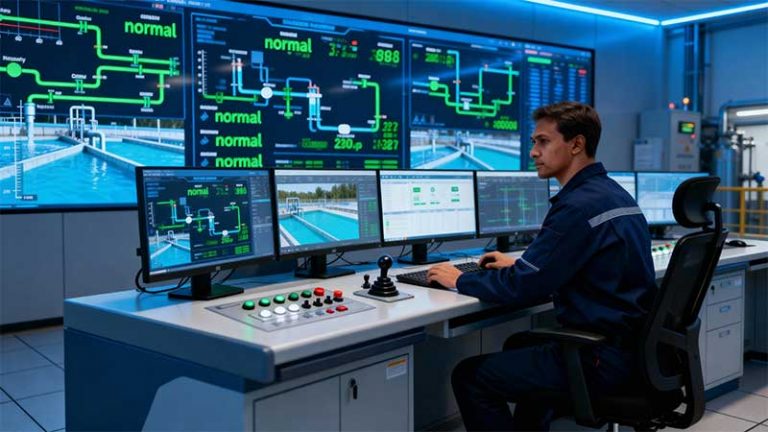
Yes. The smart control systems would be able to monitor the flow rate, pressure, turbidity, alarms, and equipment status. In addition, they allow the operator to identify problems such as membrane fouling.