
Buy a plant the way you’d buy an appliance and you get a typical job. That’s the whole problem. Two plants in the same city can do completely different work. One starts from turbid river water. The other starts from brackish groundwater and hands its clean output to a reverse osmosis (RO) train. “Typical” is doing a lot of work in the brochure. The gap between your real water and the catalogue default is the reason a plant is assembled, not selected.
Why Off-the-Shelf Plants Fall Short
A catalogue unit assumes two things. A fixed source. A fixed target. Fine when both are ordinary. Push the feed toward unusual turbidity, or real salinity, or an output standard stricter than the default, and the mismatch moves in quietly. It does not show up at the point of sale. It shows up later — foul membranes, re-treatment you never budgeted for,capacity that ends up oversized or undersized. A customised plant starts from your water and where that water has to end up. Not from a catalogue entry.
How a Customised Treatment Plant Works
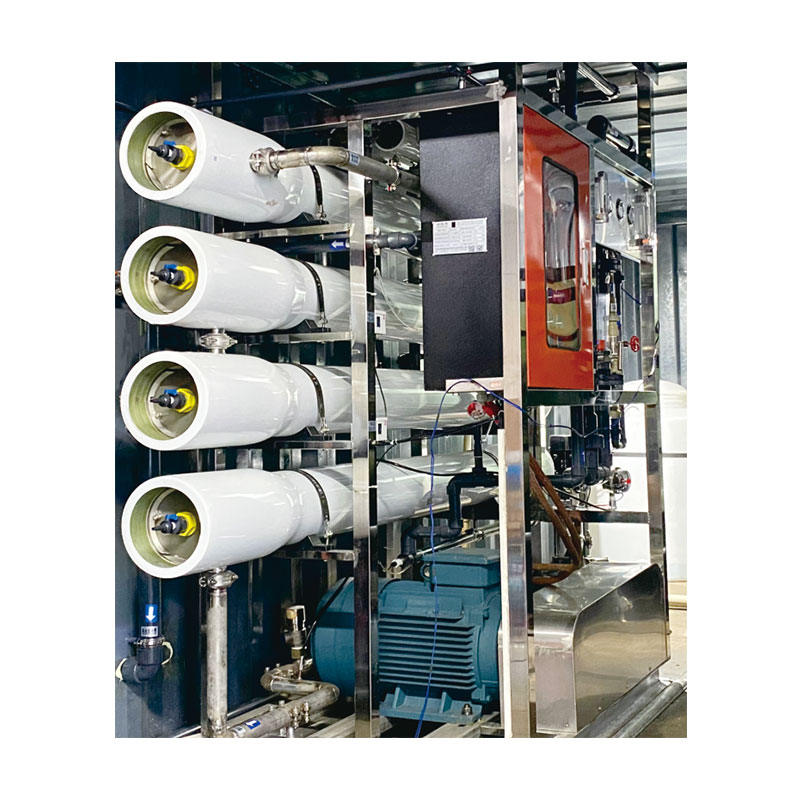
Where does customisation actually happen? The process level. Not the label level. On one platform, we configure four things: ultrafiltration (UF), reverse osmosis (RO), energy recovery (ER), and intelligent control. Then we combine them to fit the industry and the source. That combination is drawn from a library of project experience built up over ten years, so the line that ships is stable and adaptable — not a compromise.
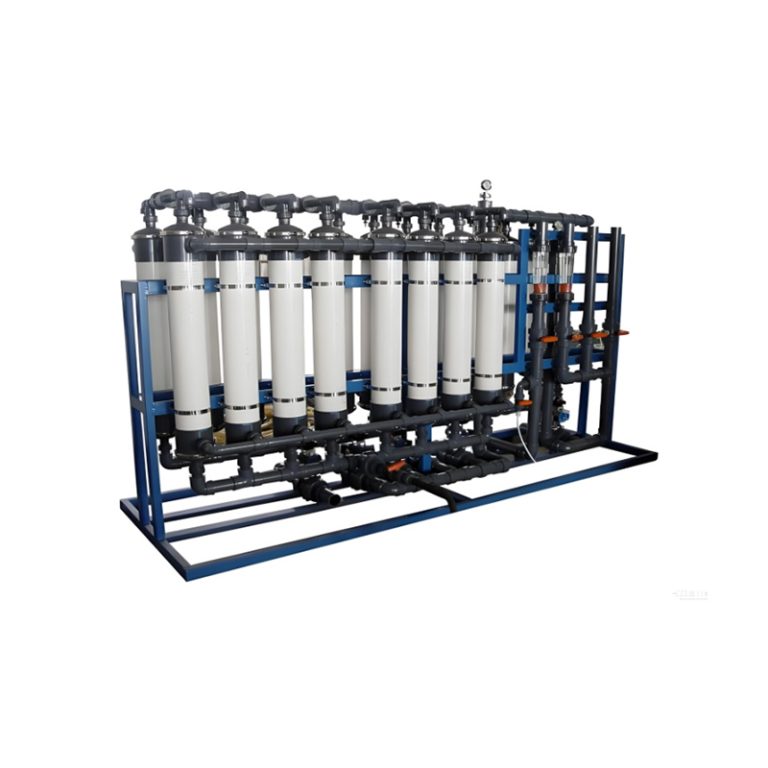
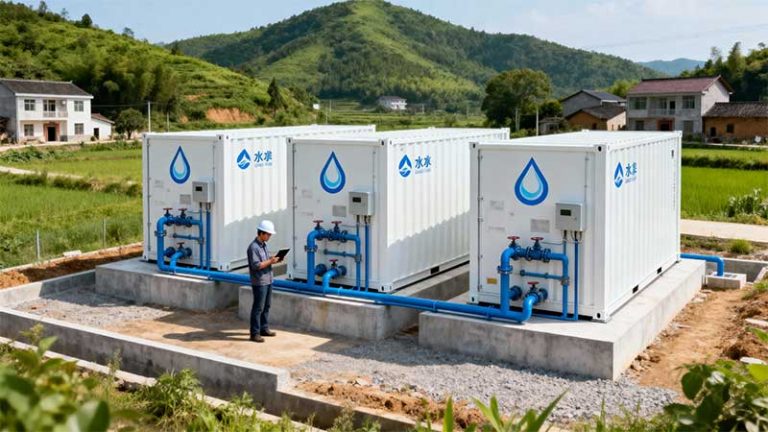
It is assembled the way it is configured. Standardised modules — a pretreatment unit, a membrane filtration unit, a control unit — each built and tested on its own lean line before anything leaves the factory. A modular water treatment plant therefore arrives already proven to work as one system. It can change its recipe without rebuilding the plant.
The Membranes Behind the Customisation
Water quality is earned at the membrane. Everything else — the pumps, the tanks, the wiring — is plumbing.
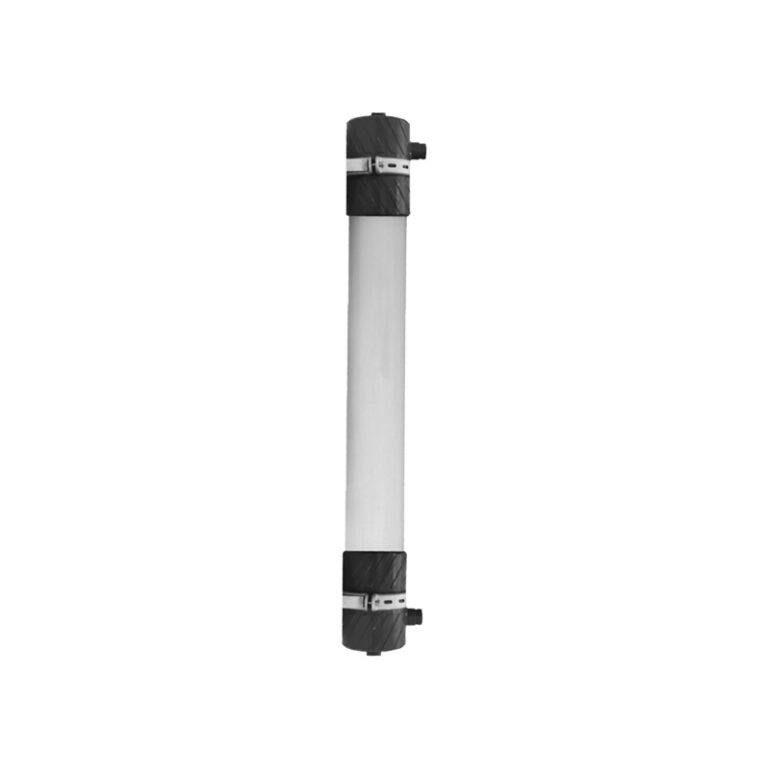
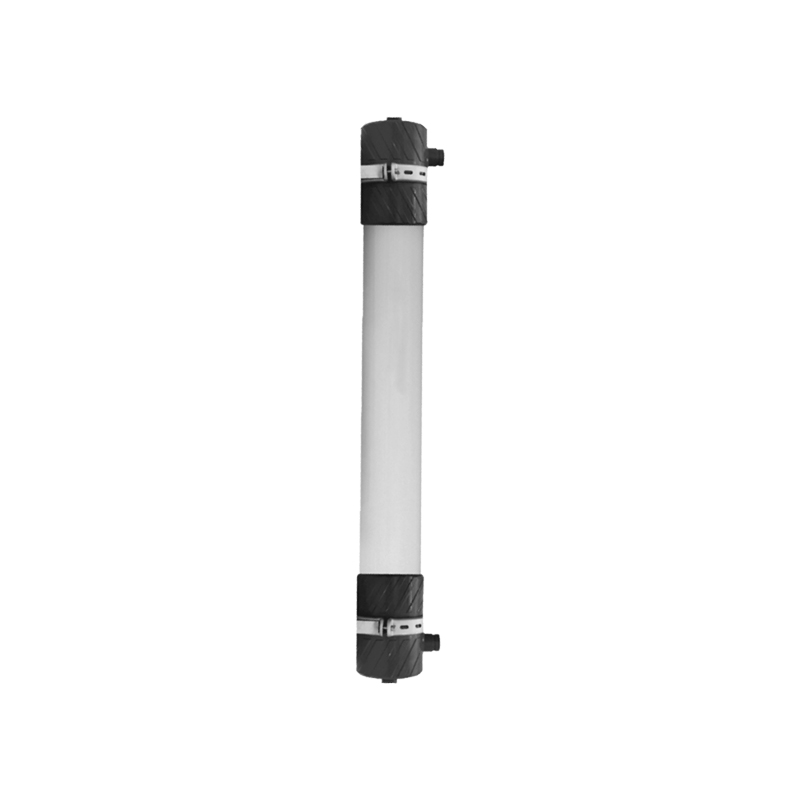
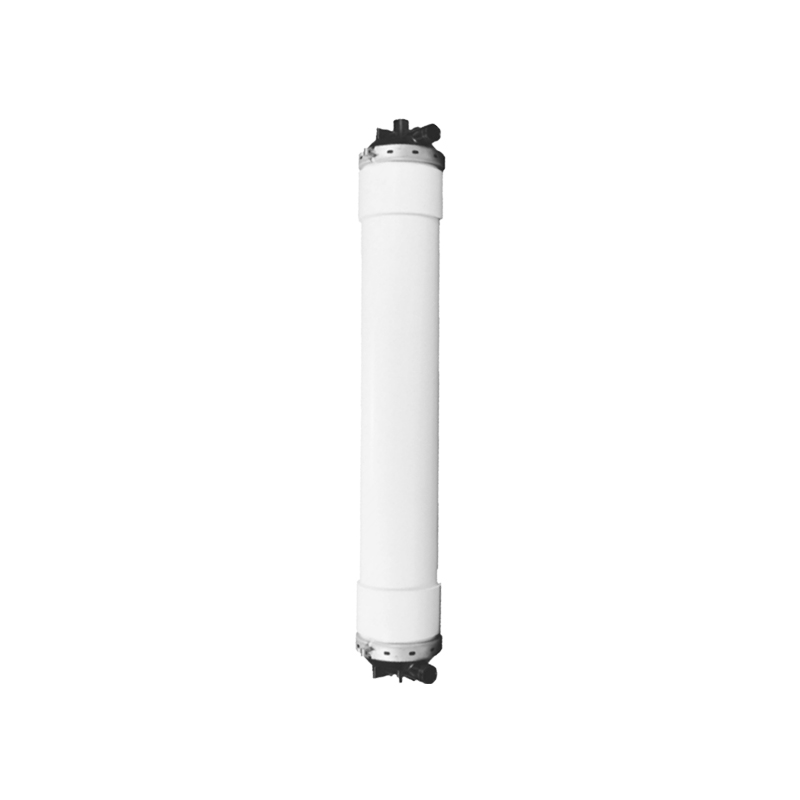
Turbid river water. Variable surface water. Brackish groundwater. A hollow fiber ultrafiltration membrane front end does the heavy lifting. Its nominal pore size is 0.01 microns, small enough to catch suspended solids, colloids, bacteria, even viruses. The water that comes out has turbidity under 0.1 NTU and SDI15 under 3, making it clean feed for a downstream RO stage or high-quality water on its own.
Saline source? Reverse osmosis takes over. We choose the high-efficiency RO core for high recovery and high desalination, so the finished water meets — and can exceed — drinking-water and industrial-water standards.
Seawater is its own animal. The LRFR foulingresistant RO membranes achieve salt rejection of 99.599.85% across membrane and series grades, providing effective removal of dissolved salts including boron. Note the band. That figure is rated at the membrane-and-series grade level, not a fixed number stamped on one plant. Picking UF or RO, and which grade, is the whole of customising the membrane.
Matching Capacity, Source and Output
Process is half the match. Capacity is the other half.
We size to real demand, not to a round figure. The architecture is modular. When demand grows, you add capacity — building blocks, not a torn-down-and-rebuilt first plant. Your initial investment stays protected. No oversized day one.
Destination? It is in the spec too. Purified surface or groundwater is designed to meet and exceed national drinking-water hygiene standards. Municipal supply. Community purification. Emergency water. In industrial water treatment the target is a process line. Not a tap. In a seawater desalination plant it is the salt load. Line up the source, the capacity, the output. The plant does exactly the job you bought. No more.
What Customisation Means in Practice
It does not stop at commissioning. It is how the plant behaves on an ordinary Tuesday.
IoT sensors and a cloud platform watch water quality, flow rate, pressure, equipment status — in real time — and the data moves you from scheduled, passive toward predictive maintenance. The plant flags a membrane about to foul before it does. The same line keeps meeting your target as the water and the load drift. That’s the whole payoff.
What to Look for in a Customisation Partner
What actually matters is one thing: the ability to configure. Can the partner take UF, RO, energy recovery and control and actually combine them with your source and your standard? Or is it going to sell you the nearest catalogue item?
It shows in how the plant is built. Standardised modules, independently tested, that already work as one system. Behind them: a base of project experience across water conditions and industries. The configuration comes from what has been done before. Not a guess. Judge a partner on whether it customises to your water. That is the only test worth running.
HOSONWATER designs and delivers industrial water treatment systems customised to your source water and your output standard, and we can walk through your water and your application before you commit to a configuration.
FAQ
What does “customising” a water treatment plant actually mean?
Configuring the process — the right mix of ultrafiltration, reverse osmosis, energy recovery and control — together with the membranes, the capacity, the monitoring, to your specific source water and your required output. Not picking a fixed model number.
Can one plant be configured for different water sources?
Yes. The same modular platform runs a UF-first train for turbid or brackish water, or reverse osmosis (RO) train for saline feed. The source decides which process, and which membrane grade, goes inside.
How is water quality actually achieved in a customised plant?
Through the membranes. Ultrafiltration holds product water under 0.1 NTU of turbidity. Reverse osmosis — including the dedicated fouling-resistant seawater membranes — keeps salt rejection in the 99.5 to 99.85 percent band. The finished water meets drinking and industrial standards.
What if capacity needs grow later?
You connect additional modules. The modular architecture raises output as demand grows, which protects the initial investment instead of forcing a whole new build.
How does a customised plant stay stable over time?
IoT sensors and a cloud platform track water quality, flow, pressure, equipment status in real time. The data drives predictive maintenance, so problems are caught early and the plant keeps hitting its target as conditions change.