

Pengantar
Kekurangan air bersih bukan lagi sekadar masalah jangka pendek bagi daerah pesisir dan kering. Hal ini telah menjadi hambatan besar dalam membangun infrastruktur, mengembangkan industri, dan bersiap menghadapi krisis. Di banyak tempat di Asia Tenggara, Afrika, dan Timur Tengah, masyarakat tidak lagi dapat mengandalkan sumber air tawar yang tidak stabil. Tekanan ini telah memaksa para pemimpin dan insinyur untuk menemukan cara yang lebih baik untuk mengubah air laut menjadi pasokan yang stabil. Karena itu, pabrik desalinasi air laut modern dan perangkat seluler pintar mengubah cara kita menangani operasi air saat ini.
Fasilitas gaya lama membutuhkan waktu lama untuk dibangun. Sebaliknya, sistem pengolahan air laut saat ini bersifat modular dan muat dalam kontainer. Sistem ini dirancang untuk pemasangan yang cepat. Perubahan ini bukan hanya tentang peralatan, tetapi juga tentang strategi. AIR HOSON Perusahaan-perusahaan pabrik desalinasi kini memproduksi unit-unit serbaguna. Alat-alat ini dapat menangani kebutuhan harian reguler maupun keadaan darurat air mendadak tanpa penundaan.
Bagaimana Desalinasi Air Laut dengan Osmosis Terbalik Mendefinisikan Produksi Air Modern
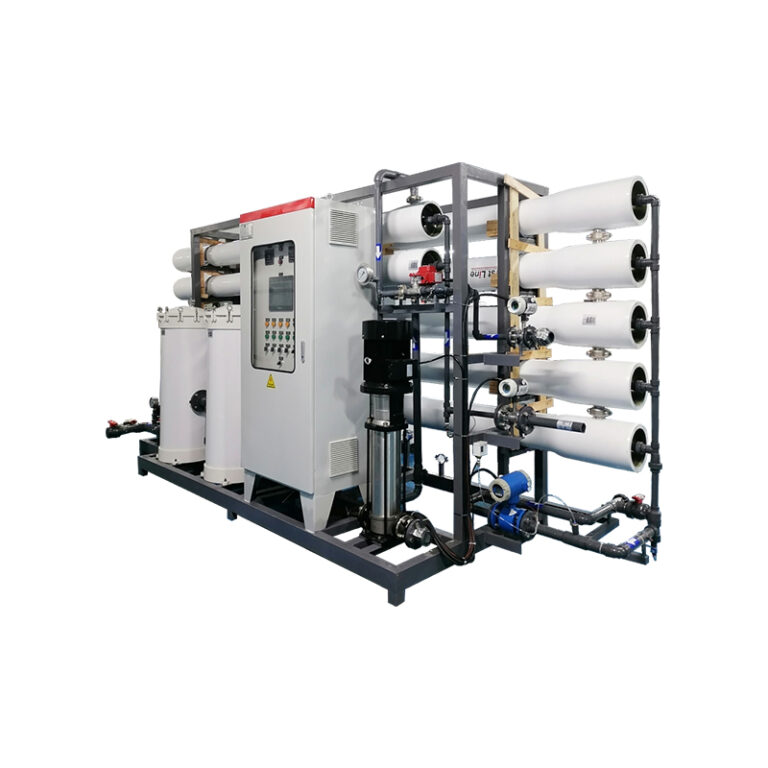
Inti dari sistem desalinasi air laut modern adalah teknologi osmosis terbalik (RO). Proses ini menggunakan membran semipermeabel untuk memisahkan garam terlarut dari air laut di bawah tekanan tinggi. Teknologi ini telah menjadi pilihan utama bagi industri. Hal ini karena efisien, mudah dikembangkan, dan selalu menghasilkan air berkualitas tinggi.
Unit desalinasi air laut osmosis terbalik kelas atas menggunakan komponen hemat energi. Komponen-komponen ini menurunkan tekanan yang dibutuhkan untuk proses tersebut. Hal ini membantu mengurangi tagihan listrik seiring waktu. Data dari unit modular ini menunjukkan sistem mencapai tingkat pemulihan sekitar 35%. Pada saat yang sama, sistem mencapai tingkat penolakan garam ≥99,2%. Ini memastikan air aman untuk diminum bahkan ketika mengolah air laut dengan salinitas tinggi dan kadar TDS yang tinggi.
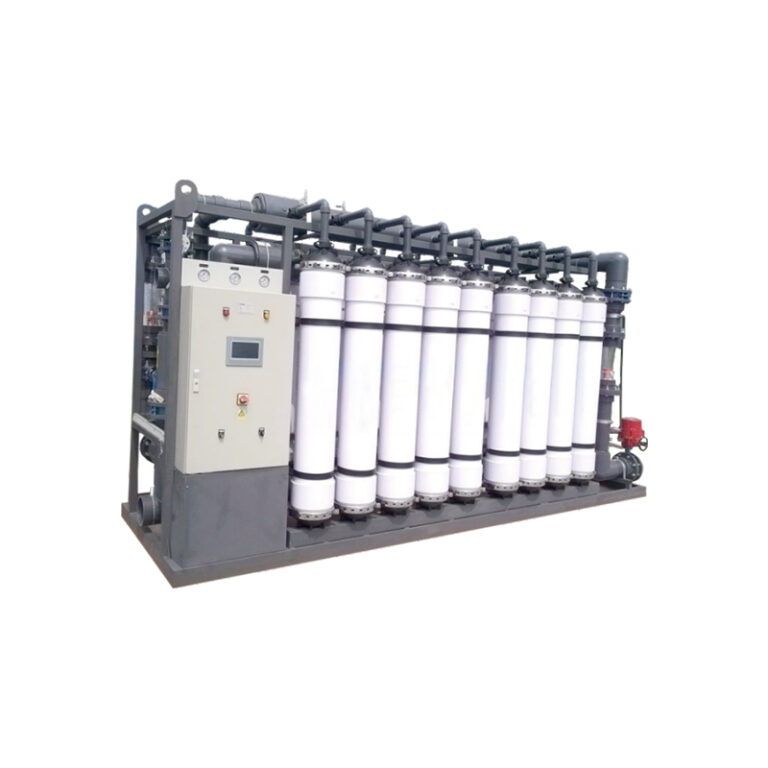
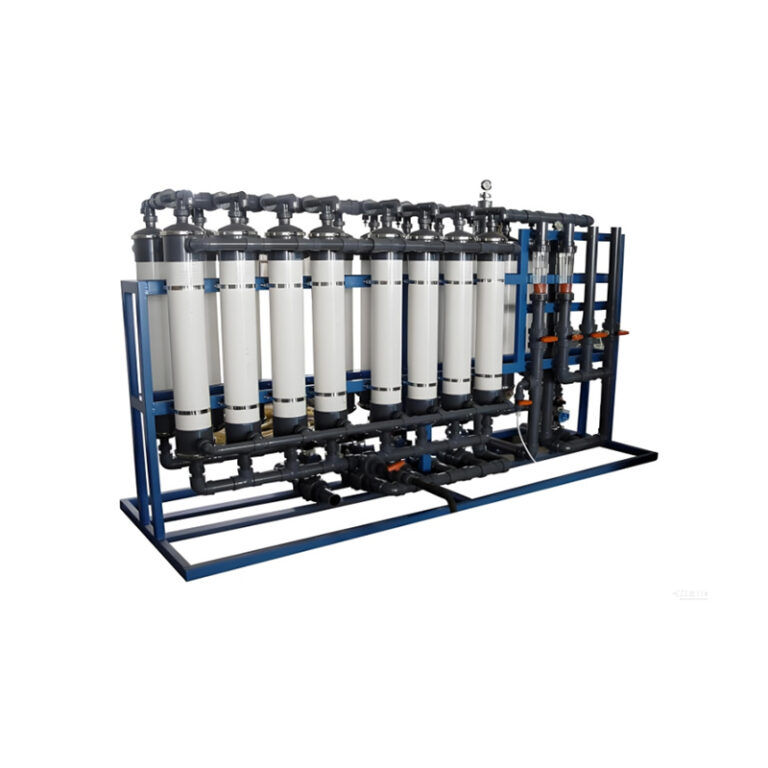
Membersihkan air terlebih dahulu adalah kunci agar mesin tetap berfungsi dengan baik. Sistem UF mengurangi pengotoran membran RO dengan menghilangkan padatan tersuspensi, mikroorganisme, dan bahan organik sebelum proses RO. Ini membantu mesin beroperasi lebih lama tanpa berhenti. Ini juga berarti lebih sedikit pembersihan dengan bahan kimia. Ini merupakan keuntungan besar untuk pulau-pulau atau lokasi lepas pantai di mana bantuan sulit didapatkan.
Apa yang Mendefinisikan Sistem Pengolahan Air Laut Modern dalam Aplikasi Industri?
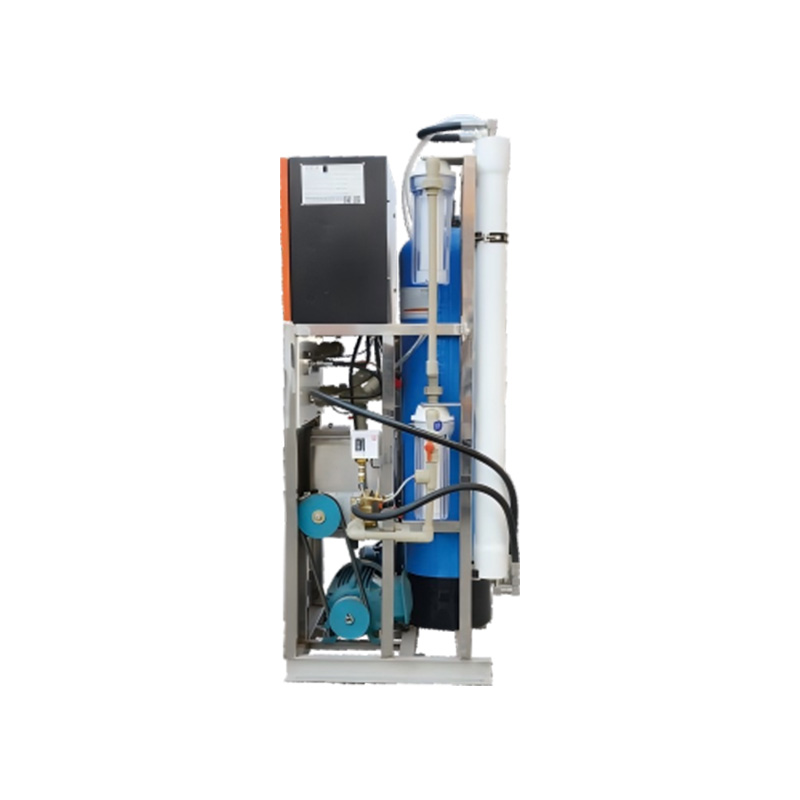
Sistem pengolahan air laut modern adalah proses terintegrasi multi-tahap yang menggabungkan pra-pengolahan, desalinasi, dan kontrol cerdas. Ini adalah pengaturan berlapis yang memadukan pembersihan, penghilangan garam, dan pelacakan cerdas. Tujuan utamanya adalah untuk memastikan produksi air tawar yang berkelanjutan dan stabil. Sistem ini harus tetap andal dan bekerja 24/7 tanpa mengalami kerusakan.
Dalam penggunaan di dunia nyata, sistem pengolahan air laut harus tangguh. Sistem ini harus mampu menangani air dengan kandungan garam 40.000 ppm. Sistem ini juga harus tetap stabil baik dalam suhu panas terik maupun udara laut yang dingin. Fleksibilitas ini sangat penting untuk lokasi pertambangan, pabrik di tepi pantai, dan desa-desa kecil.
Sistem terbaru mengadopsi desain modular yang dipasang pada rangka (skid-mounted), di mana semua unit proses diprefabrikasi dan diuji di pabrik sebelum pengiriman. Ini berarti seluruh lini dibangun dan diuji di pabrik sebelum dikirim. Hal ini secara signifikan mengurangi waktu instalasi di lokasi dan beban kerja komisioning. Ini juga memastikan mesin bekerja dengan cara yang sama terlepas dari lingkungan penempatannya.
Mengapa Sistem Desalinasi Portabel Mengubah Logistik Tanggap Darurat?
Kebutuhan akan sistem desalinasi portabel semakin meningkat karena semakin seringnya terjadi bencana alam. Banjir dan badai seringkali merusak pipa air kota. Ketika ini terjadi, masyarakat terputus dari air bersih. Hal ini menciptakan kebutuhan mendesak akan unit-unit kecil yang dapat menghasilkan air langsung di tempat.
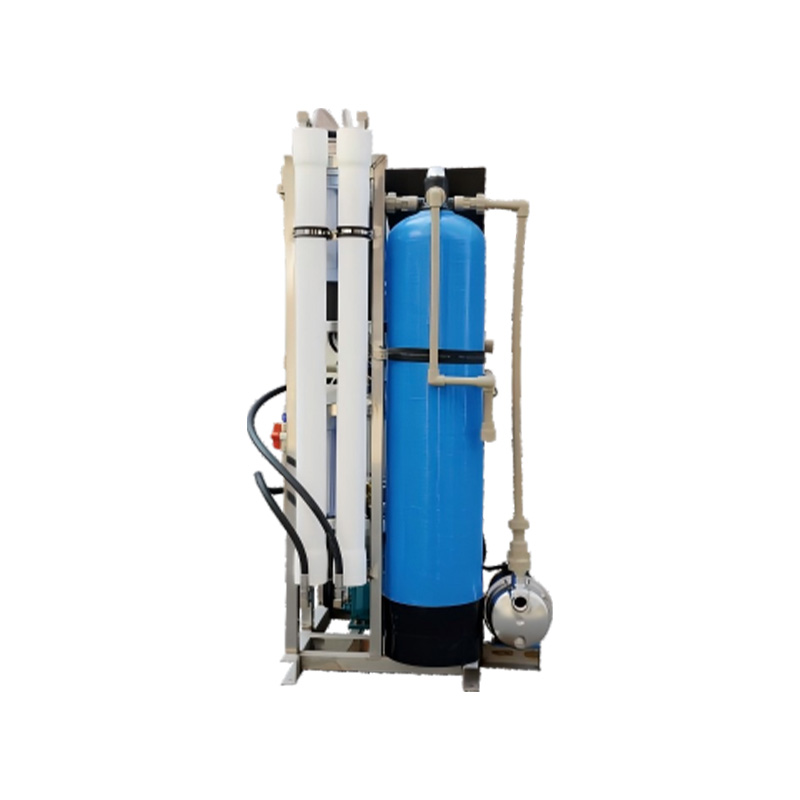
Sistem desalinasi portabel adalah alat lengkap dan serbaguna. Anda dapat memindahkannya dengan truk atau kapal. Setelah terhubung dengan daya dan selang ke laut, sistem ini mulai bekerja hanya dalam beberapa jam. Tidak seperti instalasi desalinasi air laut besar, unit-unit ini berfokus pada kecepatan. Sistem ini ringkas dan dapat beroperasi dengan kebutuhan personel minimal.
Dalam situasi krisis, sistem desalinasi portabel adalah penyelamat. Sistem ini dengan cepat memulihkan pasokan air minum dalam kondisi darurat. Anda tidak perlu menunggu berbulan-bulan untuk memperbaiki instalasi yang rusak. Ini sangat membantu untuk pulau-pulau dan daerah pesisir di Afrika atau Asia. Di tempat-tempat tersebut, memindahkan peralatan berat seringkali sangat sulit.
Unit Desalinasi Bergerak vs Infrastruktur Tetap dalam Desain Sistem Pengolahan Air Laut
Perbedaan utama antara unit desalinasi bergerak dan instalasi desalinasi air laut tetap terletak pada fleksibilitas penempatan dan skala produksi. Instalasi desalinasi air laut besar dibangun untuk tetap berada di satu tempat dan menghasilkan air dalam jumlah besar. Di sisi lain, desain unit desalinasi bergerak berfokus pada kemudahan pemindahan dan kecepatan pengoperasian.
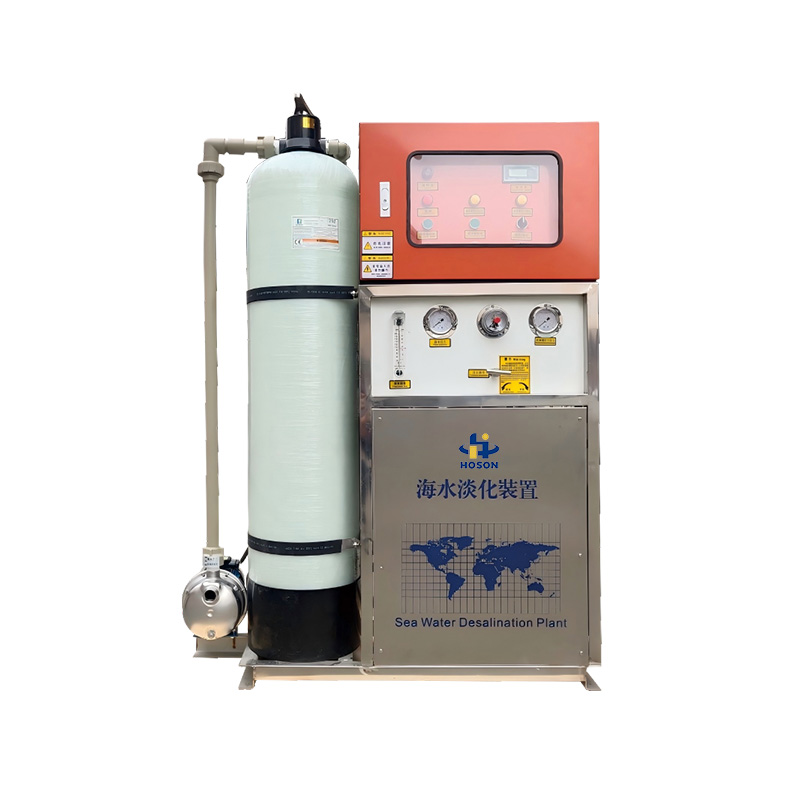
Unit desalinasi bergerak biasanya terintegrasi ke dalam struktur kontainer atau yang dipasang di atas rangka, memungkinkan relokasi cepat dan pengoperasian yang cepat di berbagai lokasi penempatan. Unit ini sangat cocok untuk lokasi konstruksi, pengeboran minyak, atau kamp sementara bagi orang-orang yang membutuhkan.
Pembangkit desalinasi air laut permanen membutuhkan pekerjaan beton yang berat dan banyak waktu untuk beroperasi. Pembangkit ini menghasilkan lebih banyak air, tetapi tidak dapat dipindahkan jika kebutuhan berubah. Karena alasan ini, banyak peralatan desalinasi Perusahaan tanaman kini menawarkan kedua jenis tersebut untuk memberikan lebih banyak pilihan kepada pelanggan.
Gambaran Umum Rekayasa Teknis dan Konfigurasi Produk
Seri FSHB adalah contoh bagus bagaimana rekayasa modular bekerja. Unit-unit ini menggunakan pengaturan RO standar dan menghemat energi. Unit-unit ini dikemas dalam kontainer siap pakai. Hal ini membuatnya cocok untuk penggunaan di pabrik maupun pekerjaan darurat.
| Model | Kapasitas (TPD) | Daya (kW) | Tingkat Pemulihan | Penolakan Garam | Fokus Aplikasi |
| FSHB-320 | 320 | 75 | 35% | ≥99.2% | Pembangkit desalinasi air laut untuk keperluan industri dan kota. |
| FSHB-240 | 240 | 52.5 | 35% | ≥99.2% | Komunitas pesisir menengah dan kawasan industri |
| FSHB-150 | 150 | 37 | 35% | ≥99.2% | Pengembangan pulau dan sistem pengolahan air laut modular |
| FSHB-100 | 100 | 30 | 35% | ≥99.2% | Penggunaan sistem desalinasi portabel dan penyebaran mobile |
Konfigurasi ini menunjukkan cara meningkatkan skala tanpa mengubah teknologi utama desalinasi air laut osmosis terbalik. Setiap unit menghasilkan air bersih sekaligus dapat ditempatkan di lokasi yang berbeda dan memenuhi kebutuhan yang berbeda.
Komponen hidrolik yang cerdas membantu menghemat daya. Hal ini menjaga biaya operasional tetap rendah. Selain itu, rangka yang ringkas berarti unit besar pun mudah dikirim. Anda tidak perlu membangun banyak hal di lokasi untuk memulai pengoperasiannya.
Skenario Penerapan di Pasar Air yang Sedang Berkembang
Di Asia Tenggara, resor-resor baru dan kota-kota yang berkembang kini bergantung pada sistem pengolahan air laut modular. Hotel-hotel yang terletak jauh dan pusat-pusat perikanan sering menggunakan sistem yang berbeda. unit desalinasi bergerakHal ini membantu mereka menjaga aliran air setiap hari.
Di Afrika, tambang dan pabrik di pedalaman menggunakan sistem desalinasi portabel untuk mengatasi kekurangan air tawar. Unit-unit ini menyediakan pasokan yang stabil. Anda tidak perlu membangun pipa yang panjang dan mahal untuk menggunakannya.
Di Timur Tengah, unit desalinasi darurat sering digunakan sebagai cadangan. Ladang minyak dan anjungan pengeboran minyak selalu menyiapkannya jika pasokan air utama gagal. Hal ini memungkinkan pekerjaan tetap berjalan bahkan selama perbaikan.
Di mana-mana, perusahaan pabrik desalinasi membuat peralatan yang mudah dipindahkan dan hemat energi. Ini menunjukkan tren global menuju produksi air tepat di tempat yang dibutuhkan.
Kesimpulan
Perubahan yang terjadi pada instalasi desalinasi air laut menunjukkan jalan baru bagi keamanan air dunia. Kita beralih dari stasiun pusat yang besar ke unit modular yang fleksibel. Teknologi seperti desalinasi air laut osmosis terbalik kini bukan hanya untuk kota-kota besar. Teknologi ini sangat penting untuk keadaan darurat dan tempat-tempat terpencil di mana kecepatan adalah hal yang paling utama.
Seiring dunia mencari sistem pengolahan air laut yang lebih baik, alat-alat ini akan menjadi pelopornya. Penggunaan sistem desalinasi portabel, unit desalinasi darurat, dan unit desalinasi bergerak akan menjadi standar. Ini bukan lagi sekadar alat 'tambahan'. Alat-alat ini sekarang berada di pusat bagaimana kita melindungi masa depan air kita.
FAQ (Pertanyaan umum)
Apa kegunaan sistem desalinasi portabel di pabrik desalinasi air laut?
Sistem desalinasi portabel yang terintegrasi dalam instalasi desalinasi air laut digunakan untuk menghasilkan air minum dengan cepat di lingkungan terpencil dan tanpa akses jaringan listrik. Sistem ini menyediakan air tawar secara langsung tanpa memerlukan bangunan permanen.
Bagaimana proses desalinasi air laut dengan osmosis terbalik meningkatkan efisiensi sistem pengolahan air laut?
Desalinasi air laut dengan osmosis terbalik meningkatkan sistem pengolahan air laut dengan menggunakan pemisahan membran bertekanan tinggi untuk menghilangkan garam terlarut dan kotoran dari air laut. Hal ini menghasilkan air berkualitas tinggi dan menggunakan lebih sedikit daya.
Bagaimana perusahaan pabrik desalinasi mendesain unit desalinasi darurat untuk penggunaan di lepas pantai?
Perusahaan pabrik desalinasi membangun unit desalinasi darurat di atas kerangka logam yang kuat. Mereka menggunakan material yang tangguh dan desalinasi air laut osmosis terbalik untuk memastikan unit tersebut berfungsi di laut.
Apa perbedaan antara sistem pengolahan air laut dan sistem desalinasi portabel?
Sistem pengolahan air laut biasanya merupakan infrastruktur desalinasi stasioner berkapasitas tinggi yang dirancang untuk pengoperasian berkelanjutan jangka panjang. Sistem desalinasi portabel adalah unit kecil yang mudah dipindahkan untuk kebutuhan air jangka pendek atau mendesak.