
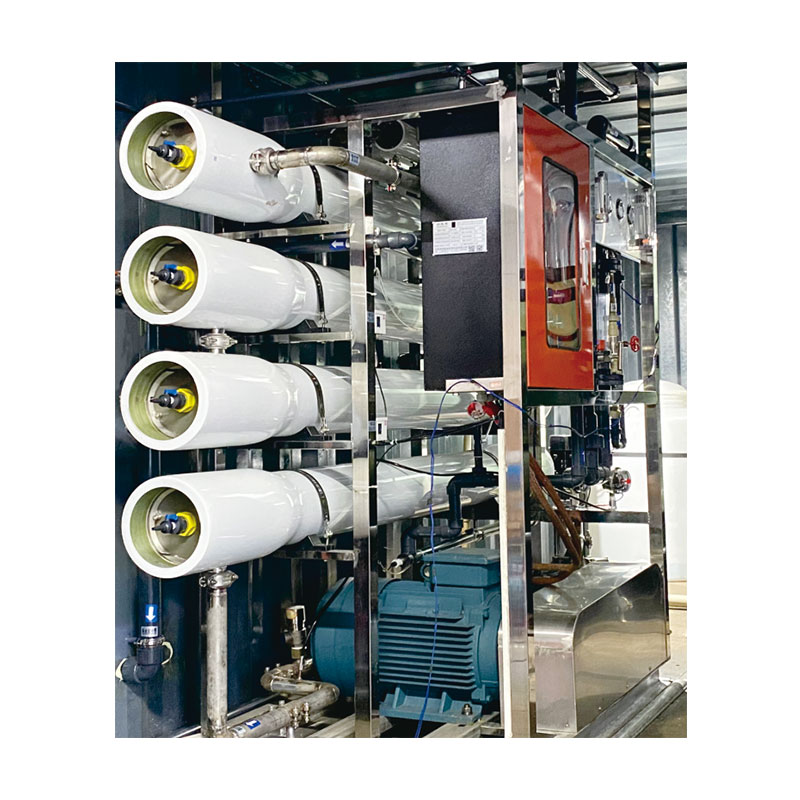
A adoção da dessalinização marinha por osmose reversa (OR) está crescendo rapidamente em todo o mundo. Esse crescimento é impulsionado pela crescente necessidade de dessalinização de água em áreas marinhas sensíveis. Para embarcações comerciais, estações de pesquisa remotas e indústrias marítimas, a instalação de um sistema confiável de dessalinização de água em barcos tornou-se uma realidade. Deixou de ser um luxo para atender às regulamentações e passou a ser uma necessidade operacional. No entanto, um importante desafio de engenharia e ambiental permanece no cerne dessa mudança. Embora um sistema avançado de dessalinização por osmose reversa para barcos resolva a escassez de água doce em alto mar, ele também gera uma salmoura concentrada, frequentemente chamada de descarte de salmoura. Se as tripulações manusearem essa salmoura de forma inadequada ou a liberarem sem os devidos cuidados, esse fluxo de resíduos representa riscos evidentes para os ecossistemas marinhos sensíveis.
Compradores marítimos, tripulações de embarcações e consultores de engenharia que atuam no Oriente Médio, África e Sudeste Asiático. negócios de desalinação Agora, enfrentam regulamentações locais mais rigorosas e verificações ambientais. Reduzir os perigos do descarte de água com excesso de sal tornou-se uma tarefa primordial. Isso ajuda a manter as operações estáveis em rotas de navegação movimentadas, construções costeiras e zonas marinhas protegidas. Encontrar o equilíbrio certo entre a produção de água doce em alto-mar e o cuidado com o mar exige um conhecimento preciso da composição da salmoura, dos pontos fracos ecológicos locais e da utilização de projetos de sistemas sustentáveis.
Qual é a composição química da salmoura de dessalinização produzida por embarcações marítimas?
Primeiramente, os engenheiros precisam verificar as características químicas e físicas exatas do fluxo de resíduos. Essa etapa os ajuda a lidar com os impactos ecológicos dos sistemas de osmose reversa marinha. O principal resíduo da limpeza por osmose reversa é a salmoura espessa, que apresenta um nível muito alto de Sólidos Totais Dissolvidos (STD). A água do mar normal da região tem um nível básico de salinidade entre 35.000 ppm e 45.000 ppm. Esse nível varia conforme o local exato no mapa. A salmoura que sai de pequenas unidades de dessalinização padrão para barcos geralmente atinge quase o dobro desse nível básico, podendo chegar a 70.000 ppm ou 80.000 ppm.
O efluente das usinas de dessalinização marinha também contém diversos produtos químicos e outros poluentes adicionados. Estes provêm do uso normal e das etapas de manutenção. Incluem antincrustantes especiais que impedem a formação de incrustações nas membranas, resíduos de biocidas das etapas iniciais de tratamento e resíduos da limpeza ácida ou básica durante as etapas de limpeza CIP (Clean-in-Place). A alta pressão no sistema também pode fazer com que traços de metais pesados, como cobre, níquel e ferro, entrem no efluente devido ao desgaste lento das peças de liga metálica. A maneira como os pequenos sistemas padrão de tratamento de efluentes são processados é diferente. equipamento de desalinação A configuração dos barcos determina como essas misturas químicas se tornam mais concentradas. Portanto, um bom controle do processo é crucial antes de qualquer liberação para reduzir a toxicidade no mar.
| Classificação de sistemas | Capacidade nominal (TPD) | Consumo de energia (kW) | Taxa padrão de rejeição de sal | Configuração típica de descarga |
| Tipo de mala portátil | 0.5 – 1.5 | 0.75 – 1.5 | ≥ 99,2% | Descarga intermitente em lotes através de uma única porta localizada. |
| Compacto Modular / Iate | 3.0 – 5.0 | 1.5 – 2.2 | ≥ 99,2% | descarga contínua de baixo volume em linha |
| Embarcação Comercial / Plataforma Offshore | 10 – 100 | 4.5 – 30 | ≥ 99,2% | Fluxo contínuo de alto volume com arranjo de descarga multiportas |
| Fábrica Industrial/de Resort Insular | 100 – 320 | 30 – 75 | ≥ 99,2% | Emissário submarino dedicado com sistema de difusão projetado. |
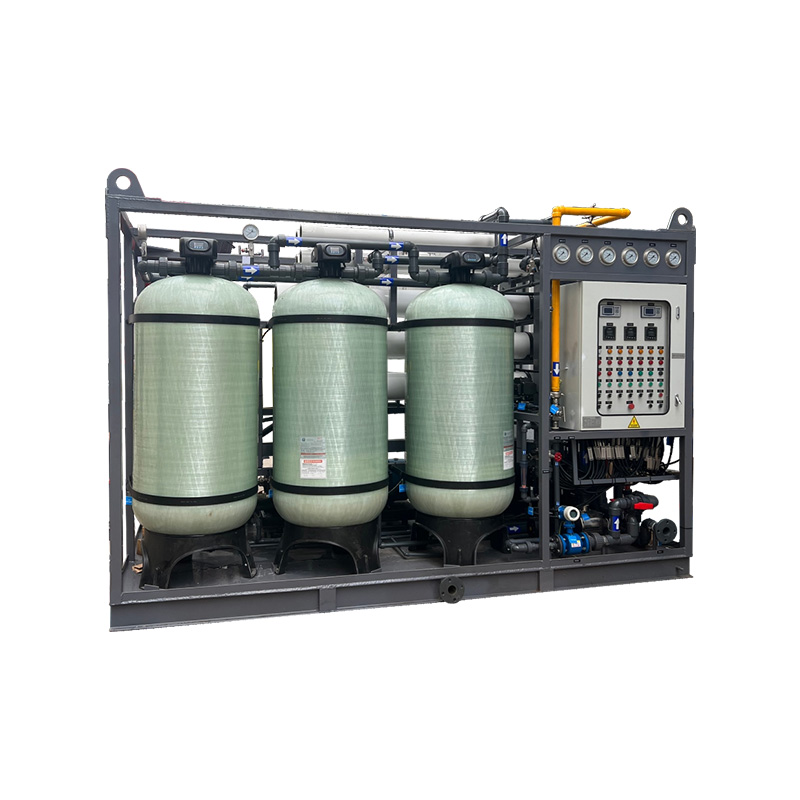
Por que o descarte de salmoura concentrada representa uma ameaça para ecossistemas marinhos vulneráveis?
As regras básicas de movimentação de fluidos e de vida marinha controlam os riscos ambientais provenientes de águas residuais com alta concentração de sal. A salmoura tem uma densidade muito maior do que a água do mar normal. Portanto, ela não se mistura facilmente ao sair de uma embarcação marítima padrão. Em vez disso, forma uma estratificação distinta na pluma de salmoura, um padrão de camadas nítido na coluna d'água causado pelo descarte concentrado de salmoura. Os resíduos mais densos afundam diretamente até o fundo do mar. Isso forma uma camada separada, muito salgada e com baixo teor de oxigênio no fundo. Essa camada cobre o fundo do mar e pode sufocar a vida marinha que não consegue se mover, invertebrados bentônicos e importantes pradarias marinhas.
A intensidade dessa estratificação depende das características marítimas locais. Esse fato torna a questão muito importante para as tripulações em rotas marítimas mais recentes.
Além da estratificação física, as alterações no pH local causadas por produtos químicos de limpeza e antincrustantes provocam danos contínuos. Essas mudanças nas condições interrompem os ciclos reprodutivos dos animais marinhos, alteram os microrganismos do fundo do mar e prejudicam as áreas de pesca essenciais para a renda das cidades costeiras.
Como os operadores podem conciliar as operações marítimas com as rigorosas regulamentações ambientais?
Para conciliar o trabalho diário no mar com o cuidado com o meio ambiente, as tripulações devem acompanhar de perto as mudanças na legislação. As operações marítimas modernas seguem as normas globais, sobretudo a Convenção Internacional para a Prevenção da Poluição por Navios, além das exigências regulatórias locais dos órgãos de proteção ambiental. Essas normas agora classificam certas zonas costeiras, baías rasas e áreas de corais como zonas marinhas protegidas ou áreas marítimas sensíveis. Nesses locais, o descarte direto de salmoura de osmose reversa não tratada ou não diluída é proibido ou sujeito a multas elevadas.
Para cumprir integralmente essas normas rigorosas, as tripulações marítimas não podem depender de sistemas de água antigos e de baixa eficiência. Elas precisam adquirir um dessalinizador de barco certificado e de alta eficiência, que ofereça controle preciso de recuperação de água. desalinação eficienteEssa medida tornou-se uma regra fundamental para frotas comerciais, navios de perfuração e plataformas de construção naval. Os planos de compra modernos devem priorizar sistemas projetados para aumentar a produção de água pura, reduzindo o volume total e os danos químicos do fluxo de resíduos. Essa abordagem mantém as operações navais livres de penalidades legais ou paralisações em águas restritas.
Que tecnologias definem um sistema de dessalinização de embarcações verdadeiramente sustentável?
Para superar os problemas ambientais da salmoura da dessalinização, as equipes precisam avançar em direção a um melhor controle de fluidos e ciência de materiais. Um sistema de dessalinização de embarcações verdadeiramente sustentável se destaca por sua capacidade de alterar a forma como a água rejeitada se move e o que ela contém antes de entrar em contato com o mar. A adição de difusores multiportas precisos e válvulas de diluição ativas em linha permite que as unidades modernas misturem salmoura densa com água do mar normal ou água cinza da embarcação antes do descarte. Essa mistura planejada cria uma dispersão rápida, impede a formação de plumas densas que afundam e mantém os níveis normais de sal na zona inferior.
Como selecionar um dessalinizador de barco ecológico para operações comerciais e de campo?
Escolher um dessalinizador de barco ecológico para uso comercial intenso ou em áreas remotas significa ir além de simples números de capacidade, como toneladas por dia. Os compradores devem realizar uma análise completa da engenharia da unidade e sua adequação ao ambiente. O layout do sistema deve corresponder às condições reais de uso.
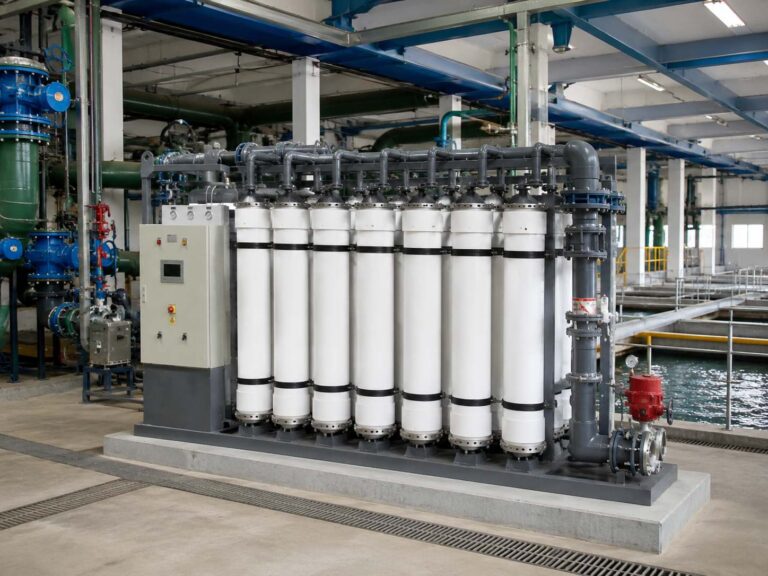
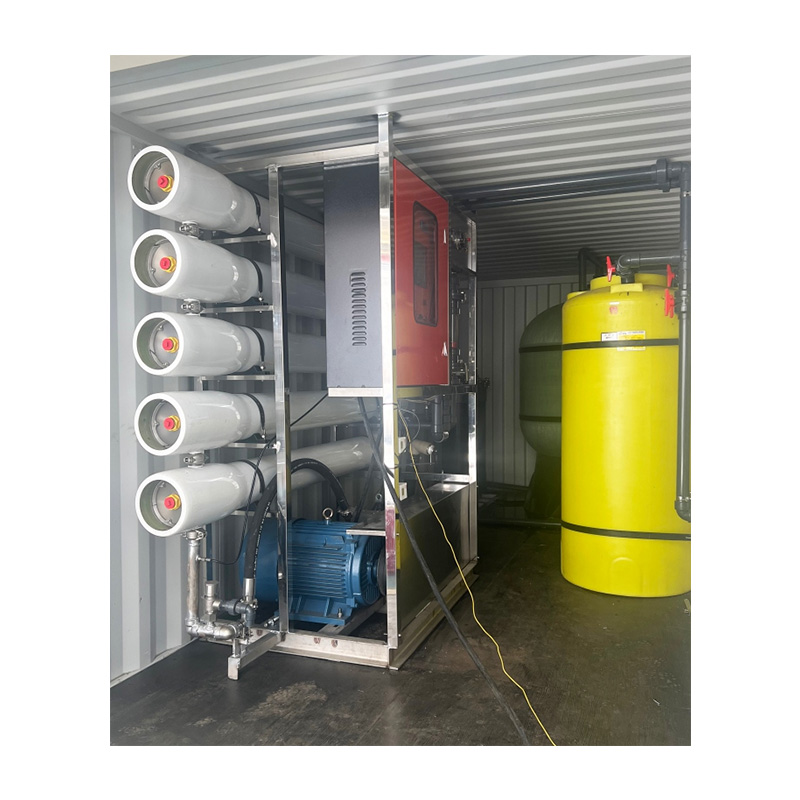
Para equipes que realizam construções em áreas em desenvolvimento, o foco da compra deve permanecer em projetos completos que ofereçam baixo custo total de propriedade (TCO) e operação de baixo impacto e sem produtos químicos. Ao adquirir um sistema de dessalinização de água de nível industrial para embarcações, as equipes devem priorizar unidades com opções de pré-filtração física. Estas podem incluir ultrafiltração avançada ou leitos de areia multimídia. Essas opções reduzem ou eliminam a necessidade de dosagem constante de antincrustantes químicos. Nosso trabalho de engenharia na HOSONWATER segue exatamente esses princípios. Fornecemos configurações tecnologicamente neutras e otimizadas que vão além dos limites das listas de produtos padrão. Ao priorizar a substituição modular de componentes, a longa vida útil da membrana e a operação comprovadamente de baixo consumo de energia, as tripulações marítimas podem adequar suas cadeias de suprimentos às metas ambientais, sociais e de governança (ESG) atuais, ao mesmo tempo em que obtêm um recurso hídrico marítimo estável e em conformidade com as normas.
Conclusão
Os problemas ambientais relacionados à liberação de salmoura espessa proveniente de unidades de osmose reversa marítimas representam um verdadeiro desafio. No entanto, um projeto bem elaborado e uma compra criteriosa podem solucionar esse problema. Ao compreender a mecânica da estratificação da pluma e a natureza química da água rejeitada, as tripulações marítimas podem abandonar práticas antigas de liberação de alto impacto. Reduzir esses riscos exige investimento em sistemas de dessalinização tecnologicamente neutros e construídos com precisão. Esses sistemas utilizam membranas de alta rejeição, aço inoxidável SUS316 resistente à corrosão e pré-filtração física avançada. Para frotas comerciais, indústrias offshore e empreendimentos costeiros no Oriente Médio, África e Sudeste Asiático, escolher um dessalinizador para embarcações ecologicamente correto, construído em conformidade com as normas ambientais, oferece um caminho claro para proteger recursos marinhos essenciais, garantindo, ao mesmo tempo, um fornecimento constante de água doce a longo prazo.
FAQ
Como um sistema de dessalinização sustentável para barcos minimiza o uso de produtos químicos durante a manutenção?
Um sistema de dessalinização sustentável para embarcações reduz a necessidade de produtos químicos por meio de estágios robustos de pré-filtração física. Membranas de ultrafiltração ou filtros multimídia automatizados removem sólidos e matéria orgânica precocemente. Essa etapa diminui a incrustação e a formação de depósitos nas membranas principais de osmose reversa e reduz a frequência da limpeza CIP (Clean-in-Place). Componentes de alta pressão em aço inoxidável SUS316 de grau alimentício também limitam o crescimento interno de microrganismos. Dessa forma, as tripulações podem manter uma alta taxa de rejeição de sal com menor uso de biocidas ou antincrustantes fortes.
Quais são os requisitos de manutenção para pequenas unidades de dessalinização para embarcações que operam em zonas de alta salinidade?
Pequenas unidades de dessalinização para embarcações que operam em águas com alta salinidade e temperatura, como o Mar Vermelho ou o Golfo Pérsico, necessitam de manutenção constante para evitar incrustações e perda de produção. As principais tarefas incluem a lavagem com água doce após cada operação para remover cristais de sal da membrana, verificações regulares das vedações da bomba de alta pressão e a troca oportuna dos filtros de sedimentos de 5 μm e 1 μm. As equipes também devem monitorar o TDS (sólidos totais dissolvidos) do produto. Caso a qualidade da água diminua, deve-se realizar uma limpeza da membrana com baixo ou nenhum produto químico, seguindo as orientações do fabricante.
Que tipo de suporte técnico pós-venda está disponível na África e no Sudeste Asiático para um sistema de dessalinização de água de alta resistência para embarcações?
O suporte pós-venda completo para sistemas de dessalinização de água de alta resistência para embarcações abrange o fornecimento mundial de peças, a substituição modular de componentes e o diagnóstico remoto. Parceiros de confiança mantêm em estoque itens padrão, como membranas DOW Filmtec de alta rejeição e cartuchos de filtro, por meio de redes locais nos principais portos da África e do Sudeste Asiático. Os modernos sistemas completos utilizam montagens modulares plug-and-play. Dessa forma, os engenheiros navais podem realizar manutenções de rotina, trocas de vedações e verificações de instrumentos sem precisar esperar a chegada da equipe da fábrica.