

A necessidade mundial de uma fonte confiável de água limpa em ambientes oceanais cresceu para registrar alturas. Isto se aplica ao funcionamento de uma base de pesquisa distante, um iate de alto nível ou uma grande plataforma industrial. A habilidade de transformar água salgada do oceano em água bebível de alto nível é o elemento chave para trabalhar sem ajuda externa. Conhecer os passos detalhados da desalinação da água do mar forma a a ção básica para ganhar uma água autosuficiente amanhã para qualquer projeto relacionado ao mar. Como fornecedor de soluções, HOSON transforma métodos de tratamento global de água em ferramentas personalizadas e prontas para usar para lidar com essas questões mundiais.
Definir o Processo Principal da Desalinação da Água Marítima
Os métodos atuais para produzir água dependem muito da tecnologia reversa da osmose (RO). Ela vai além de um simples passo de filtração. Ela atua como uma forma avançada de separar moléculas. Em um efetivo desalinação de água em grande escala sistema para barcos, água do mar não tratada se movem através de uma membrana semipermeável especial sob for ça forte. Esta configuração permite que partículas de água passem. Ao mesmo tempo, bloqueia 99,2% de sal, minerais e impurezas orgânicas.
Operações em grande escala geralmente seguem uma estrutura estrita de quatro partes. Essa configuração ajuda a manter o equipamento em boa forma e água pura.
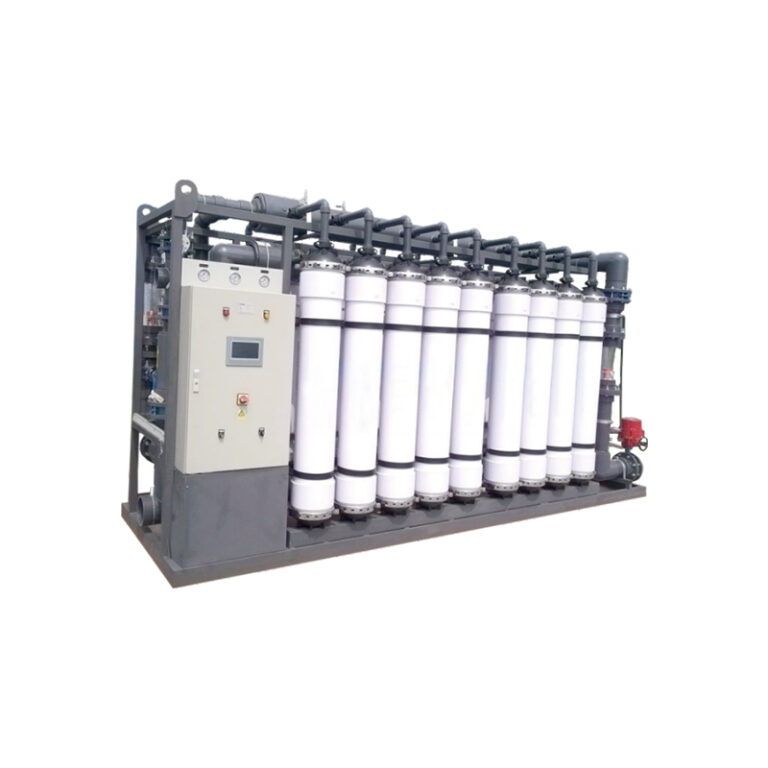
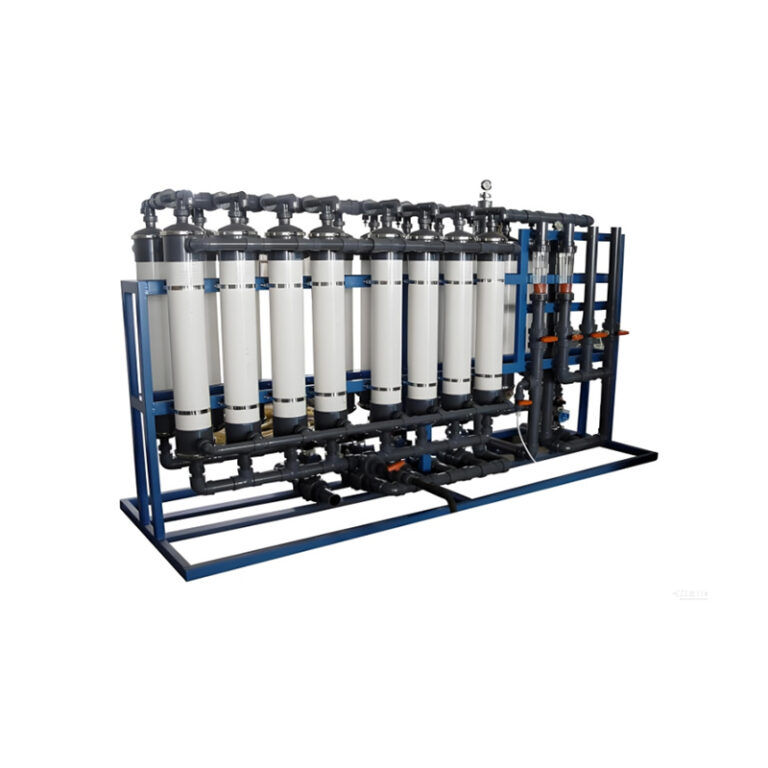
- Pré-tratamento: A água bruta entrante passa por telas dedicadas e vários filtros de mídia ou dispositivos de ultrafiltração (UF). Eles removem partículas flutuantes e pequenos organismos. O objetivo é impedir que as membranas sensíveis da RO sejam bloqueadas.
- Bombarda de alta pressão: Bombas de alta pressão fortes prontas para o mar elevam a força de água. Eles passam pela barreira osmótica habitual.
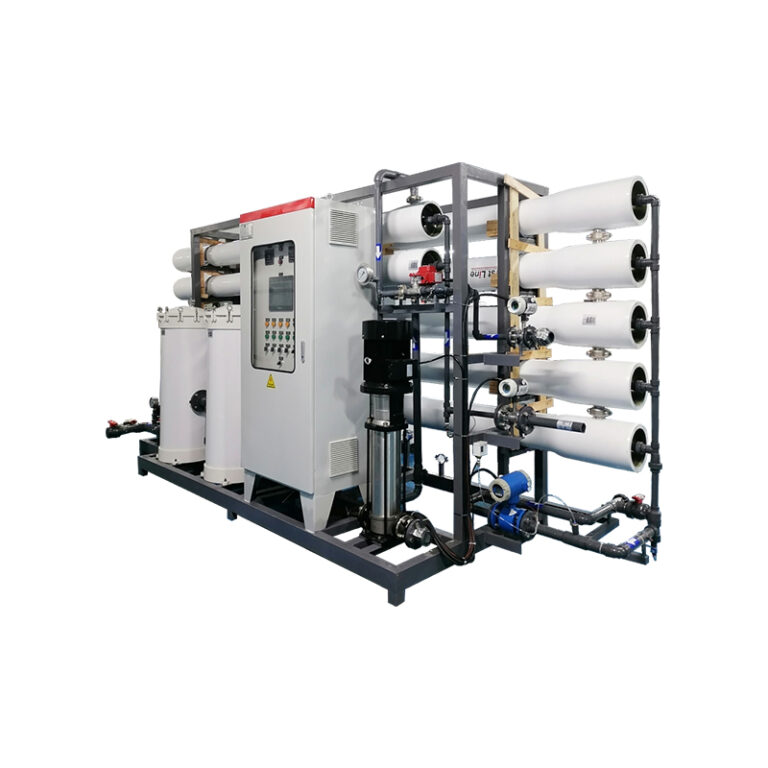
- Separação de membrana: Isso serve como a principal parte do processo de desalinação de água do mar. A água se divide em produção limpa e espessura de salmura. Usa partes superiores como membranas DOW.
- Após tratamento e mineralização: A água doce que surge tem minerales adicionados. Isso ajusta o equilíbrio pH e melhora o gosto. Isso assegura que a água se ajuste às regras globais para beber seguramente.
Por que a desalinação da água offshore é vital para missões remotas
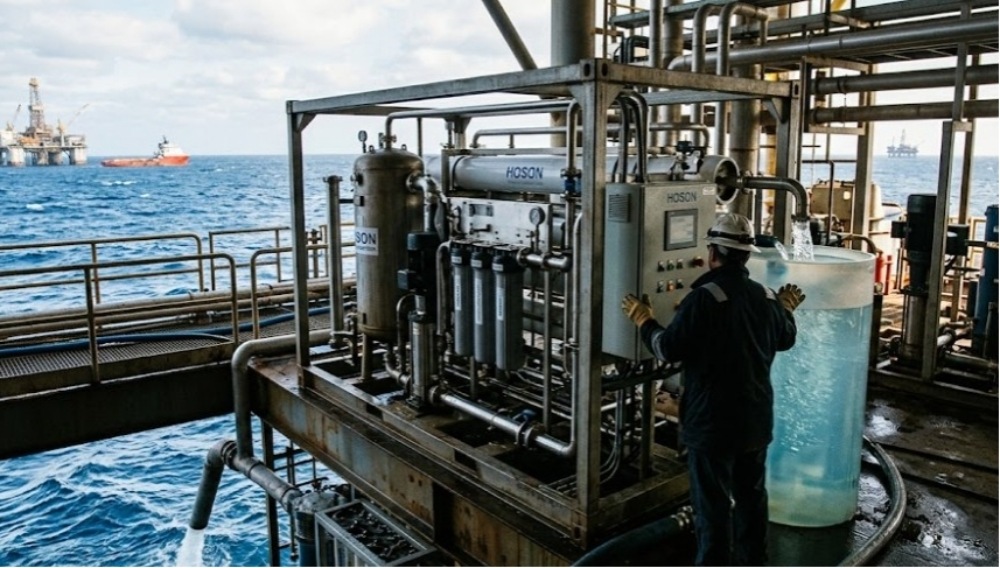
Para instalações de petróleo e gás baseadas no mar ou bases militares distantes, água limpa conta como um recurso chave. Dependendo das linhas externas de entrega traz elevados custos de transporte e grandes perigos em mal tempo. - Colocar um forte offshore desalinação de água soluções plano permite que esses lugares tenham um fluxo de água constante.
Os benefícios do dinheiro aparecem claramente e se juntam rápido. Olhem para o custo de carregar água de navios auxiliares contra o trabalho de baixa energia de uma máquina RO focada. Os ganhos destacam-se. Uma grande unidade de desalinação de água offshore, como o FSHB-320, usa 75 kWh de energia. Além disso, partes fortes podem lidar com água de entrada com Total Soldados (TDS) até 40.000 ppm. Isso significa que funciona bem mesmo nas áreas mais salgadas do oceano.
Selecionando o Sistema Ideal de Desalinação para Boats
Escolhar o equipamento certo requer uma mistura cuidadosa de necessidades de produção, espaço para instalação e uso de energia. Uma opção básica fora da plataforma raramente coincide com os limites complicados de um ambiente marinho. No HOSON, o objetivo permanece configurações flexíveis sem viés de marca. Eles escolhem as melhores partes de fornecedores em todo o mundo para encaixar nas necessidades exatas do navio ou estrutura.
| Categoria do Sistema | Capacidade Diaria (TPD) | Aplicações Primárias | Características técnicas chave |
| Pessoal & Portável | 0.5 – 1.5 TPD | Kits de sobrevivência, pequenos barcos de navegação | Design de casaco, 220V/380V,[UNK]30kg |
| Compacto Marinho | 3 – 10 TPD | Jachts, navios de pesca, RVs | SUS316 aço inoxidável, CCS certificado |
| Modular Industrial | 20- 320 TPD | Plataformas offshore, centros insulares | Recuperação de energia montada em esqui |
Engineering a Self-Sufficient Desalination Boat
Um dedicado barco de desalinação ou vasos de água em movimento funcionam como uma fábrica flotante. Para alcançar a plena independência, esses navios precisam misturar água fazendo sua principal instalação de energia e planejamento de áreas. O programa HOSON Space Revolution usa projetos flexíveis, pedaços por pedaços. Eles tiram o máximo da área do deck. Ao mesmo tempo, eles devolvem espaço para tarefas principais.
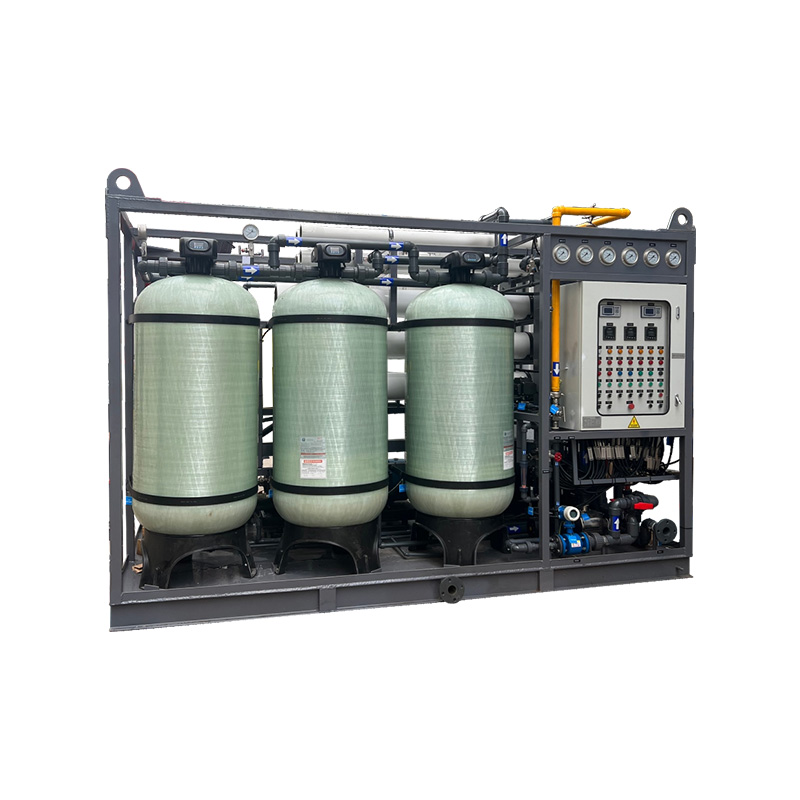
Trabalho estável em um barco de desalinação vem de algumas medidas tecnológicas chave.
- Resistência à Corrosão: Usando escudos elétricos de nível IP56 e metais rígidos do mar como o SUS316 mantém as coisas duradouras contra nevoeiro de sal e umidade pesada.
- Recuperação de Energia: Máquinas mais novas adicionam ferramentas de poupança de energia. Eles ajudam a alcançar uma taxa de recuperação de 35%. Essa figura mostra a parte de água limpa feita de toda a água do mar. Ele reduz muito a energia geral necessária.
- Estabilidade térmica: As instalações são construídas para manter a saída em temperaturas de água de 5°C a 45°C.
Aplicações do Mundo Real de Oceanos a Ilhas
A gama de tecnologias de desalinação de água offshore aparece em muitos usos reais em todo o mundo. Em pontos de pesquisa distantes ou pontos duros, unidades de transporte como o FSHB-0,5 dão segurança vital à água. Esses pacotes de energia pro-nível em um quadro fácil de carregar 30 kg. Eles asseguram um suprimento seguro para pequenos grupos em pontos difíceis.
Em áreas de trabalho maiores, instalações agrupadas de RO proporcionaram segurança em água onde plantas terrestres não poderiam ser construídas devido à forma da terra. Ao usar partes industriais fáceis de conexão, cidades costeiras e pontos insulares podem cultivar sua água adaptando às mudanças de necessidades por temporada. Essa forte configuração para o futuro permite que o sistema de água cresca com a expansão do lugar.
Especificações Técnicas para a série HOSON FSHB
Esses detalhes mostram a ligação entre a produção diária e as necessidades de energia para unidades pro-mar.
| Identidade Modelo | Produção diária | Requisito de energia | Rejeção de Sal | Taxa de Recuperação do Sistema |
| FSHB-0.5 | 500 litros | 0,75 kWh | 99.2% | Reserva de emergência |
| FSHB-5 | 5 toneladas | 2,2 kWh | 99.2% | Compacto Marinho |
| FSHB-320 | 320 toneladas | 75 kWh | 99.2% | 35% |
Conclusão
O processo de desalinação da água do mar vai muito além de uma necessidade tecnológica. Ele atua como um bloco de construção central que permite a vida e o negócio prosperar nos pontos mais difíceis da Terra. Isso vale se instalar um barco de desalinação para viagens de longo mar ou criar um sistema portátil de desalinação para barcos para sobrevivência urgente. Os principais objetivos permanecem iguais: dependibilidade, uso inteligente de energia e flexibilidade. No HOSON, o trabalho de um construtor de soluções de água é assumido. Ele mistura partes superiores de todo o mundo em ferramentas feitas para ordem. Esses asseguram um fornecimento firme e aumentam os ganhos de dinheiro para cada projeto marítimo. Bloquear na sua água amanhã agora, perguntando sobre uma configuração personalizada.
FAQ
Q: Qual é o consumo médio de energia para um sistema industrial de desalinação de água offshore?
A: As necessidades de poder variam com base no tamanho do trabalho. Uma unidade de transporte frequentemente leva 0,75 kWh. Por outro lado, um grande sistema de desalinação de água offshore que faz 320 toneladas por dia precisa de cerca de 75 kWh. Essas máquinas são ajustadas para funcionar em sistemas comuns de energia marítima, como três fases 440V/50Hz.
Q: Um barco de desalinação pode produzir água que cumpra os padrões internacionais de bebida?
A: Sim. - Um barco de desalinação com forte tecnologia RO atinge uma taxa de bloqueio de sal de 99,2%. Adicionar filtros minerais após tratamento, e a água de saída fica segura. Também tem um pH e níveis minerais iguales a água comprada na loja fina.
Q: Quantas vezes um sistema de desalinação para barcos requer manutenção?
A: Cuidar de um sistema de desalinação para barcos centrados nos primeiros passos de filtro e condição de membrana. Filtros frontais podem precisar de cheques a cada duas semanas. Isso depende do quão nuvem a água é. As principais membranas RO duram 2 a 5 anos em geral. Isto acontece se a configuração tem ciclos autolimpos e bom tratamento precoce.
Q: O sistema de desalinação HOSON para barcos é eficaz em ambientes de água fria?
A: O sistema de desalinação HOSON para barcos é projetado para um amplo encaixo ambiental. A água fria fica mais espessa e pode lentar o fluxo por si própria. O sistema luta contra isso com mudanças de força para manter a saída estável em temperaturas para baixo a 5°C.
Q: O que define a taxa de recuperação do sistema na desalinação de água offshore?
A: Na desalinação da água offshore, a taxa de recuperação do sistema significa a parte da água entrada transformada em água limpa. Para partes industriais HOSON, isso é fixado em 35%. Isso dá uma boa quantidade de água doce. Também mantém as membranas durando mais com ferramentas inteligentes de poupança de energia.