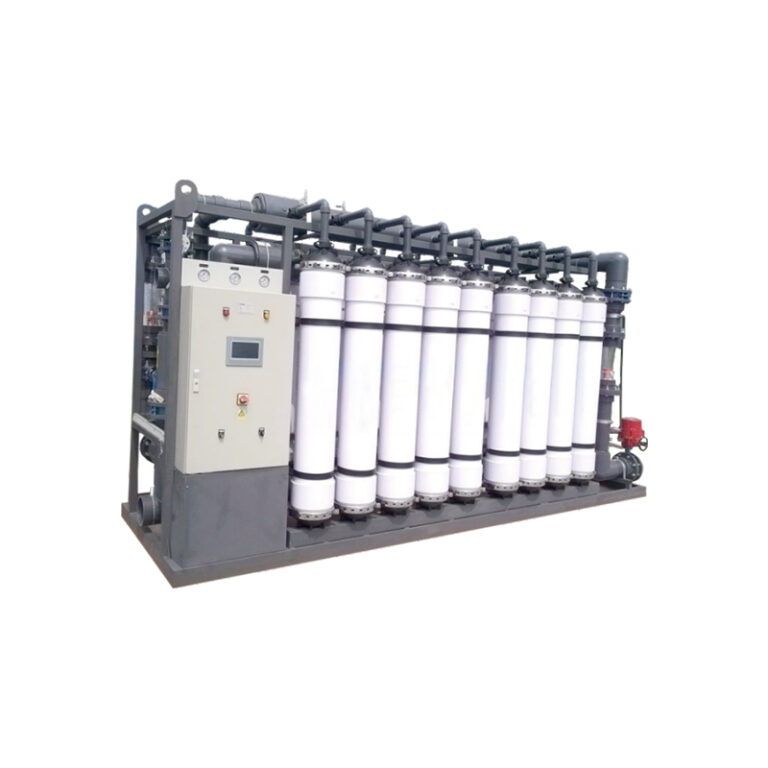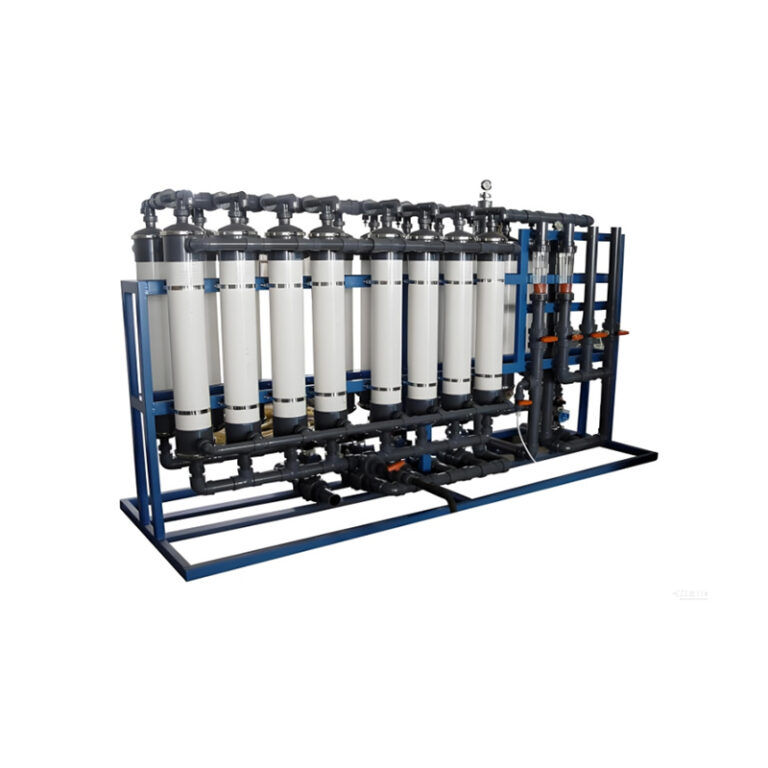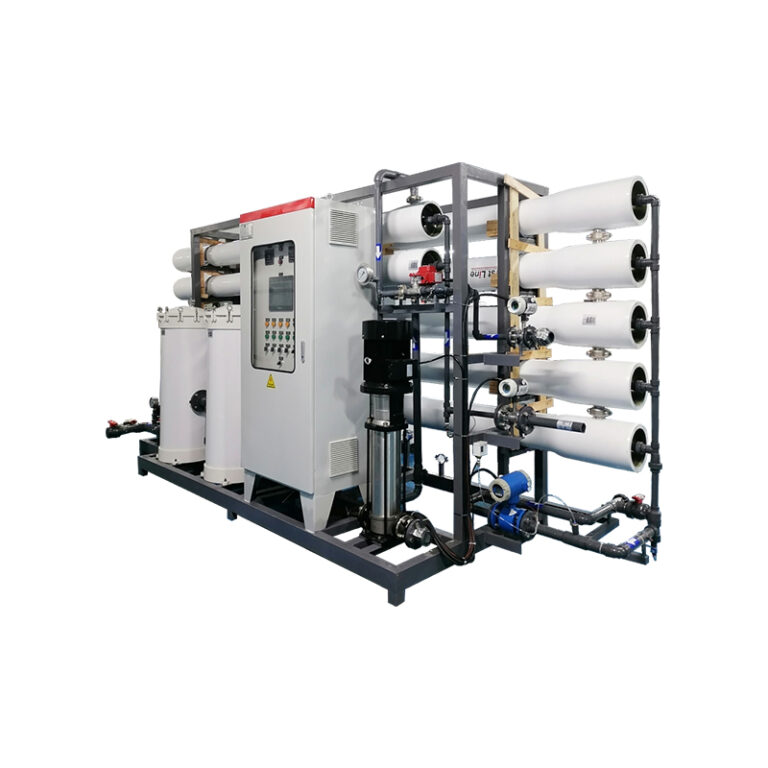

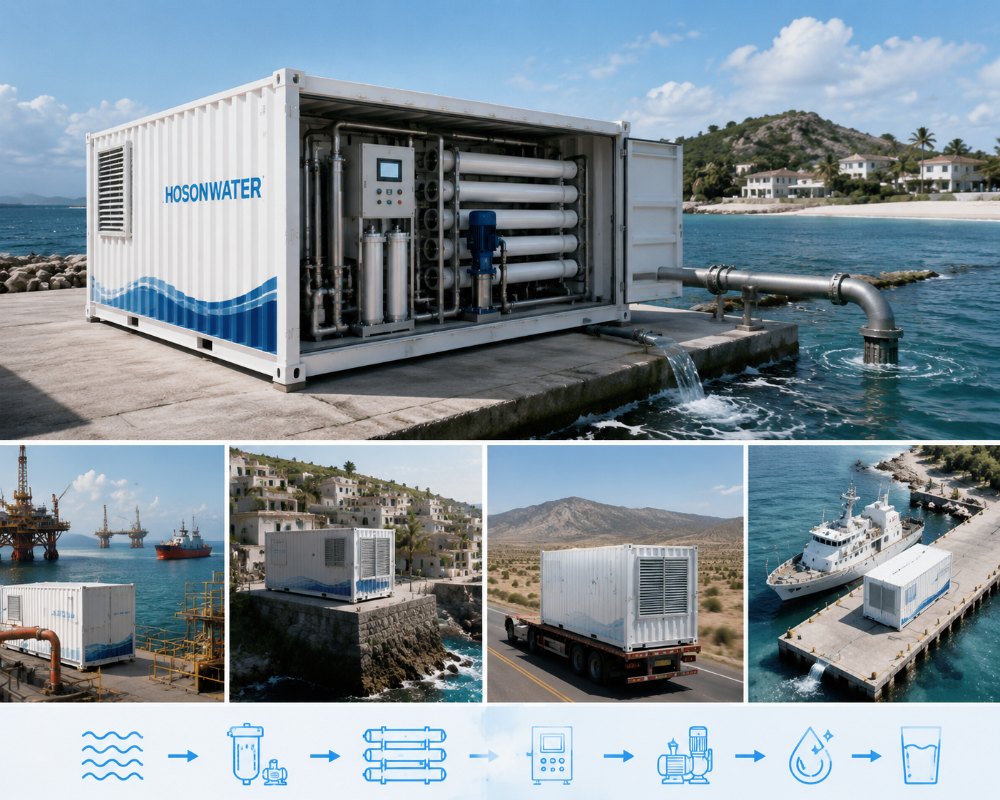
Доступ к стабильному водоснабжению остается серьезной проблемой во многих прибрежных, засушливых и отдаленных районах. Старые водопроводные сети часто оказываются неэффективными из-за длительных сроков строительства, высоких затрат и больших объемов земляных работ. Контейнерные системы опреснения морской воды стали практичным решением. Они позволяют быстро установить систему, занимают мало места и обеспечивают подачу чистой воды даже в труднодоступных местах. В этой статье рассматривается, как модульные установки HOSONWATER улучшают опреснение морской воды для питьевых целей. Эти установки преобразуют морскую воду в питьевую, адаптируясь к различным условиям местности.
Почему контейнерные системы опреснения воды имеют решающее значение
Быстрое развертывание инфраструктуры для получения очищенной воды становится все более важным. Строительство обычных муниципальных водоочистных сооружений занимает месяцы и требует масштабных строительных работ. Такие установки плохо подходят для островов, прибрежных зон или зон внезапных кризисов. Контейнерные системы опреснения морской воды позволяют избежать этих проблем. Они объединяют этапы предварительной обработки, обратного осмоса и дезинфекции в модульные установки внутри контейнеров. Такие удаленные системы опреснения обеспечивают стабильное водоснабжение там, где трубы или стационарные установки не могут добраться.
Небольшие размеры позволяют командам размещать установки в стесненных условиях. Например, в небольших рыболовецких портах и на крышах оживленных прибрежных городов. Модульная конструкция также позволяет в дальнейшем увеличивать мощность. Дополнительные установки можно развернуть без приобретения дополнительной земли. Эти преимущества превращают контейнерные системы опреснения морской воды в ключевой элемент бизнес опреснения, временное опреснение воды и планы быстрого реагирования.
Как работают контейнерные системы опреснения морской воды
Основной этап включает обратный осмос с последующей ультрафильтрацией (УФ). Мощные мембраны обратного осмоса задерживают до 99,2% солей. Содержание растворенных твердых веществ в очищенной воде составляет < 700 ppm, поэтому ее можно пить сразу же. Устройства рекуперации энергии улавливают давление рассола, снижая общее энергопотребление на 25–40%, тем самым повышая эффективность системы. В результате компактная установка для опреснения морской воды становится практичной и доступной в долгосрочной перспективе.
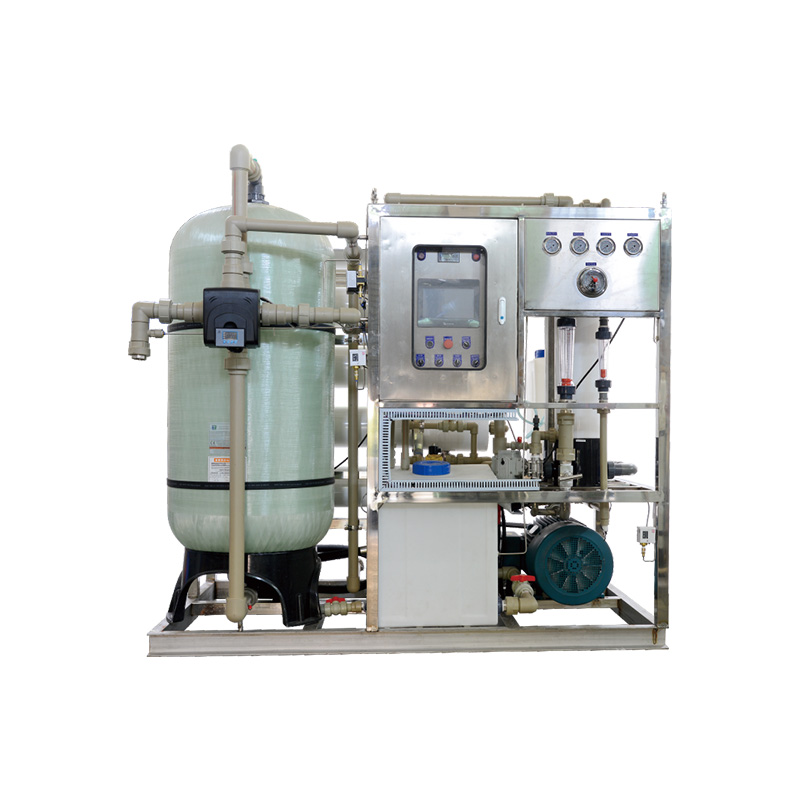
Модульные установки HOSONWATER, такие как FSHB-60C и FSHB-60A, изготавливаются на заводе и тестируются перед отгрузкой. Они хорошо работают с подаваемой водой с содержанием TDS до 40 000 ppm и при температурах от 5 до 45 градусов Цельсия. Встроенная система мониторинга постоянно отображает качество воды, расход и давление. Это превращает регулярные проверки в меры по предотвращению проблем.
Какие существуют сценарии развертывания для контейнеризированных систем?
Контейнерные установки хорошо зарекомендовали себя во многих местах. В отдаленных прибрежных городах и на островах их используют для удовлетворения повседневных бытовых и деловых потребностей. Промышленные предприятия полагаются на них для обеспечения технологической водой электростанций, химических заводов и предприятий легкой промышленности. В морской отрасли их используют суда обеспечения и морские платформы, которым необходим собственный источник питьевой воды и оборудования. Кроме того, группы реагирования могут быстро перемещать установки для обеспечения временного водоснабжения, опреснения воды и поддержания бесперебойной работы во время кризисов.
Как ускорить развертывание
В конструкции HOSONWATER на первом месте стоят скорость и стабильная работа. Сборные модули поставляются готовыми к подключению в собранном виде. оборудование для опреснения солиЭто сокращает объем работ на месте на целых 70 процентов по сравнению со старыми заводами. Каждая система проверяется в реальных условиях перед отправкой с завода. Автоматизация и интеллектуальное управление снижают потребность в большом количестве операторов. Один человек или небольшая бригада могут управлять установкой даже в районах с ограниченным штатом. Эффективные насосы, меньший расход химикатов и автоматическое дозирование также способствуют быстрому запуску системы и ее надежной работе.
Сравнение ключевых контейнерных систем опреснения FSHB
В таблице ниже представлены основные технические характеристики и варианты использования популярных моделей HOSONWATER, предназначенных для средних и малых проектов.
| Модель | Емкость резервуара для пресной воды | Установленная мощность | Скорость восстановления системы | Стандарт качества воды / Отклонение по содержанию соли | Размеры (L×W×H) | Типичное применение |
| ФШБ-60С | 60 тонн в сутки | 18,5 кВт | ≈33% | Соответствует стандарту GB5749-2006. | 2.25 × 1.25 × 2.04 m | Небольшие острова, корабли, передвижные лагеря |
| ФШБ-60А | 60 тонн в сутки | 18,5 кВт | ≈33% | Соответствует стандарту GB5749-2006. | 2.25 × 1.25 × 2.04 m | Базовое водоснабжение малого и среднего масштаба |
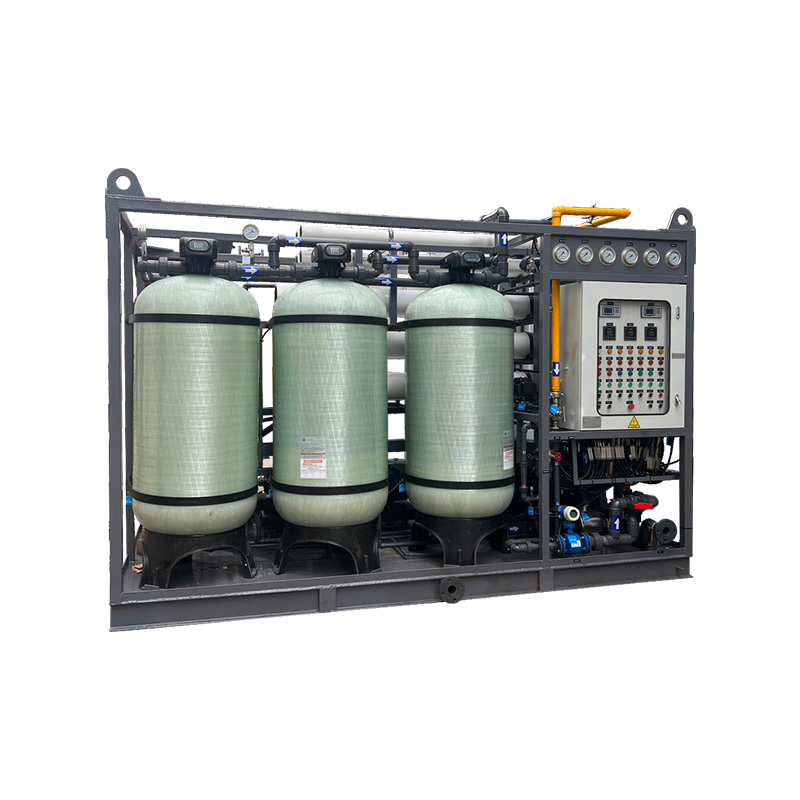
| ФСХБ-100 | 100 ТПД | 30 кВт | 35% | 99.2% | 5 × 2 × 1.9 m | Отдаленные населенные пункты, суда, малые предприятия |
| ФСХБ-150 | 150 ТПД | 37 кВт | 35% | 99.2% | 5.9 × 2.4 × 2.4 m | Промышленные объекты среднего размера, прибрежные населенные пункты |
Эти модели демонстрируют хороший диапазон возможностей. Хорошо работают как небольшие мобильные установки, так и более крупные промышленные версии. Бригады могут масштабировать производство в соответствии со спросом. Конструкция на салазках позволяет размещать установки внутри стандартных контейнеров, на грузовиках и баржах. Это обеспечивает быструю транспортировку на труднодоступные или удаленные объекты.
Что делает ХОСОНВОТЕР Уникальная среди компаний, занимающихся опреснением воды.
Компания HOSONWATER выступает в качестве партнера, предлагающего комплексные решения, а не просто продавца комплектующих. Она объединяет качественные компоненты от мировых поставщиков, интеллектуальные системы управления и модульные конструкции для создания каждого продукта. стандартная установка опресненияЭто позволяет создавать комплексные системы опреснения морской воды. Работа начинается с анализа воды и заканчивается запуском на месте. Полный цикл обслуживания обеспечивает высокую производительность и снижает общую стоимость владения. Мощные блоки рекуперации энергии, высокопроизводительные мембраны обратного осмоса и панели с классом защиты IP56 позволяют системам эффективно работать в условиях сильной жары, соленого воздуха и влажности.
Вывод
Контейнерные системы опреснения морской воды меняют способы доставки пресной воды в труднодоступные места. Серия HOSONWATER FSHB демонстрирует, чего можно достичь с помощью компактной, модульной и продуманной конструкции, обеспечивая высококачественную обратную осмосную очистку. Установки обеспечивают надежную подачу воды из морской в питьевую. Они удовлетворяют как текущие потребности населения, так и внезапные потребности. Быстрые, эффективные и масштабируемые решения теперь доступны для Юго-Восточной Азии, Африки и Ближнего Востока. Группы, нуждающиеся в надежных системах удаленного опреснения, могут рассчитывать на HOSONWATER, которая гарантирует проверенные результаты, полный спектр услуг и продуманные планы внедрения.
Часто задаваемые вопросы
Какова суточная производительность водоподготовки? ХОСОНВОТЕР FSHB-60C для компактной установки опреснения морской воды?
Установка FSHB-60C способна производить до 60 тонн пресной воды в сутки. Этого количества достаточно для небольших островов, кораблей и лагерей. Конструкция на салазках упрощает установку и эксплуатацию, обеспечивая при этом производство воды, соответствующей стандартам питьевой воды, с первого дня.
Как это сделать ХОСОНВОТЕР Какие системы обеспечивают временное опреснение воды в чрезвычайных ситуациях?
Контейнерные установки HOSONWATER доставляются на большинство объектов в течение нескольких недель. После подключения они могут работать автономно. Встроенные элементы управления контролируют качество, давление и расход, поэтому производительность остается стабильной даже тогда, когда за установкой никто постоянно не следит.
Каковы основные характеристики энергоэффективности? ХОСОНВОТЕР Системы дистанционного опреснения?
Все установки используют системы рекуперации энергии, маломощные насосы и высокопрочные мембраны. Например, установка FSHB-60A потребляет всего 18,5 кВт, но при этом рекуперирует около 33% энергии и соответствует требованиям к качеству воды.
Может ХОСОНВОТЕР Компактные системы опреснения морской воды работают в условиях высокой солености и переменной температуры?
Да, оборудование серии FSHB может обрабатывать исходную воду с содержанием растворенных твердых веществ до 40 000 ppm и работает при температурах от 5 до 45 градусов Цельсия. Панели управления и насосы, имеющие степень защиты IP56, обеспечивают стабильность оборудования как во влажных, так и в засушливых условиях.
Как это сделать ХОСОНВОТЕР Какие продукты обеспечивают качество питьевой воды, от морской воды до питьевой?
Эффективное сочетание высокоэффективной обратноосмотической мембраны, ультрафильтрации перед мембраной и точной дозировки химических реагентов обеспечивает качество получаемой воды. Полученная вода соответствует стандартам GB5749-2006 и при этом содержит менее 700 ppm общего количества растворенных твердых веществ (TDS). Поэтому она безопасна для ежедневного употребления.