Введение
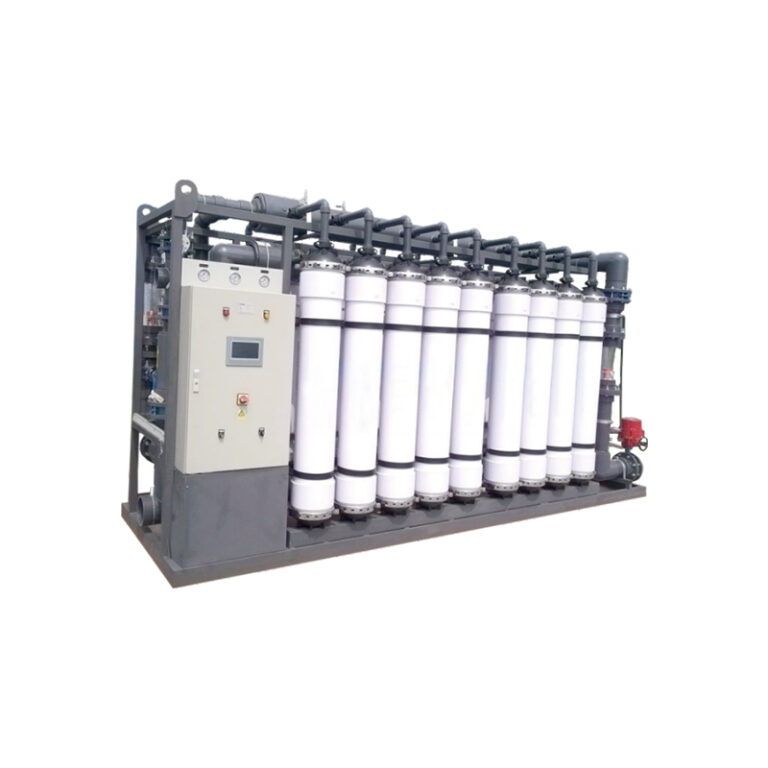
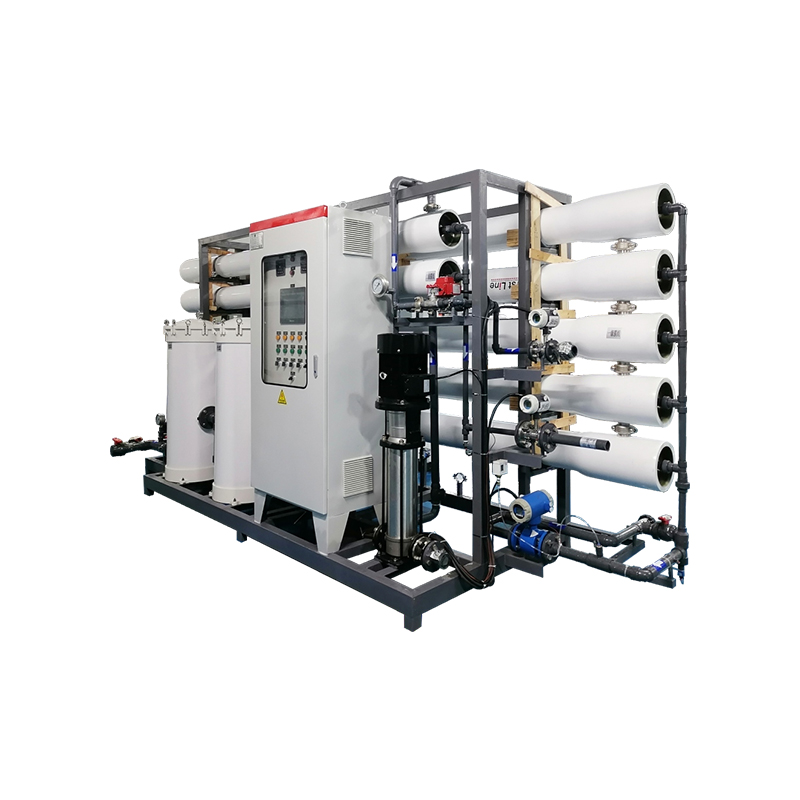
Нехватка воды продолжает создавать серьезные трудности в прибрежных зонах и отдаленных районах Юго-Восточной Азии, Африки и Ближнего Востока. Традиционные системы водоснабжения часто не могут быстро реагировать в чрезвычайных ситуациях. Эта ситуация подвергает риску местные группы населения и предприятия. Модульные системы опреснения воды стали зрелым и перспективным решением. Они обеспечивают адаптируемые, энергоэффективные и быстро развертываемые установки для снабжения пресной водой. ХОСОНВОТЕРКомпания, ведущий производитель оборудования для опреснения морской воды, предлагает полный ассортимент модульных опреснительных установок и контейнерных модульных опреснительных установок (CMDU). Эти изделия предназначены для срочного использования и мобильных нужд. Они обеспечивают надежное водоснабжение в сложных условиях.
Эти системы приносят практическую пользу регионам, сталкивающимся с внезапными изменениями потребностей в воде. Они поддерживают как краткосрочные мероприятия, так и долгосрочные операции, обеспечивая стабильную работу.
Почему модульные системы опреснения воды имеют решающее значение для реагирования на чрезвычайные ситуации
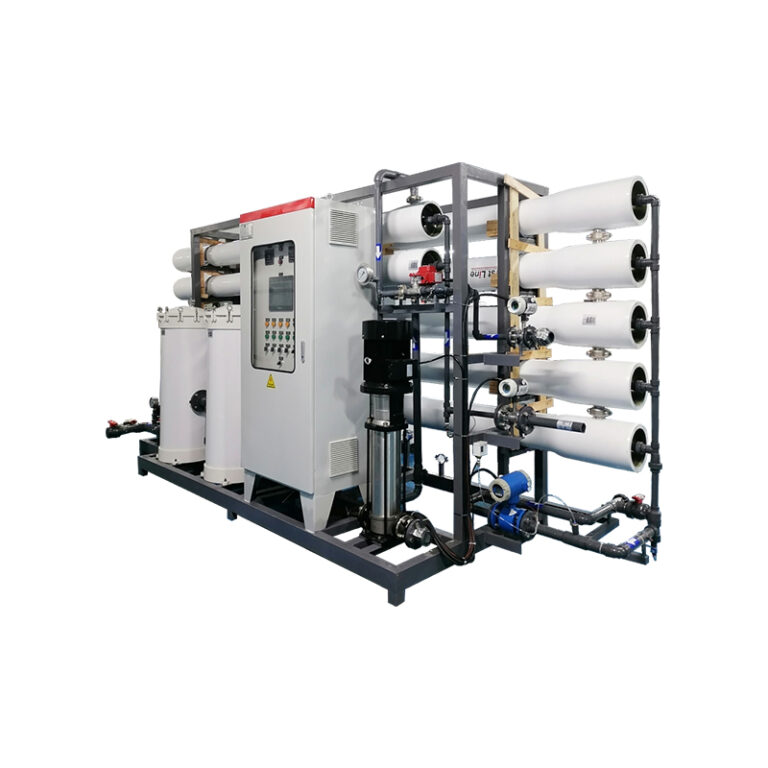
Модульные опреснительные установки хорошо зарекомендовали себя в ситуациях, когда обычные системы водоснабжения не могут удовлетворить неотложные потребности. Аварийные установки для опреснения морской воды создаются для быстрой доставки в зоны, пострадавшие от стихийных бедствий, морских сооружений или изолированных островных поселений. Эти модульные решения отличаются от стационарных установок. Они сочетают в себе современные мембраны обратного осмоса, устройства рекуперации энергии и эффективные компоненты предварительной обработки внутри контейнера или модульной конструкции. Это позволяет полностью установить установку за несколько недель, а не за многие месяцы.
Для аварийного водоснабжения необходима стабильная работа. Модульная система опреснения от HOSONWATER справляется с обработкой исходной воды с содержанием растворенных твердых веществ до 40 000 ppm. Она работает в диапазоне температур от 5°C до 45°C. Эти характеристики делают систему подходящей для суровых прибрежных погодных условий и зон, расположенных вблизи пустынь. Системы поставляются готовыми к немедленному подключению, что снижает вероятность ошибок при настройке и обеспечивает быстрый запуск работы. Такая скорость имеет большое значение при обеспечении безопасной водой людей, оказавшихся в затруднительном положении, или для краткосрочной промышленной деятельности.
Конструкция ориентирована на практическое использование в реальных условиях. Операторы обретают уверенность благодаря четкой и понятной работе каждого устройства.
Чем модульная опреснительная установка отличается от традиционных?
Традиционные опреснительные установки требуют больших объемов строительных работ и постоянных сооружений. Модульная опреснительная установка идет другим путем. Она объединяет все основные технологические процессы в один предварительно спроектированный модуль. Каждый модуль включает в себя оборудование для предварительной обработки, обратного осмоса высокого давления, дезинфекции, рекуперации энергии и управления. Такая конструкция позволяет масштабироваться и адаптироваться, увеличивая мощность без существенных изменений на площадке.
Блоки управления перевалочными насосами (CMDU) еще нагляднее демонстрируют мобильность системы. Их можно размещать на кораблях, строительных площадках или плавучих базах. Серия HOSONWATER FSHB наглядно иллюстрирует этот диапазон. Она включает в себя как очень компактную модель FSHB-25C производительностью 25 тонн в сутки, так и крупную FSHB-320 производительностью 320 тонн в сутки. Таким образом, клиенты могут выбрать систему, которая точно соответствует их эксплуатационным потребностям.
Сравнение технических характеристик продукции
| Модель | Производительность пресной воды | Скорость восстановления системы | Коэффициент отклонения соли | Потребление энергии | Размеры (L×W×H) | Приложение |
| ФСГБ-25С | 25 тонн в сутки | 25% | ≥99.2% | 5,5 кВт | 1.7 × 1.12 × 1.9 m | Небольшие острова, рыбацкие лодки, передвижные лагеря |
| ФШБ-60С | 60 тонн в сутки | 33% | ≥99.2% | 18,5 кВт | 2.25 × 1.25 × 2.04 m | Небольшие сообщества, морские платформы |
| ФСХБ-100 | 100 ТПД | 35% | ≥99.2% | 30 кВт | 5 × 2 × 1.9 m | Суда, отдаленные районы, малые предприятия |
| ФСХБ-150 | 150 ТПД | 35% | ≥99.2% | 37 кВт | 5.9 × 2.4 × 2.4 m | Средние острова, промышленные проекты |
| ФСХБ-240 | 240 тонн в сутки | 35% | ≥99.2% | 52,5 кВт | 12 × 1.6 × 2.6 m | Средние по размеру жилые комплексы, индустриальные парки |
| ФСХБ-320 | 320 ТПД | 35% | ≥99.2% | 75 кВт | 12 × 2.3 × 2.9 m | Крупномасштабные промышленные прибрежные курорты |
Как достигается энергоэффективность в модульных системах опреснения воды
Модульная система опреснения с усовершенствованной системой оборудование для опреснения соли достигает высокой эффективности работы за счет сочетания высокопоточного вращения
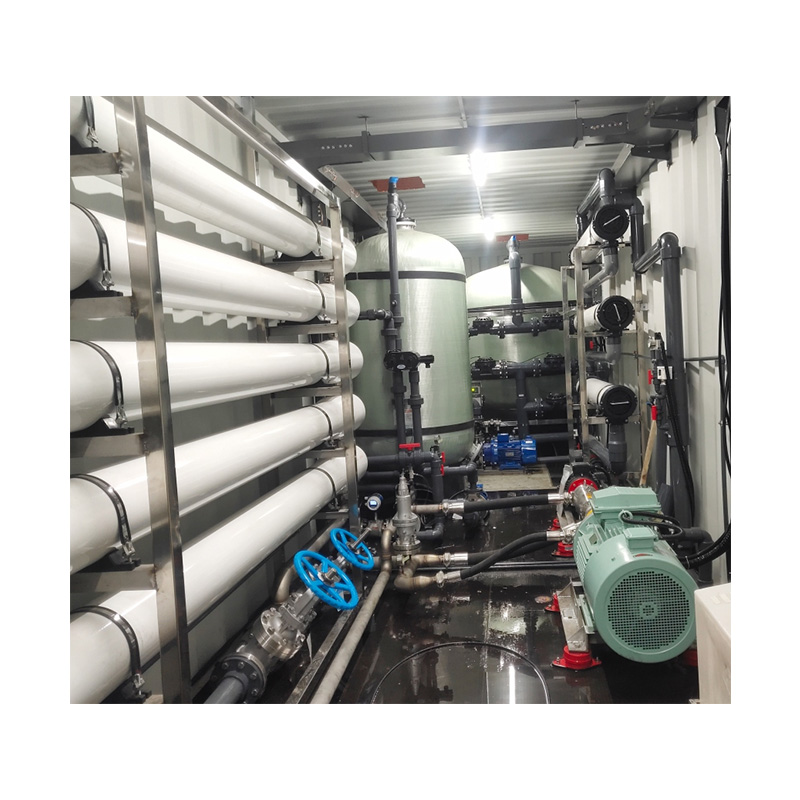
Модули обратного осмоса с мембранами, оснащенные продуманными устройствами рекуперации энергии. Эти устройства собирают давление рассола, выходящего из системы, и повторно используют его для снижения общей нагрузки на насосы. Такие модели, как FSHB-150 и FSHB-240, демонстрируют экономию электроэнергии до 35 процентов на каждый кубический метр пресной воды по сравнению с обычными стационарными установками.
Важную роль также играют интеллектуальные программы управления. Они автоматически регулируют работу насосов и количество химических реагентов в соответствии с измерениями качества воды. Это позволяет свести к минимуму энергопотребление и одновременно поддерживать степень удаления соли выше 99,2%. Такие улучшения имеют большое значение в местах с ограниченными энергоснабжениями. В таких районах модульные установки могут работать на дизельных генераторах или смешанных возобновляемых источниках энергии. При этом они не снижают объем производимой воды.
Общая концепция предполагает рациональное использование ресурсов и обеспечение надежных результатов в течение длительного времени.
Почему Контейнерные модульные установки для опреснения воды (CMDU) Идеально подходят для мобильного водоснабжения.
Системы CMDU обладают исключительной адаптивностью для краткосрочного или мобильного водоснабжения. Их небольшие размеры и легкая конструкция на салазках позволяют транспортировать их грузовиками, контейнеровозами или вертолетами. Они обеспечивают доступ к местам, недоступным для традиционных систем. Системы FSHB-60C и FSHB-25C от HOSONWATER демонстрируют именно такую мобильность. Они обеспечивают надежное снабжение пресной водой и продолжают соответствовать национальным стандартам питьевой воды.
Модульная конструкция позволяет операторам добавлять или удалять блоки в зависимости от изменения спроса. Эта особенность позволяет точно соотносить мощность с текущими потребностями. Это позволяет избежать создания системы, которая будет больше, чем необходимо. В экстренных случаях это означает, что небольшой остров или лагерь для беженцев могут получить воду немедленно. Процесс требует минимальных логистических затрат. В результате снижается время установки и эксплуатационные риски.
Эти преимущества помогают организациям быстрее и с большим контролем реагировать в условиях неопределенности.
Какие отрасли и сценарии наиболее выгодны от использования установок аварийного водоподготовки с применением морской воды?
Аварийные установки для опреснения морской воды играют важную роль в отраслях и сферах применения, где вода необходима без перерывов. Морские нефтегазовые платформы должны иметь постоянный источник пресной воды как для работы, так и для повседневной жизни. Судоходные компании и коммерческие суда полагаются на модульные установки для опреснения (CMDU) для обеспечения безопасной питьевой водой. На суше модульные системы опреснения используются для удаленных горнодобывающих предприятий и временных строительных площадок. Эти системы обеспечивают жильем рабочих и водой, необходимой для промышленных процессов.
Компания HOSONWATER также разместила модульные опреснительные установки на островных курортных зонах и в прибрежных городах. Эти примеры доказывают эффективность систем, обеспечивающих стабильное и масштабируемое водоснабжение. Готовая к подключению и контейнерная конструкция позволила быстро установить оборудование. Это сокращает периоды простоя во время сбоев в системе. Кроме того, это обеспечивает оперативную поддержку в чрезвычайных ситуациях.
Практический опыт, полученный в ходе этих проектов, демонстрирует очевидную ценность в самых разных условиях.
Как клиенты могут персонализировать модульные решения для опреснения воды
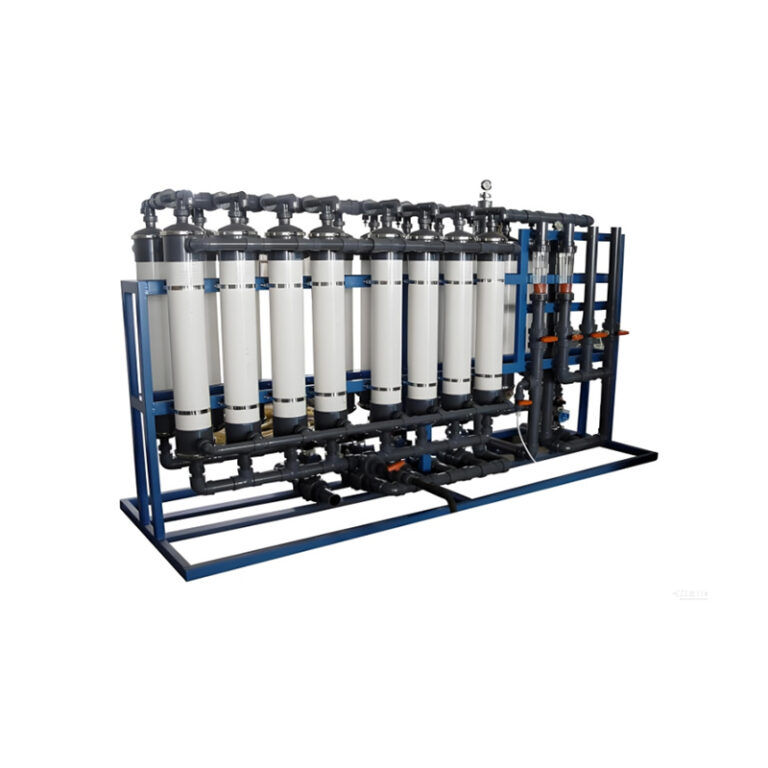
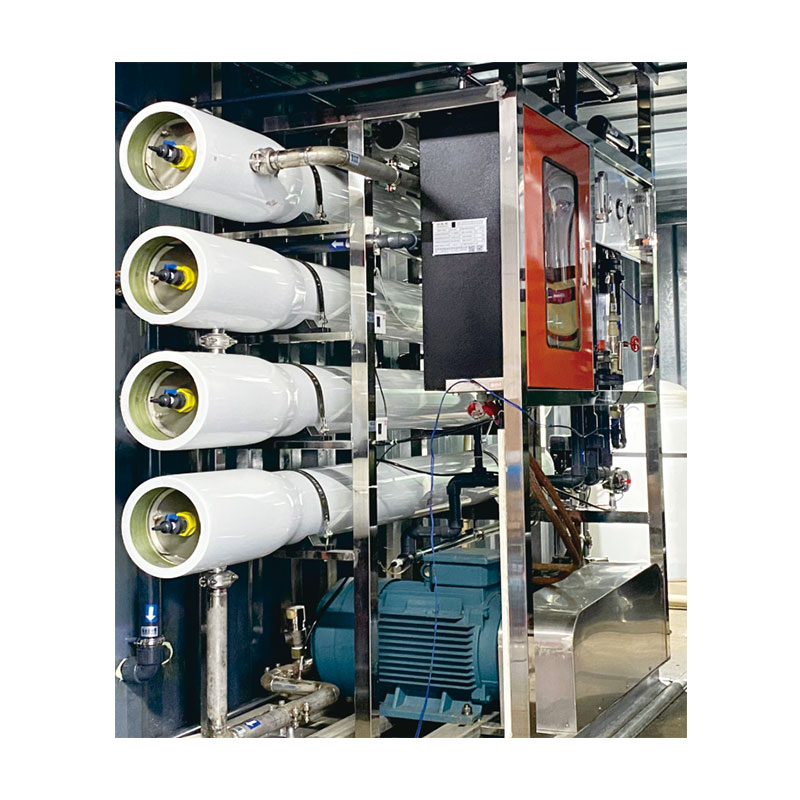
Каждый проект HOSONWATER начинается с тщательного обсуждения. Это помогает адаптировать модульные опреснительные установки к конкретным особенностям каждого региона. Детали проектирования включают в себя состояние исходной воды, суточную производительность, способность справляться с содержанием растворенных твердых веществ (TDS), доступную электроэнергию и окружающую среду. Для решения проблем, связанных с изменением качества воды в разные сезоны, могут быть включены модули предварительной обработки, такие как ультрафильтрация. В конструкции используются высокоэффективные мембраны обратного осмоса. система обратного осмоса морской воды Затем убедитесь, что объем водопотребления остается стабильным.
Современная автоматизация процессов оказывает дополнительную помощь. Она позволяет персоналу в областях с небольшим количеством квалифицированных специалистов поддерживать бесперебойную работу системы. Инструменты удаленного мониторинга предоставляют мгновенную информацию о состоянии системы. Они поддерживают прогнозируемое техническое обслуживание и постоянное совершенствование. Таким образом, клиенты могут устанавливать CMDU с большей уверенностью. Они знают, что каждая система подготовлена для высокой ежедневной производительности и разумных долгосрочных затрат.
Такое внимание к деталям укрепляет доверие и способствует успешному завершению проекта.
Вывод
Модульные системы опреснения HOSONWATER меняют подход к водоснабжению в чрезвычайных ситуациях, в условиях мобильности и промышленности. Они объединяют технический прогресс, интеллектуальное управление и модульную конструкцию. Эти аварийные установки для получения морской воды обеспечивают быстрое, масштабируемое и энергоэффективное решение проблемы пресной воды. Системы могут использоваться на отдаленных островах, морских платформах или в зонах, нуждающихся в помощи при стихийных бедствиях. Модульные установки опреснения и модульные системы HOSONWATER гарантируют надежное и качественное водоснабжение. Эта вода отвечает как промышленным, так и питьевым потребностям. Она помогает местным группам и компаниям продолжать свою деятельность даже в самых сложных условиях.
Часто задаваемые вопросы
Насколько быстро модульные системы опреснения HOSONWATER могут быть развернуты в чрезвычайных ситуациях?
Модульные опреснительные установки от HOSONWATER созданы для быстрой транспортировки. Контейнерные и салазочные установки могут быть введены в полную эксплуатацию в течение нескольких недель. Конструкция, готовая к использованию сразу после подключения, сокращает время, необходимое для монтажа во время ликвидации последствий стихийных бедствий или краткосрочных промышленных работ.
Как компания HOSONWATER обеспечивает качество воды в модульных системах опреснения?
В каждой модульной системе опреснения HOSONWATER используются высокоэффективные мембраны обратного осмоса, обеспечивающие степень удаления соли не менее 99,2%. Дополнительные модули предварительной обработки, ультрафильтрация и современные этапы дезинфекции помогают системам соответствовать нормам качества питьевой воды. Они справляются с этой задачей даже в сложных условиях поступающей воды.
Можно ли адаптировать аварийные установки HOSONWATER для использования морской воды под различные мощности?
Да, это возможно. Модульные опреснительные установки HOSONWATER имеют производительность от 25 до 320 тонн в сутки. Клиенты могут выбрать подходящую модель в соответствии со своими потребностями. Они также могут объединять несколько установок. Такой подход точно соответствует потребностям объекта в воде и позволяет снизить как первоначальные затраты, так и ежедневные эксплуатационные расходы.
Какие услуги по поддержке и техническому обслуживанию доступны для модульных систем опреснения воды HOSONWATER?
Компания HOSONWATER предоставляет полную поддержку на протяжении всего срока службы системы. Это включает в себя установку, запуск в эксплуатацию, удаленный мониторинг, профилактическое техническое обслуживание и обучение персонала. Эти услуги помогают поддерживать стабильную производительность и увеличивать время работы оборудования как в стационарном, так и во временном режиме.