霍松

新闻

How Can Smart Water Remote Monitoring Optimize a Modular Smart Water Treatment Plant

管理员ajax

霍松

How Can Smart Water Remote Monitoring Optimize a Modular Smart Water Treatment Plant

介绍

In many areas of Southeast Asia, Africa, and the Middle East, decentralized water supply deals with difficulties. These include changes in source water quality and problems with daily operations. HOSONWATER has developed practical answers that use modular smart water treatment plant designs. The company also applies smart water remote monitoring, water treatment predictive analytics, and real-time water monitoring. These tools help deliver dependable, clean, and reasonably priced drinking water. The combination of modular prefabrication and IoT-based supervision allows water treatment facilities to reach fast setup. It also brings lower periods of inactivity and steady quality control.

This approach enables rapid responses to local conditions, streamlining operations for field staff.

Why Is Predictive Maintenance Critical for Water Treatment Efficiency

Predictive maintenance transforms conventional reactive methods into data-driven strategies. These strategies take action before problems grow. With the help of water treatment predictive analytics, operators can predict issues such as Membrane Fouling, chemical imbalances, or pump problems. They can do this before the issues affect daily production. For example, the G20-2.0MLD ultrafiltration unit handles 2,000 m³/day. It changes backwash cycles on its own according to membrane pressure and flow information. In the same way, the 4,000 m³/day system applies water treatment predictive analytics. It improves cleaning schedules and cuts chemical amounts. This action also lengthens the useful life of membranes. These observations let facilities keep steady water quality with very little human involvement. They lower running costs at the same time. They also stop sudden stops in operation.

Operators gain enhanced control over daily operations, as the data provides actionable insights for confident planning.

What Makes a Modular Smart Water Treatment Plant Superior

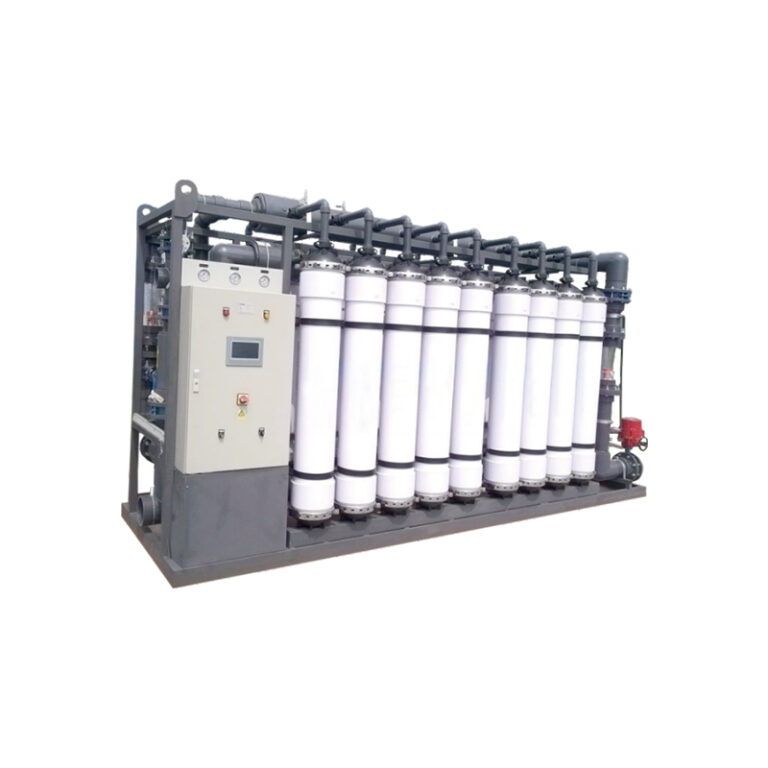
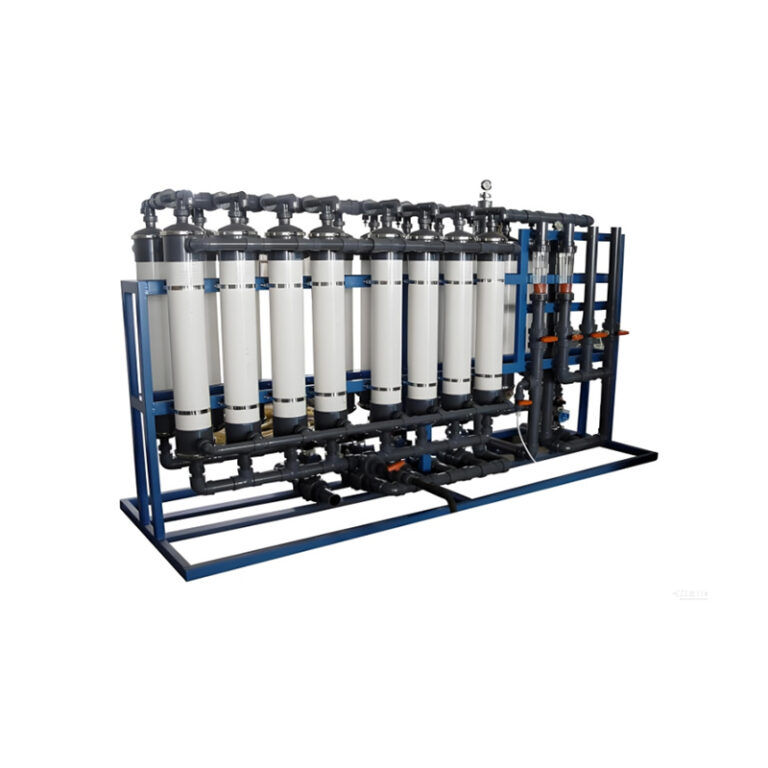
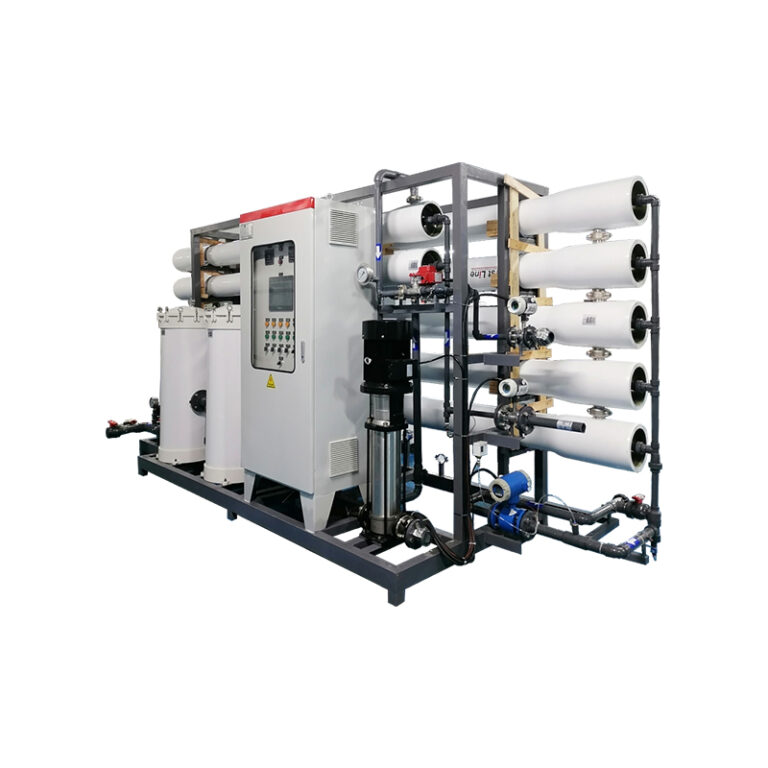
HOSON modular systems bring together all necessary parts. These include high-flux membrane module, valves, pumps, and control units. They fit inside containers built in advance. This method supports smooth assembly at the site. It usually needs only links to outside pipes and the electricity supply.

模型Fresh Water Production Capacity (m³/d)Membrane TypeFiltration Method自动化远程监控
G20-2.0MLD2,000UF 0.02 μmSiphon flowFullYes
G20-4.0MLD4,000UF 0.02 μmSiphon flowFullYes
G20-10.0MLD10,000Immersed UFGravity siphonFullYes

These modular smart water treatment plants allow for growth in the future. The 10,000 m³/day system, for instance, can increase capacity by adding standard membrane modules. This step does not need major civil engineering work. The small container-based design also makes installation easier in tight city spaces or on difficult ground. It works well for remote sites or floating plants. Traditional building methods would not suit those places.

The systems remain flexible and practical across many different settings. Operators find them useful when space or conditions create limits.

How Does Real-Time Water Monitoring Enhance Operational Control

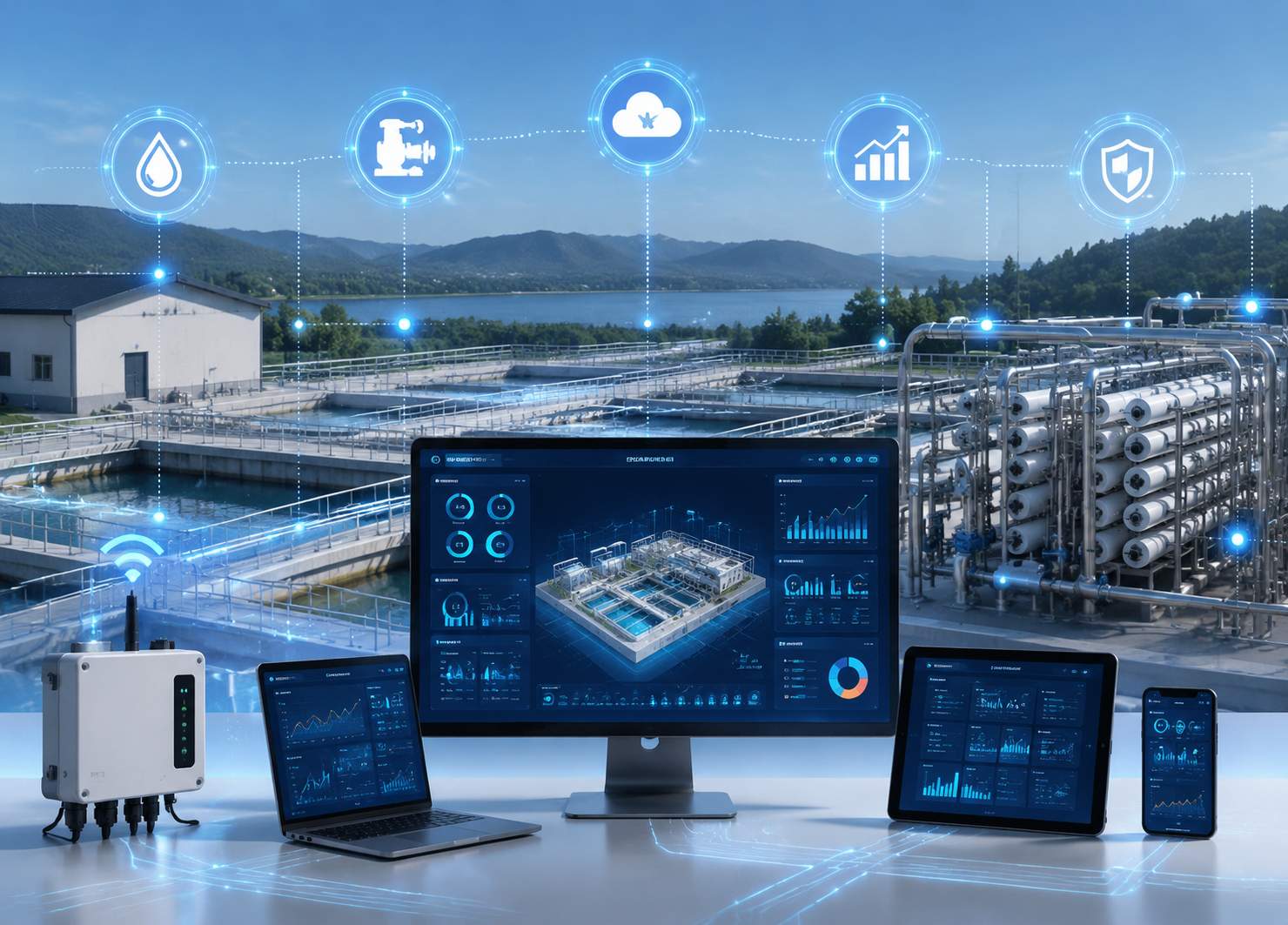
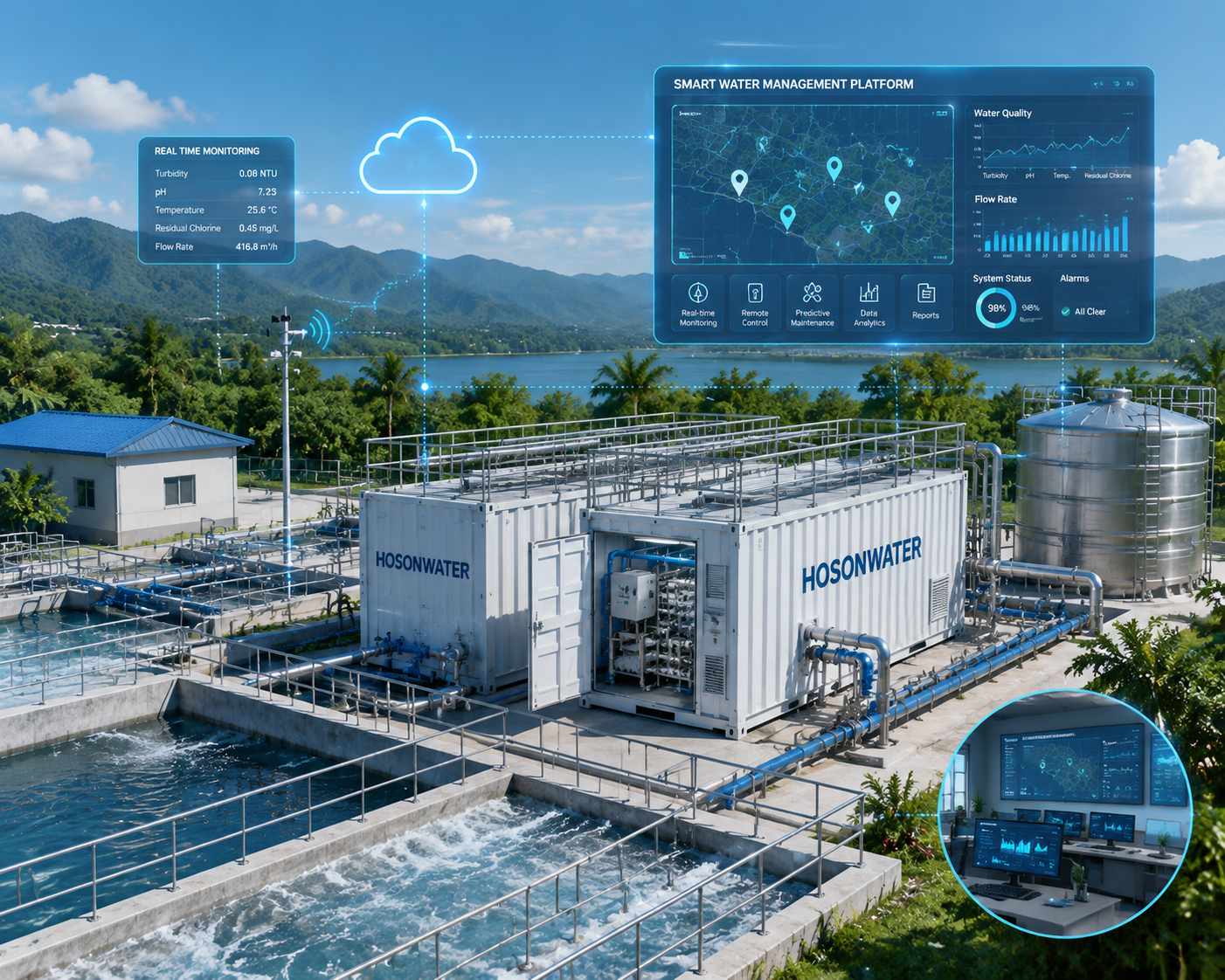
Real-time data comes from flow meters, pressure sensors, turbidity sensors, and residual chlorine analyzers. This information allows quick checks on water quality and plant operation. Operators can see important measurements on central screens. They also get automatic notices when something falls outside normal levels.

In the 4,000 m³/day system, real time water monitoring follows turbidity and signs of microbes. It starts predictive maintenance when patterns point to possible Membrane Fouling or biofilm development. The 10,000 m³/day system includes AI-based trend analysis. It adjusts aeration and Membrane Fouling automatically without human input. These changes save energy and lower chemical amounts. The steps lead to steady treated water below 0.1 NTU. They also support strong protection against microbes. This holds true even in periods of high turbidity.

The continuous flow of information gives operators a clear picture at all times. They can act fast when needed and keep performance at a high level.

模块化智能水处理厂

What Are the Technical Specifications of HOSON Ultrafiltration Systems

The table below shows detailed specifications for the main 模块化智能水处理厂 units.

参数G20-2.0MLDG20-4.0MLDG20-10.0MLD
日产量2,000 m³4,000 m³10,000 m³
Max Feed Turbidity1,000 NTU1,000 NTU1,000 NTU
工作压力≥0.06 MPa≥0.06 MPa≥0.06 MPa
Max Operating Temp40°C40°C40°C
pH Range1–111–111–11
Filtration MethodSiphonSiphonGravity siphon
Membrane TypeUF 0.02 μmUF 0.02 μmImmersed UF
ControlFully automated PLCFully automated PLCFully automated PLC
远程监控IoT-enabledIoT-enabledIoT-enabled

Every system includes intelligent backwash and chemical dosing features. These allow scheduling of predictive maintenance. They also cut the need for frequent manual checks in a large way. Automated real time water monitoring helps the systems meet GB5749-2022 drinking water standards. It keeps energy use at efficient levels as well.

The design focuses on practical performance. It supports long-term operation without constant attention from staff.

How Does HOSON Ensure Reliable Water Supply in Extreme Conditions

The modular design offers flexibility in tough surroundings. In Chongqing, engineers placed a floating ultrafiltration plant directly on a reservoir. This setup allowed expansion without taking up land. It kept operations steady at the same time. Offshore and industrial uses gain from stainless steel that resists corrosion. Pre-linked control systems also help. They permit full automation even in distant locations. When combined with smart water remote monitoring, operators watch water quality, pump operation, and chemical dosing. They do this without staying at the site.

The systems continue to work well under pressure. They give users peace of mind in places where conditions can change quickly.

What Are the Operational and Maintenance Advantages

Automation, predictive analytics, and modular building lower operation and maintenance needs in a clear way. Chemical dosing stays low because of the exact ultrafiltration. This cuts disinfectant use and the creation of by-products. Membrane cleaning cycles change according to real-time water monitoring. The adjustment protects membrane life. It also brings down energy and chemical expenses.

In country areas, one operator can look after several units from central screens. The operator uses water treatment predictive analytics to plan actions before problems appear. This method protects water quality. It also raises the time systems stay active and improves the use of resources.

The overall result is smoother daily work. Teams spend less time on routine checks and more time on important tasks.

smart water remote monitoring

结论

HOSONWATER modular smart water treatment plants work together with smart water remote monitoring, water treatment predictive analytics, and real-time water monitoring. They create a new way to manage a decentralized water supply. The integration of modular prefabrication, IoT supervision, and AI-supported predictive maintenance gives operators a strong, expandable, and effective answer. Water quality becomes steady. Energy and chemical amounts reach better levels. System inactivity drops to a minimum. This technology opens a lasting route for cities, industries, and distant communities. They can obtain high-quality drinking water through these means.

常见问题解答

How does HOSONWATER’s modular smart water treatment plant handle high-turbidity water?

HOSONWATER ultrafiltration systems rely on precise UF membranes with a 0.02 μm size. These handle feed water as high as 1,000 NTU. When paired with real time water monitoring, sudden rises in turbidity start automatic backwash. The process keeps output water quality at a steady level.

Can smart water remote monitoring reduce operating costs?

Yes, it can. IoT-based monitoring joined with water treatment predictive analytics permits changes to backwash cycles and chemical dosing. These adjustments lower energy use, chemical amounts, and labor needs in modular systems.

What maintenance is required for a modular smart water treatment plant?

Regular maintenance becomes simpler because of automation. Operators get predictive notices from real time water monitoring. These notices let them plan membrane cleaning, chemical refills, or pump reviews in advance. The approach cuts down on constant manual checks.

How scalable is a HOSONWATER ultrafiltration system?

A: Modular construction supports increases in capacity through extra membrane modules. The 10,000 m³/day system can grow step by step. It keeps site disturbance low and protects the original investment.

Does HOSONWATER provide after-sales support for smart water remote monitoring?

HOSONWATER gives complete support throughout the system’s life. This includes remote monitoring screens, guidance on predictive maintenance, and operator training. These services help systems stay at top performance and meet GB5749-2022 requirements.


分类

目录

    相关新闻

    How Can Smart Water Remote Monitoring Optimize a Modular Smart Water Treatment Plant
    How Can Smart Water Remote Monitoring Optimize a Modular Smart Water Treatment Plant
    How Can Containerized Desalination Systems Be Deployed Quickly
    How Can Containerized Desalination Systems Be Deployed Quickly
    What Technologies Are Transforming Municipal Wastewater Treatment Aged Wastewater Infrastructure
    What Technologies Are Transforming Municipal Wastewater Treatment Aged Wastewater Infrastructure

    常见问题解答

    欢迎来到浩森科技

    欢迎来到合盛科技。面对全球水危机,和盛科技正在利用膜技术彻底改变所有行业的水净化。秉承“深切的同情,让技术受益,”我们致力于掌握水资源利用的关键技术,为工业文明和人类生存建设可持续的水生态系统。

    欢迎来到合盛科技。面对全球水危机,和盛科技正在利用膜技术彻底改变所有行业的水净化。秉承“深切的同情,让技术受益,”我们致力于掌握水资源利用的关键技术,为工业文明和人类生存建设可持续的水生态系统。

    欢迎来到合盛科技。面对全球水危机,和盛科技正在利用膜技术彻底改变所有行业的水净化。秉承“深切的同情,让技术受益,”我们致力于掌握水资源利用的关键技术,为工业文明和人类生存建设可持续的水生态系统。

    相关产品

    立即联系我们的OEM/ODM专家

    立即联系我们的OEM/ODM专家

    告诉我们您的初步想法,我们将在一个工作日内提供初步的可行性分析和建议。