
Introduzione
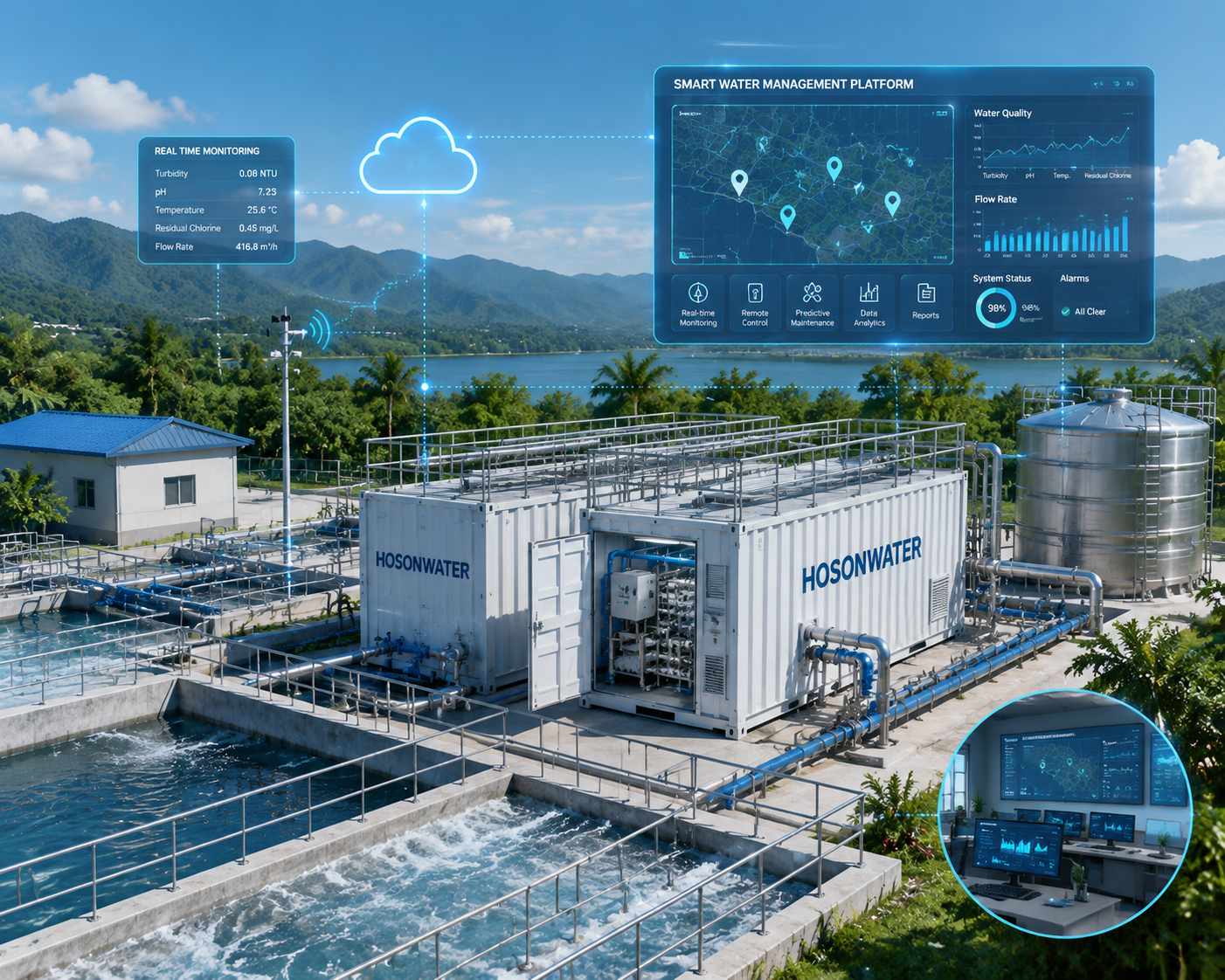
In molte aree del Sud-est asiatico, dell'Africa e del Medio Oriente, la fornitura idrica decentralizzata si scontra con diverse difficoltà, tra cui le variazioni della qualità delle fonti idriche e i problemi legati alla gestione quotidiana. HOSONWATER ha sviluppato soluzioni pratiche che utilizzano progetti modulari intelligenti per impianti di trattamento delle acque. L'azienda applica anche il monitoraggio remoto intelligente dell'acqua, l'analisi predittiva del trattamento delle acque e il monitoraggio dell'acqua in tempo reale. Questi strumenti contribuiscono a fornire acqua potabile affidabile, pulita e a prezzi ragionevoli. La combinazione di prefabbricazione modulare e supervisione basata sull'IoT consente agli impianti di trattamento delle acque di raggiungere rapidamente la piena operatività. Inoltre, riduce i periodi di inattività e garantisce un controllo di qualità costante.
Questo approccio consente risposte rapide alle condizioni locali, semplificando le operazioni per il personale sul campo.
Perché la manutenzione predittiva è fondamentale per l'efficienza del trattamento delle acque?
La manutenzione predittiva trasforma i metodi reattivi convenzionali in strategie basate sui dati. Queste strategie intervengono prima che i problemi si aggravino. Grazie all'analisi predittiva del trattamento delle acque, gli operatori possono prevedere problemi come l'intasamento delle membrane, gli squilibri chimici o i malfunzionamenti delle pompe, prima che questi influiscano sulla produzione giornaliera. Ad esempio, l'unità di ultrafiltrazione G20-2.0MLD, con una capacità di 2.000 m³/giorno, modifica autonomamente i cicli di controlavaggio in base alla pressione e al flusso della membrana. Allo stesso modo, il sistema da 4.000 m³/giorno applica l'analisi predittiva del trattamento delle acque, ottimizzando i programmi di pulizia e riducendo la quantità di prodotti chimici utilizzati. Questa azione, inoltre, prolunga la durata utile delle membrane. Queste osservazioni consentono agli impianti di mantenere una qualità dell'acqua costante con un intervento umano minimo, riducendo al contempo i costi di esercizio ed evitando improvvisi arresti del funzionamento.
Gli operatori ottengono un maggiore controllo sulle operazioni quotidiane, poiché i dati forniscono informazioni utili per una pianificazione più sicura.
Cosa rende superiore un impianto di trattamento delle acque intelligente modulare?
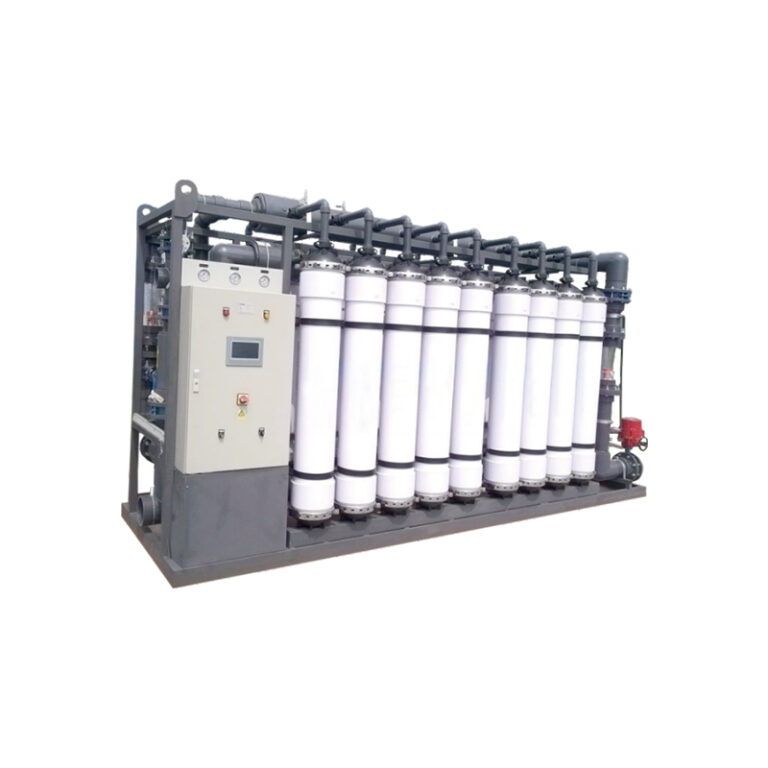
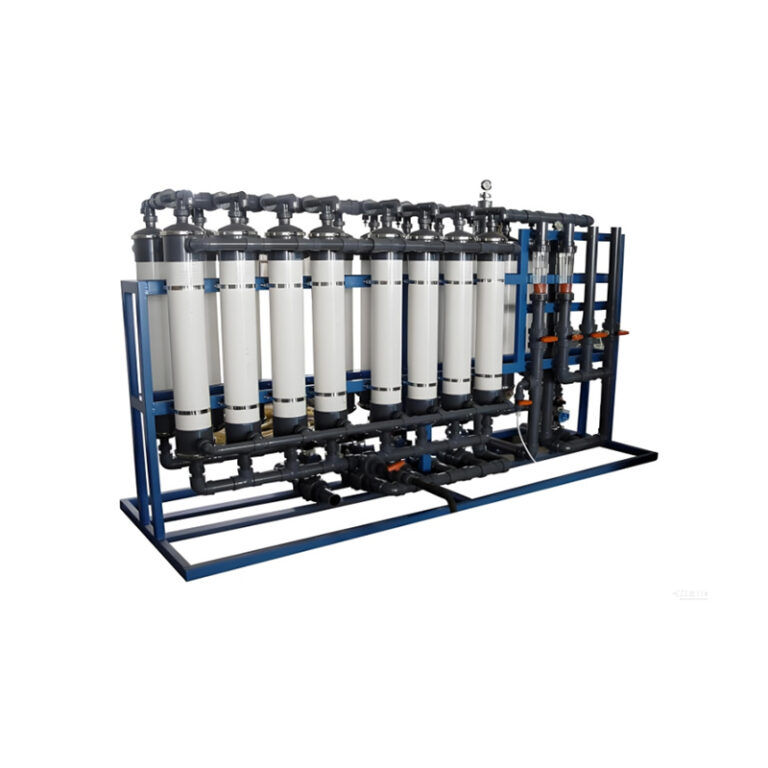
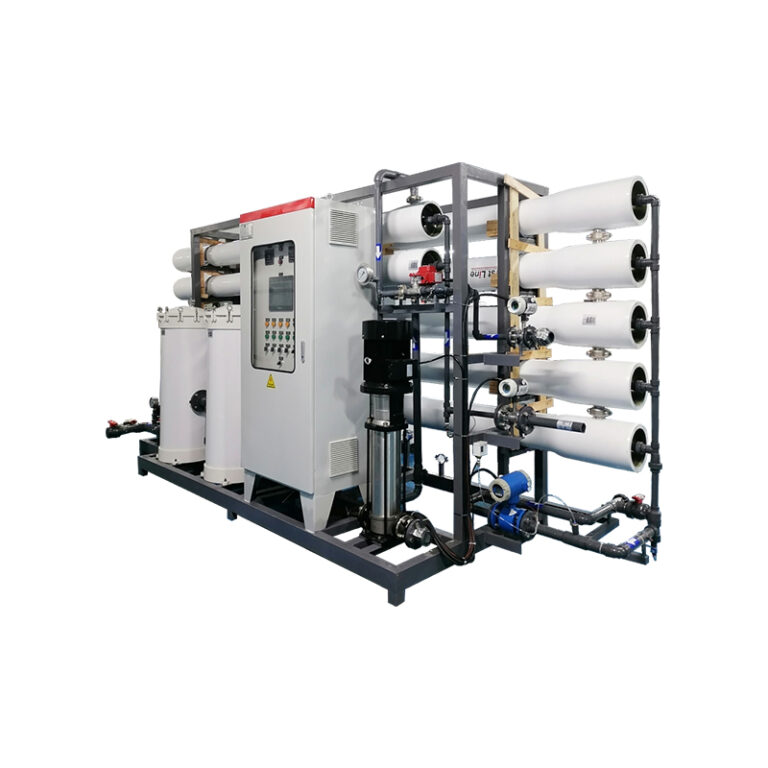
I sistemi modulari HOSON integrano tutti i componenti necessari, tra cui il modulo a membrana ad alto flusso, le valvole, le pompe e le unità di controllo. Questi componenti sono alloggiati all'interno di container prefabbricati, facilitando l'assemblaggio in loco. Generalmente, sono necessari solo i collegamenti alle tubazioni esterne e alla rete elettrica.
| Modello | Capacità di produzione di acqua dolce (m³/giorno) | Tipo di membrana | Metodo di filtrazione | Automazione | Monitoraggio remoto |
| G20-2.0MLD | 2,000 | UF 0,02 μm | flusso sifone | Pieno | SÌ |
| G20-4.0MLD | 4,000 | UF 0,02 μm | flusso sifone | Pieno | SÌ |
| G20-10.0MLD | 10,000 | UF immerso | Sifone di gravità | Pieno | SÌ |
Questi impianti modulari intelligenti per il trattamento delle acque consentono una crescita futura. Il sistema da 10.000 m³/giorno, ad esempio, può essere ampliato con l'aggiunta di moduli a membrana standard. Questa operazione non richiede importanti lavori di ingegneria civile. Il design compatto basato su container semplifica inoltre l'installazione in spazi urbani ristretti o su terreni difficili. È una soluzione ideale per siti remoti o impianti galleggianti, per i quali i metodi di costruzione tradizionali non sarebbero adatti.
I sistemi si dimostrano flessibili e pratici in svariati contesti. Gli operatori li trovano utili quando lo spazio o le condizioni ambientali creano delle limitazioni.
In che modo il monitoraggio dell'acqua in tempo reale migliora il controllo operativo?
I dati in tempo reale provengono da flussimetri, sensori di pressione, sensori di torbidità e analizzatori di cloro residuo. Queste informazioni consentono controlli rapidi sulla qualità dell'acqua e sul funzionamento dell'impianto. Gli operatori possono visualizzare le misurazioni più importanti su schermi centralizzati e ricevono notifiche automatiche quando un valore si discosta dai livelli normali.
Nel sistema da 4.000 m³/giorno, il monitoraggio dell'acqua in tempo reale rileva la torbidità e la presenza di microrganismi. Avvia la manutenzione predittiva quando i parametri indicano un possibile intasamento della membrana o lo sviluppo di biofilm. Il sistema da 10.000 m³/giorno include un'analisi delle tendenze basata sull'intelligenza artificiale. Regola automaticamente l'aerazione e l'intasamento della membrana senza intervento umano. Queste modifiche consentono di risparmiare energia e ridurre la quantità di prodotti chimici. Questi accorgimenti portano a un'acqua trattata con una torbidità costantemente inferiore a 0,1 NTU e garantiscono una forte protezione contro i microrganismi, anche in periodi di elevata torbidità.
Il flusso continuo di informazioni offre agli operatori un quadro chiaro in ogni momento. Possono agire rapidamente quando necessario e mantenere le prestazioni a un livello elevato.
Quali sono le specifiche tecniche dei sistemi di ultrafiltrazione HOSON?
La tabella seguente mostra le specifiche dettagliate per il principale impianto modulare di trattamento dell'acqua intelligente unità.
| Parametri | G20-2.0MLD | G20-4.0MLD | G20-10.0MLD |
| Output giornaliero | 2,000 m³ | 4,000 m³ | 10,000 m³ |
| Torbidità massima dell'alimentazione | 1.000 NTU | 1.000 NTU | 1.000 NTU |
| Pressione di funzionamento | ≥0,06 MPa | ≥0,06 MPa | ≥0,06 MPa |
| Temperatura massima di esercizio | 40°C | 40°C | 40°C |
| Intervallo di pH | 1–11 | 1–11 | 1–11 |
| Metodo di filtrazione | Sifone | Sifone | Sifone di gravità |
| Tipo di membrana | UF 0,02 μm | UF 0,02 μm | UF immerso |
| Controllare | PLC completamente automatizzato | PLC completamente automatizzato | PLC completamente automatizzato |
| Monitoraggio remoto | abilitato all'IoT | abilitato all'IoT | abilitato all'IoT |
Ogni sistema include funzioni intelligenti di controlavaggio e dosaggio dei prodotti chimici. Queste consentono di programmare la manutenzione predittiva e riducono notevolmente la necessità di frequenti controlli manuali. Il monitoraggio automatico dell'acqua in tempo reale aiuta i sistemi a soddisfare gli standard GB5749-2022 per l'acqua potabile, mantenendo al contempo un consumo energetico efficiente.
Il progetto si concentra sulle prestazioni pratiche. Consente un funzionamento a lungo termine senza la necessità di una costante attenzione da parte del personale.
Come fa HOSON a garantire un approvvigionamento idrico affidabile in condizioni estreme?
Il design modulare offre flessibilità in ambienti difficili. A Chongqing, gli ingegneri hanno posizionato un impianto di ultrafiltrazione galleggiante direttamente su un bacino idrico. Questa configurazione ha permesso l'espansione senza occupare terreno, mantenendo al contempo la stabilità delle operazioni. Gli usi offshore e industriali traggono vantaggio dall'acciaio inossidabile resistente alla corrosione. Anche i sistemi di controllo precollegati sono utili, consentendo l'automazione completa anche in luoghi remoti. Se combinato con monitoraggio remoto intelligente dell'acquaGli operatori monitorano la qualità dell'acqua, il funzionamento delle pompe e il dosaggio dei prodotti chimici. Svolgono queste attività senza essere presenti sul posto.
I sistemi continuano a funzionare bene anche sotto pressione. Offrono agli utenti tranquillità in luoghi dove le condizioni possono cambiare rapidamente.
Quali sono i vantaggi operativi e di manutenzione?
L'automazione, l'analisi predittiva e la modularità degli edifici riducono in modo significativo le esigenze di esercizio e manutenzione. Il dosaggio dei prodotti chimici rimane basso grazie all'ultrafiltrazione di precisione, riducendo l'utilizzo di disinfettanti e la formazione di sottoprodotti. I cicli di pulizia delle membrane vengono regolati in base al monitoraggio dell'acqua in tempo reale, prolungando la durata delle membrane e riducendo i costi energetici e dei prodotti chimici.
Nelle aree rurali, un singolo operatore può gestire diverse unità da schermi centralizzati. L'operatore utilizza analisi predittive per il trattamento delle acque per pianificare gli interventi prima che si manifestino problemi. Questo metodo tutela la qualità dell'acqua, aumenta il tempo di funzionamento degli impianti e ottimizza l'utilizzo delle risorse.
Il risultato complessivo è un flusso di lavoro quotidiano più fluido. I team dedicano meno tempo ai controlli di routine e più tempo alle attività importanti.
Conclusione
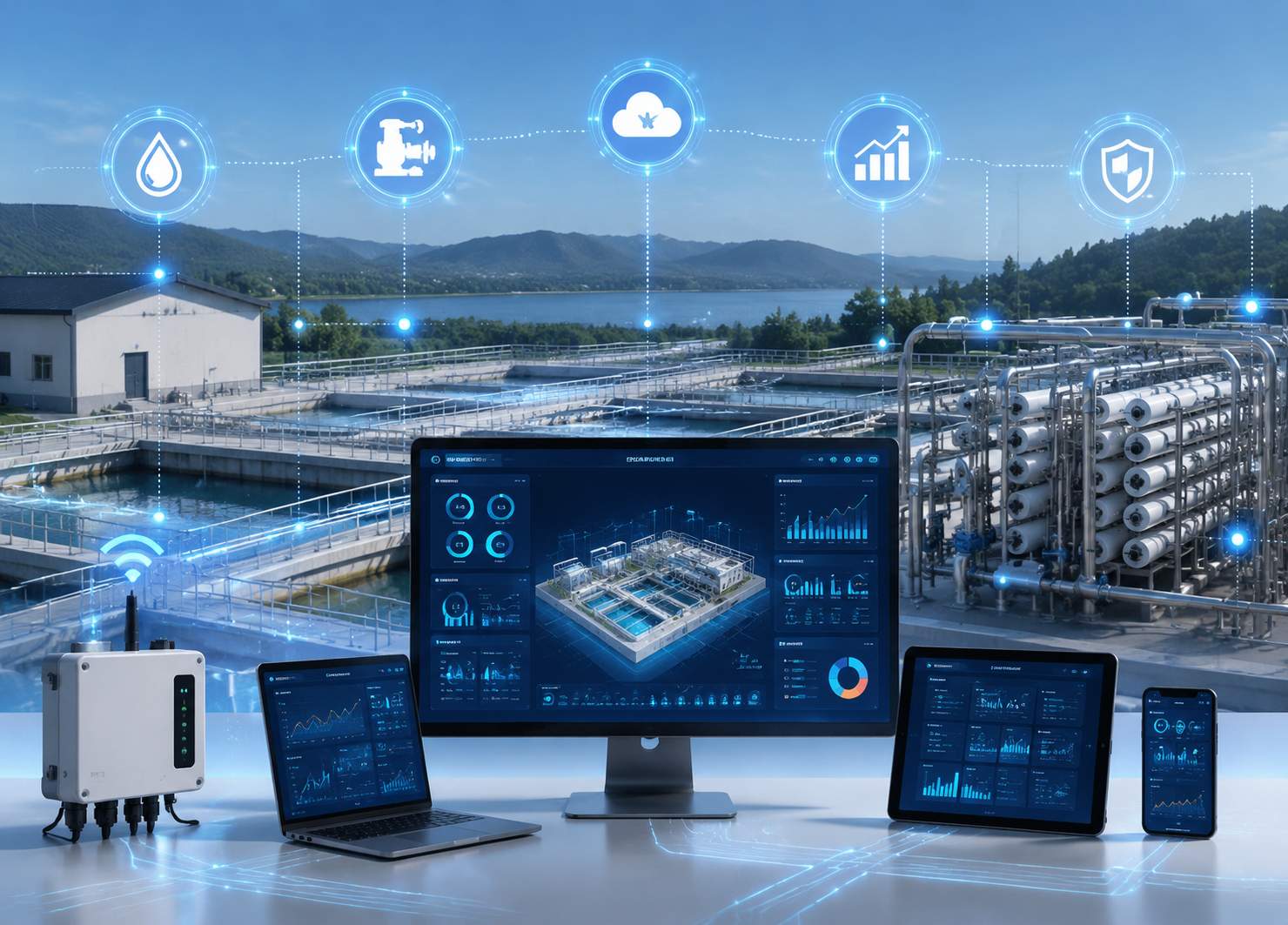
Gli impianti modulari intelligenti di trattamento delle acque HOSONWATER funzionano in sinergia con il monitoraggio remoto intelligente dell'acqua, l'analisi predittiva del trattamento delle acque e il monitoraggio dell'acqua in tempo reale. Creano un nuovo modo di gestire un approvvigionamento idrico decentralizzato. L'integrazione della prefabbricazione modulare, della supervisione IoT e della manutenzione predittiva supportata dall'intelligenza artificiale offre agli operatori una soluzione solida, scalabile ed efficace. La qualità dell'acqua si stabilizza. I livelli di energia e di sostanze chimiche raggiungono valori ottimali. I tempi di inattività del sistema si riducono al minimo. Questa tecnologia apre una strada duratura per città, industrie e comunità remote, consentendo loro di ottenere acqua potabile di alta qualità.
Domande frequenti
Come gestisce l'impianto di trattamento acque intelligente e modulare di HOSONWATER l'acqua ad alta torbidità?
I sistemi di ultrafiltrazione HOSONWATER si basano su membrane UF di precisione con una dimensione di 0,02 μm. Queste sono in grado di trattare acqua in ingresso con una torbidità fino a 1.000 NTU. Grazie al monitoraggio dell'acqua in tempo reale, un improvviso aumento della torbidità attiva il controlavaggio automatico. Questo processo mantiene la qualità dell'acqua in uscita a un livello costante.
Il monitoraggio remoto intelligente dell'acqua può ridurre i costi operativi?
Sì, è possibile. Il monitoraggio basato sull'IoT, unito all'analisi predittiva del trattamento delle acque, consente di modificare i cicli di controlavaggio e il dosaggio dei prodotti chimici. Queste regolazioni riducono il consumo energetico, le quantità di prodotti chimici e la manodopera necessaria nei sistemi modulari.
Quale manutenzione è necessaria per un impianto di trattamento delle acque intelligente e modulare?
La manutenzione ordinaria diventa più semplice grazie all'automazione. Gli operatori ricevono notifiche predittive dal monitoraggio dell'acqua in tempo reale. Queste notifiche consentono loro di pianificare in anticipo la pulizia delle membrane, il rabbocco dei prodotti chimici o la revisione delle pompe. Questo approccio riduce la necessità di continui controlli manuali.
Quanto è scalabile un sistema di ultrafiltrazione HOSONWATER?
A: La costruzione modulare consente di aumentare la capacità grazie all'aggiunta di moduli a membrana. Il sistema da 10.000 m³/giorno può essere ampliato gradualmente. Ciò riduce al minimo l'impatto sul sito e protegge l'investimento iniziale.
HOSONWATER offre assistenza post-vendita per il monitoraggio remoto intelligente dell'acqua?
HOSONWATER offre un supporto completo per l'intero ciclo di vita del sistema. Questo include il monitoraggio remoto, la consulenza sulla manutenzione predittiva e la formazione degli operatori. Questi servizi contribuiscono a mantenere i sistemi al massimo delle prestazioni e a soddisfare i requisiti della norma GB5749-2022.