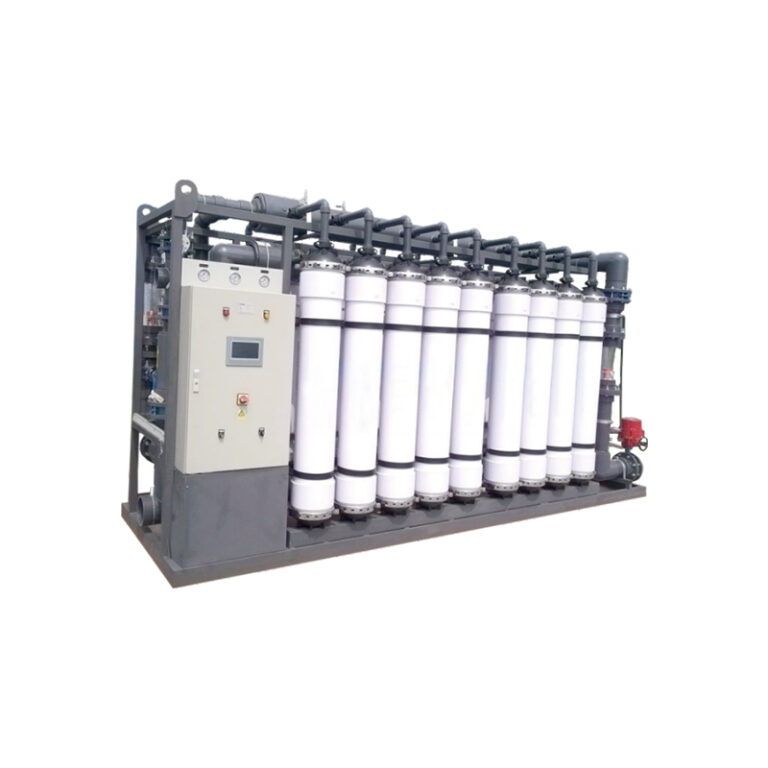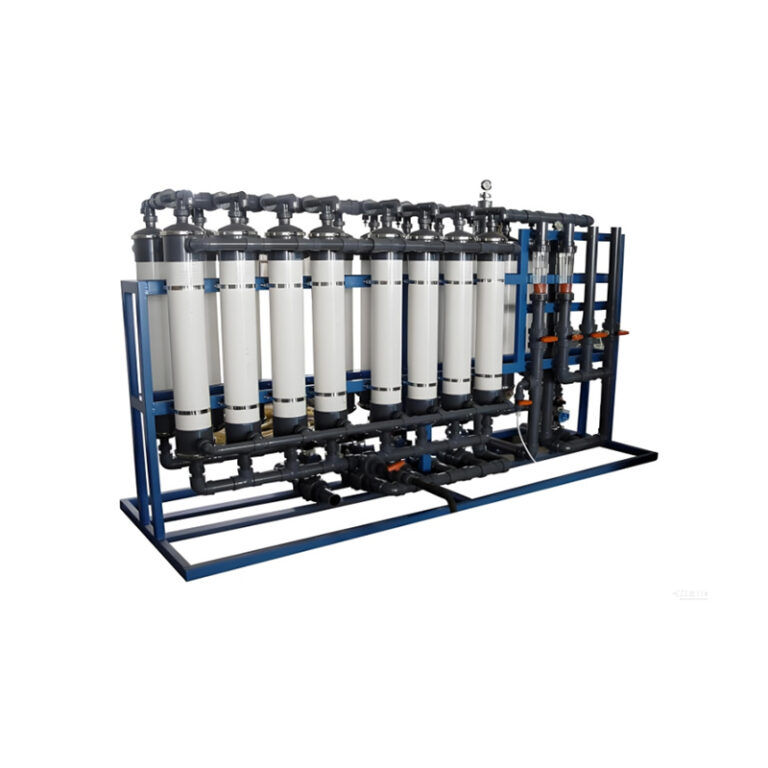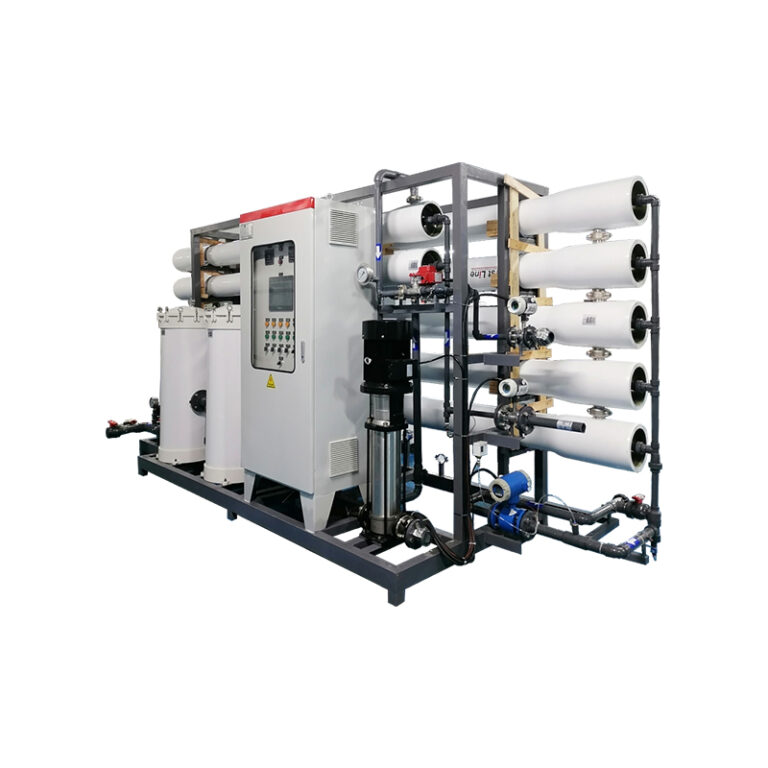


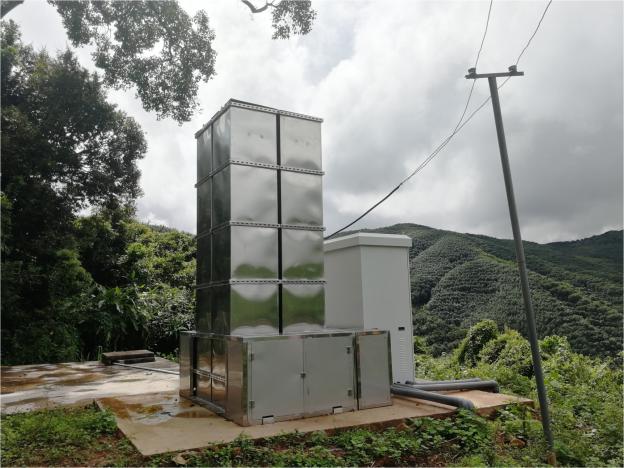
La pénurie mondiale d'eau résulte souvent d'un mauvais accès plutôt que de la pénurie d'approvisionnements. Les grands centres urbains bénéficient d'installations centrales bien développées. Cependant, les problèmes difficiles de mise en place du dernier tronçon restent un obstacle majeur pour les zones de travail collinées, rurales et réparties dans des endroits comme l'Asie du Sud-Est, l'Afrique et le Moyen-Orient. Les systèmes de conduites centrales habituels se révèlent souvent trop coûteux à construire dans ces terres difficiles. Les frais d'installation élevés et les fonctions foncières difficiles les rendent impractiques. Pour combler ce fossé, le champ se déplace vers des outils d'eau à base de boîtes. Ceux-ci utilisent des technologies avancées de traitement de l'eau pionnières par entreprises de traitement de l'eau pour fournir des résultats stables et de bonne qualité quel que soit le lieu.
Pourquoi les modèles d'infrastructure conventionnels échouent au dernier kilomètre dans les marchés émergents
Les installations d'eau standard échouent dans des endroits éloignés pour trois raisons principales. Il s'agit notamment de la forme du sol, des changements brusques de l'état de l'eau et des déficits d'entretien. Dans les zones de colline, les coûts de pose de tuyaux peuvent dépasser le budget total de l'usine. Cela en fait un obstacle de conception pour de nombreux urbanistes. En outre, l'eau ouverte dans ces endroits fait face à de grands changements selon la saison. Un ruisseau clair en temps sec peut se transformer en un mélange épais de boue et de minuscules formes de vie pendant les pluies.
De nombreuses sociétés de technologie de traitement de l'eau ont rencontré des problèmes dans le passé en plaçant des équipements pouvant gérer ces configurations sans l'aide constante d'experts sur place. Les systèmes de base manquent généralement les fonctionnalités automatiques nécessaires pour faire face aux changements rapides de nuageur. Cela entraîne des embouteillages ou des pannes membranaires régulières. En conséquence, l’adhésion à des systèmes fixes et non flexibles a empêché des millions de personnes vivant dans des communautés rurales d’avoir accès à l’eau propre. Cela nécessite un passage à des systèmes morceau par morceau, robustes et intelligents.
Ce qui définit la prochaine génération de technologies de traitement de l’eau pour les environnements décentralisés
Les technologies actuelles de traitement de l'eau conçues pour la dernière partie doivent se concentrer sur la facilité de mouvement, la robustesse et la précision du filtrage fin. Le cœur de ce changement repose sur une meilleure connaissance des membranes, en particulier des pièces d'ultrafiltration (UF) et d'osmose inverse (RO) personnalisées. Contrairement aux anciens filtres de sable, ces barrières bloquent complètement les germes et les morceaux flottants. Ils maintiennent l'eau de sortie stable à moins de 0,1 NTU.
Le tableau ci-dessous énumère les spécifications clés des principales pièces de membrane utilisées dans ces nouvelles usines pièce par pièce. Il souligne les différences de construction entre les configurations UF et RO.
| Paramètre technique | Module d'ultrafiltration (UF) | Module d'osmose inverse (RO) |
| Matériel de membrane | PVDF (haute résistance mécanique) | Composite à film mince en polyamide |
| Taille typique des pores | 0.01 – 0,1 microns | < 0,001 microns (niveau moléculaire) |
| Pression de fonctionnement | 0.02 – 0.2 MPa | 1 – 5.5 MPa |
| Contaminants ciblés | Bactéries, virus, turbidité, colloïdes | Sels dissous, métaux lourds, dureté |
| Taux de récupération | 90% – 95% | 50% – 75% |
| Taux de flux | 40 – 100 LMH | 12 – 25 LMH |
Dans les installations étendues, le PVDF (fluorure de polyvinylidène) dans les barrières UF est un must. Cette matière donne une forte résistance aux produits chimiques et à l'usure physique. Il permet à l'équipement de supporter des cycles de nettoyage dur et une entrée nuageuse qui détruirait des options plus faibles. En ajoutant ces technologies de traitement de l’eau à une boîte, nous réalisons un outil prêt à l’emploi, souvent commercialisé comme une unité de traitement de l’eau industrielle spécialisée ou un mobile système de dessalement à vendreIl démarre en beaucoup moins de temps que les anciens travaux de base ont besoin.
Comment les principales entreprises de technologie de traitement de l'eau intègrent l'IoT pour une résilience opérationnelle
Le vrai test dans les endroits éloignés est de maintenir les choses en cours au fil du temps. Les principales sociétés de technologie de traitement de l'eau ajoutent maintenant des fonctionnalités Internet des objets (IoT) pour construire des solutions d'eau intelligentes. Ils abordent le problème du manque de personnel qualifié. Dans de nombreux sites collinaires éloignés, obtenir un expert local pour régler une configuration de membrane se révèle presque hors de portée.
La conception intelligente corrige cela avec des outils automatiques de haut niveau et des configurations de montre de loin. Ceux-ci permettent à un groupe d'experts principal de suivre les écarts de force, les vitesses de débit et les points de contrôle de l'eau en direct par satellite ou signaux téléphoniques. Si un contrôleur repère un problème, comme un saut dans la turbidité d'entrée, la configuration peut commencer une ronde de rinçage supplémentaire par elle-même. Ou il peut avertir un expert éloigné avant que les problèmes ne frappent. Cette configuration, gérée par le modèle des habitants locaux, assure que les gens de la région ne font que des tâches simples. Les parties difficiles du traitement de l'eau sont gérées par des codes intelligents et des experts en dehors du site.
Quels sont les processus critiques du traitement de l'eau à l'intérieur d'une installation modulaire en conteneurs?
Pour garantir un approvisionnement en eau salubre, les étapes de traitement de l’eau doivent être planifiées avec soin. Une usine commune forte pièce par pièce utilise une commande en plusieurs parties. Il vise à protéger les principales barrières et à réduire la consommation d’énergie.
- Préfiltration intelligenteL'eau brute passe d'abord par des écrans multi-type ou à disque pour nettoyer la grosse saleté et les grands morceaux flottants qui pourraient causer l'usure.
- Préconditionnement chimique: En fonction du maquillage à l'eau, des bouchons d'échelle ou des agents de regroupement peuvent être ajoutés. Ils arrêtent l'accumulation de barrières et stimulent le travail des étapes de filtrage.
- Filtration à membrane de noyauL'eau est poussée à travers les parties UF pour nettoyer de minuscules formes de vie et de petits morceaux. Si le travail nécessite l'élimination du sel ou l'adoucissement, il se déplace vers les barrières RO.
- Post-traitement et DésinfectionLes derniers ajustements de pH et les étapes de nettoyage par ultraviolet (UV) ou chlore maintiennent l'eau libre de germes à travers les lignes de propagation.
- Suivi continu des performancesChaque partie du processus de traitement de l'eau est enregistrée et contrôlée par le PLC intégré. Cela maintient le résultat final toujours au-dessus ou au-dessus des règles de l'OMS en matière d'eau propre.
Étude de cas : réaliser des économies de coûts de 60 % grâce à la décentralisation dans le comté de Fengkai
À partir de notre vaste travail de projet, le plan de sécurité de l'eau du comté de Fengkai sert de guide clair pour résoudre le problème de la partie finale. Le travail portait sur la fourniture d’eau potable stable à 37 villages répartis sur des terres de montagne dures dans le Guangdong. Les vieux tuyaux ont été considérés comme trop chers à construire. Cela a conduit à choisir un modèle de boîte étendue.
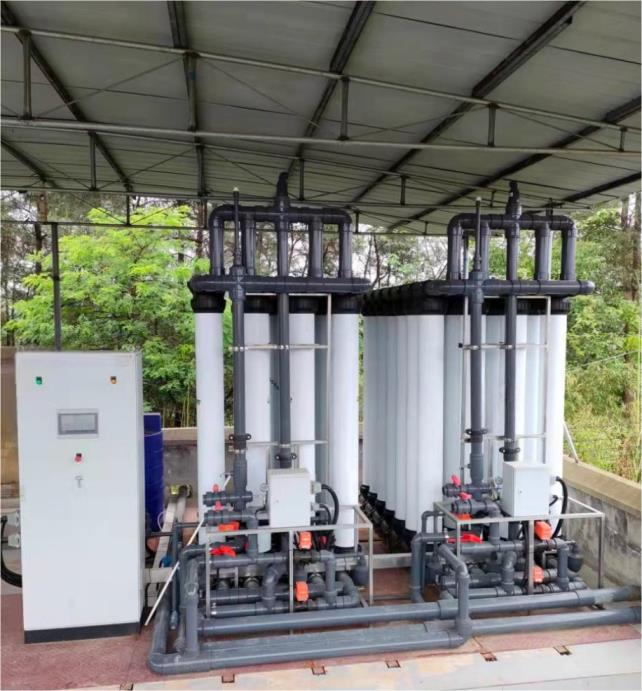
En plaçant des systèmes de pièces village par village, nous avons atteint un temps de mise en place de 3 jours par endroit. Nous avons également réduit les coûts complets du projet de 60% par rapport aux anciennes méthodes. La base technique de ce travail a utilisé des configurations combinées HOSON UF. Ils ont donné une clarté de l'eau inférieure à 0,1 NTU même en saisons de fortes pluies lorsque la nuageuse de l'eau brute a beaucoup changé. Cet exemple montre que l’utilisation technologies de traitement de l'eau à travers une vue de morceau fait disparaître les blocs de terre du dernier tronçon. La victoire ici ne vient pas seulement de l'équipement, mais du modèle de zone. Il permet aux habitants locaux de gérer les systèmes après une courte formation.
Pourquoi l'architecture de solution est supérieure à l'achat simple d'équipement?
Lorsqu'on examine les choix de différentes sociétés de technologie de traitement de l'eau, les électeurs doivent distinguer les vendeurs d'équipements des constructeurs de plans. L'achat d'une seule machine saute souvent les torsions du maquillage à l'eau du site et des soins à long terme. La façon dont un constructeur de plan se concentre sur un certain résultat. Il promet de définir la qualité de l'eau sur une période de 10 à 20 ans.
Cette vue de plan comprend le mélange sans marque. Il choisit le meilleur mélange de pièces UF, RO ou MBR en fonction des contrôles de coûts de propriété complets. Il met également l'accent sur la force durable pour l'avenir. Au fur et à mesure qu'un village ou un site de travail se développe, les systèmes de pièces peuvent s'étendre en ajoutant simplement plus d'unités de boîte. Cette flexibilité est importante dans les zones en croissance où les personnes et les besoins du travail continuent de changer.
Conclusion
Le passage à des systèmes d’eau intelligents basés sur des boîtes est le meilleur moyen d’atteindre la sécurité totale de l’eau dans les endroits les plus difficiles de la terre. En utilisant de nouvelles technologies de traitement de l'eau et en passant à la construction de plans répartis, nous pouvons sauter les limites d'argent et de terrain des anciennes installations. Cela fonctionne dans les collines éloignées de l'Asie du Sud-Est ou les terres sèches du Moyen-Orient. L'objectif reste de transformer le traitement de l'eau d'un problème lointain en une victoire d'ingénierie.
FAQ (questions fréquentes)
Q : Quelles sont les technologies de traitement des eaux les plus fiables pour les zones montagneuses éloignées ?
R: Pour les zones de montagne éloignées, les technologies de traitement de l'eau les plus stables mélangent l'ultrafiltration (UF) et l'osmose inverse (RO) dans des systèmes de boîte. Ces solutions basées sur la barrière bloquent complètement les germes et les minuscules insectes. Ces problèmes apparaissent souvent dans les zones d'eau ouverte. Pour les travaux nécessitant une grande résistance, HOSON suggère des barrières UF à base de PVDF. Ils résistent aux embouteillages et à la contrainte physique mieux que les vieilles choses.
Q: Comment les entreprises de technologie de traitement de l'eau s'assurent-elles que les systèmes fonctionnent dans des zones sans ingénieurs qualifiés?
R: Les principales entreprises de technologie de traitement de l'eau corrigent le savoir-faire local manquant avec des outils automatiques IoT et des installations de gestion et d'entretien distantes. Ceux-ci permettent des contrôles 24 heures sur 24 depuis un centre principal. Les experts peuvent ajuster les processus de traitement de l'eau à distance. En gérant automatiquement des tâches clés comme le rinçage de barrière et l'ajout de produits chimiques, le travail local se réduit à une simple observation. Cela rend la technologie ouverte aux groupes ruraux.
Q: Quels sont les principaux procédés de traitement de l'eau utilisés dans les installations en conteneurs?
R: Les processus communs de traitement de l'eau dans une usine de boîte couvrent le dépistage précoce en plusieurs étapes pour nettoyer les grandes ordures, l'ultrafiltration pour la sécurité des germes et l'osmose inverse de choix pour la coupe de sel. Ensuite viennent les contrôles après nettoyage et intelligents. Des corrections complètes comme celles de HOSON assurent que chaque étape fonctionne le mieux pour protéger les barrières ultérieures. Cela prolonge la durée de vie de l'engrenage et réduit les coûts de propriété complets.
Q: Pourquoi une centrale de traitement d'eau modulaire est-elle meilleure qu'une centrale d'eau civile traditionnelle?
R: Un morceau d'une station de traitement de l'eau apporte des gains clés. Cela réduit le temps de construction sur site de 60 à 80 %. Il économise également beaucoup sur les installations de tuyauterie. Puisque ces installations utilisent des technologies avancées de traitement de l'eau dans une boîte de navire habituelle, elles se déplacent facilement vers des endroits éloignés. Ce style de pièce permet également une croissance rapide. À mesure que les besoins en eau augmentent, des unités supplémentaires sont ajoutées sans de nouveaux gros emplois au sol.
Q: Comment HOSON maintient-il la qualité de l'eau pendant les conditions météorologiques extrêmes comme les moussons?
R: Les configurations HOSON sont construites avec des barrières à débit élevé, à l'abri de l'obstruction et des contrôleurs automatiques qui s'adaptent aux états d'entrée changeants. Pendant les saisons des pluies, lorsque la nuageuse saute, le guide intelligent change les ronds de filtre et la chimie ajoute en direct. Cela permet de maintenir le bon fonctionnement des processus de traitement de l'eau. Il donne toujours de l'eau avec une nuageuse inférieure à 0,1 NTU, quel que soit l'état de l'eau brute.