
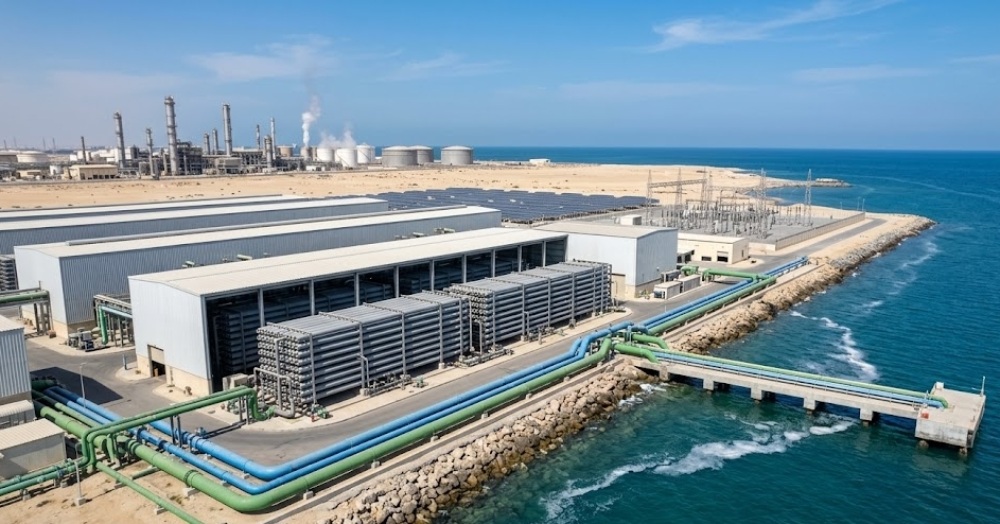
Kelangkaan air kini meluas melampaui wilayah pedalaman yang kering. Berbagai distrik pesisir menghadapi tekanan yang semakin besar terhadap pasokan air tawar karena menipisnya air tanah dan meningkatnya intrusi air laut. Di lokasi-lokasi tertentu di Timur Tengah, Afrika, Asia Tenggara, dan wilayah kepulauan, lokasi produksi dan pemerintah kota semakin mengadopsi desalinasi air laut sebagai pendekatan berkelanjutan untuk mengamankan penyediaan air.
Tren ini mendorong pertumbuhan pesat secara global. bisnis desalinasiPara operator pabrik tidak lagi mempertanyakan kelayakan konseptual desalinasi air laut. Sebaliknya, mereka mencari jawaban konkret mengenai biaya operasional, penggunaan daya, kebutuhan perawatan, dan keandalan yang berkelanjutan.
Pertanyaan umum dari perencana proyek tetap lugas: dapatkah air laut didesalinasi secara memadai untuk mendukung produksi industri dan kebutuhan air kota?
Dengan teknologi Reverse Osmosis Air Laut (SWRO) saat ini, jawabannya adalah ya. Sistem SWRO modern mengolah air laut dengan konsentrasi TDS melebihi 40.000 mg/L, dan mempertahankan kemurnian hasil yang konsisten serta hasil operasional yang diharapkan.
Saat ini, desalinasi air laut banyak diterapkan dalam operasi pertambangan, pulau wisata, anjungan lepas pantai, bangunan pabrik, dan proyek infrastruktur perkotaan.
Mengapa Daerah dengan Salinitas Tinggi Bergantung pada Teknologi SWRO?
Kekurangan air tawar menjadi hambatan signifikan bagi kemajuan produksi di banyak daerah pesisir. Pasokan air tanah konvensional seringkali kesulitan untuk memenuhi kebutuhan yang meningkat, terutama di daerah yang ditandai dengan penguapan yang tinggi dan curah hujan yang terbatas.
Dalam situasi seperti ini, desalinasi air laut menghasilkan cadangan air yang lebih stabil dan lebih mudah dikelola.
Saat para ahli teknis menilai apakah air laut dapat dimurnikan untuk penggunaan tingkat produksi, hambatan teknik utama berpusat pada tekanan osmotik. Air laut mengandung sejumlah besar unsur garam, sehingga instalasi desalinasi perlu berfungsi pada tekanan tinggi untuk mendorong air melewati membran osmosis terbalik.
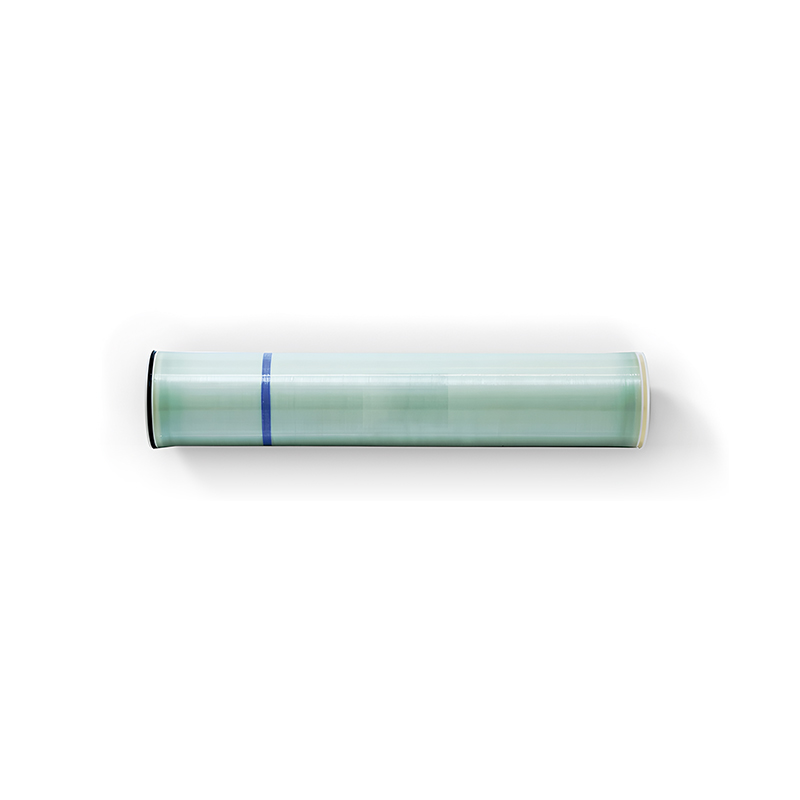
Sistem SWRO industri biasanya beroperasi pada tekanan 55–70 bar, tergantung pada kandungan garam air masukan, suhu air laut, dan ketentuan keluaran.
Pada sistem SWRO arus utama, Tingkat Pemulihan Sistem adalah rasio aliran permeat terhadap total aliran air umpan. Sebagian besar instalasi SWRO produksi beroperasi pada rentang keluaran 35% hingga 45%, yang bertujuan untuk menyeimbangkan hasil air, perlindungan membran, dan pengaturan endapan.
Standar air masukan, efektivitas pra-perlakuan, dan kondisi pengoperasian semuanya memengaruhi hasil penyiapan skala besar.
Teknologi Utama yang Digunakan dalam Sistem SWRO Modern
Membran Osmosis Balik
Kinerja membran merupakan salah satu elemen utama dalam desalinasi air laut. Membran komposit film tipis poliamida modern mencapai rasio penolakan garam hingga 99,2%, dan mempertahankan aliran permeat yang andal dalam kondisi operasi dengan kadar garam tinggi.
Bagi klien produksi, kekakuan membran secara langsung memengaruhi biaya operasional, keteraturan pencucian, dan keandalan pemasangan secara umum.
Konsumsi Energi dan kWh/m³ Optimasi
Penggunaan daya listrik tetap menjadi salah satu biaya operasional tertinggi dalam proyek desalinasi air laut. Dalam pengaturan SWRO, keluaran daya biasanya dinilai dalam kWh per meter kubik (kWh/m³) air yang dihasilkan.
Alih-alih mengandalkan teknologi pemulihan energi mekanik langsung, sistem SWRO modern meningkatkan efisiensi energi listrik melalui desain hidrolik yang dioptimalkan dan kontrol pompa tekanan tinggi yang cerdas.
Teknik penyempurnaan standar meliputi:
- Pemilihan pompa bertekanan tinggi yang efisien
- Kontrol Penggerak Frekuensi Variabel (VFD)
- Manajemen tekanan yang stabil
- Otomatisasi PLC cerdas
- Strategi penyeimbangan aliran
Tergantung pada kadar garam air masukan dan tekanan operasional, instalasi SWRO produksi biasanya menggunakan 3,5 hingga 6,0 kWh/m³.
Penyederhanaan pra-perawatan dan perlindungan membran.
Praperlakuan memegang peran vital dalam pemurnian air laut. Standar air masukan yang buruk dapat mengakibatkan penyumbatan membran, pembentukan kerak, pengotoran organik, dan penurunan efektivitas instalasi. Untuk meningkatkan ketahanan operasional yang berkelanjutan sekaligus mengurangi kerumitan perawatan, banyak lokasi saat ini menerapkan Praperawatan yang disederhanakan taktik.
Urutan praperawatan umum dapat mencakup:
- Penyaringan multimedia
- Ultrafiltrasi (UF)
- Filtrasi cakram
- Sistem pemberian dosis bahan kimia
- Pemantauan SDI
Mempertahankan Indeks Kepadatan Lumpur (SDI) di bawah 3,0 membantu meminimalkan pengotoran membran dan memperpanjang durasi operasional membran.
Ketahanan Korosi dalam Aplikasi Air Laut
Kandungan klorida yang tinggi dalam air laut menimbulkan bahaya korosi yang signifikan bagi pompa, saluran, dan elemen rangka.
Oleh karena itu, instalasi SWRO produksi secara rutin menggunakan bahan Baja Tahan Karat Dupleks termasuk 2205 dan 2507, di bagian bertekanan tinggi dari instalasi tersebut. Bahan-bahan tersebut meningkatkan perlindungan korosi di lingkungan pesisir yang keras dan berkontribusi pada peningkatan daya tahan peralatan.
Spesifikasi Teknis Sistem HOSON SWRO
Tabel berikut menguraikan spesifikasi pengoperasian tipikal sistem desalinasi air laut HOSON yang digunakan dalam aplikasi industri dan daerah terpencil.
| Metrik Teknis | Stasiun SWRO Industri | Unit Kelautan Kontainer |
| Kapasitas Keluaran | 25 Ton/Hari | 3 Ton/Hari |
| Tingkat Pemulihan Sistem | 38% – 45% | 30% – 35% |
| Konsumsi Energi (kWh/m³) | 3.5 – 5.5 | 4.0 – 6.0 |
| Tingkat Penolakan Garam | 99.2% | 99.0% |
| Jenis Praperlakuan | Multimedia + UF | Filtrasi Cakram Terintegrasi |
| Toleransi TDS Saluran Masuk | < 45.000 mg/L | < 40.000 mg/L |
Sistem-sistem ini banyak digunakan dalam proses produksi air, proyek ekstraksi, platform laut, upaya desalinasi pulau, dan proyek penyediaan air mendesak.
Mengapa Sistem SWRO Kontainer Menjadi Semakin Populer?
Fasilitas desalinasi konvensional seringkali memerlukan tahapan pembangunan yang panjang, tugas-tugas teknik sipil yang rumit, dan kru teknis yang terampil. Di wilayah pesisir terpencil, persyaratan ini dapat secara signifikan meningkatkan biaya pembangunan dan jadwal proyek.
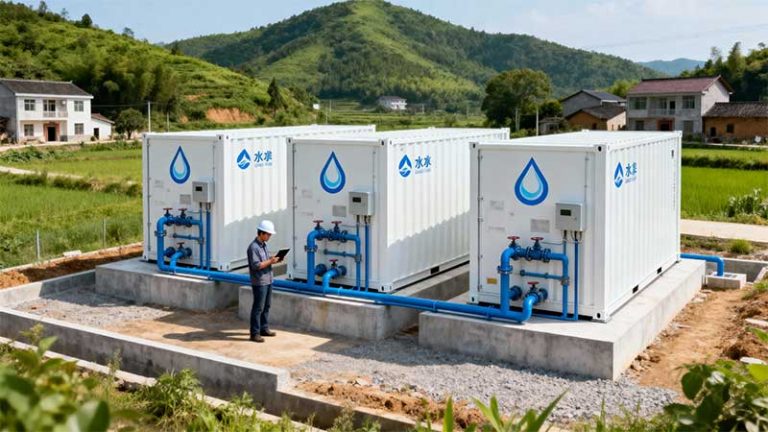
Untuk meningkatkan fleksibilitas penempatan, banyak pengelola saat ini memilih pengaturan SWRO modular dalam kontainer.
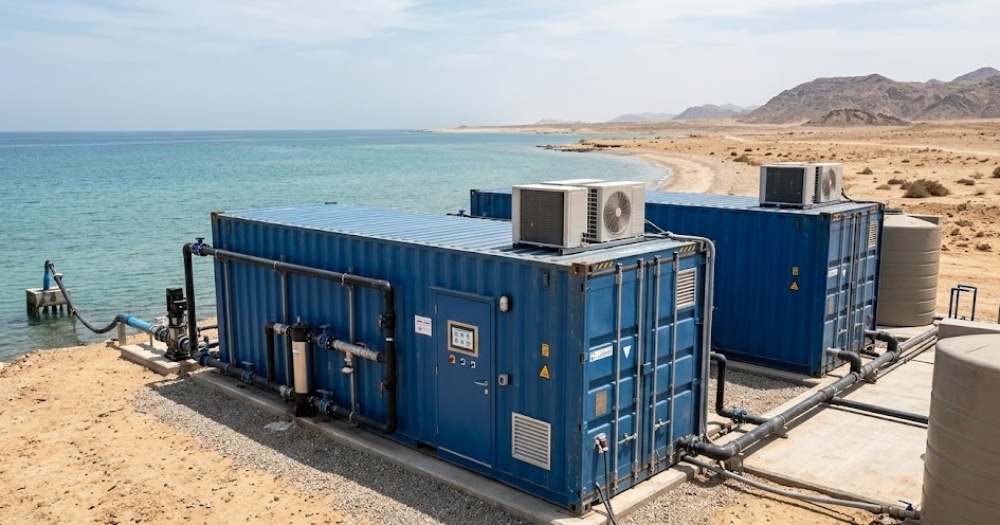
Sistem kontainer HOSON menggabungkan peralatan pra-perawatan, modul membran, sistem CIP, pompa, kontrol PLC, dan komponen listrik ke dalam kontainer ISO yang seragam.
Bagi pembeli yang mencari sumber terpercaya sistem desalinasi untuk dijual, Pengaturan berbasis kontainer memberikan berbagai keunggulan yang bermanfaat.
Instalasi Lebih Cepat
Instalasi berbasis kontainer mengurangi upaya pembangunan di lokasi dan umumnya dapat memulai operasi jauh lebih cepat daripada fasilitas desalinasi standar.
Ekspansi Modular
Unit-unit tambahan dapat diposisikan secara paralel seiring dengan meningkatnya kebutuhan air.
Kemampuan Beradaptasi di Lingkungan yang Sulit
Sistem pengaturan iklim terintegrasi membantu melindungi wadah PLC dan peralatan VFD di lingkungan dengan suhu sekitar yang dapat melebihi 45°C.
Mengurangi Kompleksitas Operasional
Sistem HMI otomatis memungkinkan manajer untuk mengamati konduktivitas, tekanan, laju aliran, dan keluaran kWh/m³ secara real time.
Kinerja SWRO di Dunia Nyata dalam Aplikasi Pesisir
Uji coba di lapangan menunjukkan bahwa sistem SWRO saat ini dapat berfungsi dengan stabil bahkan di tengah kondisi air laut yang menantang.
Dalam proyek produksi pesisir tertentu, sistem HOSON SWRO berkapasitas 25 ton per hari mampu mempertahankan kemurnian hasil yang andal meskipun terjadi variasi tahunan pada kadar garam air laut. Lokasi tersebut mempertahankan hasil produksi yang stabil dengan sedikit gangguan dengan mematuhi protokol operasi yang telah ditetapkan untuk pencucian membran, aplikasi antiscalant, dan arahan pra-perlakuan.
Proyek selanjutnya berkaitan dengan desalinasi resor pulau di Asia Tenggara. Sebelumnya, klien bergantung pada pasokan air tawar yang diangkut, yang mengakibatkan biaya operasional tinggi dan ketidakpastian pasokan. Setelah memasang instalasi SWRO kompak yang dilengkapi dengan kontrol pompa bertekanan tinggi yang canggih, lokasi tersebut secara efektif mengurangi penggunaan energi listrik sambil mempertahankan hasil air tawar yang stabil.
Proyek-proyek semacam ini menunjukkan bahwa pertanyaan tentang apakah kita dapat memurnikan air laut tidak lagi bersifat abstrak. Metode SWRO saat ini telah menyediakan solusi yang layak dan dapat diskalakan untuk menghasilkan air tawar secara berkelanjutan di daerah pesisir dan daerah dengan salinitas tinggi.
Strategi Pemeliharaan untuk Stabilitas Sistem Jangka Panjang
Keandalan pemurnian air laut dalam jangka panjang sangat bergantung pada pemeliharaan pencegahan dan pengoperasian yang ketat.
Dalam lingkungan dengan kadar garam tinggi, hambatan operasional utama meliputi:
- Pengotoran membran
- Kerak anorganik
- Kontaminasi biologis
- Ketidakstabilan tekanan
- Korosi
Untuk mempertahankan hasil pengaturan yang andal, manajer produksi secara rutin memberlakukan berbagai protokol pemeliharaan standar.
Pembersihan CIP (Clean-In-Place)
Urutan pencucian berkala dengan pH rendah dan pH tinggi membantu menghilangkan akumulasi endapan anorganik dan kotoran organik dari bagian luar membran.
Pemantauan Kinerja Berkelanjutan
Mengamati variasi tekanan, konduktivitas, dan aliran permeat membantu para pengelola mendeteksi pola pengotoran sebelum terjadi penurunan produksi yang akut.
Pengendalian Dosis Kimia
Pengaturan aplikasi otomatis untuk natrium metabisulfit dan zat anti kerak membantu menstabilkan komposisi air masukan dan mengurangi ancaman pengendapan.
Audit Kinerja Energi
Memantau penggunaan daya tertentu (kWh/m³) membantu mengenali kerusakan pompa, ketidakseimbangan fluida, atau kebocoran katup yang dapat mengurangi efektivitas pemasangan.
Kesimpulan
Kekurangan air tawar menjadi kendala yang terus-menerus bagi produksi dan daerah pesisir di seluruh dunia. Dengan meningkatnya kebutuhan akan penyediaan air yang andal, desalinasi air laut beralih dari metode sekunder menjadi struktur yang sangat penting.
Desain SWRO saat ini telah membuktikan bahwa air laut dapat dimurnikan, yang bukan lagi sekadar pertukaran rekayasa. Dengan menggunakan metode membran yang canggih, manajemen daya listrik yang disempurnakan, desain modular, dan protokol operasi yang konsisten, pemurnian air laut dapat menghasilkan air tawar yang andal untuk produksi, perkotaan, dan penggunaan komersial.
Bagi perencana proyek dan klien produksi yang sedang mempertimbangkan sistem desalinasi untuk dijual, pengaturan SWRO modular menghadirkan perpaduan fungsional antara keandalan operasional, kemampuan adaptasi penempatan, dan keberlanjutan yang berkelanjutan.
FAQ (Pertanyaan umum)
Bisakah kita memurnikan air laut menjadi air minum?
Benar. Sistem SWRO saat ini memiliki kemampuan untuk menghilangkan hingga 99,2% unsur garam dan kotoran, sehingga menghasilkan air minum yang sesuai dengan standar dunia untuk konsumsi air minum.
Berapakah konsumsi energi tipikal dari sistem SWRO?
Instalasi SWRO produksi umumnya membutuhkan antara 3,5 dan 6,0 kWh/m³, bergantung pada kandungan garam air masukan, rasio keluaran, dan pengaturan instalasi.
Apa yang dimaksud dengan Tingkat Pemulihan Sistem?
Dalam instalasi SWRO, Tingkat Pemulihan Sistem menunjukkan bagian air keluaran yang dihasilkan relatif terhadap seluruh arus air laut masukan yang mengakses instalasi tersebut.
Berapa lama biasanya membran SWRO bertahan?
Dengan perlakuan awal yang tepat, pencucian CIP rutin, dan kondisi operasi yang konsisten, membran SWRO umumnya mempertahankan output yang andal selama 3 hingga 5 tahun.
Apakah sistem SWRO dalam kontainer cocok untuk proyek industri di lokasi terpencil?
Memang benar. Sistem SWRO dalam kontainer banyak digunakan dalam kegiatan ekstraksi, anjungan lepas pantai, pulau resor, dan proyek produksi jarak jauh, karena kemudahan penempatan dan pengaturan yang tidak rumit.
Untuk informasi lebih lanjut mengenai solusi desalinasi air laut HOSON, hubungi HOSON Technology untuk konsultasi teknis dan evaluasi proyek.