
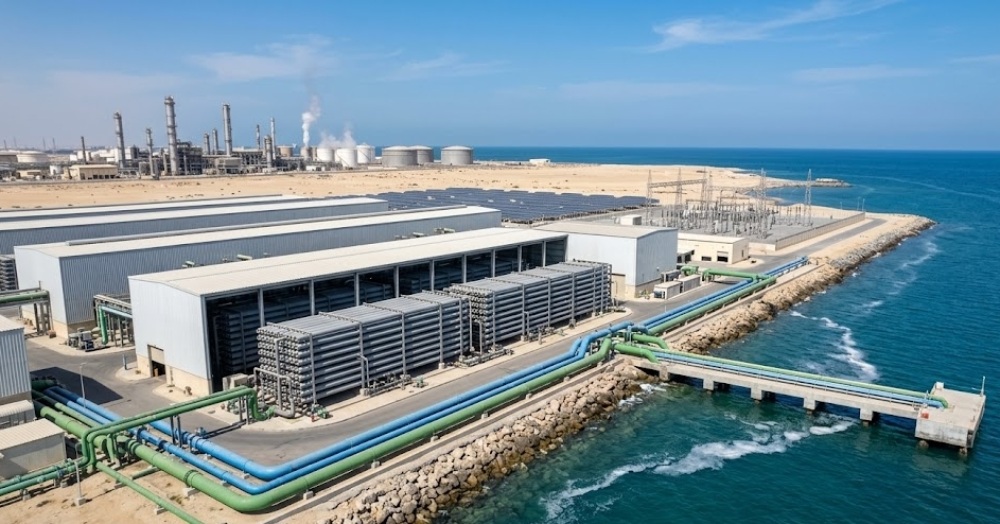
A escassez de água agora vai além das regiões áridas do interior. Diversos distritos costeiros enfrentam uma pressão crescente sobre o abastecimento de água doce devido ao esgotamento das águas subterrâneas e à intrusão de água salgada. Em locais específicos do Oriente Médio, África, Sudeste Asiático e territórios insulares, unidades de produção e administrações municipais estão adotando cada vez mais a dessalinização da água do mar como uma abordagem sustentável para garantir o abastecimento de água.
Essa tendência impulsiona um rápido crescimento no mundo. negócios de desalinaçãoOs operadores de usinas já não questionam a viabilidade conceitual da dessalinização da água do mar. Em vez disso, buscam respostas concretas relativas a custos operacionais, consumo de energia, necessidades de manutenção e confiabilidade sustentada.
Uma pergunta frequente dos planejadores de projetos é direta: a água do mar pode ser dessalinizada em quantidade suficiente para atender à produção industrial e à demanda de água municipal?
Com a tecnologia atual de Osmose Reversa de Água do Mar (SWRO), a resposta é afirmativa. Os modernos sistemas SWRO tratam água do mar com concentrações de TDS superiores a 40.000 mg/L e mantêm uma pureza consistente na água produzida, além dos resultados operacionais esperados.
Atualmente, a dessalinização da água do mar é amplamente aplicada em operações de mineração, ilhas turísticas, plataformas offshore, edifícios fabris e projetos de infraestrutura urbana.
Por que regiões com alta salinidade dependem da tecnologia de osmose reversa da água do mar?
A escassez de água doce surge como um obstáculo significativo ao avanço da produção em inúmeras regiões costeiras. Os sistemas convencionais de abastecimento subterrâneo frequentemente têm dificuldades para atender às crescentes demandas, especialmente em áreas caracterizadas por alta evaporação e precipitação limitada.
Nessas circunstâncias, a dessalinização da água do mar proporciona uma reserva de água mais estável e controlável.
Enquanto especialistas técnicos avaliam se a água do mar pode ser purificada para uso em escala industrial, o principal obstáculo de engenharia reside na pressão osmótica. A água do mar contém volumes substanciais de elementos salinos, portanto, os sistemas de dessalinização precisam funcionar sob alta pressão para impulsionar a água através das membranas de osmose reversa.
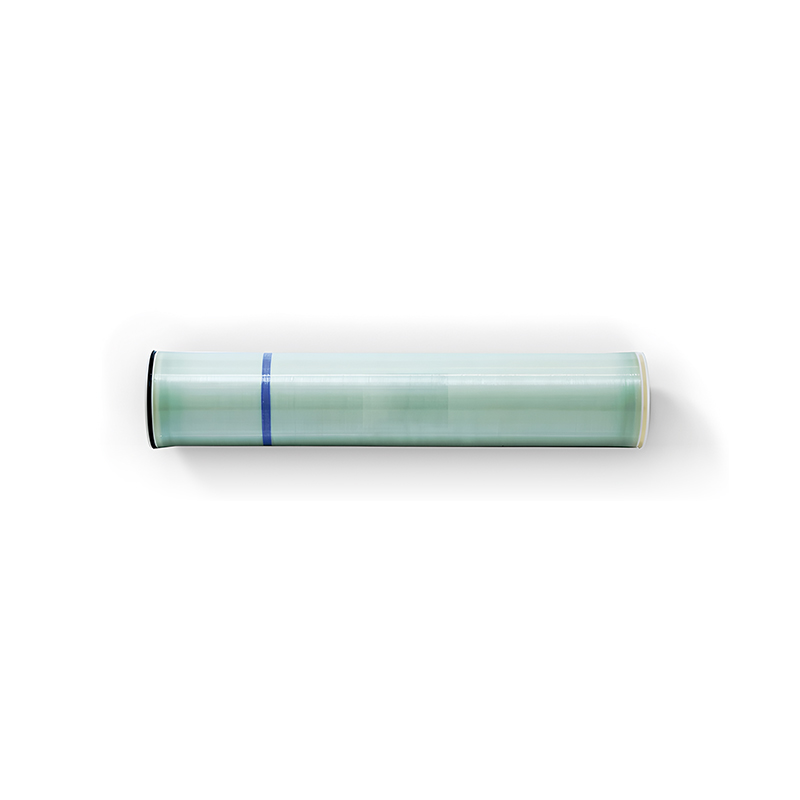
Os sistemas industriais de dessalinização por osmose reversa (SWRO) normalmente operam a uma pressão de 55 a 70 bar, dependendo do teor de sal da água de entrada, da temperatura da água do mar e das especificações de saída.
Nos sistemas convencionais de dessalinização por osmose reversa (SWRO), a taxa de recuperação do sistema é a razão entre o fluxo de permeado e o fluxo total de água de alimentação. A maioria das instalações de produção de SWRO opera com uma faixa de produção de 35% a 45%, visando equalizar o rendimento de água, a proteção da membrana e a regulação do depósito.
A qualidade da água de entrada, a eficácia do pré-tratamento e as condições de operação afetam os resultados da configuração a longo prazo.
Tecnologias-chave utilizadas em sistemas modernos de osmose reversa de água do mar
Membranas de Osmose Reversa
A produção por membrana está entre os principais elementos na dessalinização da água do mar. As membranas compostas de filme fino de poliamida contemporâneas atingem taxas de rejeição de sal de até 99,2% e mantêm um fluxo de permeado confiável em condições operacionais de alta salinidade.
Para clientes da área de produção, a firmeza da membrana influencia diretamente os custos operacionais, a frequência de lavagem e a confiabilidade geral da instalação.
Consumo de energia e kWh/m³ Otimização
O consumo de energia elétrica continua sendo um dos maiores custos operacionais em projetos de dessalinização de água do mar. Em sistemas de dessalinização por osmose reversa (SWRO), a produção de energia é geralmente avaliada em kWh por metro cúbico (kWh/m³) de água produzida.
Em vez de depender de tecnologias de recuperação direta de energia mecânica, os modernos sistemas de osmose reversa de água do mar (SWRO) melhoram a eficiência energética elétrica por meio de um projeto hidráulico otimizado e controle inteligente de bombas de alta pressão.
As técnicas de refinamento padrão envolvem:
- Seleção eficiente de bombas de alta pressão
- Controle de inversor de frequência (VFD)
- Gestão de pressão estável
- Automação inteligente de PLC
- estratégias de balanceamento de fluxo
De acordo com os níveis de salinidade da água de entrada e a pressão operacional, os sistemas de dessalinização por osmose reversa (SWRO) normalmente utilizam de 3,5 a 6,0 kWh/m³.
Pré-tratamento simplificado e proteção de membrana
O pré-tratamento desempenha um papel vital na purificação da água do mar. Padrões de qualidade da água de entrada podem resultar em incrustação da membrana, formação de depósitos, contaminação orgânica e redução da eficiência do sistema. Para promover estabilidade operacional duradoura e, ao mesmo tempo, reduzir a complexidade da manutenção, muitas instalações atualmente adotam o pré-tratamento. Pré-tratamento simplificado táticas.
Uma sequência comum de pré-tratamento pode incluir:
- Filtragem multimídia
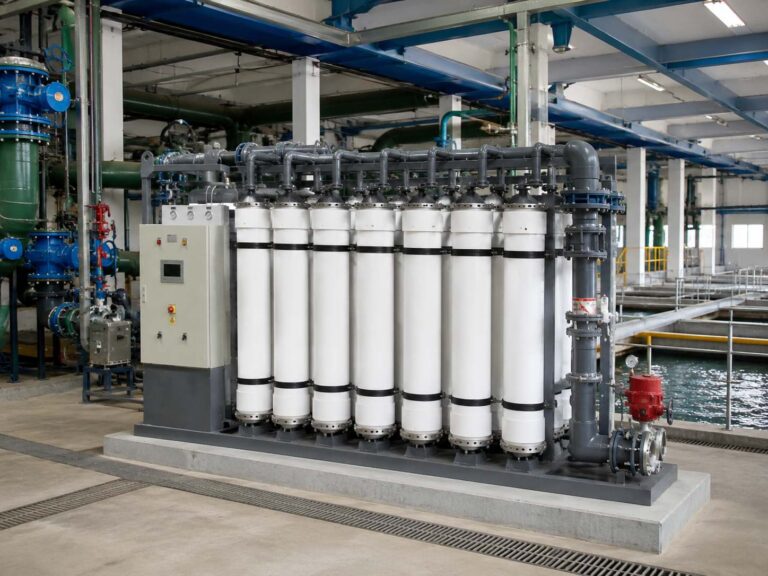
- Ultrafiltração (UF)
- Filtração em disco
- sistemas de dosagem química
- Monitoramento SDI
Manter um Índice de Densidade de Silt (SDI) abaixo de 3,0 ajuda a minimizar a incrustação da membrana e a prolongar sua vida útil.
Resistência à corrosão em aplicações em água do mar
Níveis substanciais de cloreto na água do mar geram riscos consideráveis de corrosão para bombas, condutos e componentes estruturais.
Devido a isso, as instalações de produção de SWRO (osmose reversa de água do mar) utilizam rotineiramente aços inoxidáveis duplex, como o 2205 e o 2507, nas seções de alta pressão do equipamento. Esses materiais reforçam a proteção contra corrosão em ambientes costeiros agressivos e contribuem para aumentar a vida útil do equipamento.
Especificações técnicas dos sistemas HOSON SWRO
A tabela a seguir descreve as especificações operacionais típicas dos sistemas de dessalinização de água do mar HOSON usados em aplicações industriais e em áreas remotas.
| Métrica técnica | Estação Industrial de Osmose Reversa de Água Salgada | Unidade Marinha Conteinerizada |
| Capacidade de produção | 25 toneladas/dia | 3 toneladas/dia |
| Taxa de Recuperação do Sistema | 38% – 45% | 30% – 35% |
| Consumo de energia (kWh/m³) | 3.5 – 5.5 | 4.0 – 6.0 |
| Taxa de rejeição de sal | 99.2% | 99.0% |
| Tipo de pré-tratamento | Multimídia + UF | Filtração de disco integrada |
| Tolerância de TDS na entrada | < 45.000 mg/L | < 40.000 mg/L |
Esses sistemas são amplamente utilizados na geração de água para processos de produção, projetos de extração, plataformas marítimas, iniciativas de dessalinização em ilhas e projetos urgentes de abastecimento de água.
Por que os sistemas de dessalinização por osmose reversa em contêineres estão se tornando mais populares?
As instalações de dessalinização convencionais frequentemente exigem fases de construção extensas, projetos de engenharia civil complexos e equipes técnicas especializadas. Em regiões costeiras remotas, essas exigências podem aumentar consideravelmente os custos de instalação e os cronogramas dos projetos.
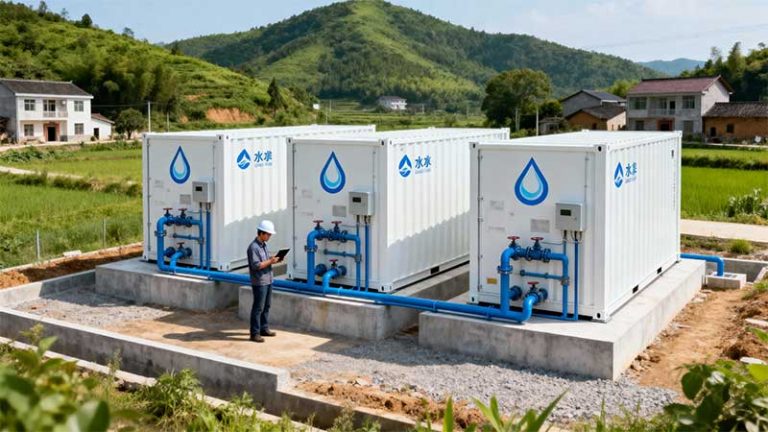
Para aumentar a adaptabilidade de instalação, muitos gestores optam atualmente por sistemas modulares de dessalinização por osmose reversa em contêineres.
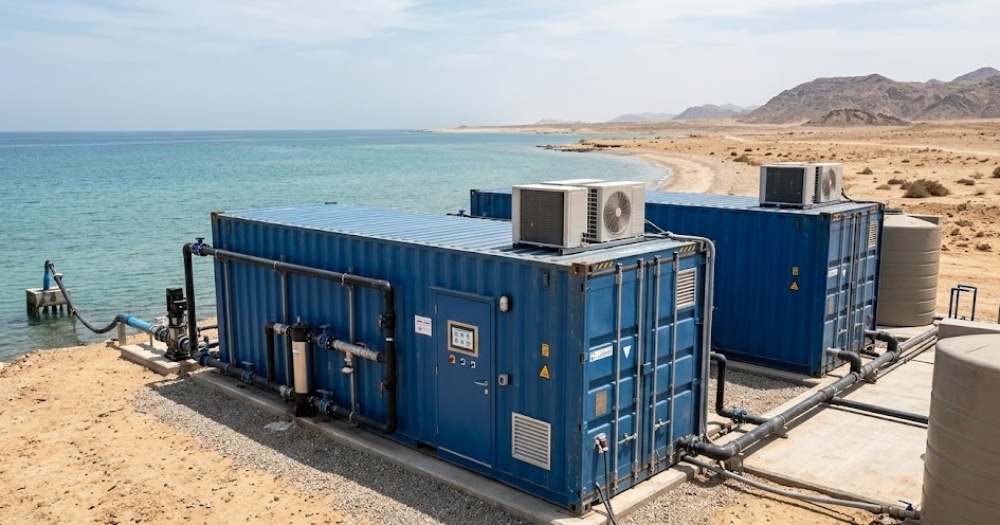
Os sistemas conteinerizados da HOSON integram equipamentos de pré-tratamento, módulos de membrana, sistemas CIP, bombas, controles PLC e componentes elétricos em contêineres ISO padronizados.
Para compradores que procuram um fornecedor confiável sistema de desalinação para venda, As configurações em contêineres oferecem diversas vantagens.
Instalação mais rápida
As instalações em contêineres reduzem os esforços de construção no local e geralmente podem iniciar as operações consideravelmente mais rápido do que as instalações de dessalinização padrão.
Expansão modular
Unidades adicionais podem ser posicionadas em paralelo à medida que as necessidades de água aumentarem.
Adaptabilidade em ambientes hostis
Sistemas integrados de regulação climática auxiliam na proteção de gabinetes de PLCs e equipamentos VFD em ambientes onde a temperatura ambiente pode ultrapassar 45°C.
Complexidade operacional reduzida
Os sistemas HMI automatizados permitem que os gestores observem a condutividade, a pressão, a taxa de fluxo e a produção de kWh/m³ em tempo real.
Desempenho real dos sistemas de osmose reversa de água do mar em aplicações costeiras.
Testes realizados no local revelam que os sistemas atuais de osmose reversa da água do mar podem funcionar de forma estável mesmo em condições adversas da água do mar.
Em um determinado projeto de produção costeira, um sistema HOSON SWRO de 25 toneladas por dia manteve a pureza da água produzida de forma confiável, apesar das variações anuais nos níveis de salinidade da água do mar. O local manteve resultados de produção estáveis com poucas interrupções, seguindo os protocolos operacionais estabelecidos para lavagem da membrana, aplicação de antincrustante e direcionamento do pré-tratamento.
Outro projeto envolveu a dessalinização de um resort insular no Sudeste Asiático. Anteriormente, o cliente dependia do fornecimento de água doce por meio de caminhões-tanque, o que gerava altos custos operacionais e imprevisibilidade no abastecimento. Após a instalação de sistemas compactos de dessalinização por osmose reversa (SWRO) com controle preciso de bombas de alta pressão, o local reduziu significativamente o consumo de energia elétrica, mantendo um fornecimento confiável de água doce.
Esses projetos ilustram que a questão de se podemos purificar a água do oceano não é mais abstrata. Os métodos atuais de osmose reversa da água do mar já oferecem uma solução viável e escalável para a produção sustentável de água doce em regiões costeiras e de alta salinidade.
Estratégias de manutenção para estabilidade do sistema a longo prazo
A confiabilidade duradoura da purificação da água do mar depende em grande parte da manutenção preventiva e da operação rigorosa.
Em ambientes com alta concentração de sal, os principais obstáculos operacionais incluem:
- Incrustação da membrana
- Incrustação inorgânica
- Contaminação biológica
- Instabilidade de pressão
- Corrosão
Para manter uma produção confiável, os gerentes de produção implementam rotineiramente diversos protocolos padrão de manutenção.
Limpeza CIP (Clean-In-Place)
Sequências periódicas de lavagem com pH baixo e alto auxiliam na eliminação de acúmulos de depósitos inorgânicos e sujidade orgânica das superfícies externas das membranas.
Monitoramento contínuo de desempenho
A observação das variações de pressão, condutividade e fluxo de permeado auxilia os gestores na detecção de padrões de sujidade antes de uma queda acentuada na produção.
Controle de dosagem de produtos químicos
Sistemas automatizados de aplicação de metabissulfito de sódio e antincrustantes ajudam a estabilizar a composição da água de entrada e a diminuir os riscos de depósitos.
Auditoria de Desempenho Energético
Acompanhar o consumo de energia (kWh/m³) ajuda a identificar problemas como deterioração da bomba, desequilíbrio do fluido ou vazamento nas válvulas, que podem reduzir a eficiência do sistema.
Conclusão
A escassez de água doce se torna um obstáculo persistente para a produção e as regiões costeiras em todo o mundo. Com o aumento contínuo da necessidade de um fornecimento confiável de água, a dessalinização da água do mar passa de um método secundário para uma estrutura crucial.
O projeto atual de dessalinização por osmose reversa (SWRO) já comprovou que a água do mar pode ser purificada, o que não se resume mais a uma mera troca de conhecimentos técnicos. Por meio de métodos sofisticados de membrana, gerenciamento refinado de energia elétrica, design modular e protocolos operacionais consistentes, a purificação da água do mar pode fornecer um suprimento confiável de água doce para uso industrial, urbano e comercial.
Para planejadores de projetos e clientes de produção que analisam um sistema de dessalinização à venda, as configurações modulares de dessalinização por osmose reversa (SWRO) apresentam uma combinação funcional de confiabilidade operacional, adaptabilidade de instalação e viabilidade sustentável.
FAQ
Podemos purificar a água do oceano para torná-la potável?
Sim. Os sistemas atuais de dessalinização por osmose reversa (SWRO) têm a capacidade de eliminar até 99,2% dos elementos salinos e impurezas, produzindo água potável que atende aos padrões internacionais para consumo humano.
Qual é o consumo de energia típico dos sistemas de osmose reversa da água do mar?
Os sistemas de dessalinização por osmose reversa (SWRO) para produção geralmente requerem entre 3,5 e 6,0 kWh/m³, dependendo do teor de sal da água de entrada, da taxa de produção e da configuração do sistema.
O que significa Taxa de Recuperação do Sistema?
Em sistemas de osmose reversa de água do mar (SWRO), a Taxa de Recuperação do Sistema indica a proporção de água produzida em relação à quantidade total de água do mar que entra no sistema.
Qual é a vida útil média das membranas de osmose reversa de água do mar (SWRO)?
Com pré-tratamento adequado, lavagem CIP de rotina e condições operacionais consistentes, as membranas de osmose reversa de água do mar (SWRO) geralmente mantêm um desempenho confiável por 3 a 5 anos.
Os sistemas de dessalinização por osmose reversa em contêineres são adequados para projetos industriais remotos?
De fato. Os sistemas de dessalinização por osmose reversa em contêineres são amplamente utilizados em atividades de extração, plataformas marítimas, ilhas turísticas e projetos de produção remotos, devido à facilidade de instalação e configuração.
Para obter mais informações sobre as soluções de dessalinização de água do mar da HOSON, entre em contato com a HOSON Technology para consultoria técnica e avaliação de projetos.