
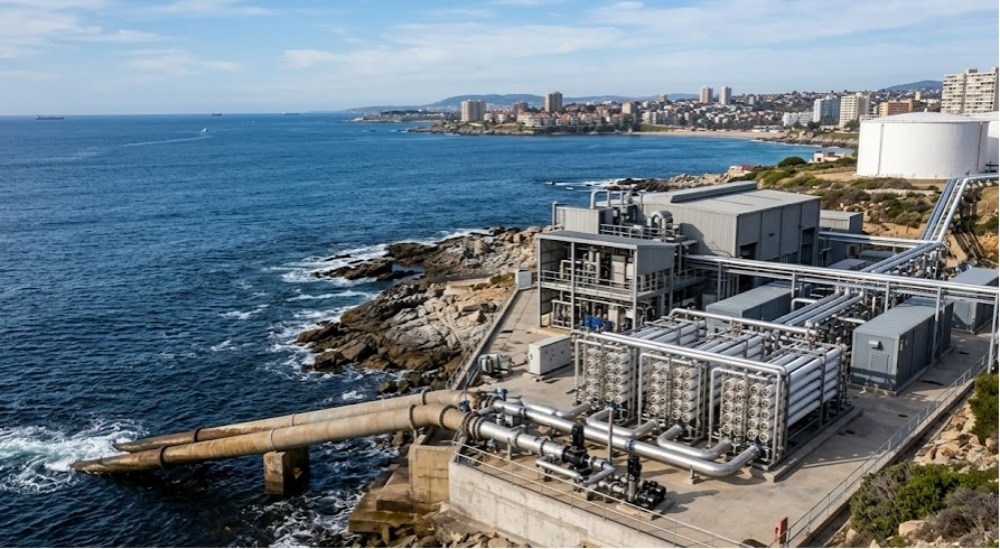
Peningkatan kekurangan air global menempatkan masyarakat pesisir dan zona industri di tempat yang sulit. Dekatnya dengan laut menawarkan sumber air yang berlimpah, tetapi mengubah air laut asin menjadi sumber daya praktis terus menimbulkan rintangan besar dalam bisnis desalinasi. Metode desalinasi canggih, seperti osmosis terbalik (RO), memainkan peran penting dalam mengatasi masalah ini, menyediakan solusi yang dapat diandalkan untuk populasi pesisir yang berurusan dengan pasokan air tawar yang terbatas.
Teknik Transisi dari Air Garam ke Air Minum
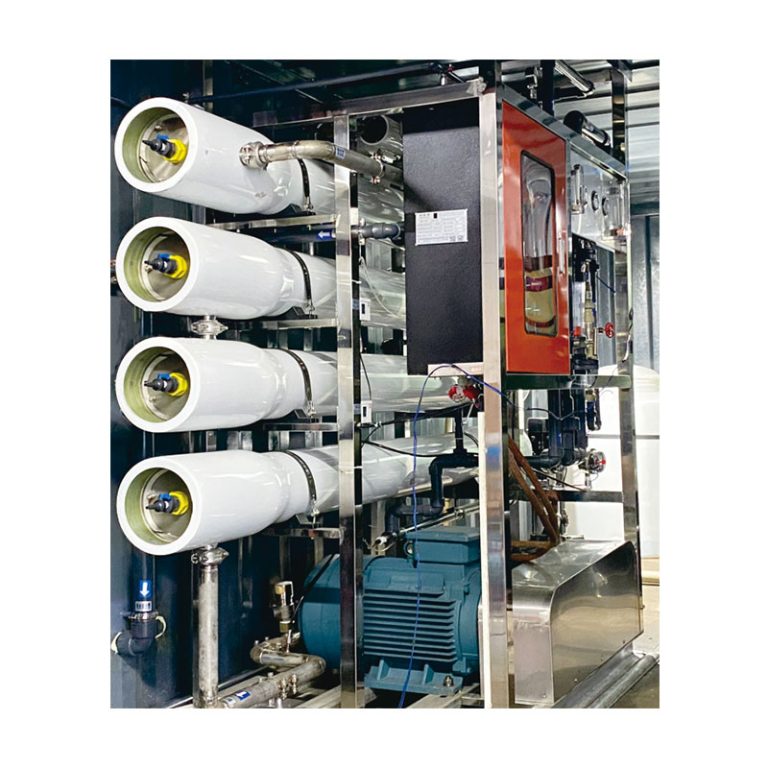
Kesulitan utama dalam menghilangkan garam berpusat pada garam pembagian, termasuk natrium klorida, bersama dengan berbagai zat larut, dari air. Dalam pengaturan osmosis terbalik air laut (SWRO) kontemporer, perubahan ini terjadi melalui Membran Semipermeabel. Membran tersebut berfungsi untuk memungkinkan air murni mengalir melalui, bahkan ketika mereka memblokir garam dan kotoran tambahan.
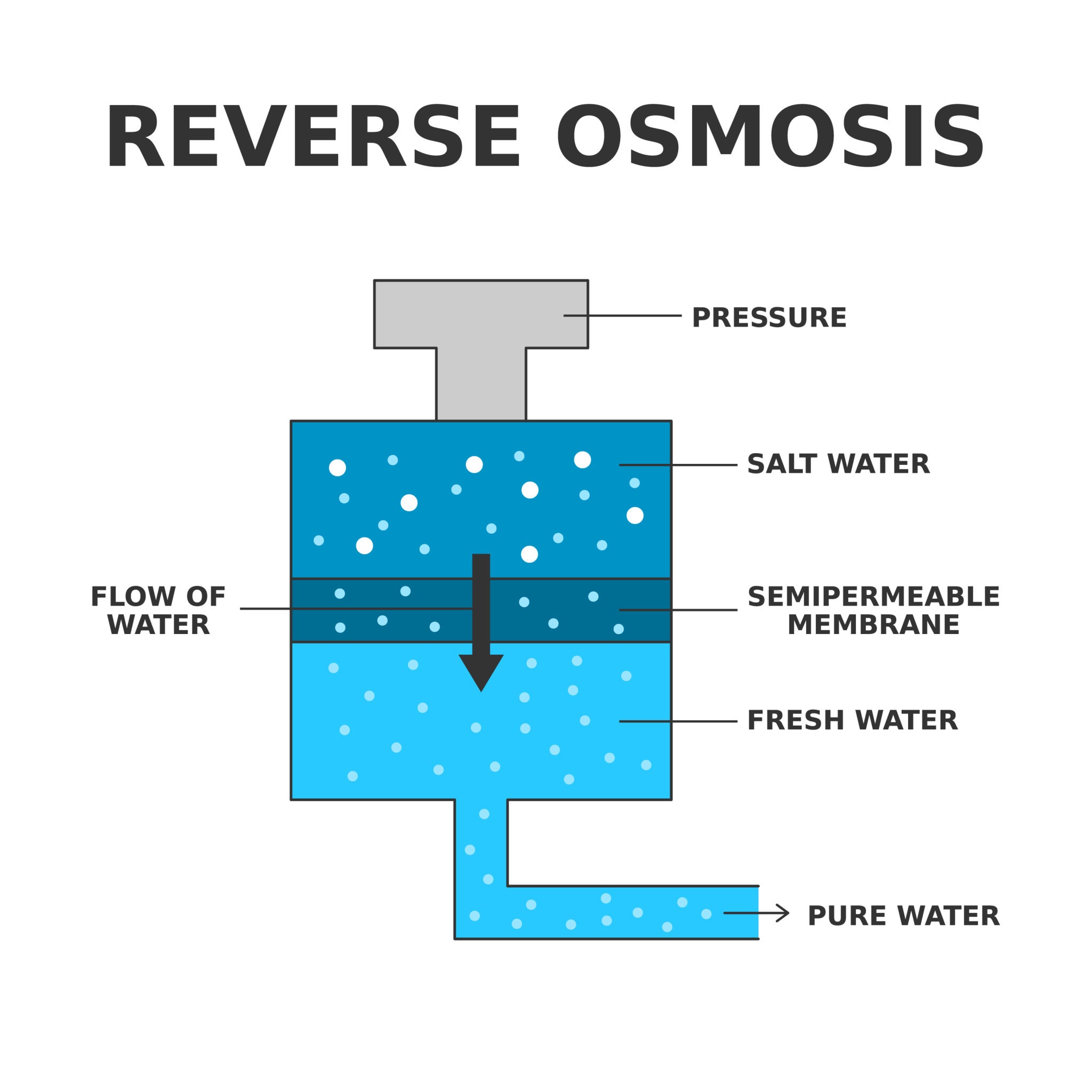
Keuntungan utama hari ini’ Teknologi membran RO:
- Pemisahan ion yang efisien: Membran berhasil mencegah garam larut dan unsur yang diisi, memastikan kemurnian air produk.
- Penghapusan kontaminan halusMembran RO berhasil menghilangkan plastik kecil, boron, dan jejak logam yang diabaikan filter konvensional.
Operasi Stabil Dalam Keadaan Berubah - Fluktuasi suhu masuk tidak menghambat fungsi membran, dan operasi yang kuat dalam kondisi panas dan kering dijamin.
Spesifikasi Teknis Sistem Membran Penolakan Tinggi
Untuk memahami bagaimana fungsi pembangkit desalinasi utama, pertimbangkan rincian dua model umum yang diterapkan dalam pengolahan air pesisir: FSHB-320 (model industri) dan FSHB-0.5 (model portabel).
| Kapasitas Harian | 320 Ton Per Hari (TPD) | 0,5 Ton Per Hari (TPD) |
| Tingkat Penolakan Garam | 99.2% | 99.0% |
| TDS pakan maksimum | 40.000 ppm | 40.000 ppm |
| Tekanan Operasi | 5.0 – 6.5 MPa | 4.0 – 5.5 MPa |
| Tingkat Pemulihan Sistem | 35% (Permeate / Asupan) | 15% – 20% |
| Konsumsi daya | 3,5-6 kWh / m³ (standar industri) | 3,5-6 kWh / m³ (standar industri) |
| Jejak kaki | 12m x 2.3m x 2.9m | 680mm x 250mm x 350mm |
Standarisasi Jalan ke Air Keran Minum melalui Pra-perawatan
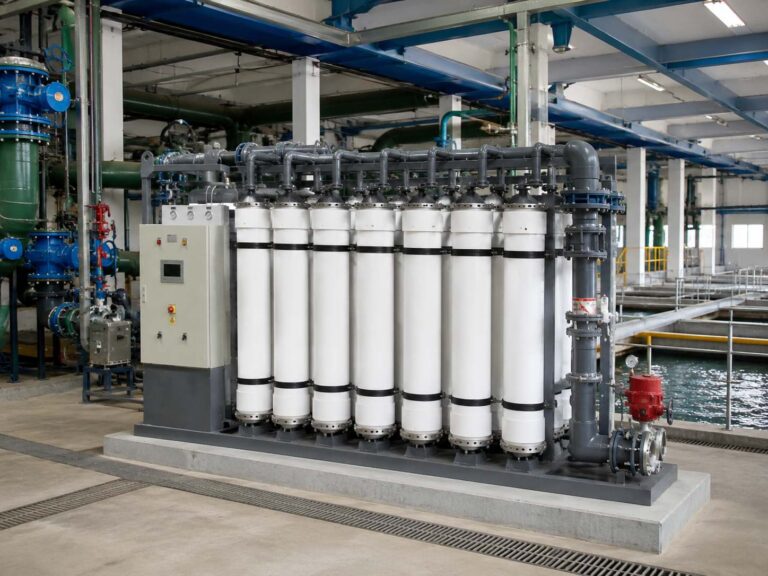
Efektif peralatan desalinasi sering menghadapi rintangan, terutama yang terkait dengan air pakan mentah. Sebelum memulai prosedur RO, air membutuhkan praperawatan komprehensif untuk mengkonfirmasi memenuhi kriteria air keran minum. Ultrafiltrasi (UF) sering melayani peran ini, karena membersihkan partikel yang besar, zat organik, dan mikroba, dengan demikian melindungi membran RO dari pencemaran dan kerusakan kimia dari bahan kimia.
Pasangan UF dengan RO menambahkan perlindungan tambahan:
- Ultrafiltrasi menurunkan indeks kepadatan lumpur (SDI): Ini memastikan bahwa air yang menuju ke tahap RO jelas, yang membantu menghindari hambatan.
- Siklus bilas otomatis mengurangi kebutuhan kimiaIni mendukung menjaga pengaturan UF berjalan dengan agen pembersih terbatas.
- Membran RO berkonsentrasi pada pembagian ion: Ini meningkatkan tanaman’ kinerja total dan menjamin kualitas output yang unggul.
Mengoptimalkan OPEX melalui kWh dan Metrik Pemulihan Sistem
Dalam bidang desalinasi, biaya berjalan terhubung langsung dengan penggunaan energi dan persentase pemulihan sistem. Ukuran kWh/m³ mencatat daya yang dibutuhkan untuk menghasilkan satu meter kubik air tawar, dan penyulingan angka ini terbukti sangat penting untuk memotong total biaya.
Tips untuk meningkatkan kinerja energi:
- Pompa yang dapat diandalkan mempertahankan tekanan yang stabil menggunakan energi yang paling sedikit mungkin.
- Manajemen cairan yang tepat menjaga tingkat pemulihan sistem mendekati 35%, yang meringankan ketegangan pada bagian terpisah.
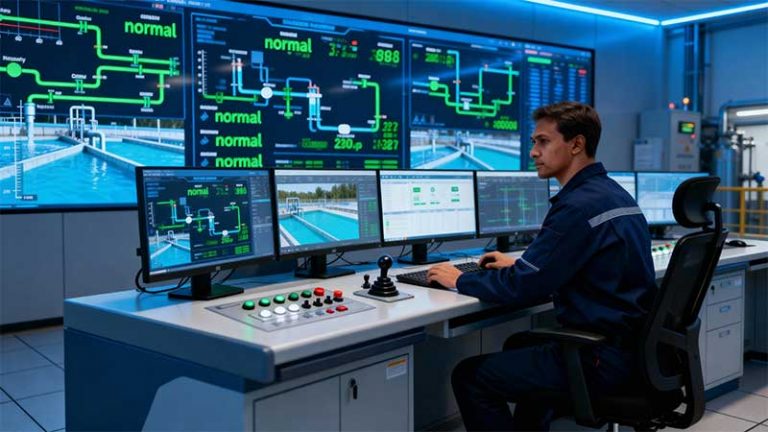
- Pelacakan real-time memverifikasi bahwa penggunaan energi sesuai dengan aturan untuk standar air minum.
Keberhasilan Penyebaran di Lingkungan Pesisir yang Tantangan
Desalinasi air laut telah menjadi kenyataan dan berhasil beroperasi di banyak lokasi pesisir di seluruh dunia. Dua instalasi skala penuh besar dengan kapasitas produksi 2.000 TPD dan 10.000 TPD air minum telah didirikan untuk memasok air ke kota-kota pesisir di provinsi Guangdong. Instalasi ini mengatasi kekurangan air tawar periodik dengan cara Praperawatan yang disederhanakan metode, yang memungkinkan instalasi cepat dan start-up pembangkit desalinasi.
Wawasan yang diperoleh dari instalasi ini:
- Desain modular memungkinkan ekspansi langsungFasilitas 2.000 TPD dapat tumbuh menjadi 10.000 TPD hanya dengan menggabungkan modul tambahan.
- Sistem kontainer mengurangi permintaan untuk upaya konstruksi besar, cocok untuk situs pesisir yang terisolasi atau dilindungi.
- Perangkat pemantauan bawaan memungkinkan pengawasan berkelanjutan, menjamin output air yang stabil dan pemeriksaan kualitas.
Kesimpulan: Teknik Masa Depan Air Berkelanjutan
Mengubah air laut menjadi sumber air tawar yang dapat dipercaya bukan merupakan tujuan yang jauh tetapi pencapaian segera. Komunitas pesisir dapat melarikan diri dari batas air tawar terdekat dengan menekankan membran RO berkinerja tinggi, pra-pengolahan UF yang kuat, dan aplikasi energi penyulingan (kWh / m³). Keberhasilan tergantung pada memperlakukan sistem desalinasi sebagai lebih dari sekedar mesin, tetapi sebagai instrumen kunci untuk pengawasan air yang tahan lama.
FAQ (Pertanyaan umum)
T: Berapa biaya energi primer (kWh) untuk sistem desalinasi HOSON?
A: Penggunaan energi dalam menghasilkan air minum dinilai melalui kWh/m³. Ambil sistem FSHB-320, misalnya; membutuhkan sekitar 3,5-6 kWh untuk setiap meter kubik air tawar yang dibuat, selaras dengan praktik standar di industri.
T: Bagaimana HOSON menentukan tingkat pemulihan sistem untuk air asin ke air minum?
A: Tingkat pemulihan sistem menunjukkan proporsi air tawar yang diperoleh relatif terhadap seluruh volume air laut mentah yang masuk. Dalam sistem SWRO efisiensi tinggi dari HOSON, tingkat ini umumnya mencapai sekitar 35%, yang mendukung penggunaan sumber daya yang efektif dalam mengubah air laut menjadi air minum.
T: Dapatkah teknologi HOSON menghasilkan air keran minum dari sumber TDS tinggi?
A: Memang, sistem HOSON menangani air masukan yang menampilkan tingkat Total Dissolved Solids (TDS) setinggi 40.000 ppm. Melalui penyaringan multi-tahap dikombinasikan dengan metode membran mutakhir, sistem ini memberikan air keran minum yang mematuhi pedoman keamanan internasional, memastikan keandalan dalam konversi air garam ke air minum.
T: Apa manfaat menggunakan unit modular HOSON untuk membuat air laut dapat minum di daerah terpencil?
A: Unit modular HOSON memberikan solusi yang dapat diandalkan dan dapat disesuaikan untuk penyediaan air, memfasilitasi penyebaran cepat di pengaturan jauh atau industri. Pendekatan ini meminimalkan persyaratan infrastruktur, membuatnya praktis untuk daerah di mana peralatan desalinasi tradisional mungkin sulit dipasang, sehingga meningkatkan akses ke air minum di berbagai lingkungan.
T: Apakah ultrafiltrasi diperlukan untuk sistem HOSON saat mengubah air asin menjadi air minum?
A: Meskipun membran RO menangani tugas inti eliminasi garam, Ultrafiltrasi (UF) mengasumsikan fungsi vital dalam fase perawatan awal. Ini menghilangkan partikel terapung dan agen biologis, yang pada gilirannya melindungi membran RO dari penumpukan dan degradasi. Akibatnya, integrasi ini memperluas daya tahan sistem dan mempertahankan kinerja yang konsisten dalam proses membuat air laut minum.