
Perché la desalinizzazione dell'acqua di mare sta diventando essenziale
Crescente scarsità di acqua dolce nelle regioni costiere e insulari
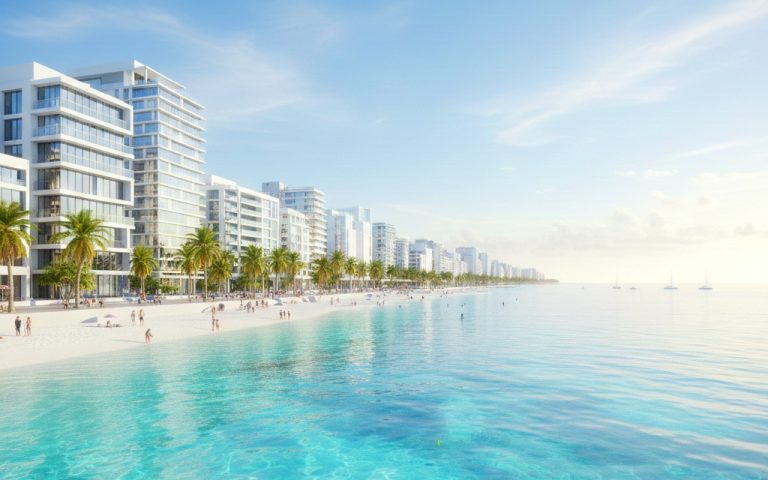
La carenza globale di risorse d’acqua dolce ha raggiunto un livello di emergenza perché continua a peggiorare a un ritmo pericoloso. La carenza di acqua dolce crea l'impatto più significativo sulle comunità costiere insieme ai piccoli territori insulari e alle aree aride.
Limiti dei metodi tradizionali di approvvigionamento idrico
L’approvvigionamento idrico da fonti sotterranee è diminuito a livelli bassi, diventando imprevedibile in numerose regioni colpite. Il processo di trasporto dell'acqua dolce attraverso percorsi estesi si rivela difficile per la gestione, diventando sempre più costoso che la rende inadatta per un uso sostenibile.
La desalinizzazione dell'acqua di mare come soluzione affidabile a lungo termine
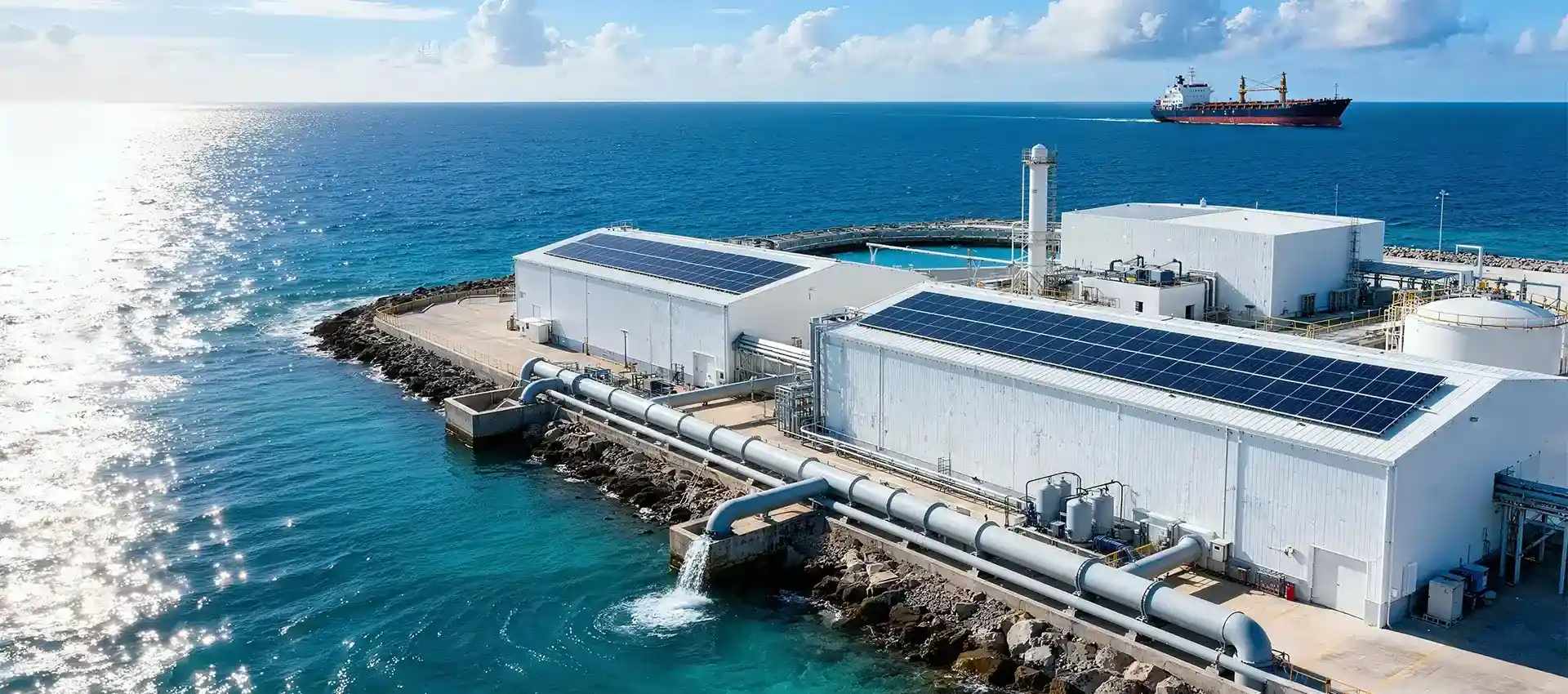
La desalinizzazione dell'acqua di mare fornisce una soluzione affidabile e sostenibile che trasforma l'acqua di mare in acqua potabile pulita e acqua di utilità. Il sistema funziona come un'approvvigionamento idrico permanente che consente alle città e ai centri industriali e agli stabilimenti alberghieri e resort di ottenere acqua in tutti i periodi dell'anno.
La desalinizzazione con osmosi inversa come tecnologia di base
Desalinizzazione con osmosi inversa (RO) si distingue come la scelta principale per fare acqua potabile dall'acqua di mare. Questo metodo spinge l'acqua salata attraverso filtri speciali sotto forte pressione. Nel processo, tira il sale e lo sporco lontano dai pezzi di acqua pura.
Utilizzando la tecnologia della membrana RO con buona resa e forte rimozione del sale mantiene costante la qualità dell'acqua di uscita. Spesso batte le regole per l'acqua potabile e di fabbrica in molti luoghi. Quindi, le impostazioni RO funzionano bene per la gestione di acqua di mare molto salata, anche fino a 40.000 ppm TDS.
Una parte chiave di quanto bene funzionano i sistemi RO proviene dal lavoro di preparazione dell'ultrafiltrazione (UF). Abbiamo costruito un sistema UF forte come passo principale di preparazione per RO. Questa configurazione gestisce in modo efficace l'alta turbosità, i pezzi di alghe e i problemi di germi. Riduce la possibilità di ostruzione della membrana RO di oltre il 60%. Di conseguenza, le membrane durano molto più a lungo. Anche l'uso chimico diminuisce.
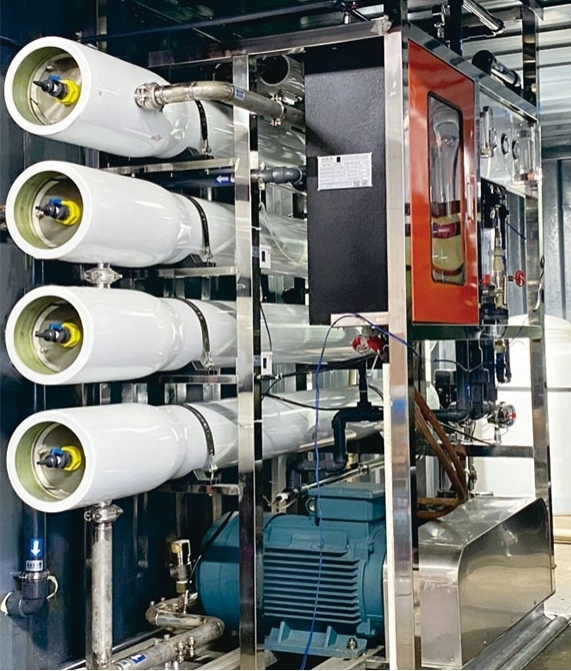
Processo passo-passo: dall'acqua di mare all'acqua potabile
Il processo di desalinizzazione di solito copre queste fasi principali per produrre acqua potabile dall'acqua di mare:
Assozione e pretrattamento dell'acqua di mare
I lavoratori prelevano prima l'acqua di mare cruda. Quindi, lo filtrano presto per eliminare i pezzi galleggianti, la materia vegetale e i minuscoli insetti. Utilizzano membrane UF o filtri a strati per questo. Tale preparazione stabilisce la migliore impostazione per le membrane RO per funzionare senza problemi.
Filtrazione a membrana di osmosi inversa
Potenti pompe inviano l'acqua pulita attraverso membrane RO ad alta pressione. Questi filtri bloccano i sali e le sostanze indesiderate a tassi fino al 99,2%. Ciò che viene fuori è acqua pulita con livelli di sale molto bassi.
Post-trattamento
Dopo di che, l'acqua pulita riceve minerali aggiunti di nuovo. Passa anche attraverso i passi di uccisione dei germi. Tutto questo corrisponde alle regole dell'acqua potabile. Consente di garantire una qualità dell’acqua sicura e affidabile. Le persone possono bere direttamente o usarlo ogni giorno senza preoccupazioni.
Efficienza, controllo dei costi e progettazione modulare degli impianti
Gli impianti di desalinizzazione di oggi mettono il risparmio energetico al centro della loro progettazione. Abbiamo incluso un dispositivo di recupero energetico intelligente (ERD). Questo strumento afferra e riutilizza la spinta dall'acqua salata rimanente. Nel complesso, riduce l'energia necessaria per far funzionare l'impianto del 25-40%.
Inoltre, le piante in scatole o moduli facili da aggiungere accelerano le cose. Riduce il tempo di installazione e rende la crescita più semplice. La nostra idea "pianta d'acqua in scatola" riduce il solito tempo di costruzione per le piante d'acqua. Questi possono trascinarsi per mesi o anni. Invece, il nostro finisce in poche settimane o mesi.
Ecco un confronto tra i modelli di desalinizzazione RO compatti di HOSON:
| Modello | Capacità (TPD) | Potenza (kW) | Dimensioni (m) | Rifiuto del sale | Tasso di recupero | Ideale per |
| FSHB-100 | 100 | 30 | 5 x 2 x 1,9 | 99.2% | 35% | Piccole isole, alberghi, uso di emergenza |
| FSHB-150 | 150 | 37 | 5,9 x 2,4 x 2,4 | 99.2% | 35% | Resorts, fornitura della comunità |
| FSHB-240 | 240 | 52.5 | 12 x 1,6 x 2,6 | 99.2% | 35% | Parchi industriali, città medie |
| FSHB-320 | 320 | 75 | 12 x 2,3 x 2,9 | 99.2% | 35% | Strutture industriali, grandi resort |
Queste unità vengono prefabbricate in fabbriche. Ciò significa poco lavoro in loco e un avvio rapido. Queste caratteristiche rendono le opzioni di HOSON perfette per l'aiuto rapido in caso di disastri o la costruzione di luoghi lontani.
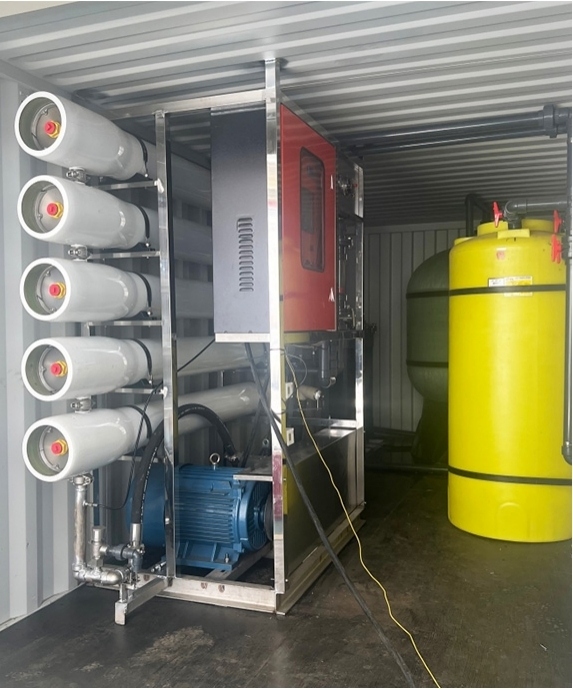
Cosa forniscono effettivamente le aziende di impianti di desalinizzazione
Quando si raccoglie aziende di impianti di desalinizzazioneÈ fondamentale distinguere i venditori di attrezzature di base dai team full-service.
Andiamo oltre la vendita di attrezzature. Invece, agiamo come stretto alleato per tutta la durata del progetto. Il nostro impegno comprende tutto, dalla consulenza e dalla pianificazione ai sistemi di costruzione e alla gestione intelligente.
Le aree comuni in cui queste soluzioni si adattano includono:
- Isola Resort & amp; ComunitàAcqua autonoma per le aree turistiche.
- Piattaforme offshore e NaviPiccole unità approvate per acqua dolce.
- Parchi industrialiAcqua di qualità costante per processi o raffreddamento.
- Fornitura di emergenzaUnità box di configurazione rapida per i punti di crisi.
Come scegliere il giusto impianto di desalinizzazione
Scegliere il miglior partner significa controllare alcuni punti principali:
Capacità tecnica & Esperienza Progetto
Una società qualificata di impianti di desalinizzazione dovrebbe dimostrare la capacità di fornire sistemi su diverse scale, da impianti di piccole e medie dimensioni a grandi impianti industriali di osmosi inversa (RO) e di ultrafiltrazione-osmosi inversa (UF-RO).
Soluzioni personalizzate
I progetti di desalinizzazione delle acque di mare sono altamente specifici per il sito. Le soluzioni efficaci si basano su valutazioni dettagliate della salinità dell'acqua marina locale, della temperatura, della disponibilità energetica, dei vincoli spaziali e della domanda giornaliera di acqua.
Sostenibilità & Supporto a lungo termine
Il supporto tecnico a lungo termine e l'ottimizzazione delle prestazioni sono essenziali per mantenere la qualità dell'acqua, controllare le spese operative e garantire la produzione ininterrotta di acqua potabile.
HOSON offre soluzioni affidabili che integrano eccellenza ingegneristica con adattabilità ambientale. Che tu stia cercando una potenza industriale o una portabilità ultracompatta per uso marino o insulare, le attrezzature personalizzate di HOSON garantiscono la sicurezza dell'acqua ovunque sia necessaria.
Domande frequenti
D: Che cos'è la desalinizzazione all'osmosi inversa e come funziona?
R: La desalinizzazione all'osmosi inversa spinge l'acqua di mare attraverso membrane semipermeabili sotto pressione per rimuovere sali e impurità. È il metodo più efficace per produrre acqua potabile dall’acqua di mare.
D: La desalinizzazione modulare è adatta alle comunità rurali in Africa o nel sud-est asiatico?
R: Sì. Implementare modelli modulari di impianti idrici intelligenti di “un impianto per villaggio” o “fornitura congiunta a più villaggi”. Questi sistemi sono compatti, facili da implementare, richiedono una manutenzione minima e forniscono acqua potabile sicura anche in aree remote.
D: Quanta energia consuma una tipica unità di desalinizzazione RO?
R: Il consumo di energia varia a seconda della capacità. Ad esempio, il FSHB-100 consuma solo 30 kW mentre produce 100 tonnellate al giorno con un tasso di recupero del 35%.
D: Posso ottenere un impianto di desalinizzazione personalizzato per il mio hotel / resort?
R: Sì. Il nostro team di ingegneri offre valutazioni e configurazioni professionali per fornire attrezzature su misura che corrispondano alle condizioni del vostro sito e alle esigenze estetiche.
D: Quanto tempo ci vuole per installare un sistema di desalinizzazione in contenitore?
A: Grazie alla prefabbricazione in fabbrica e alla progettazione plug-and-play, i sistemi HOSON possono essere installati in poche settimane piuttosto che mesi.