
Introduzione
La scarsità d'acqua ha reso più importante che mai l'accesso a una fornitura garantita di acqua dolce nelle regioni costiere del Medio Oriente, dell'Africa e del Sud-est asiatico. Sebbene l'acqua di mare sia disponibile in abbondanza, renderla idonea al consumo umano richiede complesse tecniche ingegneristiche. È inoltre necessaria una perfetta integrazione dei processi e un'efficienza operativa a lungo termine. Oggi, gli impianti di desalinizzazione dell'acqua di mare moderni non si basano solo su singole macchine. In questi casi, l'integrazione di sistemi complessi gioca un ruolo cruciale.
Con la crescente complessità dei progetti, la collaborazione con un'azienda specializzata in desalinizzazione può aiutare governi, appaltatori EPC e industrie a gestire il rischio tecnico. HOSONWATER L'azienda si concentra sull'integrazione di osmosi inversa, tecnologie di pretrattamento, recupero energetico e sistemi di controllo avanzati. Di conseguenza, è in grado di fornire sistemi di desalinizzazione dell'acqua di mare progettati su misura.
Perché gli impianti di desalinizzazione dell'acqua di mare necessitano di integratori di sistemi?
Un moderno impianto di desalinizzazione dell'acqua di mare è costituito da numerosi processi. Questa catena di processi comprende l'estrazione dell'acqua di mare, il pretrattamento, la filtrazione a membrana, l'osmosi inversa e il post-trattamento. Il successo dell'intero sistema dipende da quanto bene tutte le tecnologie interagiscono tra loro.
Diverse aree geografiche presentano problematiche specifiche. Le zone costiere del Medio Oriente, ad esempio, possono essere soggette a salinità estreme. Allo stesso tempo, le località tropicali del Sud-est asiatico spesso devono affrontare la proliferazione di alghe, le variazioni stagionali di torbidità e le fluttuazioni della qualità dell'acqua. Un kit di attrezzature standard non è sempre in grado di soddisfare queste diverse esigenze.
Un integratore di sistemi esamina le caratteristiche dell'acqua di alimentazione, il fabbisogno di acqua dolce, la potenza disponibile e i dettagli specifici del progetto prima di scegliere la configurazione migliore. Questo metodo accurato aumenta la stabilità del sistema. Inoltre, contribuisce a ridurre l'intasamento delle membrane, a evitare sprechi di energia e a contenere i costi di riparazione.
In che modo la tecnologia di desalinizzazione dell'acqua di mare migliora l'efficienza?
Moderno tecnologia di desalinizzazione dell'acqua di mare Il processo di osmosi inversa (RO) viene utilizzato principalmente per estrarre i sali disciolti. Questo processo produce acqua dolce di ottima qualità. Tuttavia, il successo dell'osmosi inversa dipende fortemente da un buon pretrattamento e da una progettazione complessiva intelligente del sistema.
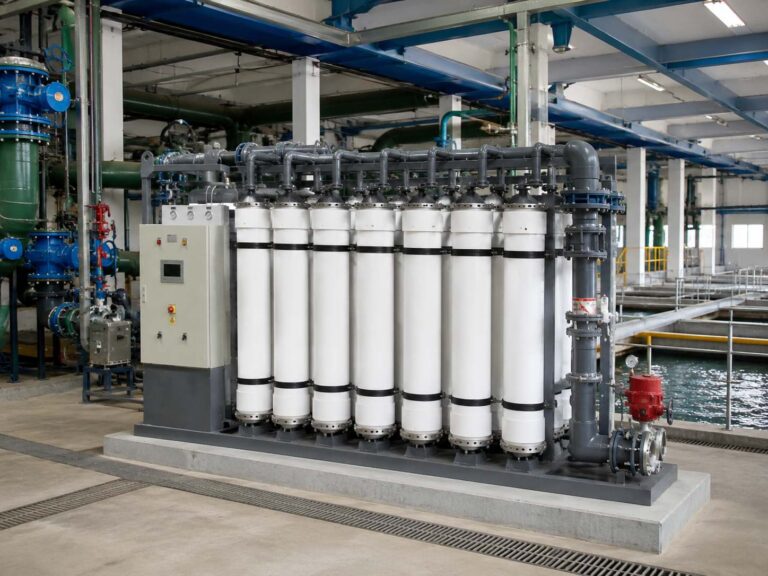
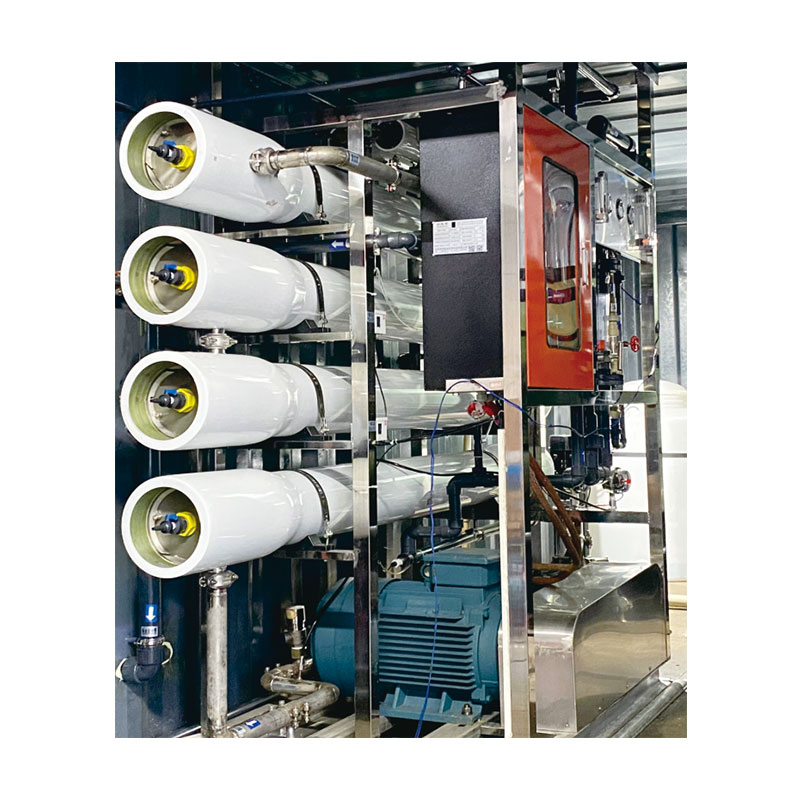
L'ultrafiltrazione (UF) viene spesso utilizzata prima dell'osmosi inversa (RO) come efficace fase di pretrattamento. Contribuisce a rimuovere particelle galleggianti, microrganismi e materia organica, creando una protezione superiore per le membrane RO. Ulteriori accorgimenti per il risparmio energetico migliorano le prestazioni, riducendo la dispersione di energia dovuta alla pressione generata dallo scarico dell'acqua di mare concentrata.
I dettagli tecnici cruciali includono:
| Parametri | Prestazione |
| Tasso di rigetto del sale | Fino al 99,2% |
| Tasso di ripristino del sistema | Circa il 35% |
| TDS dell'acqua di alimentazione | Fino a 40.000 ppm |
| TDS dell'acqua del prodotto | Inferiore a 700 ppm |
| pressione lavorativa | 3,5–5,5 MPa |
Grazie a un'integrazione di processo ben pianificata, i sistemi di desalinizzazione dell'acqua di mare possono raggiungere una produzione costante di acqua dolce. Allo stesso tempo, contribuiscono a gestire i costi di esercizio a lungo termine.
Quali soluzioni supportano le applicazioni di desalinizzazione dell'acqua di mare?
Diversi progetti richiedono metodi di desalinizzazione specifici. I grandi impianti industriali costieri possono necessitare di un approvvigionamento continuo di acqua dolce ad alto volume. D'altro canto, isole, imbarcazioni e località remote in genere richiedono impianti più piccoli e di rapida installazione.
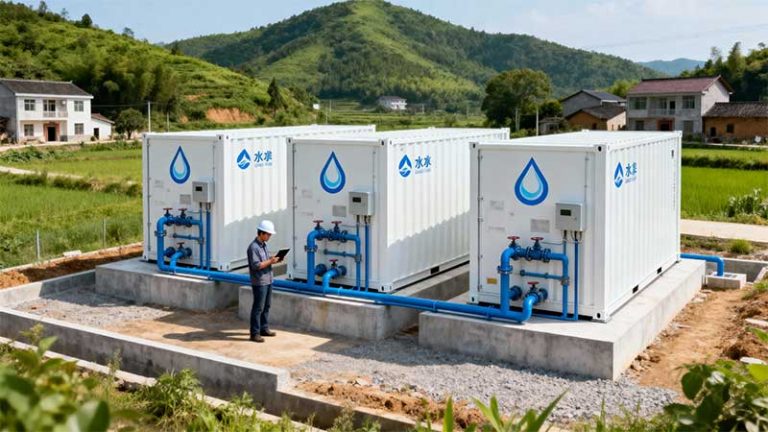
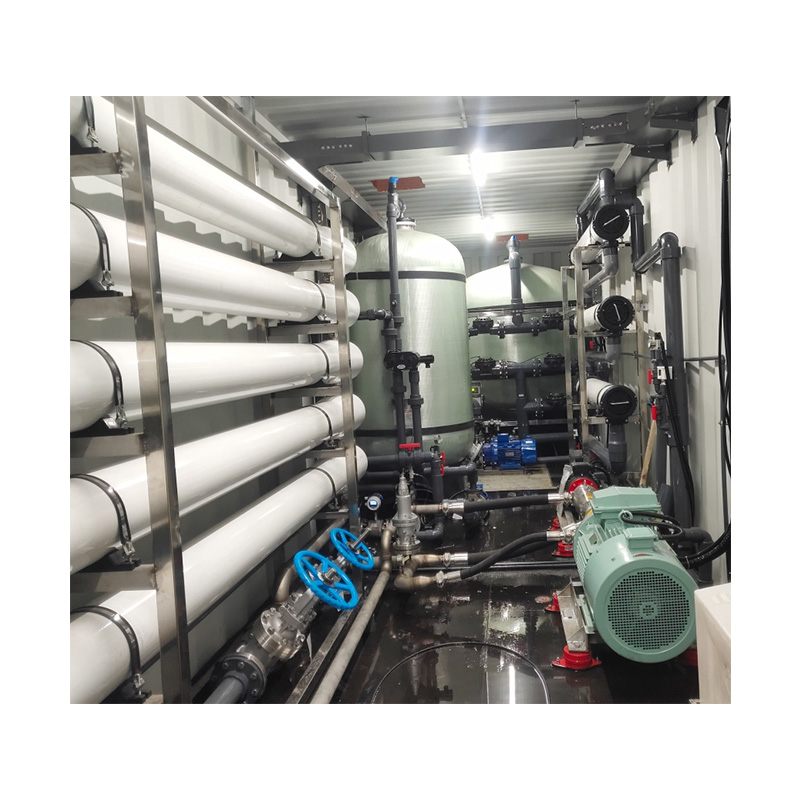
Le unità di desalinizzazione modulari containerizzate (CMDU) offrono una soluzione pratica per le regioni prive di infrastrutture di base. Questi sistemi integrano i componenti di trattamento in moduli containerizzati prefabbricati. Ciò riduce la necessità di costruzioni e semplifica notevolmente il trasporto delle unità.
La serie FSHB soddisfa diverse esigenze di capacità:
| Modello | Capacità | Applicazione |
| FSHB-320 | 320 tonnellate/giorno | impianti industriali, isole, piattaforme offshore |
| FSHB-240 | 240 tonnellate/giorno | Parchi industriali e comunità di medie dimensioni |
| FSHB-100 | 100 tonnellate/giorno | Siti remoti e piccole industrie |
| FSHB-60C | 60 tonnellate/giorno | Navi, isole, rifornimenti di emergenza |
| FSHB-25C | 25 tonnellate/giorno | Campi mobili e piccole imbarcazioni |
In che modo i progetti di desalinizzazione su larga scala riducono i rischi?
I progetti di desalinizzazione su larga scala richiedono un'ingegneria di precisione. Questo perché i problemi di gestione possono far lievitare notevolmente i costi. Scelte di processo errate, pretrattamento inadeguato e una cattiva gestione dell'energia possono ridurre la produzione del sistema nel tempo.
Un piano di integrazione per la desalinizzazione, elaborato da esperti, prende in considerazione l'intero ciclo di vita del progetto. Comprende tutte le fasi, dai primi test sull'acqua fino all'installazione finale e all'assistenza operativa. Questo garantisce che le macchine scelte siano adatte alle reali condizioni di lavoro, anziché limitarsi a configurazioni standard.
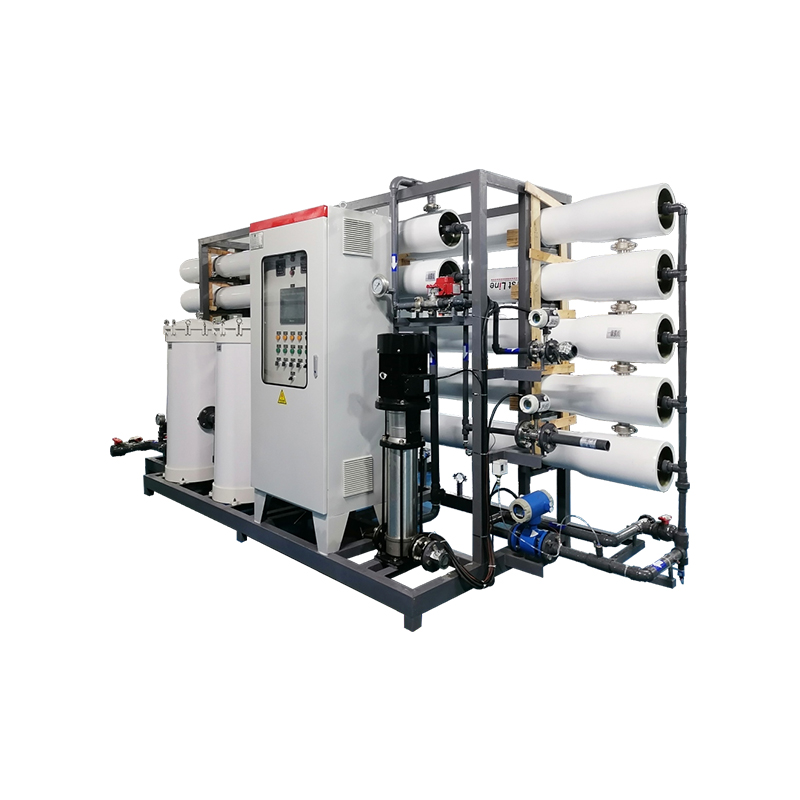
Il sistema industriale di osmosi inversa FSHB-320 è un esempio concreto di questo approccio ingegneristico integrato. Produce 320 tonnellate di acqua dolce al giorno, raggiunge un tasso di rimozione del sale del 99,2% e tratta acqua di mare con TDS fino a 40.000 ppm. Inoltre, vanta un tasso di recupero del 35%. Il suo telaio su skid ne facilita lo spostamento e velocizza l'installazione nei progetti industriali.
Perché scegliere un'azienda esperta nella desalinizzazione dell'acqua di mare?
Scegliere un'azienda affidabile per la desalinizzazione dell'acqua di mare è fondamentale per il successo del progetto. Gli acquirenti richiedono più della semplice consegna dell'impianto: necessitano di supporto ingegneristico, competenze di progettazione personalizzata e assistenza tecnica continua.
Un esperto Produttore ODM di macchine per la desalinizzazione È possibile adattare la configurazione del sistema alle esigenze locali. Ciò include le condizioni climatiche, i parametri di qualità dell'acqua, gli standard elettrici e i limiti di spazio.
Un pacchetto di progetto completo comprende verifiche tecniche, pianificazione dei processi, sviluppo, collaudo, configurazione e supporto operativo. Questo approccio completo aiuta i clienti ad aumentare i tempi di attività del sistema e a ridurre i problemi di riparazione futuri.
Quali applicazioni richiedono soluzioni di desalinizzazione avanzate?
La necessità di impianti di desalinizzazione dell'acqua di mare è in costante crescita nelle città, nelle fabbriche e nelle aree marittime. Le città costiere utilizzano impianti di desalinizzazione per migliorare la sicurezza dell'acqua potabile. Allo stesso tempo, impianti e zone industriali necessitano di un flusso costante di acqua di processo per garantire la continuità della produzione.
Per le isole e le città remote, la desalinizzazione dell'acqua di mare per uso potabile offre una fonte autonoma di acqua dolce. Questo è fondamentale laddove la costruzione di condutture tradizionali è difficoltosa. Anche le piattaforme petrolifere offshore e le navi si affidano a impianti di desalinizzazione compatti per garantire un flusso d'acqua costante.
Grazie alla combinazione di layout modulari, efficienti metodi di osmosi inversa e sistemi di monitoraggio intelligenti, i moderni impianti di desalinizzazione sono in grado di gestire sia le emergenze improvvise che la crescita costante della comunità.
Conclusione
Garantire un approvvigionamento costante di acqua dolce richiede ben più di semplici macchinari all'avanguardia. Richiede un'ingegneria precisa, un'integrazione impeccabile e un supporto operativo continuo. Con la crescente domanda mondiale di acqua dolce, gli impianti di desalinizzazione dell'acqua di mare devono raggiungere livelli di produzione sempre più elevati. Inoltre, necessitano di opzioni di configurazione flessibili e di un funzionamento quotidiano affidabile.
Scegliere un partner esperto con solide competenze di integrazione consente ai clienti di creare soluzioni personalizzate per diverse esigenze. HOSONWATER fornisce tecnologie di desalinizzazione integrate, progettate per supportare impianti industriali, città costiere e aree remote in tutto il mondo.
Domande frequenti
Quanto costa un impianto di desalinizzazione dell'acqua di mare?
Il prezzo dipende dal volume di acqua dolce, dalle condizioni dell'acqua di mare, dalla configurazione dell'impianto, dal fabbisogno energetico e dai dettagli di installazione. Per fornire un preventivo preciso è necessario un sopralluogo tecnico.
Gli impianti di desalinizzazione dell'acqua di mare possono produrre acqua potabile?
Sì. Con un pretrattamento adeguato, una configurazione ottimale dell'impianto di osmosi inversa e una pianificazione accurata del trattamento finale, il sistema può fornire acqua dolce per la desalinizzazione dell'acqua di mare destinata al consumo umano.
Perché scegliere HOSONWATER come produttore ODM di macchine per la desalinizzazione?
HOSONWATER combina ingegneria personalizzata, edilizia modulare e moderne tecnologie di desalinizzazione dell'acqua di mare. Questo permette loro di creare soluzioni basate sulle particolari condizioni dell'acqua e sulle specifiche esigenze di ogni progetto.