
Inleiding
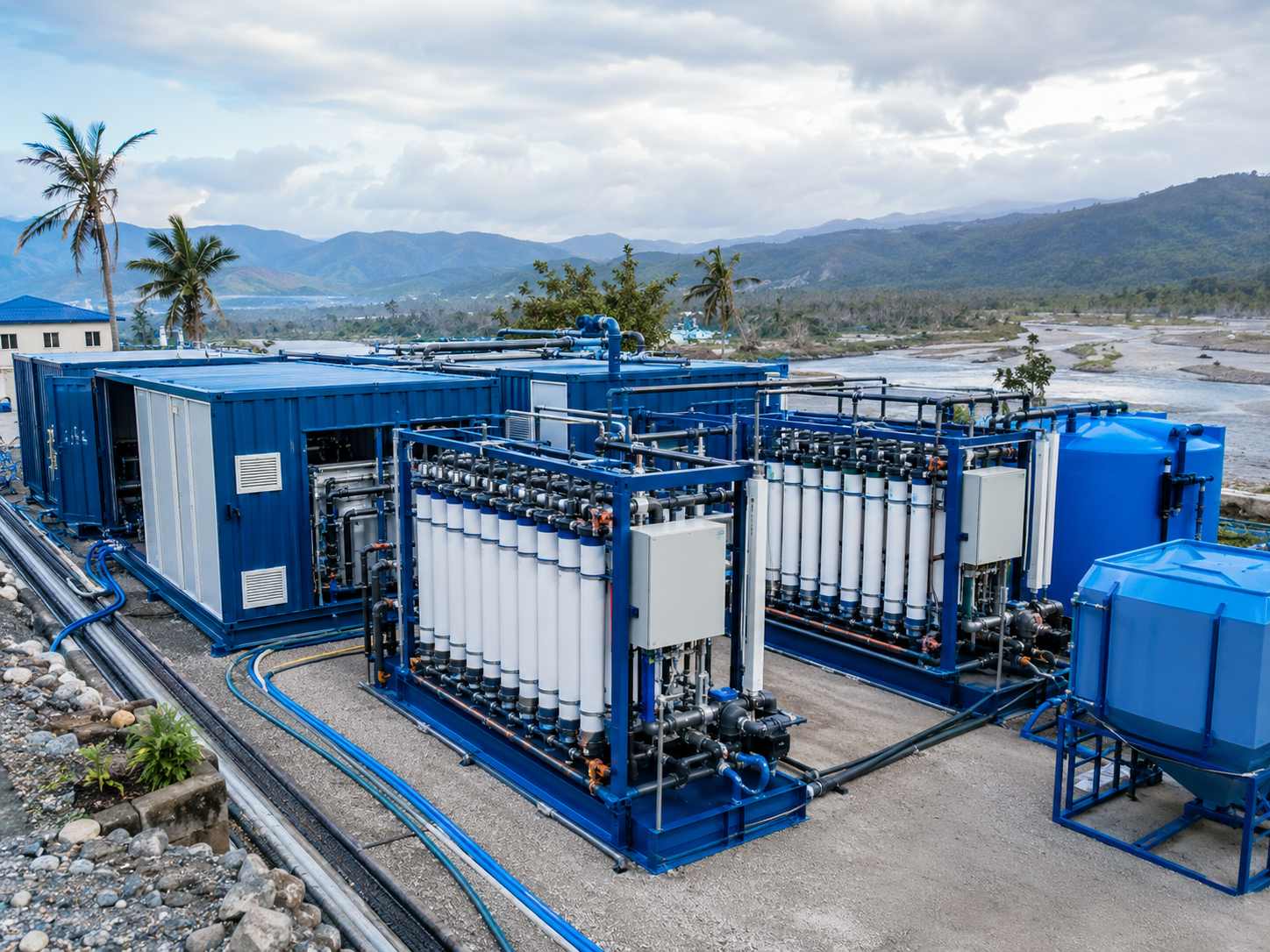
In kwetsbare gebieden zoals Zuidoost-Azië, het Midden-Oosten en delen van Afrika vallen waterleidingnetwerken doorgaans als eerste uit. Het duurt ook het langst om ze te herstellen. Overstromingen, aardbevingen en plotselinge bevolkingsverplaatsingen zetten de drinkwatervoorziening enorm onder druk. Standaard betoninstallaties kunnen simpelweg niet snel genoeg worden gebouwd om aan deze dringende behoeften te voldoen. Deze lacune in de markt heeft geleid tot ingrijpende verbeteringen in de waterzuiveringstechniek. Moderne modulaire waterzuiveringssystemen zijn veel meer dan tijdelijke noodoplossingen; het zijn robuuste, schaalbare, geïntegreerde systemen die zijn ontworpen voor snelle ingebruikname op locatie, stabiele continue werking en intelligente digitale besturing. HOSONWATER Het integreert geprefabriceerde modulaire skids met intelligente IoT-waterplatformen, wat een revolutie teweegbrengt in noodwatervoorzieningsoplossingen voor humanitaire organisaties en gemeentelijke autoriteiten.
Waarom is een modulair waterzuiveringssysteem cruciaal in rampgebieden?
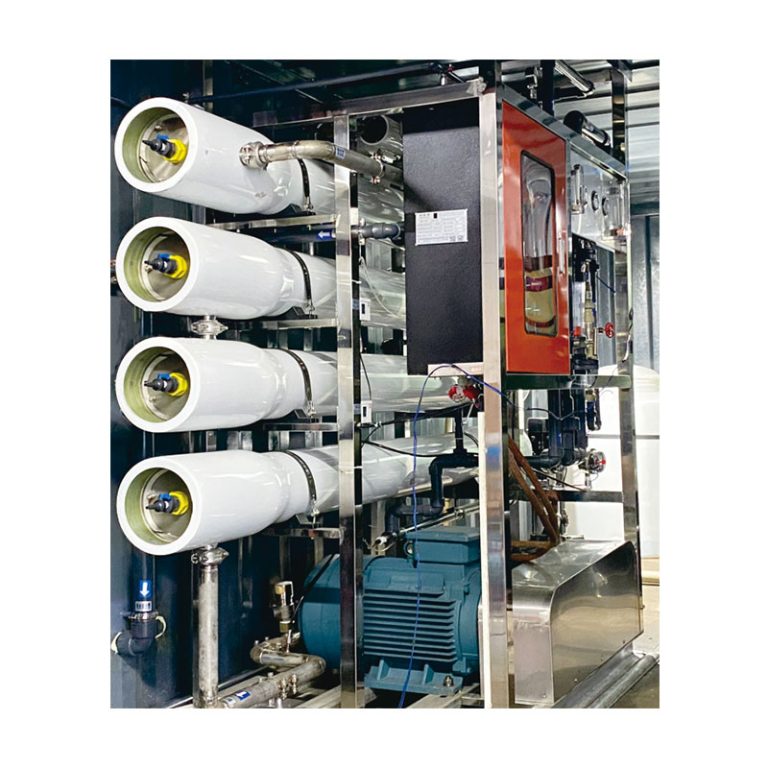
Een modulair waterzuiveringssysteem maakt gebruik van standaardonderdelen om de klus te klaren. Deze units bevatten voorfiltering, membraanfiltratie, reiniging en stroomregeling in kant-en-klare modules. Oudere installaties vereisen lange bouwtijden. Modulaire watertechnologie daarentegen stelt werknemers in staat om elke stap in een fabriek te bouwen en te testen voordat de installatie wordt verzonden. Dit ontwerp elimineert complexe civiele bouwwerkzaamheden op locatie en garandeert stabiele effluentprestaties, zelfs onder zware, instabiele omstandigheden in het veld.
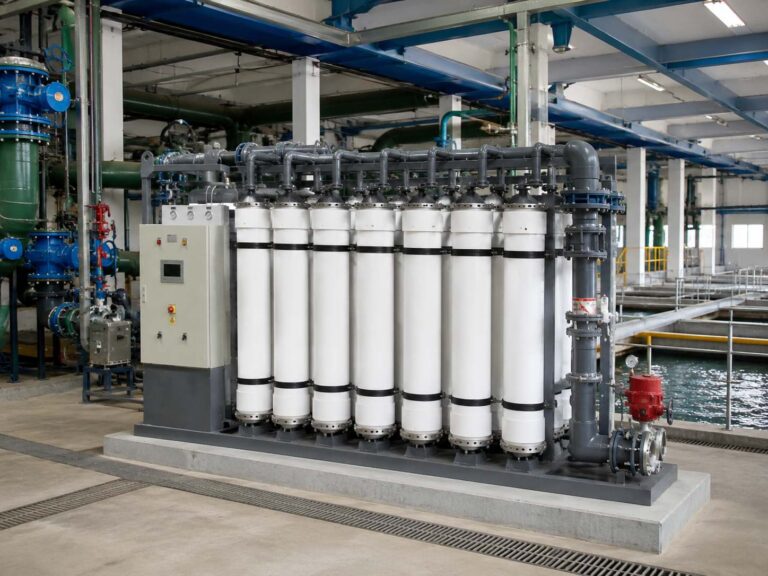
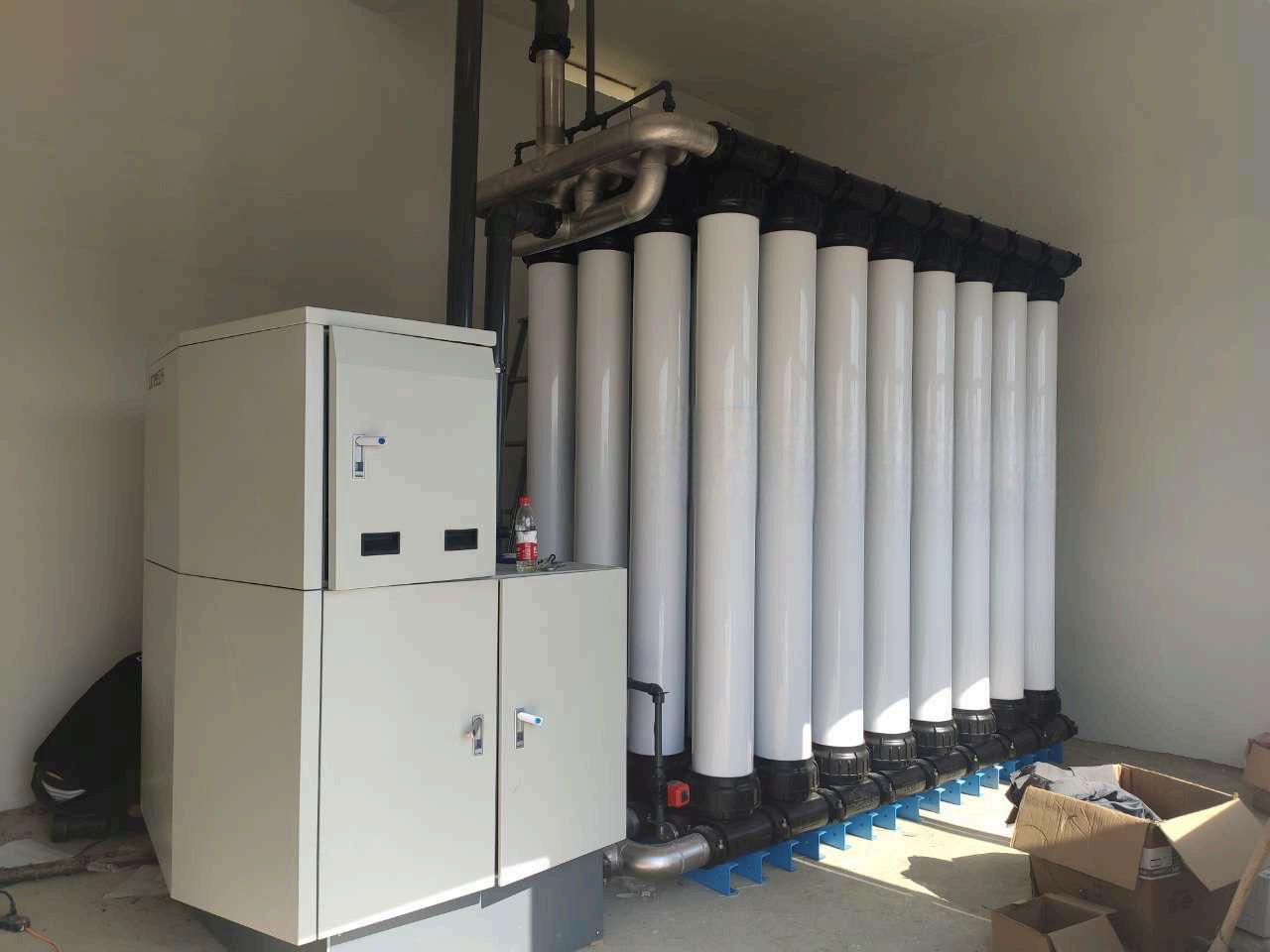
Na rampen fluctueert de kwaliteit van het ruwe water drastisch, met als gevolg herverspreiding van zwevend sediment, microbiële groei en leidingbreuken. Modulaire drinkwaterinstallaties, uitgerust met zeer vervuilingsbestendige PVDF-hollevezel-UF-membranen, kunnen zich stabiel aanpassen aan de wisselende omstandigheden van het ruwe water. De membraanmodules van 0,02 μm produceren consistent gezuiverd water en onderscheppen pathogene micro-organismen. Deze apparatuur is daarom uitermate geschikt voor acute drinkwaterbehoeften, tijdelijke opvanglocaties en snelle wederopbouwprojecten.
Hoe modulaire watertechnologie snelle implementatie van technische projecten mogelijk maakt.
Het grootste voordeel van modulaire watertechnologie is het kant-en-klare ontwerp. Elk onderdeel functioneert als een eenvoudige modulaire eenheid. Hierdoor kunnen werkers op locatie snel waterleidingen en stroomkabels aansluiten. In plaats van beton te storten, hoeven de teams op locatie alleen de machines op te stellen en de uiteindelijke instellingen te controleren.
Een modulaire drinkwaterinstallatie Het volgt doorgaans een vast, eenvoudig proces. Het zuigt vuil water aan, filtert afvalstoffen eruit en voegt indien nodig basischemicaliën toe. Vervolgens leidt het water door ultrafiltratiemembraanmodules en eindigt het met een online terugspoeling en een chemische reinigingsprocedure. Dit proces met meerdere barrières vermindert het totale chemicaliënverbruik. Het zorgt er ook voor dat het uiteindelijke water schoon en veilig blijft, zelfs als de waterbron steeds verandert.
Voor grootschalige projecten ondersteunt het systeem horizontale capaciteitsuitbreiding door middel van parallelle assemblage van membraanmodules. Dankzij deze handige functie is de apparatuur even geschikt voor kleine noodkampen als voor grote, stedelijke noodnetwerken.
Technische architectuur en prestatievergelijking
| Systeemtype | Behandelingscapaciteit | Troebelheidsoutput | Microbiële verwijdering | Inbedrijfstellingsduur op locatie | Geïntegreerde besturingsarchitectuur |
| Container-UF-eenheid | 50–200 m³/dag | < 0,1 NTU | Hoog (6-log verwijdering van bacteriën, 4-log verwijdering van virussen) | 1-3 dagen | Lokale PLC-besturingskast |
| Middelgrote modulaire fabriek | 1.000–4.000 m³/dag | < 0,1 NTU | 6-log verwijdering van bacteriën, 4-log verwijdering van virussen
|
7-15 dagen | Hybride PLC + touchscreenbediening |
| Grote modulaire slimme fabriek | 10.000 m³/dag+ | Stabiel <0,1 NTU | Meervoudige barrière waterzuiveringsproces | 15-30 dagen | Cloudgebaseerde bewaking op afstand + AI-intelligent O&M-platform |
Deze constructie laat zien hoe modulaire drinkwaterzuiveringsinstallaties kunnen worden aangepast aan verschillende operationele schalen, met behoud van consistente waterkwaliteitsnormen. Het technische principe blijft hetzelfde, maar capaciteitsuitbreiding wordt bereikt door modulaire replicatie in plaats van herontwerp.
Hoe bewaking op afstand van waterzuiveringssystemen de operationele stabiliteit verbetert
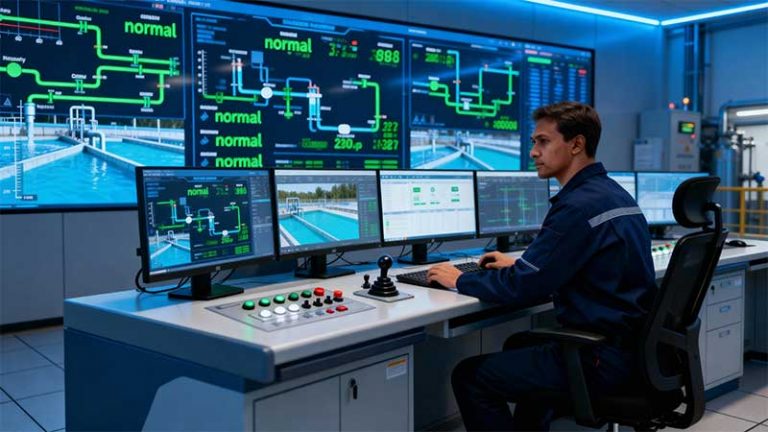
Moderne rampenbestrijdingsnetwerken zijn sterk afhankelijk van Monitoring op afstand van waterzuiveringssystemen Om alles soepel te laten verlopen. Werknemers hoeven de machines niet meer handmatig te controleren. In plaats daarvan volgen ze de prestaties van de apparatuur via realtime datafeeds. Deze feeds tonen de waterstroomsnelheid, de transmembraandruk (TMP), de troebelheid (NTU) en het energieverbruik.
Deze slimme software transformeert een modulaire, slimme waterzuiveringsinstallatie in een volledig transparante en gemakkelijk te monitoren machine. Problemen zoals verstopte filters of zwakke pompen worden in een zeer vroeg stadium opgespoord. De software signaleert eenvoudigweg afwijkende datatrends. Op afgelegen locaties zijn deskundige monteurs mogelijk niet in de buurt. Door problemen vroegtijdig te signaleren, wordt de kans op plotselinge uitval aanzienlijk verkleind.
Bij grote projecten op meerdere locaties kan één centrale beheerder de operationele parameters bewaken en aanpassen via één uniform cloud-dashboard, ondersteund door systemen voor bewaking op afstand en voorspellend onderhoud. Machine-instellingen kunnen worden aangepast zonder dat de beheerder ooit naar het veld hoeft te reizen. Deze tool is bijzonder nuttig voor hulporganisaties die verspreide vluchtelingenkampen beheren.
Echte implementatievoorbeelden van nood- en gemeentelijke projecten.
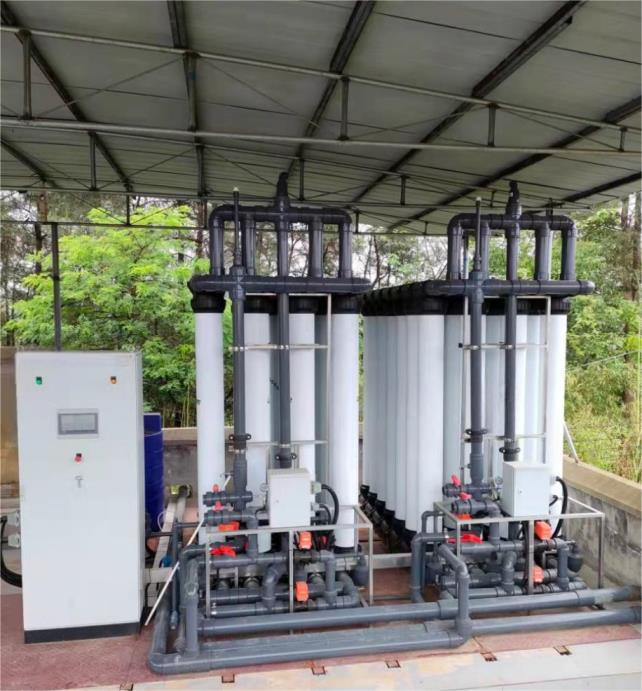
Een veldverslag belichtte een noodkampproject voor 60 personen. Daar zorgde een kleine, compacte unit ervoor dat de dagelijkse drinkwatervoorziening veilig bleef. De waterkwaliteit van de plaatselijke rivier verandert voortdurend. Desondanks leverde de machine schoon water, zelfs toen zware regenval de rivier erg troebel maakte. Dit succes bewijst de robuustheid van modulaire watertechnologie in lastige, veranderlijke omstandigheden.
Op grotere schaal leverde een installatie met een capaciteit van 2000 m³/dag uitstekende resultaten op bij de verbetering van de watervoorziening in een plattelandsdorp. De lokale waterkwaliteit varieerde sterk met de seizoenen, maar de machine functioneerde perfect. Een grotere unit met een capaciteit van 4000 m³/dag werd geplaatst in een groeiend stadsgebied. Deze maakte gebruik van automatische zelfreinigingscycli om de handarbeid te verminderen. Voor grootschalige stadsplannen combineerde een modulaire, slimme waterzuiveringsinstallatie met een capaciteit van 10.000 m³/dag centrale besturing met controle op afstand. Deze opstelling maakte continue afstemming mogelijk in verschillende stadszones. Deze praktijkvoorbeelden bevestigen de dubbele waarde van modulaire systemen, zowel voor noodhulp op korte termijn als voor permanente gemeentelijke watervoorziening.
Conclusie
De opkomst van modulaire ontwerpen heeft de manier waarop we water naar crisisgebieden brengen volledig veranderd. Een modulair waterzuiveringssysteem staat tegenwoordig bekend om veel meer dan alleen het gemak waarmee het verplaatst kan worden. Het onderscheidt zich door de combinatie van slimme software, flexibele dimensionering en waarde op lange termijn. Nu natuurrampen steeds vaker voorkomen met weinig waarschuwing vooraf, is de mogelijkheid om snel inzetbare waterzuiveringsinstallaties binnen enkele dagen in bedrijf te stellen geëvolueerd van een optioneel voordeel naar een essentiële vereiste voor de industrie. De combinatie van modulaire membraanfiltratietechnologie en intelligente platforms voor bewaking op afstand creëert een nieuwe generatie veerkrachtige waterinfrastructuur. Deze nieuwe systemen kunnen overleven en gedijen op de meest extreme plekken op aarde.
Veelgestelde vragen
Wat is een modulaire drinkwaterinstallatie en hoe werkt deze in noodsituaties?
Een modulaire drinkwaterinstallatie is een in de fabriek gebouwde waterzuiveringsmachine. Ingenieurs bouwen deze voor een snelle installatie en een stabiele werking tijdens noodsituaties. Uitgerust met gestandaardiseerde 0,02 μm PVDF-ultrafiltratiemembraanmodules, kan het systeem een troebelheid van ruw water tot 1000 NTU aan. Dit ontwerp garandeert een snelle opstart en veilig drinkwater, zonder dat er ingrijpende bouwwerkzaamheden nodig zijn.
Wat is het verschil tussen modulaire watertechnologie en traditionele waterinfrastructuur?
Het belangrijkste verschil zit hem in de constructie. Modulaire watertechnologie maakt gebruik van kant-en-klare, containergrote blokken die snel ter plekke in elkaar geklikt kunnen worden. Traditionele systemen daarentegen vereisen veel betonwerk en lange testperiodes. Dit verschil maakt de modulaire aanpak veel sneller te starten en gemakkelijker aan te passen.
Kan een modulair, slim waterzuiveringssysteem omgaan met sterk wisselende ruwwateromstandigheden?
Ja, dat kan zeker. Een modulaire slimme waterzuiveringsinstallatie beschikt over een
Een ultrafiltratiemembraan van PVDF met een poriegrootte van 0,02 μm en slimme computerlogica zorgen ervoor dat het systeem constant schoon water levert. Het werkt goed, zelfs wanneer het lokale water vervuild raakt door plotselinge overstromingen of seizoenswisselingen.
Wat is het typische kostenvoordeel van een snel inzetbare waterzuiveringsinstallatie?
Een snel inzetbare waterzuiveringsinstallatie verlaagt de hoge betonkosten. Ook de installatietijd wordt verkort. Deze twee factoren verlagen de totale kosten van een project aanzienlijk. Bovendien dalen de operationele kosten omdat de slimme machines minder personeel op de bouwplaats vereisen.