

Introdução
Em áreas vulneráveis como o Sudeste Asiático, o Oriente Médio e partes da África, as redes de água geralmente são as primeiras a falhar. Além disso, são as que levam mais tempo para serem reconstruídas. Inundações, terremotos e movimentos populacionais repentinos exercem enorme pressão sobre o abastecimento de água potável. Estações de tratamento de água convencionais, feitas de concreto, simplesmente não conseguem ser construídas com rapidez suficiente para atender a essas necessidades urgentes. Essa lacuna de mercado impulsionou melhorias abrangentes na engenharia de tratamento de água. Os modernos sistemas modulares de tratamento de água são muito mais do que soluções emergenciais temporárias; são sistemas integrados, robustos e escaláveis, projetados para rápida instalação no local, operação contínua e estável e controle digital inteligente. HOSONWATER Integra plataformas inteligentes de água com IoT, revolucionando as soluções de abastecimento de água de emergência para organizações humanitárias e autoridades municipais.
Por que um sistema modular de tratamento de água é essencial em zonas de desastre?
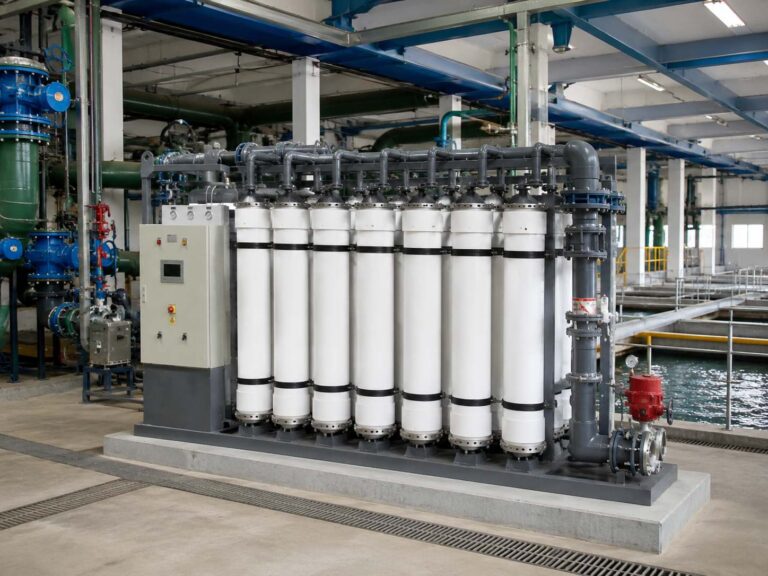
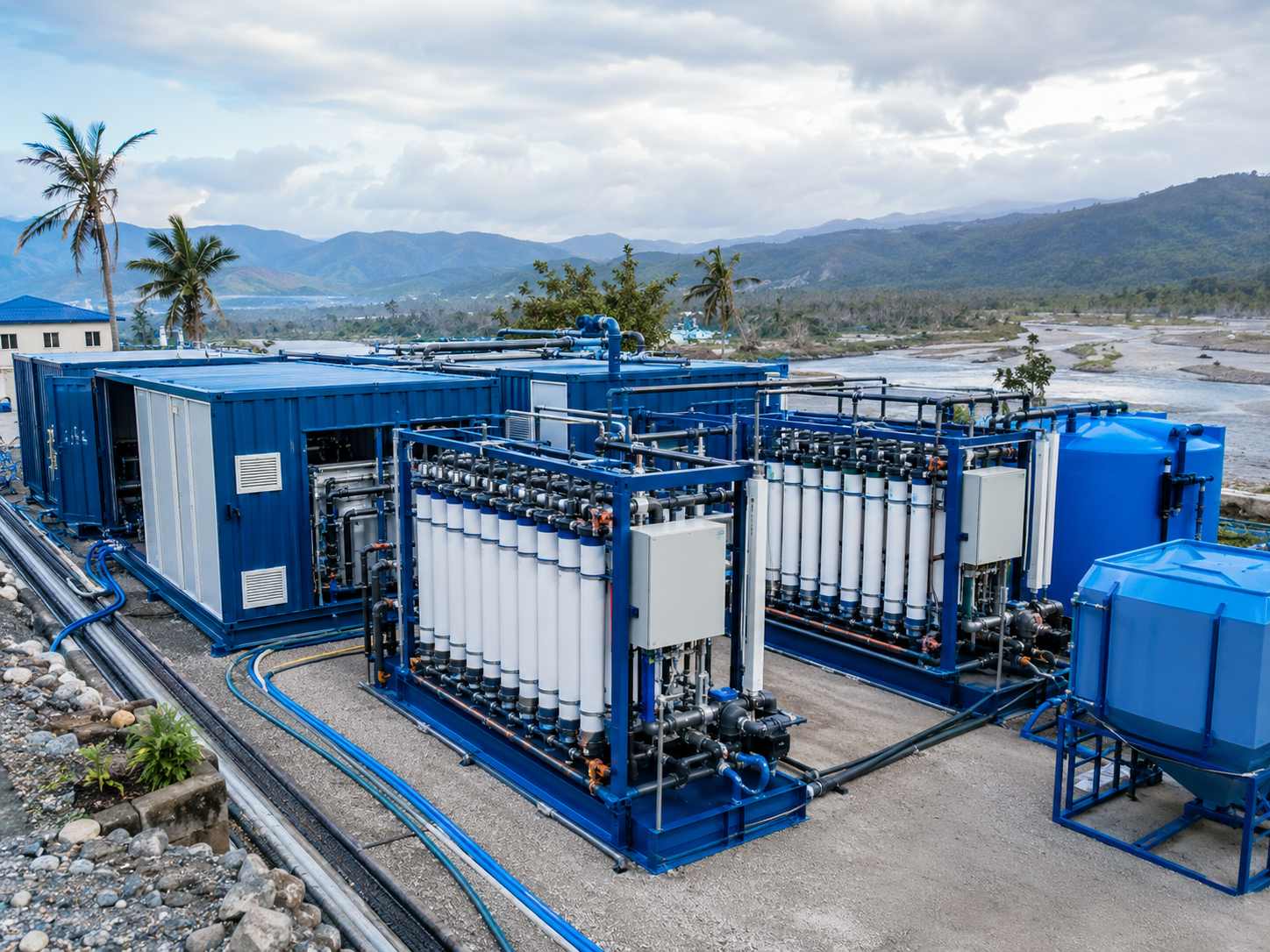
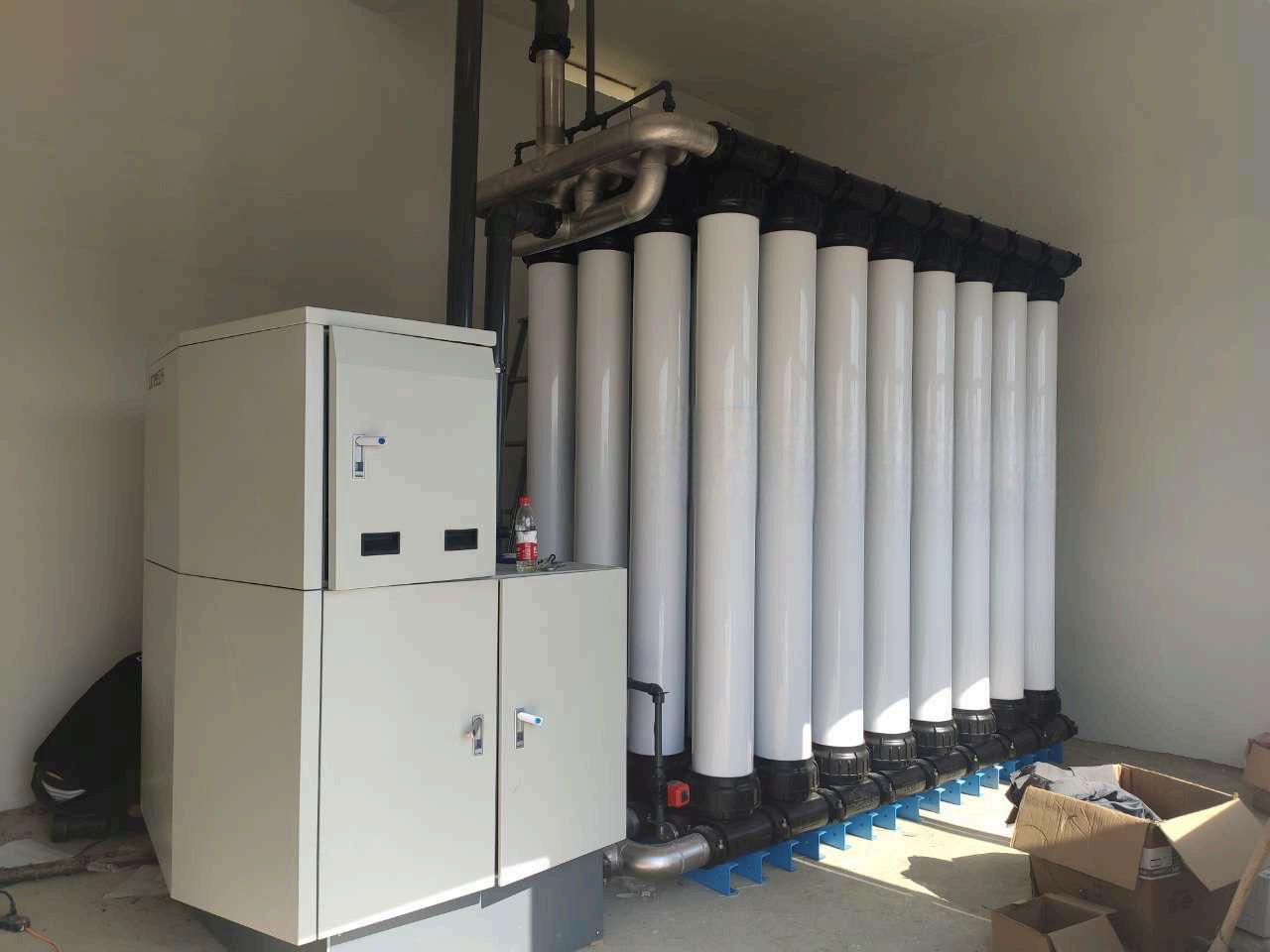
Um sistema modular de tratamento de água utiliza componentes padronizados para realizar o trabalho. Essas unidades integram filtragem inicial, filtração por membrana, limpeza e controles de energia em blocos prontos para envio. Projetos de estações de tratamento mais antigos exigem longos prazos de construção. Em contrapartida, a tecnologia modular de tratamento de água permite que os trabalhadores construam e testem cada etapa dentro de uma fábrica antes do envio. Esse projeto elimina a complexidade das obras civis no local e garante um desempenho estável do efluente, mesmo em condições de campo adversas e instáveis.
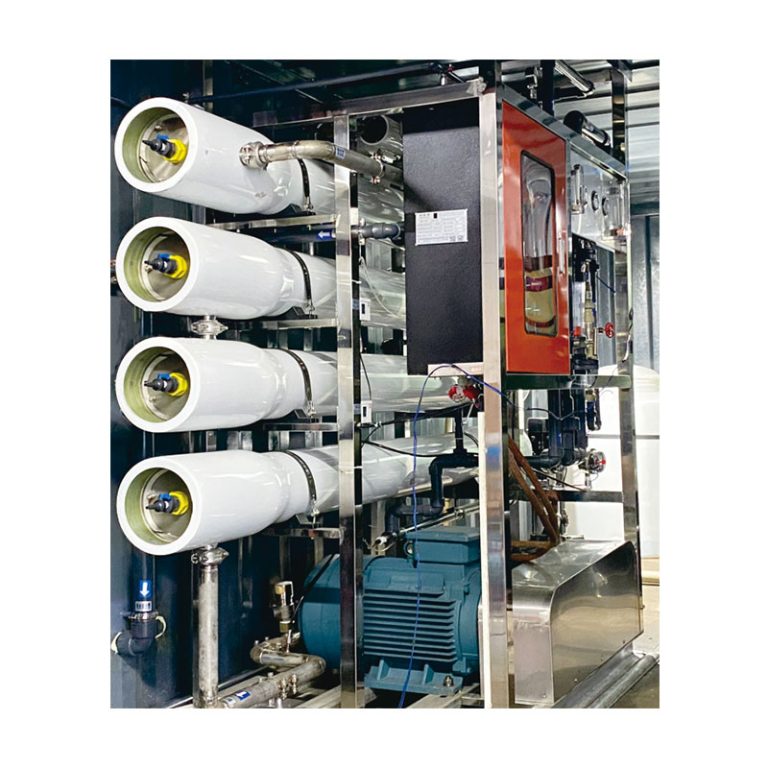
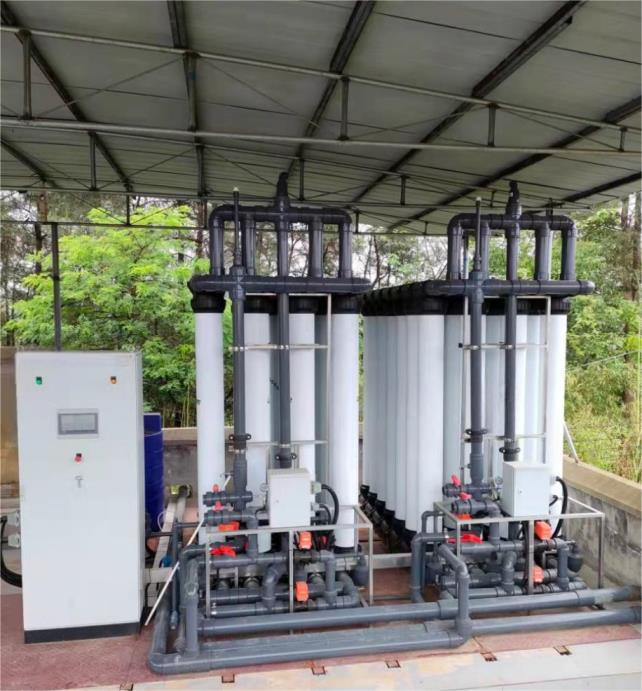
Após desastres, a qualidade da água bruta sofre flutuações drásticas, acompanhadas pela ressuspensão de sedimentos, proliferação microbiana e ruptura de tubulações. Equipadas com membranas de ultrafiltração (UF) de fibra oca de PVDF de alta resistência à incrustação, as estações de tratamento de água potável modulares podem se adaptar de forma estável às condições voláteis da água bruta. Os módulos de membrana de 0,02 μm produzem consistentemente permeado de qualidade e interceptam microrganismos patogênicos. Portanto, este equipamento é ideal para necessidades urgentes de água potável, acampamentos temporários e esforços de reconstrução rápida.
Como a tecnologia modular de água permite uma implantação rápida em projetos de engenharia
A principal vantagem da tecnologia modular para sistemas de água é seu design pré-fabricado. Cada peça funciona como uma unidade modular simples. Isso permite que os trabalhadores conectem rapidamente os canos de água e os cabos de energia no local. Em vez de concretar, as equipes de campo apenas alinham as máquinas e verificam as configurações finais.
A usina modular de água potável Geralmente segue um percurso simples e definido. A água suja é captada, filtrada para remover detritos e, se necessário, são adicionados produtos químicos básicos. Em seguida, a água passa por módulos de membrana de ultrafiltração e o processo finaliza com uma retrolavagem online e um procedimento de limpeza química de manutenção. Esse processo de múltiplas barreiras reduz o consumo geral de produtos químicos. Além disso, mantém a água final limpa e segura, mesmo que a água de origem esteja em constante mudança.
Para projetos de grande escala, o sistema suporta a expansão horizontal da capacidade através da montagem paralela de módulos de membrana. Graças a essa característica inteligente, o equipamento atende tanto pequenos campos de refugiados quanto grandes redes de emergência que abrangem cidades inteiras.
Comparação de arquitetura técnica e desempenho
| Tipo de Sistema | Capacidade de tratamento | Saída de turbidez | Remoção Microbiana | Duração do comissionamento no local | Arquitetura de Controle Integrado |
| Unidade de UF em contêiner | 50–200 m³/dia | < 0,1 NTU | Alto (remoção de 6 log de bactérias, remoção de 4 log de vírus) | 1 a 3 dias | Painel de controle PLC local |
| Planta modular média | 1.000–4.000 m³/dia | < 0,1 NTU | Redução de 6 logs de bactérias, redução de 4 logs de vírus
|
7 a 15 dias | Controle híbrido PLC + tela sensível ao toque |
| Planta inteligente modular de grande porte | 10.000 m³/dia+ | Estável <0,1 NTU | Processo de tratamento de água com múltiplas barreiras | 15 a 30 dias | Monitoramento remoto na nuvem + plataforma inteligente de O&M com IA |
Esta estrutura demonstra como projetos modulares de estações de tratamento de água potável podem ser adaptados a diferentes escalas operacionais, mantendo padrões consistentes de qualidade da água. O princípio de engenharia permanece idêntico, mas a expansão da capacidade é alcançada por meio da replicação modular, em vez de um redesenho completo.
Como o monitoramento remoto de sistemas de tratamento de água melhora a estabilidade operacional
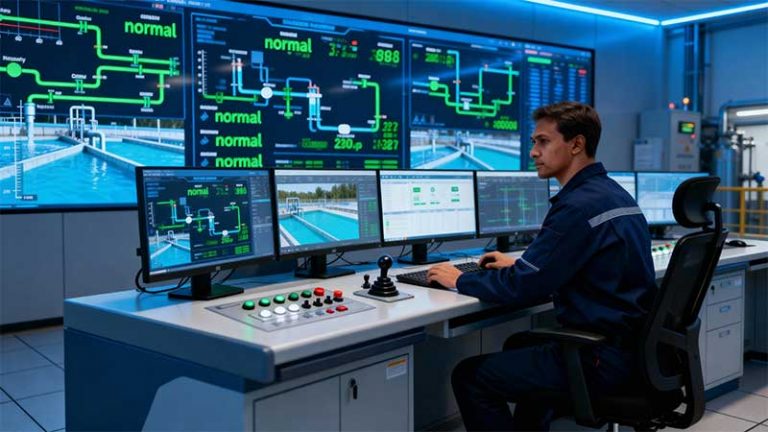
As redes modernas de socorro em desastres dependem muito de monitoramento remoto do sistema de tratamento de água Para garantir o bom funcionamento, os funcionários não precisam mais verificar as máquinas manualmente. Em vez disso, eles monitoram o desempenho dos equipamentos por meio de dados em tempo real. Esses dados mostram a velocidade do fluxo de água, a pressão transmembrana (TMP), a turbidez (NTU) e o consumo de energia.
Este software inteligente transforma uma estação de tratamento de água modular em uma máquina totalmente transparente e fácil de monitorar. Problemas como filtros entupidos ou bombas com baixo desempenho são detectados precocemente. O software simplesmente sinaliza quaisquer tendências anormais nos dados. Em locais remotos, pode não haver mecânicos especializados por perto. Assim, a detecção precoce de problemas reduz significativamente a probabilidade de paradas repentinas.
Para grandes projetos com múltiplas instalações, um único administrador central pode monitorar e ajustar os parâmetros operacionais por meio de um painel de controle unificado na nuvem, com suporte de sistemas de monitoramento remoto e manutenção preditiva. Ele pode ajustar as configurações das máquinas sem precisar se deslocar até o local. Essa ferramenta é extremamente útil para organizações humanitárias que administram campos de refugiados dispersos.
Casos reais de implantação em projetos de emergência e municipais
Um relatório de campo destacou um projeto de acampamento emergencial para 60 pessoas. Nesse caso, uma pequena unidade compacta manteve o fluxo diário de água potável em segurança. A qualidade da água do rio local varia constantemente. Mesmo assim, a máquina forneceu água limpa mesmo quando fortes chuvas deixaram o rio muito barrento. Esse sucesso comprova a robustez da tecnologia modular de água em ambientes complexos e em constante mudança.
Em uma escala maior, um sistema de 2000 m³/dia apresentou ótimos resultados na modernização de uma vila rural. A qualidade da água local variava bastante com as estações do ano, mas a máquina funcionou perfeitamente. Uma unidade maior, de 4000 m³/dia, foi instalada em uma área urbana em crescimento. Ela utilizava ciclos automáticos de autolimpeza para reduzir o trabalho manual. Para grandes projetos urbanos, um sistema modular inteligente de tratamento de água com capacidade de 10000 m³/dia combinou controles centrais com monitoramento remoto. Essa configuração permitiu ajustes contínuos em diferentes zonas da cidade. Esses casos práticos validam plenamente o duplo valor dos sistemas modulares, tanto para soluções emergenciais de curto prazo quanto para infraestrutura permanente de abastecimento de água municipal.
Conclusão
O crescimento do design modular transformou completamente a forma como levamos água a zonas de crise. Hoje, um sistema modular de tratamento de água é reconhecido por muito mais do que apenas ser fácil de transportar. Ele se destaca por combinar software inteligente, dimensionamento flexível e valor a longo prazo. Com a crescente frequência de desastres naturais e pouco aviso prévio, a capacidade de concluir a instalação de estações de tratamento de água de rápida implantação em poucos dias deixou de ser uma vantagem opcional para se tornar um requisito essencial do setor. A combinação da tecnologia modular de filtração por membrana com plataformas inteligentes de monitoramento remoto cria uma nova geração de infraestrutura resiliente para o abastecimento de água. Essas novas instalações podem sobreviver e prosperar nos locais mais inóspitos do planeta.
FAQ
O que é uma estação de tratamento de água potável modular e como ela funciona em situações de emergência?
Uma estação de tratamento de água potável modular é uma máquina de purificação de água pré-fabricada. Os engenheiros a projetam para uma instalação rápida e operação estável durante emergências. Equipada com módulos de membrana de ultrafiltração de PVDF padronizados de 0,02 μm, o sistema suporta turbidez da água bruta de até 1000 NTU. Esse projeto garante um início rápido e água potável segura, sem a necessidade de grandes obras de construção.
Qual a diferença entre a tecnologia modular de água e a infraestrutura hídrica tradicional?
A principal diferença reside na forma de construção. A tecnologia modular de tratamento de água utiliza blocos pré-fabricados, do tamanho de contêineres, que se encaixam rapidamente no local. Por outro lado, as instalações tradicionais exigem grandes obras de concreto e longos períodos de teste. Essa diferença torna a abordagem modular muito mais rápida de implementar e mais fácil de modificar.
Uma estação de tratamento de água modular e inteligente consegue lidar com condições de água bruta altamente variáveis?
Sim, certamente pode. Uma estação de tratamento de água inteligente e modular apresenta um
Membrana de ultrafiltração de PVDF de 0,02 μm e lógica computacional inteligente. Essas ferramentas ajudam a fornecer água limpa e constante. Funciona bem mesmo quando a água local fica contaminada por enchentes repentinas ou mudanças sazonais.
Qual é a vantagem de custo típica de uma estação de tratamento de água de implantação rápida?
Uma estação de tratamento de água de rápida implantação reduz os altos custos com concreto. Ela também diminui o tempo de instalação. Esses dois fatores reduzem significativamente o custo total do projeto. Além disso, os custos operacionais diminuem porque as máquinas inteligentes exigem menos mão de obra no local.