

Introduzione
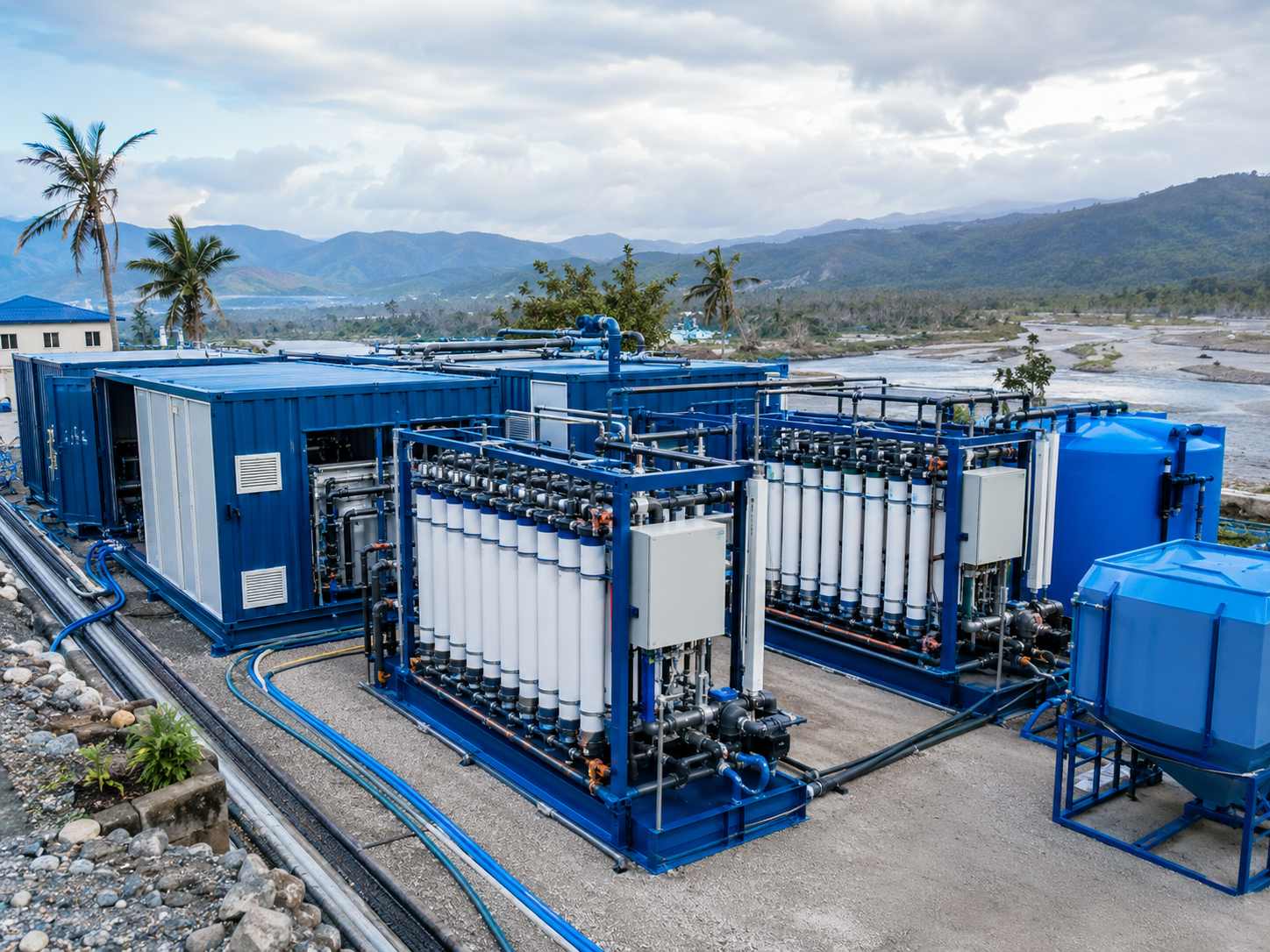
Nelle aree vulnerabili come il Sud-est asiatico, il Medio Oriente e alcune zone dell'Africa, le reti idriche sono solitamente le prime a cedere. Inoltre, la loro ricostruzione richiede tempi lunghissimi. Inondazioni, terremoti e improvvisi spostamenti di popolazione mettono a dura prova le risorse idriche potabili. Gli impianti in cemento armato tradizionali non possono essere costruiti con la rapidità necessaria a soddisfare queste esigenze urgenti. Questa lacuna di mercato ha innescato un profondo rinnovamento nel settore dell'ingegneria per il trattamento delle acque. I moderni sistemi modulari di trattamento delle acque sono molto più di semplici soluzioni temporanee di emergenza: si tratta di sistemi integrati, robusti e scalabili, progettati per una rapida messa in servizio in loco, un funzionamento continuo e stabile e un controllo digitale intelligente. HOSONWATER Integra skid modulari prefabbricati con piattaforme idriche intelligenti IoT, rivoluzionando le soluzioni di approvvigionamento idrico di emergenza per organizzazioni umanitarie e autorità municipali.
Perché un sistema modulare di trattamento delle acque è fondamentale nelle zone colpite da calamità?
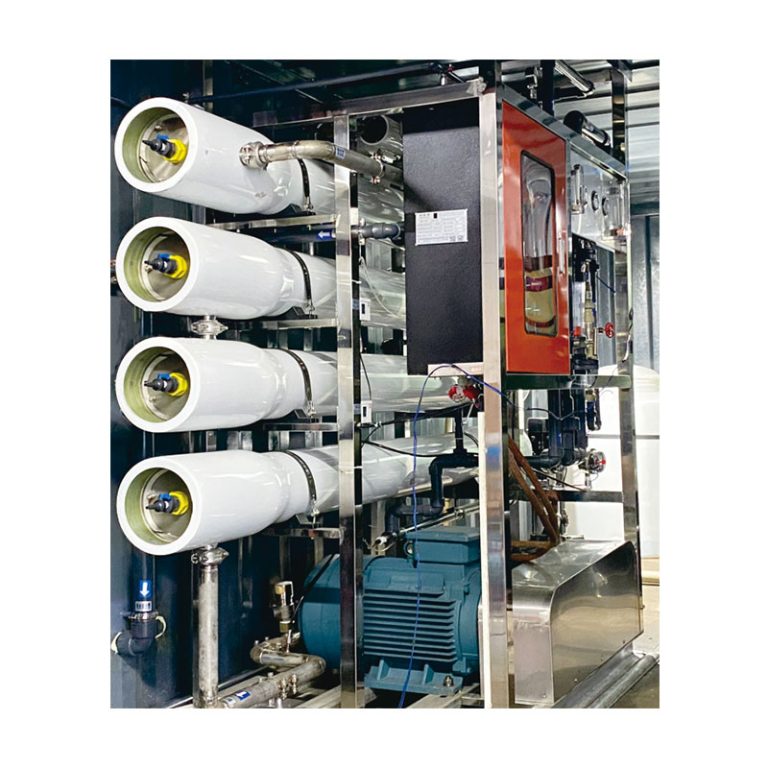
Un sistema modulare di trattamento delle acque utilizza componenti standard per svolgere la sua funzione. Queste unità integrano pre-filtraggio, filtrazione a membrana, depurazione e controllo dell'alimentazione in blocchi pronti per la spedizione. I vecchi impianti richiedevano lunghi tempi di costruzione. Al contrario, la tecnologia modulare per il trattamento delle acque consente agli operatori di costruire e testare ogni fase all'interno di uno stabilimento prima della spedizione. Questa progettazione elimina complesse opere civili in loco e garantisce prestazioni stabili dell'effluente anche in condizioni ambientali difficili e instabili.
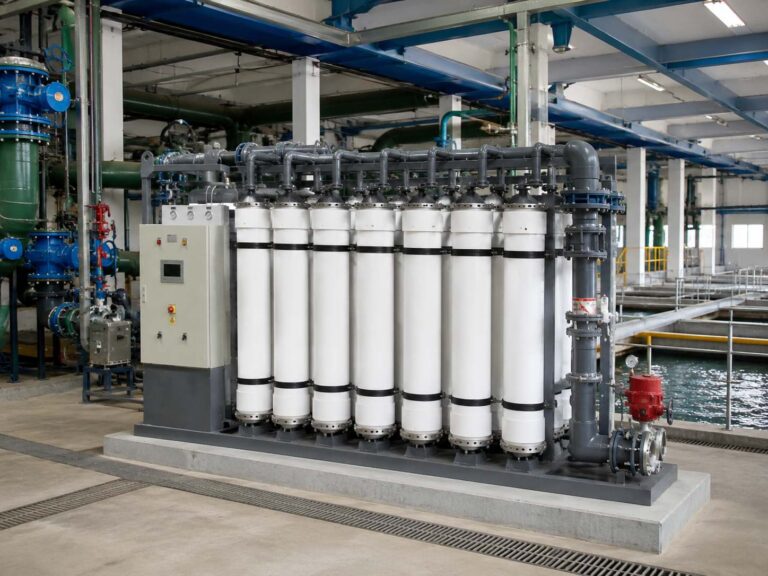
A seguito di calamità naturali, la qualità dell'acqua grezza subisce drastiche fluttuazioni, accompagnate da risospensione dei sedimenti, proliferazione microbica e rottura delle condutture. Dotati di membrane UF a fibra cava in PVDF ad alta resistenza all'incrostazione, gli impianti modulari di acqua potabile possono adattarsi stabilmente alle condizioni instabili dell'acqua grezza. I moduli a membrana da 0,02 μm producono costantemente permeato di qualità e intercettano i microrganismi patogeni. Pertanto, questa apparecchiatura è ideale per le esigenze urgenti di acqua potabile, i campi temporanei e le rapide operazioni di ricostruzione.
Come la tecnologia idraulica modulare consente una rapida implementazione ingegneristica
Il principale vantaggio della tecnologia idrica modulare è il suo design prefabbricato. Ogni componente funziona come una semplice unità modulare. Ciò consente agli operatori di collegare rapidamente tubature dell'acqua e cavi elettrici in cantiere. Invece di gettare cemento, le squadre sul campo devono semplicemente allineare le macchine e verificare le impostazioni finali.
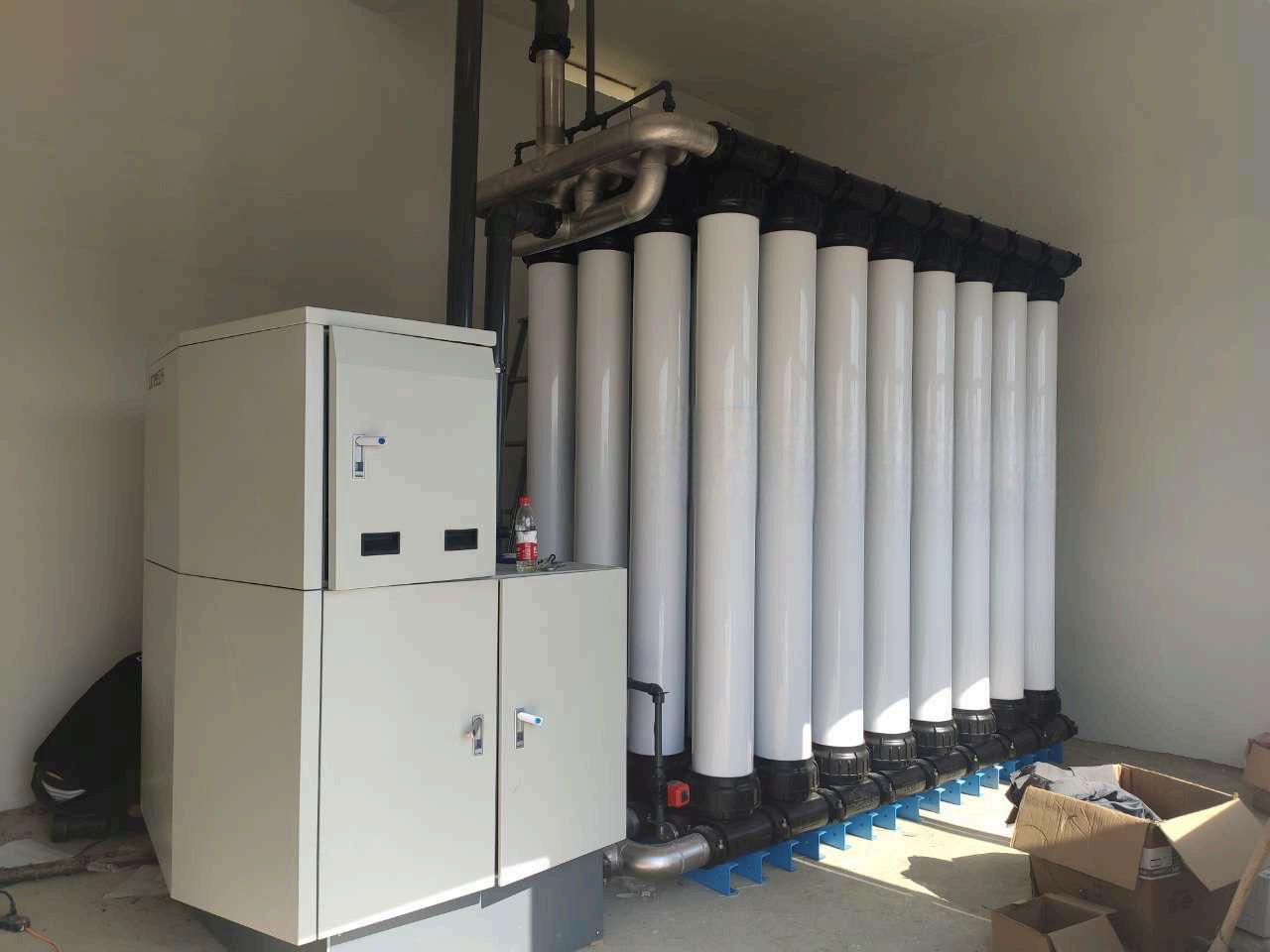
Un impianto modulare di acqua potabile Generalmente segue un percorso semplice e predefinito. Aspira l'acqua sporca, filtra i detriti e aggiunge sostanze chimiche di base, se necessario. Successivamente, l'acqua passa attraverso moduli a membrana di ultrafiltrazione e termina con una procedura di controlavaggio in linea e pulizia chimica di manutenzione. Questo processo a più barriere riduce il consumo complessivo di sostanze chimiche. Inoltre, mantiene l'acqua finale pulita e sicura, anche se l'acqua di origine cambia.
Per i progetti su larga scala, il sistema supporta l'espansione orizzontale della capacità tramite l'assemblaggio parallelo di moduli a membrana. Grazie a questa pratica caratteristica, l'apparecchiatura è adatta sia a piccoli campi profughi che a grandi reti di emergenza cittadine.
Confronto tra architettura tecnica e prestazioni
| Tipo di sistema | Capacità di trattamento | Uscita torbidità | Rimozione microbica | Durata della messa in servizio in loco | Architettura di controllo integrata |
| Unità UF containerizzata | 50–200 m³/giorno | < 0,1 NTU | Elevata (rimozione di 6 log dei batteri, rimozione di 4 log dei virus) | 1–3 giorni | Armadio di controllo PLC locale |
| Impianto modulare di medie dimensioni | 1.000–4.000 m³/giorno | < 0,1 NTU | Riduzione di 6 logaritmi dei batteri, riduzione di 4 logaritmi dei virus
|
7–15 giorni | PLC ibrido + controllo touchscreen |
| Impianto intelligente modulare di grandi dimensioni | 10.000 m³/giorno+ | Stabile <0,1 NTU | Processo di trattamento delle acque a barriera multipla | 15–30 giorni | Monitoraggio remoto tramite cloud + piattaforma O&M intelligente basata sull'intelligenza artificiale |
Questa struttura dimostra come i progetti modulari di impianti di acqua potabile possano essere adattati a diverse scale operative, mantenendo standard di qualità dell'acqua costanti. Il principio ingegneristico rimane identico, ma l'espansione della capacità viene ottenuta tramite la replicazione modulare anziché la riprogettazione.
Come il monitoraggio remoto degli impianti di trattamento delle acque migliora la stabilità operativa
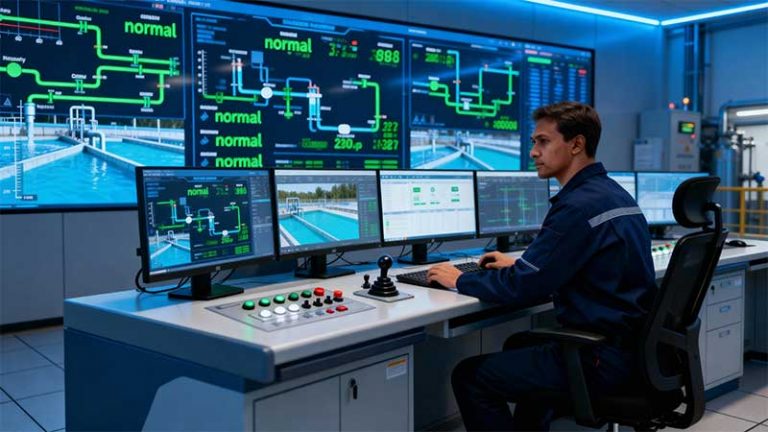
Le moderne reti di soccorso in caso di calamità dipendono fortemente da monitoraggio remoto del sistema di trattamento delle acque per garantire un funzionamento senza intoppi. Gli operatori non devono più controllare manualmente le macchine. Possono invece monitorare le prestazioni degli impianti tramite flussi di dati in tempo reale. Questi flussi mostrano la velocità del flusso d'acqua, la pressione transmembrana (TMP), la torbidità (NTU) e il consumo energetico.
Questo software intelligente trasforma un impianto di trattamento delle acque modulare in una macchina completamente trasparente e di facile monitoraggio. Problemi come filtri intasati o pompe deboli vengono individuati molto presto. Il software segnala semplicemente eventuali anomalie nei dati. In luoghi remoti, potrebbe non essere possibile reperire tecnici specializzati. Pertanto, individuare i problemi in anticipo riduce notevolmente il rischio di arresti improvvisi.
Per progetti di grandi dimensioni e distribuiti su più siti, un unico amministratore centrale può monitorare e regolare i parametri operativi tramite una dashboard cloud unificata, supportata da sistemi di monitoraggio remoto e manutenzione predittiva. Può modificare le impostazioni delle macchine senza doversi recare fisicamente sul campo. Questo strumento è estremamente utile per le organizzazioni umanitarie che gestiscono campi profughi sparsi sul territorio.
Casi di implementazione reali tratti da progetti di emergenza e municipali
Un rapporto sul campo ha evidenziato un progetto per un campo di emergenza con 60 persone. In questo caso, una piccola unità compatta ha garantito la fornitura quotidiana e sicura di acqua potabile. La qualità dell'acqua del fiume locale varia costantemente, eppure il dispositivo ha continuato a erogare acqua pulita anche quando le forti piogge avevano reso il fiume molto torbido. Questo successo dimostra la robustezza della tecnologia idrica modulare in contesti difficili e in continua evoluzione.
Su scala più ampia, un impianto da 2000 m³/giorno ha dato ottimi risultati nell'ammodernamento di un villaggio rurale. La qualità dell'acqua locale variava notevolmente con le stagioni, ma l'impianto ha funzionato perfettamente. Un'unità più grande da 4000 m³/giorno è stata installata in un'area urbana in espansione. Utilizzava cicli di autopulizia automatici per ridurre al minimo il lavoro manuale. Per i grandi progetti urbani, un impianto di trattamento delle acque intelligente e modulare da 10000 m³/giorno combinava controlli centralizzati con verifiche a distanza. Questa configurazione consentiva infinite possibilità di ottimizzazione per le diverse zone della città. Questi casi di progetto concreti confermano appieno il duplice valore dei sistemi modulari sia per le soluzioni di emergenza a breve termine che per le infrastrutture permanenti di approvvigionamento idrico comunale.
Conclusione
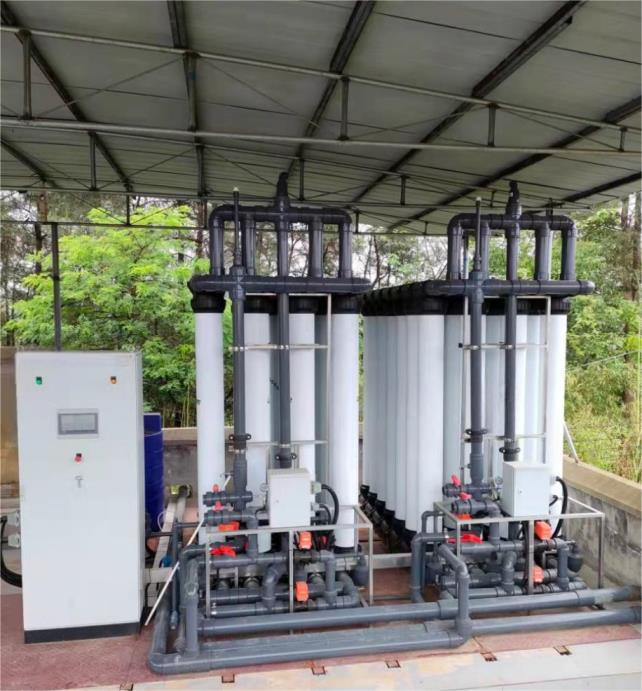
La diffusione della progettazione modulare ha completamente rivoluzionato il modo in cui portiamo l'acqua nelle zone di crisi. Oggi, un sistema modulare di trattamento delle acque si distingue non solo per la sua facilità di trasporto, ma anche per la combinazione di software intelligente, dimensionamento flessibile e valore a lungo termine. Con la crescente frequenza dei disastri naturali e il loro scarso preavviso, la capacità di completare la messa in funzione di impianti idrici a rapida implementazione in pochi giorni si è trasformata da un vantaggio opzionale in un requisito essenziale del settore. La combinazione di tecnologia di filtrazione a membrana modulare e piattaforme intelligenti di monitoraggio remoto crea una nuova generazione di infrastrutture idriche resilienti. Queste nuove configurazioni sono in grado di sopravvivere e prosperare anche nei luoghi più ostili della Terra.
Domande frequenti
Che cos'è un impianto modulare di acqua potabile e come funziona in caso di emergenza?
Un impianto modulare per l'acqua potabile è una macchina per la depurazione dell'acqua prefabbricata. Gli ingegneri lo progettano per un'installazione rapida e un funzionamento costante anche in caso di emergenza. Dotato di moduli standardizzati con membrana di ultrafiltrazione in PVDF da 0,02 μm, il sistema può resistere a una torbidità dell'acqua grezza fino a 1000 NTU. Questa progettazione garantisce un avvio rapido e acqua potabile sicura, il tutto senza la necessità di importanti lavori edili.
Qual è la differenza tra la tecnologia idrica modulare e le infrastrutture idriche tradizionali?
La differenza principale sta nel modo in cui vengono costruite. La tecnologia idrica modulare utilizza blocchi prefabbricati, delle dimensioni di un container, che si assemblano rapidamente in loco. Al contrario, i sistemi tradizionali richiedono importanti lavori in cemento armato e lunghi periodi di collaudo. Questa differenza rende l'approccio modulare molto più veloce da avviare e più facile da modificare.
Un impianto di trattamento delle acque intelligente e modulare è in grado di gestire condizioni dell'acqua grezza altamente variabili?
Sì, certamente è possibile. Un impianto di trattamento delle acque intelligente modulare è dotato di
Membrana di ultrafiltrazione in PVDF da 0,02 μm e sofisticata logica computerizzata. Questi strumenti contribuiscono a fornire acqua pulita e costante. Funziona bene anche quando l'acqua locale si sporca a causa di improvvise inondazioni o cambiamenti stagionali.
Qual è il tipico vantaggio in termini di costi di un impianto idrico a rapida implementazione?
Un impianto idrico a rapida implementazione riduce gli elevati costi del calcestruzzo. Inoltre, diminuisce i tempi di installazione. Questi due fattori riducono notevolmente la spesa totale per un progetto. Infine, i costi di gestione si riducono perché le macchine intelligenti richiedono un minor numero di operai in loco.