
霍松
霍松

新闻

Integrating Ultrafiltration and Reverse Osmosis Membranes into Modern Desalination Agriculture Projects

霍松

霍松

Integrating Ultrafiltration Membranes into Modern Desalination Agriculture Projects

The worldwide farming field faces a major water shortage, as usual, fresh water supplies decrease from climate shifts and excessive use. In numerous areas, the difference between water demands and availability surpasses the bounds of normal irrigation methods. This drives a deliberate move to desalination agriculture and the growing desalination business. In this move, uncommon water sources turn into dependable irrigation options. As part of this development, Ultrafiltration (UF) membranes emerge as a vital component. Still, they require combining with Reverse Osmosis (RO) to make the shift to desalinated water for agriculture practical and budget-friendly.

Why Desalination for Water Shortage is Becoming an Agricultural Necessity

Groundwater levels drop steadily. Drought periods strike more often. Depending just on yearly rainfall fails as a workable method to sustain food output. Officials now see desalination for water shortage as a key element of core infrastructure. They treat it as more than a temporary solution.

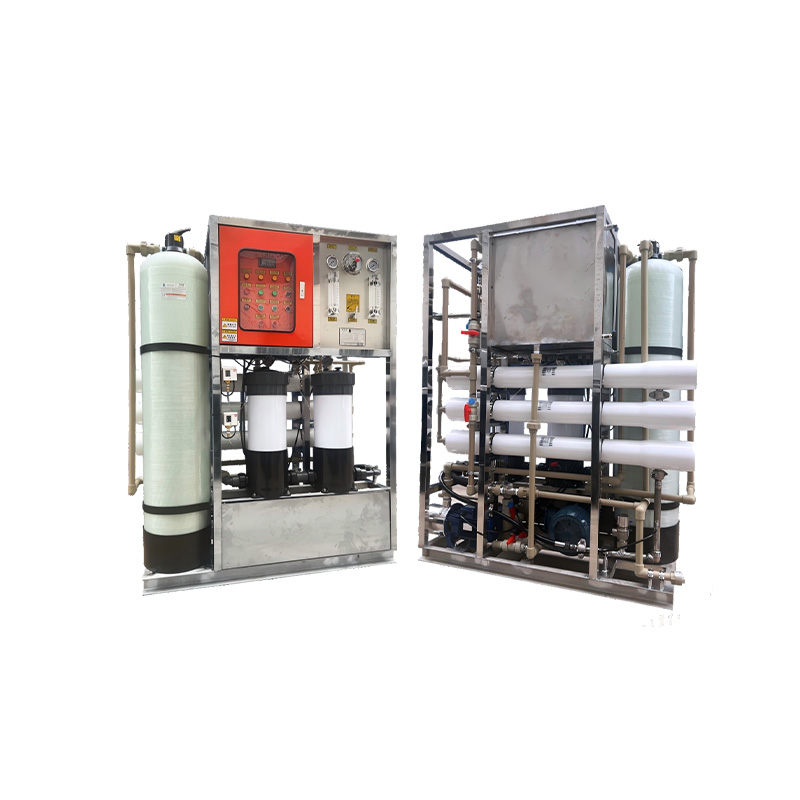
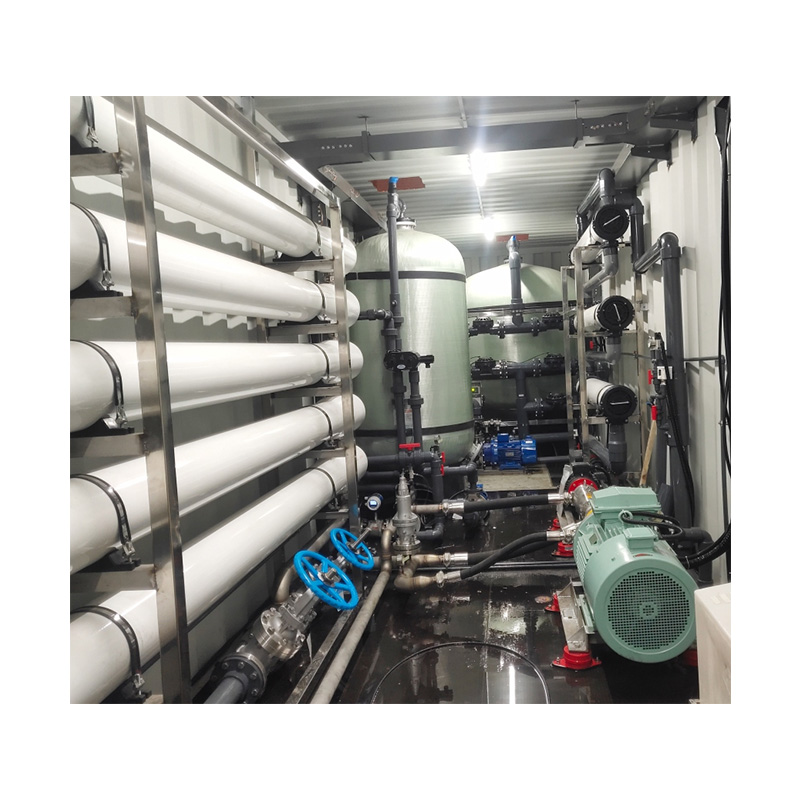
desalination agriculture

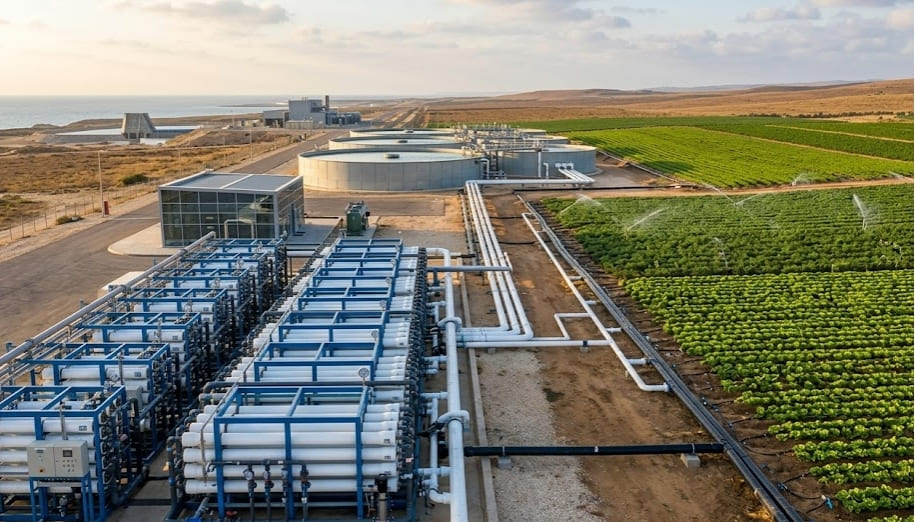
The primary obstacle to using desalination agriculture stems from keeping water quality uniform. Raw seawater contains large levels of Total Dissolved Solids (TDS). These levels can damage plants. UF membranes filter water but do not remove salts. They fail to block salt particles like Na+ or Cl-. For effective desalinated water for agriculture, the setup needs an RO phase to eliminate salt content. With these enhanced filter approaches and professional desalination equipment, farmers secure a reliable, nonstop water flow for irrigation.

Role of Ultrafiltration Membranes in Desalination Systems

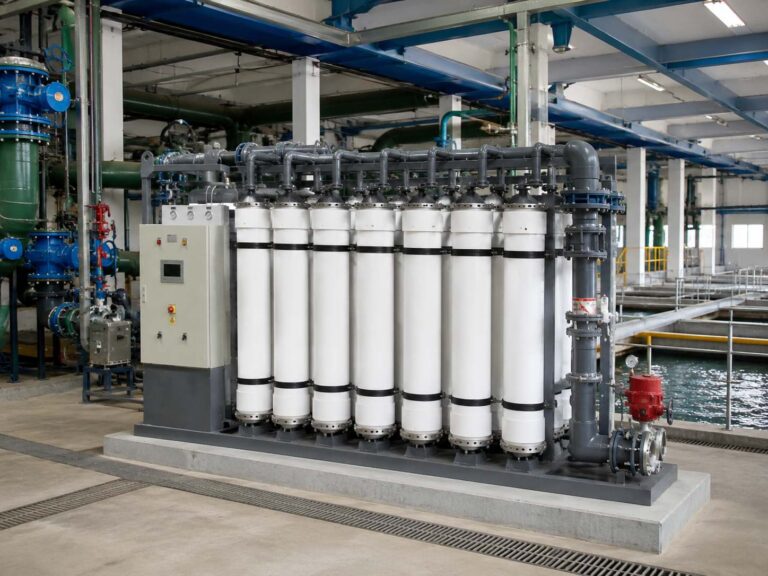
In a work environment like the HOSON FSHB series, UF membranes serve as precise shields. The RO phase manages salt elimination. UF membranes handle the crucial role of removing physical and biological impurities.

  • Removal of suspended matter: UF membranes typically include openings sized from 0.01 to 0.1 mic These openings effectively capture mud, dirt, and natural materials.
  • Exclusion of microbes: They build a solid wall against bacteria and viruses. This action ensures desalinated water for agriculture avoids bringing risky elements into the crop supply line.

desalination for water shortage

  • Safeguarding of RO membranes: UF serves as a protector or a compact desalination unitpre-filter. It supplies input water with a lower Silt Density Index (SDI). This prevents quick deposits on costly RO parts.
  • Consistency during variations: UF maintains the standard of results even when facing regular algae surges or dirt lifted by storms in the input water.

Integrating UF Membranes into Modern Desalination Agriculture Projects

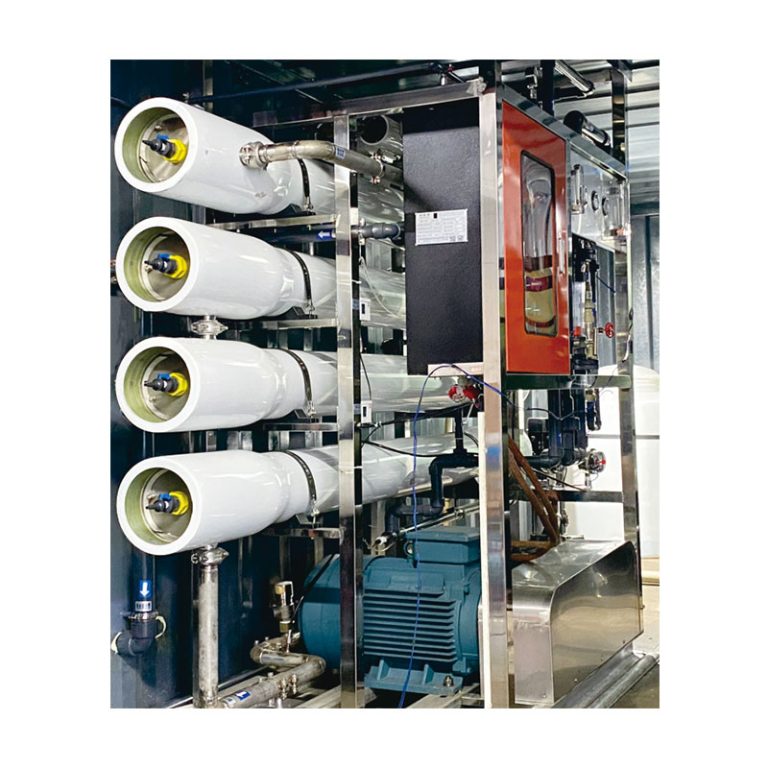
Adding these units requires a plan that aligns with the specific needs of a farm area. Our FSHB series adheres to a strict order: Sand Filtration → PP Cotton Filtration → UF Pretreatment → RO Desalination.

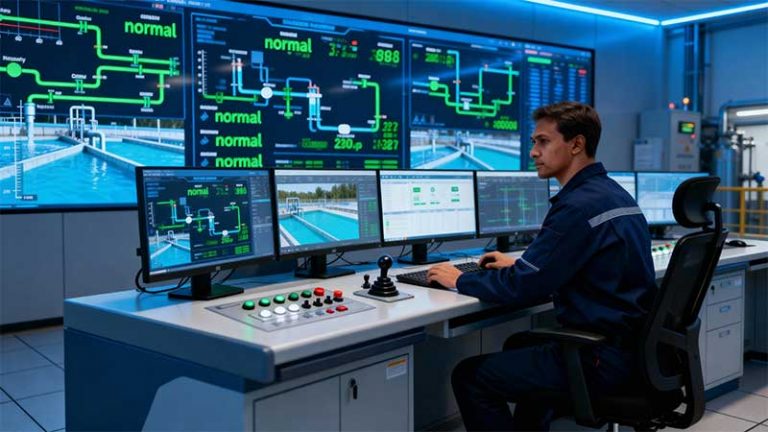
Today’s setups frequently employ fixed-frame or container-style designs. For example, consider a plan that includes a large UF pre-filter phase. It connects to a flexible RO unit. This arrangement deals with varied TDS amounts, at times up to 40,000 ppm. It preserves energy savings, too. In addition, control-equipped systems ensure the flow of desalinated water for agriculture matches planned drip irrigation schedules exactly. As a result, it lowers waste and improves plant water use.

Technical Specifications and Product Comparison

To grasp the range of options for desalination agriculture, reviewing the primary features of our FSHB series helps. The table below shows details for three basic types. Remember, salt blocking happens via the RO phase.

特性FSHB-320 (Industrial Scale)FSHB-10 (Community Scale)FSHB-1.5 (Portable/Emergency)
日产能320吨10 Tons1.5 Tons
功耗75千瓦时5.5 kWh1.5 kWh
脱盐率99.2% (RO Stage)99.2% (RO Stage)99.2% (RO Stage)
回收率35%35%15% – 20%
Feed Water TDS≤ 40,000 ppm≤ 40,000 ppm≤ 40,000 ppm
Primary MaterialDuplex Steel / 316SUS316 StainlessSUS316 / Composite
自动化Full PLC IntegrationSemi-AutomatedManual / Plug-and-Play

Key Benefits of Using Desalinated Water for Agriculture

Shifting to desalination agriculture provides not only greater water amounts but also improved control of water makeup. Irrigation supplies each day usually hold uneven mineral quantities. These quantities can result in salt buildup in the soil.

  • Preserving ground quality: RO clears salts to TDS < 500 ppm. Farmers can then adjust the mineral blend in desalinated water for agriculture. Thisadjustment upholds soil productivity.
  • Improved harvest amounts: Crops such as tomatoes and leaf greens display a strong reaction to cleanliness. Dependable water speeds up ripening and raises produce standards.
  • Independence from supplies: Locations steer clear of dependence on city water limits or shrinking local wells. They reach precise budget estimates.
  • Resistance to ecological pressures: Using effective desalination for water shortage eases pressure on nearby clean water areas.

Case Study: From Islands to Arid Inland Farms

My real-world work covered installing flexible desalination tools for a remote shore community. Traditional water systems proved unfeasible there. The effort used small, salt-water-resistant RO devices linked with UF starting filters. Through this approach, we delivered a firm water source for home needs and small-scale crop farming.

In a further example with broad plant runs producing more than 320 tons daily, the setup kept solid performance amid harsh settings. Input water temperatures varied from 5 to 45°C. These efforts verify that a step-wise method remains vital for steady production.

结论

Adding Ultrafiltration membranes as a targeted pre-treatment for Reverse Osmosis in desalination agriculture forms a dependable reply to the global water problem. By dealing with desalination for water shortage capably, farming companies can transform salty water into a useful resource. World food security rests on building these complex water setups. In these setups, every share of desalinated water for agriculture backs a lasting and plentiful yield.

At HOSON, we serve as designers of water setups. We change leading membrane advances into custom, functional devices. A major 320 TPD factory plant or a movable crisis tool both suit our designs. These designs emphasize lasting toughness. Get in touch with our staff now to create your custom desalination agriculture strategy and guard your upcoming water requirements.

常见问题解答

Q: Can desalinated water for agriculture be used directly for all types of crops?

A: RO water offers great cleanliness. However, it usually calls for adding minerals to suit particular crops. The method wipes out almost every mineral. Bringing back specific levels of calcium or magnesium holds the water at a perfect mix for better plant strength.

Q: How much does HOSON desalination agriculture cost compared to traditional irrigation?

A: Initial spending sits higher. Yet the full cost of owning evens out by dodging harvest losses due to water shortages. Modern setups like our desalination equipment have notably lowered the running cost per cubic meter.

Q: Is HOSON desalination for water shortage environmentally sustainable?

A: Yes, if it gets the right watch. Using Ultrafiltration in the early stage cuts down on chemical needs. New power recovery tools also lessen the environmental mark.

Q: What is the lifespan of UF and RO membranes in desalinated water for agriculture systems?

A: UF pre-treatment keeps the Silt Density Index (SDI) at a low point. RO membranes then often endure 3 to 5 years. UF membranes display strong durability. Standard rinse cycles and set cleaning routines can let them work much longer.

Q: Can HOSON desalination agriculture systems run on renewable energy like solar power?

A: Certainly. Many adaptable initiatives are engineered to pair with solar installations or wind power units, rendering them suitable for isolated areas lacking a stable electrical supply.

分类

目录

    相关新闻

    Integrating Ultrafiltration Membranes into Modern Desalination Agriculture Projects
    Integrating Ultrafiltration and Reverse Osmosis Membranes into Modern Desalination Agriculture Projects
    为快速增长的城市扩展地表水处理解决方案
    为快速增长的城市扩展地表水处理解决方案
    使用模块化海水淡化厂的快速部署策略
    使用模块化海水淡化厂的快速部署策略

    常见问题解答

    欢迎来到浩森科技

    欢迎来到合盛科技。面对全球水危机,和盛科技正在利用膜技术彻底改变所有行业的水净化。秉承&#8220;深切的同情,让技术受益,&#8221;我们致力于掌握水资源利用的关键技术,为工业文明和人类生存建设可持续的水生态系统。

    欢迎来到合盛科技。面对全球水危机,和盛科技正在利用膜技术彻底改变所有行业的水净化。秉承&#8220;深切的同情,让技术受益,&#8221;我们致力于掌握水资源利用的关键技术,为工业文明和人类生存建设可持续的水生态系统。

    欢迎来到合盛科技。面对全球水危机,和盛科技正在利用膜技术彻底改变所有行业的水净化。秉承&#8220;深切的同情,让技术受益,&#8221;我们致力于掌握水资源利用的关键技术,为工业文明和人类生存建设可持续的水生态系统。

    相关产品

    立即联系我们的OEM/ODM专家

    立即联系我们的OEM/ODM专家

    告诉我们您的初步想法,我们将在一个工作日内提供初步的可行性分析和建议。