
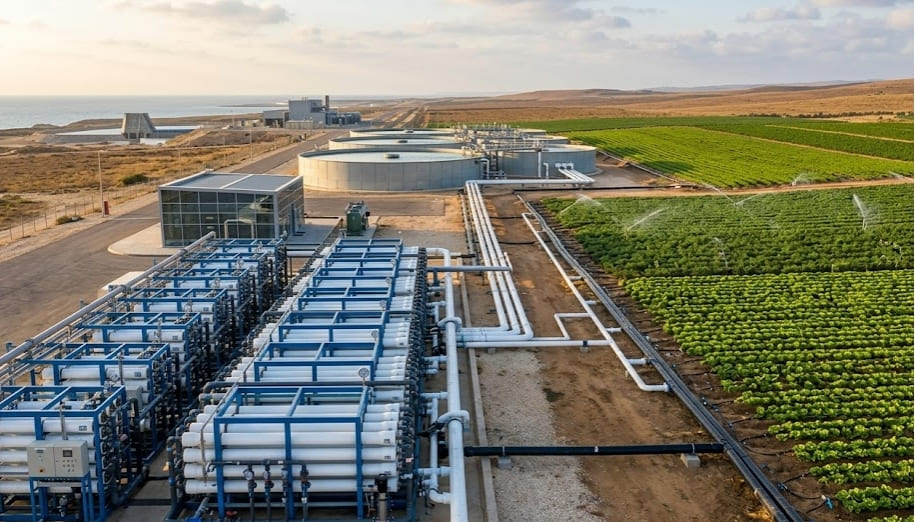
Die weltweite Landwirtschaft steht vor einem großen Wassermangel, wie üblich sinkt die Süßwasserversorgung durch Klimawandel und übermäßige Nutzung. In vielen Bereichen übersteigt der Unterschied zwischen Wasserbedarf und Verfügbarkeit die Grenzen der üblichen Bewässerungsmethoden. Dies treibt einen bewussten Umstieg in die Entsalzungslandwirtschaft und die wachsende EntsalzungsgeschäftIn diesem Schritt verwandeln sich ungewöhnliche Wasserquellen in zuverlässige Bewässerungsmöglichkeiten. Als Teil dieser Entwicklung entstehen Ultrafiltrationsmembranen (UF) als lebenswichtiger Bestandteil. Trotzdem erfordern sie eine Kombination mit Reverse Osmosis (RO), um die Umstellung auf entsalztes Wasser für die Landwirtschaft praktisch und kostengünstig zu machen.
Warum Entsalzung wegen Wassermangels zu einer landwirtschaftlichen Notwendigkeit wird
Der Grundwasserspiegel sinkt stetig. Dürrenzeiten treffen häufiger. Die Abhängigkeit nur von jährlichen Regenfällen scheitert als praktikable Methode, um die Nahrungsmittelproduktion aufrechtzuerhalten. Beamte sehen die Entsalzung wegen Wassermangels jetzt als ein Schlüsselelement der Kerninfrastruktur. Sie behandeln es als mehr als eine temporäre Lösung.
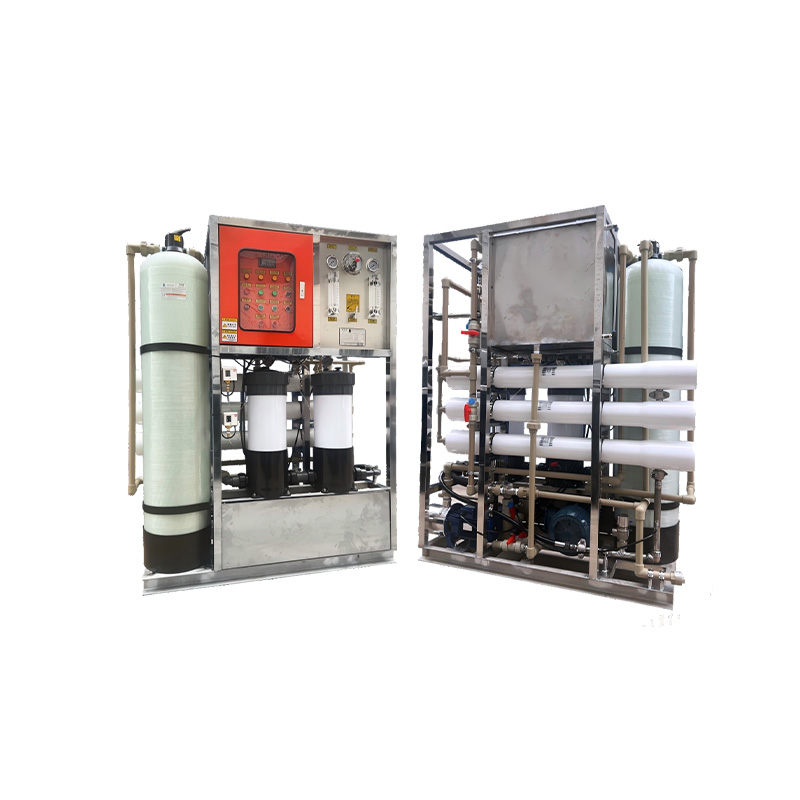
Das Haupthindernis für die Nutzung der Entsalzungslandwirtschaft besteht darin, die Wasserqualität gleichmäßig zu halten. Rohes Meerwasser enthält hohe Mengen an Total Dissolved Solids (TDS). Diese Ebenen können Pflanzen schädigen. UF-Membranen filtern Wasser, entfernen jedoch keine Salze. Sie blockieren nicht Salzpartikel wie Na oder Cl-. Für effektives Entsalzwasser für die Landwirtschaft benötigt die Anlage eine RO-Phase, um den Salzgehalt zu beseitigen. Mit diesen verbesserten Filteransätzen und professionellen EntsalzungsgeräteLandwirte sichern einen zuverlässigen, nonstop-Wasserstrom für die Bewässerung.
Rolle der Ultrafiltrationsmembranen in Entsalzungssystemen
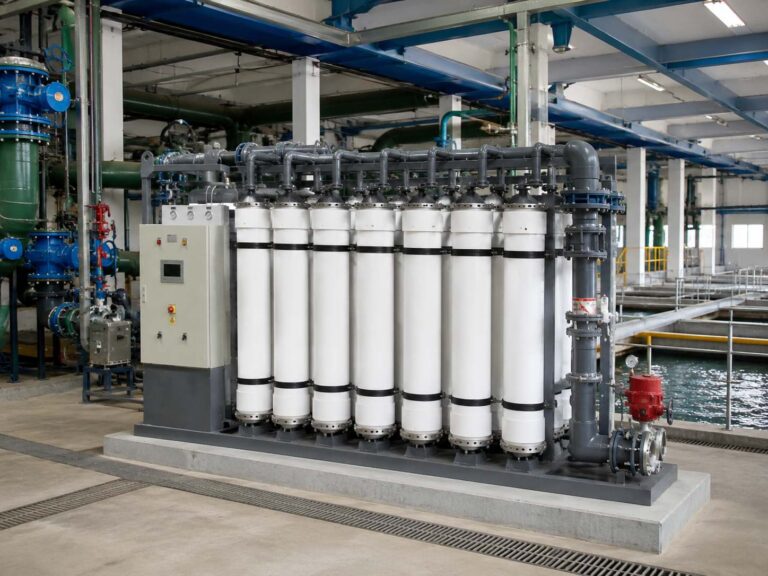
In einer Arbeitsumgebung wie der HOSON FSHB-Serie dienen UF-Membranen als präzise Schirme. Die RO-Phase verwaltet die Salzscheidung. UF-Membranen spielen die entscheidende Rolle bei der Entfernung physikalischer und biologischer Verunreinigungen.
- Entfernung suspendierter StoffeUF-Membranen enthalten in der Regel Öffnungen mit einer Größe von 0,01 bis 0,1 Mikrometer Diese Öffnungen erfassen effektiv Schlamm, Schmutz und natürliche Materialien.
- Ausschluss von MikrobenSie bauen eine feste Wand gegen Bakterien und Viren. Diese Maßnahme gewährleistet, dass entsalztes Wasser für die Landwirtschaft verhindert, dass Risikoelemente in die Ernteversorgungslinie gebracht werden.
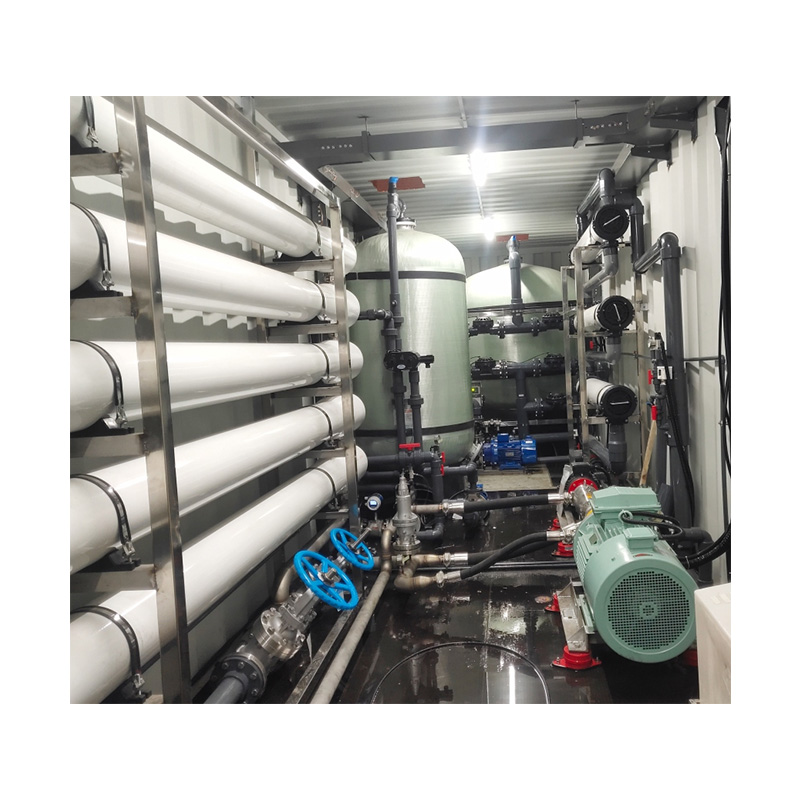
- Schutz von RO-MembranenUF dient als Schutz oder kompakte EntsalzungseinheitVorfilter. Es liefert Eingangswasser mit einem niedrigeren Schlammdichtenindex (SDI). Dies verhindert schnelle Ablagerungen an teuren RO-Teilen.
- Konsistenz bei VariationenUF hält den Standard der Ergebnisse auch bei regelmäßigen Algen-Überschwungen oder Schmutz, der durch Stürme im Eingangswasser aufgehoben wird.
Integration von UF-Membranen in moderne Entsalzungslandwirtschaftsprojekte
Die Hinzufügung dieser Einheiten erfordert einen Plan, der den spezifischen Bedürfnissen eines landwirtschaftlichen Gebietes entspricht. Unsere FSHB-Serie hält sich an eine strenge Bestellung: Sandfiltration → PP Baumwollenfiltration → UF Vorbehandlung → RO Entsalzung.
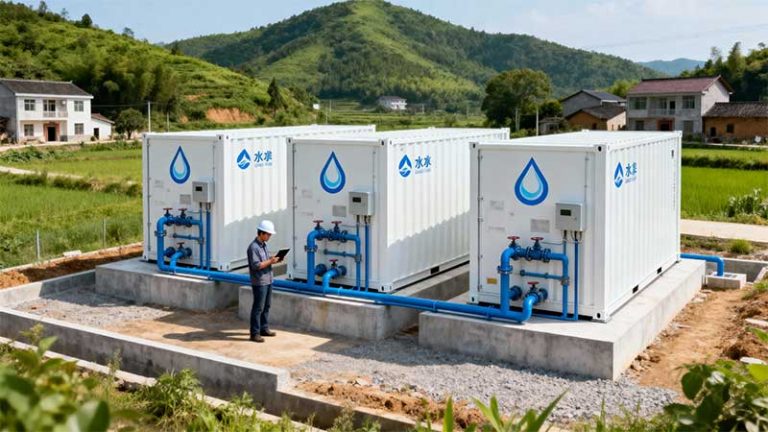
Die heutigen Setups verwenden häufig Festrahmen- oder Container-Designs. Betrachten Sie beispielsweise einen Plan, der eine große UF-Vorfilterphase umfasst. Es verbindet sich mit einer flexiblen RO-Einheit. Diese Anordnung behandelt unterschiedliche TDS-Mengen, manchmal bis zu 40.000 ppm. Sie spart auch Energie. Darüber hinaus gewährleisten steuerungsausrüstete Systeme, dass der Strom des entsalzten Wassers für die Landwirtschaft genau den geplanten Tropfbewässerungsplanen entspricht. Dadurch wird Abfall reduziert und der Pflanzenwasserverbrauch verbessert.
Technische Spezifikationen und Produktvergleich
Um die Vielfalt der Optionen für die Entsalzungslandwirtschaft zu verstehen, hilft eine Überprüfung der Hauptmerkmale unserer FSHB-Serie. Die folgende Tabelle zeigt Details zu drei Grundtypen. Denken Sie daran, dass die Salzbesperrung über die RO-Phase erfolgt.
| Eigenschaften | FSHB-320 (Industrieskala) | FSHB-10 (Gemeinschaftsskala) | FSHB-1.5 (tragbar/Notfall) |
| Tägliche Kapazität | 320 Tonnen | 10 Tonnen | 1,5 Tonnen |
| Stromverbrauch | 75 kWh | 5,5 kWh | 1,5 kWh |
| Salz Ablehnungsrate | 99,2% (RO-Stufe) | 99,2% (RO-Stufe) | 99,2% (RO-Stufe) |
| Wiederherstellungsrate | 35% | 35% | 15% – 20% |
| Futterwasser TDS | ≤ 40,000 ppm | ≤ 40,000 ppm | ≤ 40,000 ppm |
| Primärmaterial | Duplex Stahl / 316 | SUS316 Edelstahl | SUS316 / Komposit |
| Automatisierung | Vollständige PLC-Integration | Halbautomatisiert | Handbuch / Plug-and-Play |
Vorteile der Verwendung von Entsalztem Wasser für die Landwirtschaft
Die Umstellung auf Entsalzungslandwirtschaft bietet nicht nur größere Wassermengen, sondern auch eine verbesserte Kontrolle der Wasserzusammensetzung. Die täglichen Bewässerungsvorräte enthalten in der Regel ungleiche Mineralmengen. Diese Mengen können zu einer Salzaufnahme im Boden führen.
- Erhaltung der BodenqualitätRO reinigt Salze zu TDS < 500 ppm. Die Landwirte können dann die Mineralmischung in entsalztem Wasser für die Landwirtschaft anpassen. Diese Anpassung hält die Bodenproduktivität auf.
- Verbesserte ErntemengePflanzen wie Tomaten und Blattgrün zeigen eine starke Reaktion auf Sauberkeit. Zuverlässiges Wasser beschleunigt die Reife und erhöht den Produktstandard.
- Unabhängigkeit von VersorgungStandorte vermeiden Abhängigkeit von Stadtwassergrenzen oder schrumpfenden lokalen Brunnen. Sie erreichen genaue Budgetschätzungen.
- Widerstand gegen ökologischen DruckDie Verwendung einer effektiven Entsalzung bei Wassermangel erleichtert den Druck auf nahe gelegene saubere Wassergebiete.
Fallstudie: Von Inseln zu trockenen Binnenbauernhöfen
Meine reale Arbeit umfasste die Installation flexibler Entsalzungswerkzeuge für eine abgelegene Küstengemeinschaft. Traditionelle Wassersysteme erwiesen sich dort als unmöglich. Bei der Anstrengung wurden kleine, salzwasserbeständige RO-Geräte verwendet, die mit UF-Ausgangsfiltern verbunden sind. Durch diesen Ansatz lieferten wir eine feste Wasserquelle für den Hausbedarf und die Kleinlandwirtschaft.
In einem weiteren Beispiel mit breiten Anlagenlaufen, die täglich über 320 Tonnen produzieren, behielt das Setup eine solide Leistung unter harten Bedingungen. Eingangswassertemperaturen variierten von 5 bis 45°C. Diese Bemühungen bestätigen, dass eine schrittweise Methode für eine stetige Produktion unerlässlich bleibt.
Schlussfolgerung
Das Hinzufügen von Ultrafiltrationsmembranen als gezielte Vorbehandlung der Reverse Osmose in der Entsalzungslandwirtschaft bildet eine zuverlässige Antwort auf das globale Wasserproblem. Indem Landwirtschaftsunternehmen mit der Entsalzung für Wassermangel befähigt werden, können sie Salzwasser in eine nützliche Ressource verwandeln. Die weltweite Ernährungssicherheit beruht auf dem Aufbau dieser komplexen Wasseranlagen. In diesen Anlagen unterstützt jeder Anteil an entsalztem Wasser für die Landwirtschaft einen dauerhaften und reichlichen Ertrag.
Bei HOSON sind wir als Entwickler von Wasseranlagen tätig. Wir verwandeln führende Membranforderungen in kundenspezifische, funktionale Geräte. Eine große 320 TPD-Fabrik oder ein bewegliches Krisenwerkzeug passen beide zu unseren Designs. Diese Designs betonen dauerhafte Zähigkeit. Kontaktieren Sie jetzt unsere Mitarbeiter, um Ihre maßgeschneiderte Entsalzungslandwirtschaftsstrategie zu erstellen und Ihren kommenden Wasserbedarf zu schützen.
FAQ (häufig gestellte Fragen)
F: Kann entsalztes Wasser für die Landwirtschaft direkt für alle Arten von Pflanzen verwendet werden?
A: RO Wasser bietet große Sauberkeit. Es erfordert jedoch in der Regel die Hinzufügung von Mineralien, um bestimmte Pflanzen anzupassen. Die Methode löscht fast jedes Mineral aus. Die Rückbringung bestimmter Mengen an Kalzium oder Magnesium hält das Wasser in einer perfekten Mischung für eine bessere Pflanzenstärke.
F: Wie viel kostet HOSON Entsalzung Landwirtschaft im Vergleich zu traditioneller Bewässerung?
A: Erste Ausgaben sind höher. Doch die gesamten Besitzeskosten ausgleichen sich durch die Vermeidung von Ernteverlusten aufgrund von Wassermangel. Moderne Installationen wie unsere Entsalzungsgeräte haben die Betriebskosten pro Kubikmeter deutlich gesenkt.
F: Ist die Entsalzung von HOSON bei Wassermangel umweltfreundlich?
A: Ja, wenn es die richtige Uhr bekommt. Die Verwendung von Ultrafiltration in der frühen Phase reduziert den chemischen Bedarf. Neue Stromergewinnungswerkzeuge verringern auch die Umweltmarkierung.
F: Wie lange ist die Lebensdauer von UF- und RO-Membranen in Entsalzwasser für Landwirtschaftssysteme?
A: Die UF-Vorbehandlung hält den Schlammdichtenindex (SDI) auf einem niedrigen Punkt. RO-Membranen halten dann oft 3 bis 5 Jahre aus. UF-Membranen zeigen eine hohe Haltbarkeit. Standardspülzyklen und festgelegte Reinigungsroutinen können sie viel länger arbeiten lassen.
F: Können HOSON Entsalzungslandwirtschaftssysteme mit erneuerbaren Energien wie Solarenergie laufen?
A: Natürlich. Viele anpassbare Initiativen sind so konzipiert, dass sie mit Solaranlagen oder Windkraftanlagen kombiniert werden, dass sie für isolierte Gebiete geeignet sind, in denen keine stabile Stromversorgung besteht.