
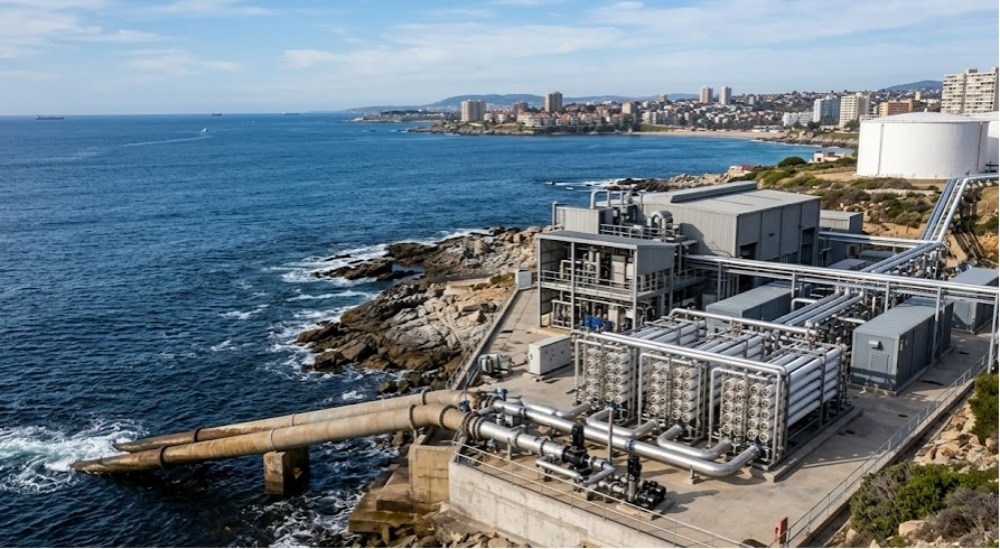
Die zunehmende globale Wasserknappheit stellt Küstengemeinschaften und Industriezonen in eine schwierige Lage. Die Nähe zum Ozean bietet reichliche Wasserquellen, aber die Umwandlung von salmerem Meerwasser in praktische Ressourcen stellt weiterhin eine große Hürde in der Welt dar. EntsalzungsgeschäftRaffinerte Entsalzungsmethoden, wie die Umkehrosmose (RO), spielen eine entscheidende Rolle bei der Bekämpfung dieses Problems und bieten eine zuverlässige Lösung für Meeresbevölkerungen, die sich mit begrenzten Süßwasserversorgungen befassen.
Engineering des Übergangs von Salzwasser zu Trinkwasser
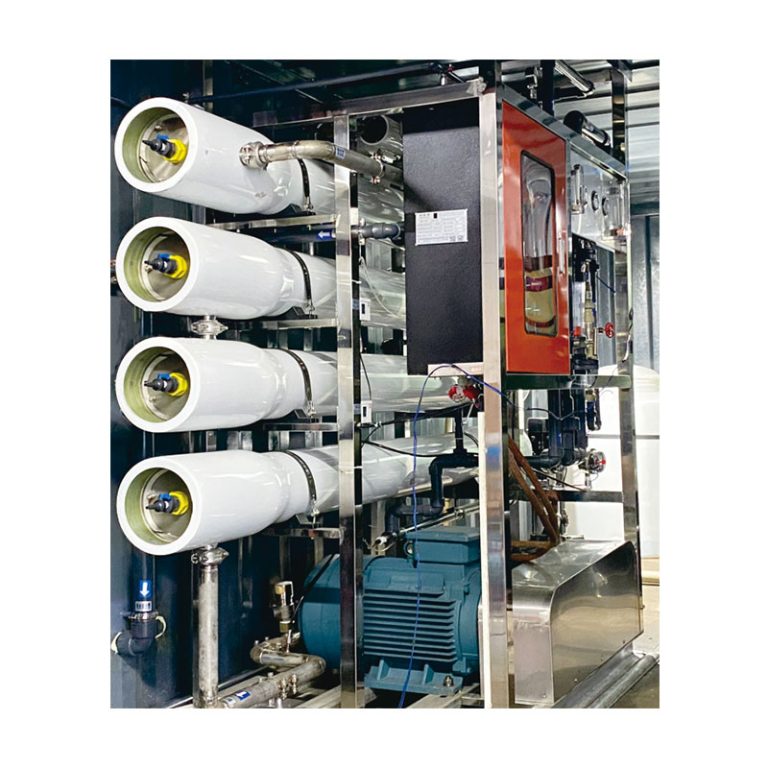
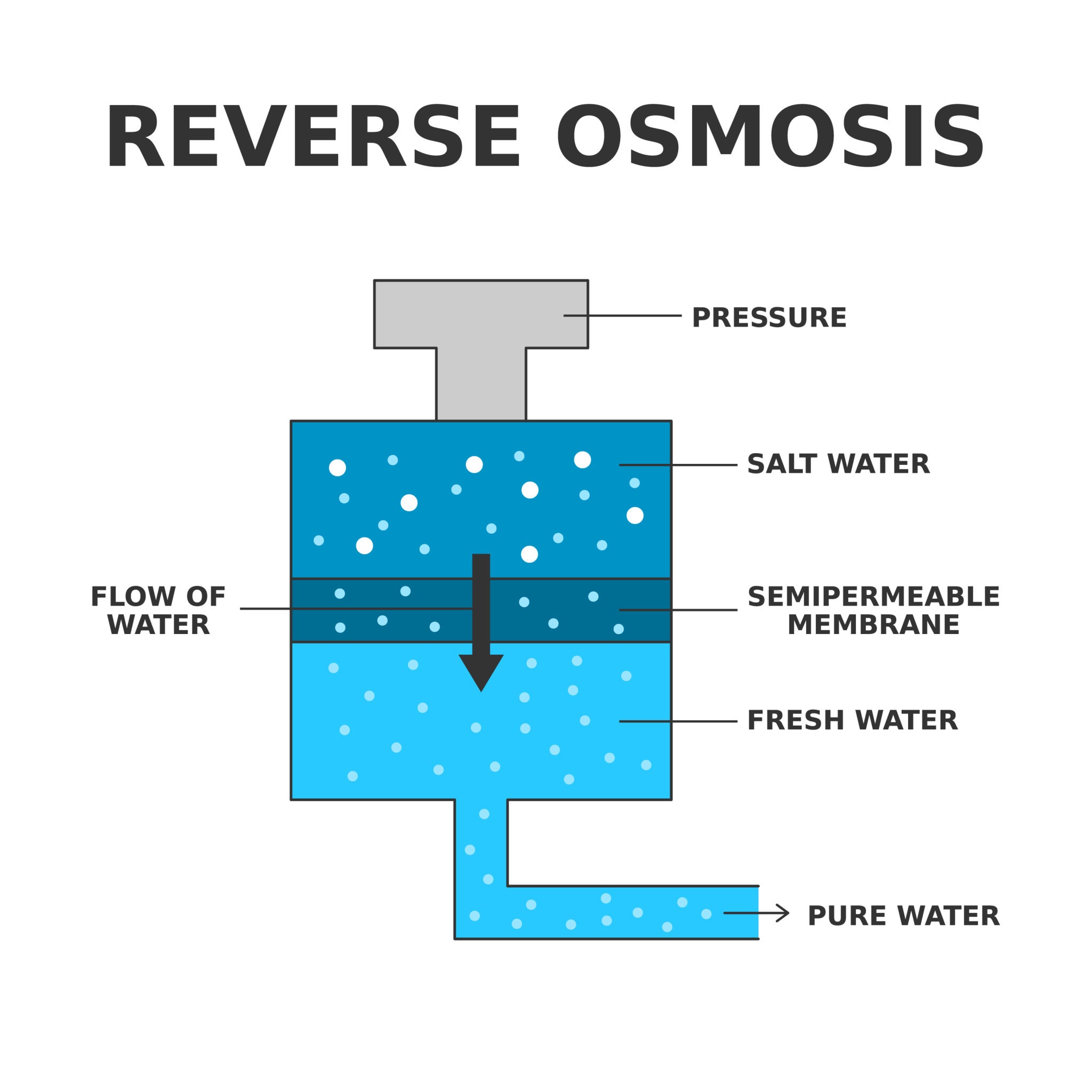
Die Hauptschwierigkeit bei der Entfernung von Salz konzentriert sich auf die Teilung von Salzen, einschließlich Natriumchlorid, zusammen mit verschiedenen gelösten Substanzen, aus dem Wasser. Innerhalb moderner Seawater Reverse Osmosis (SWRO) Setups erfolgt diese Änderung über Semipermeable Membranes. Solche Membranen funktionieren so, dass reines Wasser durchströmen kann, auch wenn sie Salz und zusätzliche Verunreinigungen blockieren.
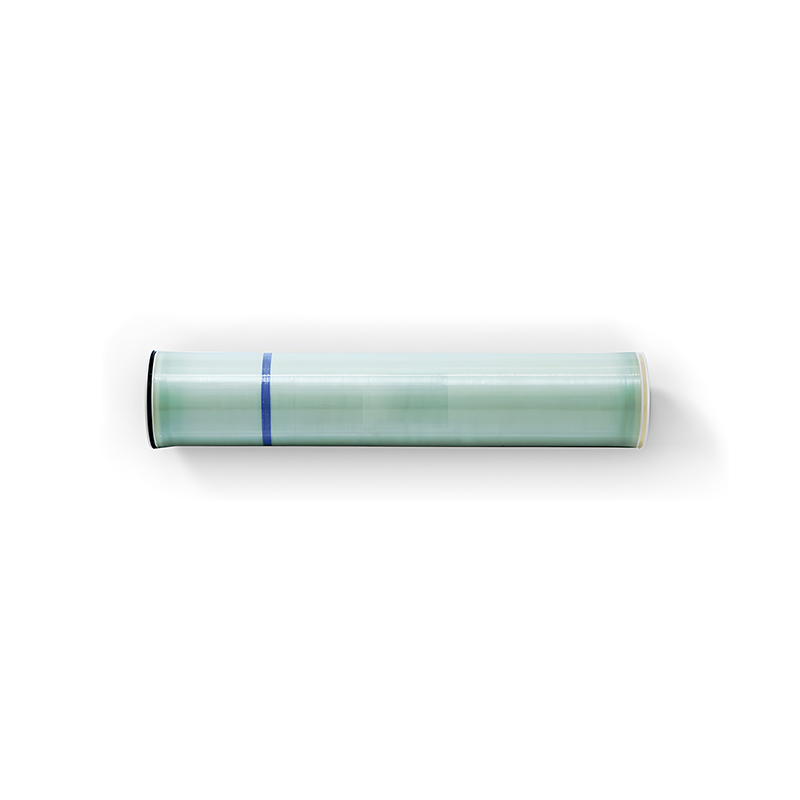
Hauptvorteile von heute’ s RO Membranentechnologie:
- Effiziente Trennung von IonenDie Membranen verhindern erfolgreich gelöste Salze und geladene Elemente, wodurch Produktwasserreinigkeit gewährleistet wird.
- Entfernung feiner SchadstoffeRO-Membranen schaffen es, kleine Kunststoffe, Bor und Metallspuren zu beseitigen, die herkömmliche Filter übersehen.
Stabiler Betrieb unter wechselnden Bedingungen – Einlasstemperaturschwankungen behindern die Funktion der Membranen nicht und ein robuster Betrieb unter heißen und trockenen Bedingungen ist gewährleistet.
Technische Spezifikationen von Membransystemen mit hoher Ablehnung
Um zu verstehen, wie große Entsalzungsanlagen funktionieren, betrachten Sie die Details von zwei gängigen Modellen, die in der Küstenwasserverarbeitung angewendet werden: dem FSHB-320 (Industriemodell) und dem FSHB-0.5 (tragbares Modell).
| Tägliche Kapazität | 320 Tonnen pro Tag (TPD) | 0,5 Tonnen pro Tag (TPD) |
| Salz Ablehnungsrate | 99.2% | 99.0% |
| Maximale Zufuhr TDS | 40.000 ppm | 40.000 ppm |
| Betriebsdruck | 5.0 – 6.5 MPa | 4.0 – 5.5 MPa |
| Systemwiederherstellungsrate | 35% (Durchlässigkeit/Aufnahme) | 15% – 20% |
| Stromverbrauch | 3,5–6 kWh/m³ (Industriestandard) | 3,5–6 kWh/m³ (Industriestandard) |
| Fußabdruck | 12m x 2.3m x 2.9m | 680mm x 250mm x 350mm |
Standardisierung des Weges zum Trinkwasser durch Vorbehandlung
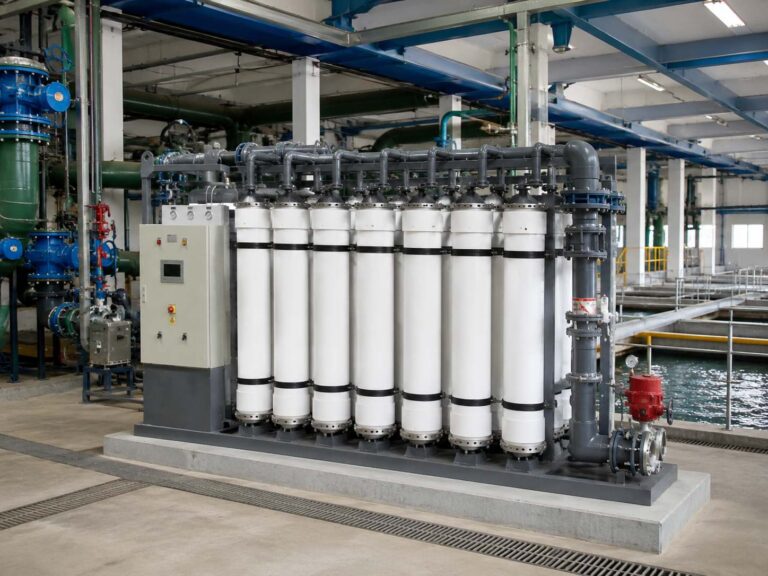
Wirksam Entsalzungsgeräte häufig Hindernisse begegnet, insbesondere diejenigen, die an Rohfutterwasser gebunden sind. Vor Beginn des RO-Verfahrens benötigt das Wasser eine umfassende Vorbehandlung, um zu bestätigen, dass es Trinkwasserkriterien erfüllt. Diese Rolle spielt häufig die Ultrafiltration (UF), da sie erhebliche Partikel, organische Substanzen und Mikroben entfernt und somit RO-Membranen vor Verschmutzung und chemischen Schäden vor Chemikalien schützt.
Die Kopplung von UF mit RO ergänzt einen zusätzlichen Schutz:
- Ultrafiltration senkt den Schlammdichtenindex (SDI)Es stellt sicher, dass das Wasser, das in die RO-Stufe geht, klar ist, was zur Vermeidung von Hindernissen beiträgt.
- Automatische Spülzyklen reduzieren den chemischen BedarfDies unterstützt den Betrieb des UF-Setups mit begrenzten Reinigungsmitteln.
- RO-Membranen konzentrieren sich auf IonenteilungDies fördert die Pflanze’ s Gesamtleistung und sichert überlegene Ausgabequalität.
Optimierung des OPEX durch kWh und System Recovery Metrics
Im Entsalzungsbereich stehen die Betriebskosten direkt in Verbindung mit Energieverbrauch und Systemrückgewinnungsprozenten. Die Messung von kWh/m³ erfasst die Leistung, die benötigt wird, um einen Kubikmeter Süßwasser zu erzeugen, und die Raffinierung dieser Zahl ist entscheidend, um die Gesamtkosten zu senken.
Tipps zur Verbesserung der Energieleistung:
- Zuverlässige Pumpen halten einen konstanten Druck mit möglichst geringer Energie.
- Eine angemessene Flüssigkeitsmanagement hält die Systemrückgewinnungsrate nahe 35%, was die Belastung einzelner Teile erleichtert.
- Echtzeit-Tracking überprüft, ob der Energieverbrauch den Regeln für Trinkwassernormen entspricht.
Erfolgreicher Einsatz in anspruchsvollen Küstenumgebungen
Die Entsalzung von Meerwasser ist Realität geworden und ist an vielen Küstenorten weltweit erfolgreich in Betrieb. Zwei große Anlagen mit einer Produktionskapazität von 2.000 TPD und 10.000 TPD Trinkwasser wurden errichtet, um die Küstenstädte in der Provinz Guangdong mit Wasser zu versorgen. Diese Anlagen bekämpfen den regelmäßigen Süßwassermangel durch eine Vereinfachte Vorbehandlung Verfahren, das eine schnelle Installation und Inbetriebnahme der Entsalzungsanlage ermöglicht.
Einblicke aus diesen Installationen:
- Modulare Konstruktionen ermöglichen eine einfache ErweiterungEine Anlage mit 2.000 TPD kann einfach durch die Einbeziehung zusätzlicher Module auf 10.000 TPD wachsen.
- Containerisierte Systeme reduzieren die Anforderungen an große Bauaufwand und eignen sich gut für isolierte oder geschützte Küstenstandorte.
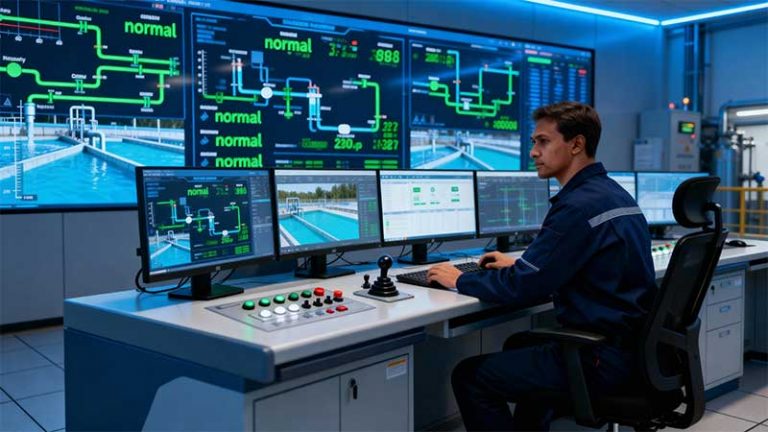
- Eingebaute Überwachungsgeräte ermöglichen eine kontinuierliche Überwachung, die eine konstante Wasserausgabe und Qualitätskontrollen gewährleistet.
Schlussfolgerung: Engineering für eine nachhaltige Wasserzukunft
Die Umwandlung von Meerwasser in eine zuverlässige Süßwasserressource stellt kein fernes Ziel dar, sondern eine unmittelbare Erreichung. Küstengemeinschaften können den Grenzen für nahe gelegenes Süßwasser entkommen, indem sie auf leistungsstarke RO-Membranen, robuste UF-Vorbehandlung und raffinierte Energieanwendung (kWh/m³) achten. Erfolg hängt von der Behandlung von Entsalzungssystemen als mehr als bloße Maschinen ab, sondern als Schlüsselinstrumente für eine dauerhafte Wasserüberwachung.
FAQ (häufig gestellte Fragen)
F: Was sind die Primärenergiekosten (kWh) für HOSON Entsalzungssysteme?
A: Der Energieverbrauch bei der Erzeugung von Trinkwasser wird anhand von kWh/m³ bewertet. Nehmen wir zum Beispiel das System FSHB-320; Es erfordert etwa 3,5-6 kWh für jeden erzeugten Kubikmeter Süßwasser, was den Standardpraxis in der Industrie entspricht.
F: Wie definiert HOSON die Systemrückgewinnungsrate für Salzwasser in Trinkwasser?
A: Die Systemrückgewinnungsrate zeigt den Anteil des gewonnenen Süßwassers im Verhältnis zum gesamten Volumen des eingehenden Rohmeerwassers an. Bei hocheffizienten SWRO-Systemen von HOSON erreicht diese Rate in der Regel etwa 35%, was eine effektive Ressourcennutzung bei der Umwandlung von Meerwasser in Trinkwasser unterstützt.
F: Kann die HOSON-Technologie Trinkwasser aus Quellen mit hohem TDS produzieren?
A: In der Tat verarbeiten HOSON-Systeme Eingangswasser mit Gesamtgelösten Feststoffen (TDS) von bis zu 40.000 ppm. Durch mehrstufige Filtration in Kombination mit modernsten Membranmethoden liefern diese Systeme Trinkwasser, das den internationalen Sicherheitsrichtlinien entspricht und die Zuverlässigkeit der Umsetzung von Salzwasser in Trinkwasser gewährleistet.
F: Was ist der Vorteil der Verwendung von HOSON-Modulgeräten für die Trinkbarkeit von Meerwasser in abgelegenen Gebieten?
A: Modulare HOSON-Einheiten bieten eine zuverlässige und anpassbare Lösung für die Wasserversorgung, die den schnellen Einsatz in entfernten oder industriellen Umgebungen erleichtert. Dieser Ansatz minimiert den Infrastrukturbedarf und ist praktisch für Regionen, in denen sich die Installation traditioneller Entsalzungsgeräte als schwierig erweisen könnte, wodurch der Zugang zu Trinkwasser in unterschiedlichen Umgebungen verbessert wird.
F: Ist Ultrafiltration für HOSON-Systeme bei der Umwandlung von Salzwasser in Trinkwasser erforderlich?
A: Obwohl RO-Membranen die Kernaufgabe der Salzscheidung erledigen, übernimmt die Ultrafiltration (UF) in der Anfangsbehandlungsphase eine lebenswichtige Funktion. Es beseitigt schwimmende Partikel und biologische Mittel, was wiederum die RO-Membranen vor Ansammlung und Abbau schützt. Dadurch verlängert diese Integration die Haltbarkeit des Systems und hält eine konsistente Leistung bei der Trinkbereitung von Meerwasser bei.