

The expanding global water scarcity places coastal communities and industrial zones in a difficult spot. Proximity to the ocean offers abundant water sources, but converting brackish seawater into practical resources continues to pose a major hurdle in the desalination business. Sophisticated desalination methods, such as reverse osmosis (RO), play a vital role in tackling this problem,providing a reliable solution for seaside populations dealing with limited fresh water supplies.
Engineering the Transition from Salt Water to Potable Water
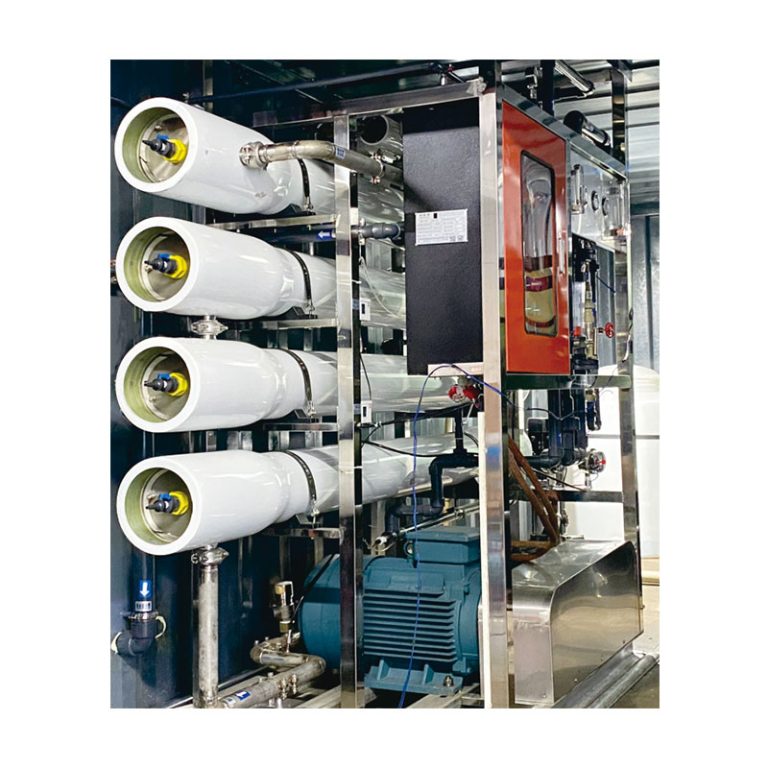
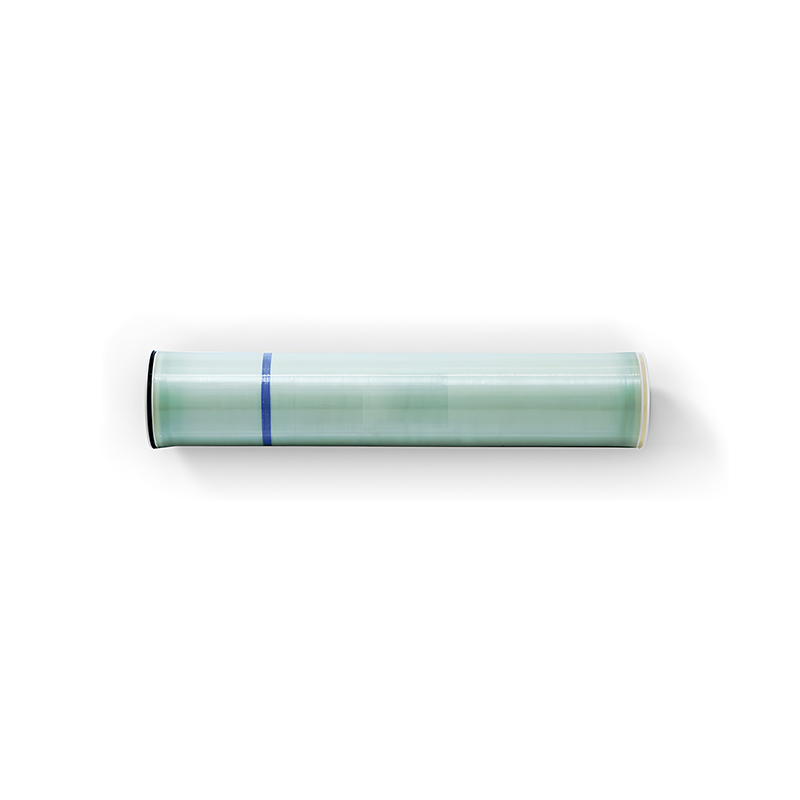
The main difficulty in removing salt centers on dividing salts, including sodium chloride, along with various dissolved substances, from the water. Within contemporary seawater reverse osmosis (SWRO) setups, this change happens via Semipermeable Membranes. Such membranes function to permit pure water to flow through, even as they block salt and additional impurities.
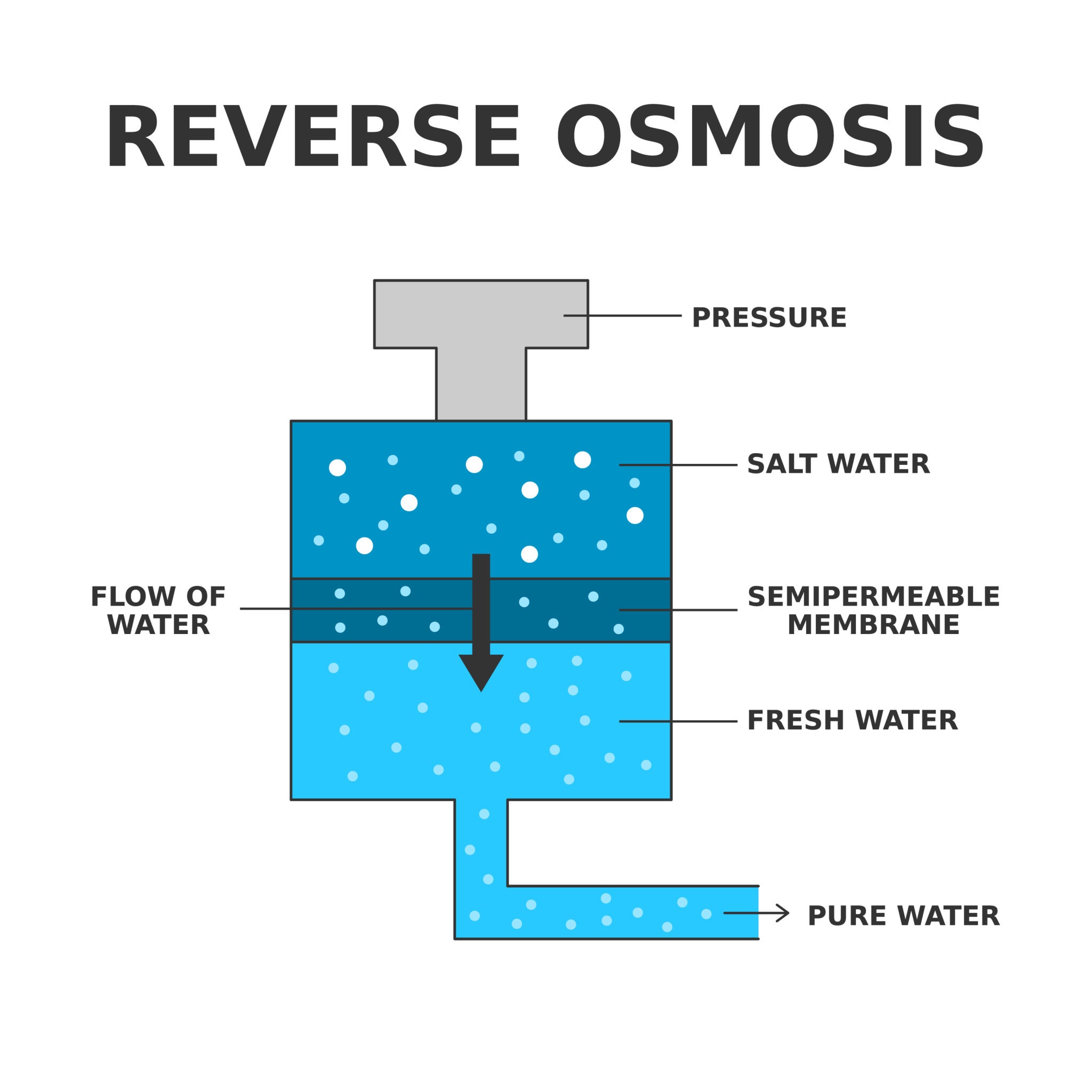
Primary benefits of today’s RO membrane technology:
- Efficient separation of ions: The membranes successfully prevent dissolved salts and charged elements,ensuring product water purity.
- Removal of fine contaminants: RO membranes manage to eliminate small plastics, boron, and traces of metals that conventional filters overlook.
Stable Operation Under Changing Circumstances – Inlet temperature fluctuations do not impede the function of the membranes, and robust operation under hot and arid conditions is assured.
Technical Specifications of High-Rejection Membrane Systems
To grasp how major desalination plants function, consider the details of two common models applied in coastal water processing: the FSHB-320 (industrial model) and the FSHB-0.5 (portable model).
| Daily Capacity | 320 Tons Per Day (TPD) | 0.5 Tons Per Day (TPD) |
| Salt Rejection Rate | 99.2% | 99.0% |
| Maximum Feed TDS | 40,000 ppm | 40,000 ppm |
| Operating Pressure | 5.0 – 6.5 MPa | 4.0 – 5.5 MPa |
| System Recovery Rate | 35% (Permeate/Intake) | 15% – 20% |
| Power Consumption | 3.5–6 kWh/m³ (Industry standard) | 3.5–6 kWh/m³ (Industry standard) |
| Footprint | 12m x 2.3m x 2.9m | 680mm x 250mm x 350mm |
Standardizing the Path to Potable Tap Water through Pre-treatment
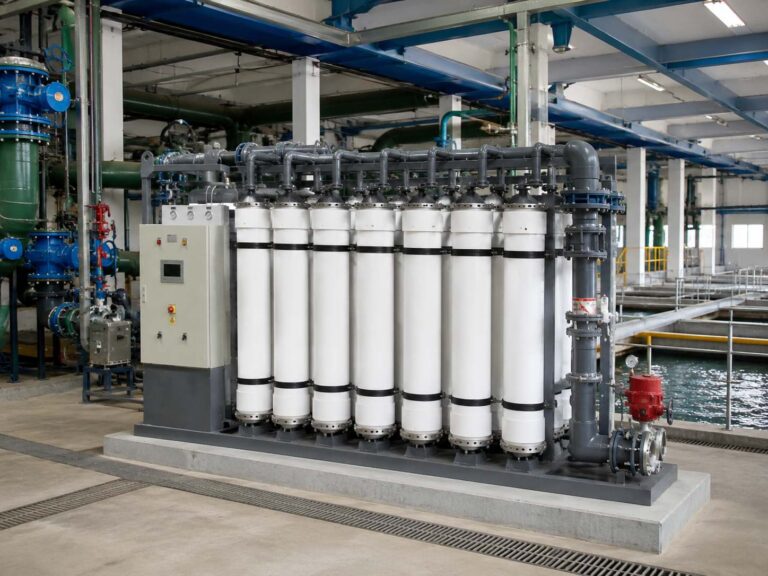
Effective desalination equipment frequently encounters obstacles, particularly those tied to raw feed water. Prior to starting the RO procedure, the water needs comprehensive pretreatment to confirm it satisfies potable tap water criteria. Ultrafiltration (UF) serves this role often, since it clears away sizable particles, organic substances, and microbes, thereby protecting RO membranes from fouling and chemical damage from chemicals.
Pairing UF with RO adds an additional safeguard:
- Ultrafiltration lowers the Silt Density Index (SDI): It makes certain the water heading into the RO stage is clear, which aids in avoiding obstructions.
- Auto rinse cycles cut down on chemical needs: This supports keeping the UF setup running with limited cleaning agents.
- RO membranes concentrate on ion division: This boosts the plant’s total performance and secures superior output quality.
Optimizing OPEX through kWh and System Recovery Metrics
Within the desalination field, running expenses connect directly to energy use and system recovery percentages. The kWh/m³ measure records the power needed to generate one cubic meter of fresh water, and refining this figure proves crucial for cutting total expenses.
Tips for enhancing energy performance:
- Reliable pumps sustain steady pressure using the least energy possible.
- Appropriate fluid management keeps the system recovery rate near 35%, which eases the strain on separate parts.
- Real-time tracking verifies that energy use matches rules for drinking water standards.
Deployment Success in Challenging Coastal Environments
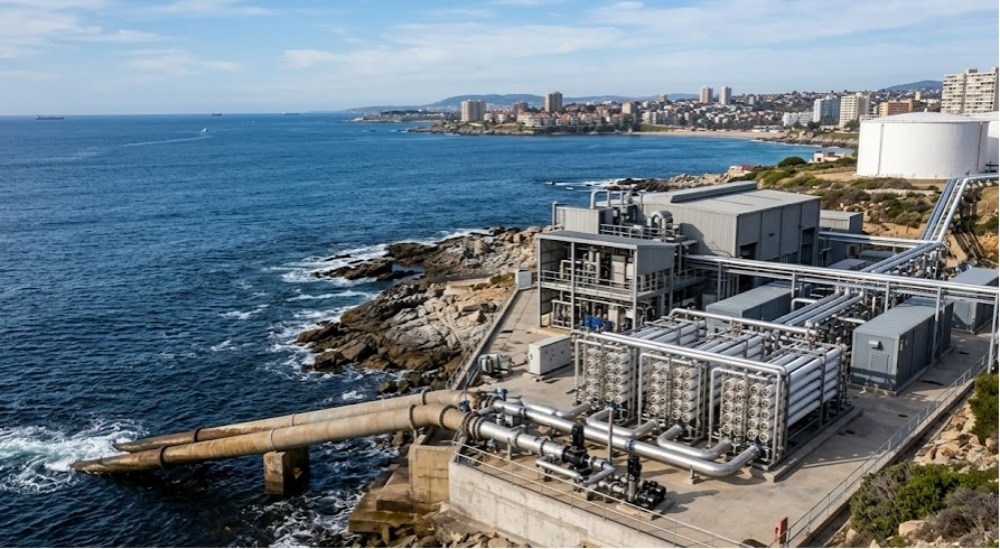
Seawater desalination has become a reality and is successfully operational in many coastal locations around the world. Two large full-scale installations with a production capacity of 2,000 TPD and 10,000 TPD of potable water have been set up to supply water to the seaside cities in the province of Guangdong. These installations are tackling the periodic fresh water shortages by means of a Simplified Pretreatment method, which enables a quick installation and start-up of the desalination plant.
Insights gained from these installations:
- Modular designs enable straightforward expansion: A 2,000 TPD facility can grow to 10,000 TPD simply by incorporating extra modules.
- Containerized systems lessen demands for major construction efforts, suiting them well for isolated or safeguarded coastal sites.
- Built-in monitoring devices permit ongoing supervision, guaranteeing steady water output and quality checks.
Conclusion: Engineering a Sustainable Water Future
Changing seawater into a trustworthy fresh water resource represents not a far-off goal but an immediate achievement. Coastal communities can escape limits on nearby fresh water by emphasizing top-performing RO membranes, sturdy UF pretreatment, and refining energy application (kWh/m³). Success depends on treating desalination systems as more than mere machinery, but as key instruments for lasting water oversight.
FAQ
Q: What is the primary energy cost (kWh) for HOSON desalination systems?
A: Energy use in generating potable water gets assessed via kWh/m³. Take the FSHB-320 system, for instance; it requires about 3.5–6 kWh for each cubic meter of fresh water created, aligning with standard practices in the industry.
Q: How does HOSON define the system recovery rate for saltwater to potable water?
A: The system recovery rate indicates the proportion of fresh water obtained relative to the entire volume of incoming raw seawater. In high-efficiency SWRO systems from HOSON, this rate generally reaches approximately 35%, which supports effective resource use in turning seawater into drinking water.
Q: Can HOSON technology produce potable tap water from high-TDS sources?
A: Indeed, HOSON systems handle input water featuring Total Dissolved Solids (TDS) levels as high as 40,000 ppm. Through multi-stage filtration combined with cutting-edge membrane methods, these systems deliver potable tap water that complies with international safety guidelines, ensuring reliability in salt water to potable water conversion.
Q: What is the benefit of using HOSON modular units for making seawater potable in remote areas?
A: HOSON modular units deliver a dependable and adaptable solution for water provision, facilitating swift deployment in distant or industrial settings. This approach minimizes infrastructure requirements, making it practical for regions where traditional desalination equipment might prove challenging to install, thus enhancing access to potable water in varied environments.
Q: Is ultrafiltration necessary for HOSON systems when converting saltwater to potable water?
A: Although RO membranes handle the core task of salt elimination, Ultrafiltration (UF) assumes a vital function in the initial treatment phase. It eliminates floating particles and biological agents, which in turn shields the RO membranes from buildup and degradation. As a result, this integration extends the durability of the system and maintains consistent performance in the process of making seawater potable.