

La creciente escasez mundial de agua sitúa a las comunidades costeras y las zonas industriales en un lugar difícil. La proximidad al océano ofrece abundantes fuentes de agua, pero la conversión del agua salada del mar en recursos prácticos continúa representando un gran obstáculo en el desarrollo. Negocios de desalinizaciónLos métodos sofisticados de desalinización, como la ósmosis inversa, desempeñan un papel vital para hacer frente a este problema, proporcionando una solución fiable para las poblaciones costeras que se enfrentan a un suministro limitado de agua dulce.
Ingeniería de la transición del agua salada al agua potable
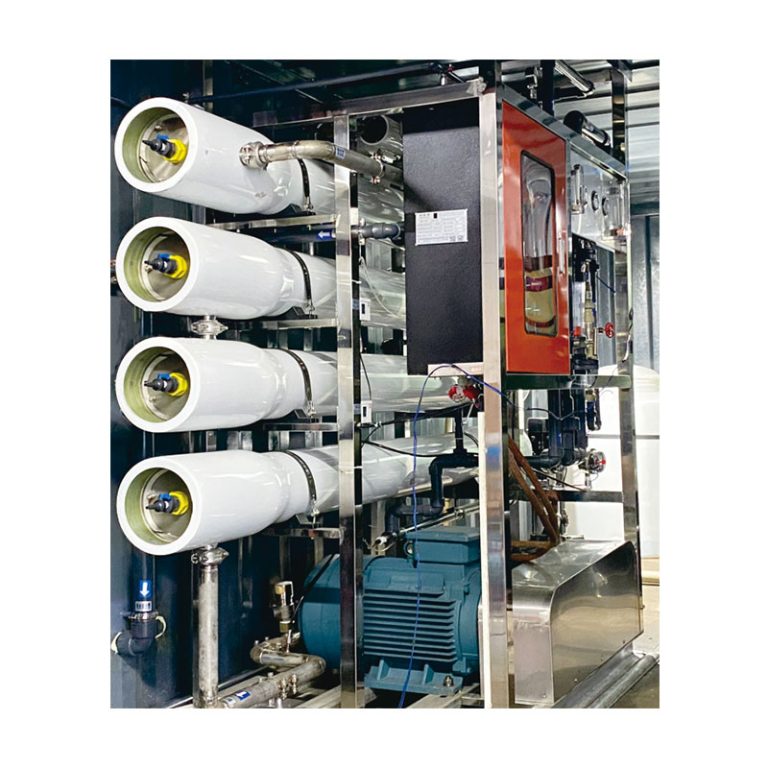
La principal dificultad en la eliminación de la sal se centra en la división de sales, incluyendo cloruro de sodio, junto con varias sustancias disueltas, del agua. Dentro de las configuraciones contemporáneas de ósmosis inversa del agua de mar (SWRO), este cambio ocurre a través de membranas semipermeables. Tales membranas funcionan para permitir que fluya agua pura, incluso cuando bloquean la sal e impurezas adicionales.
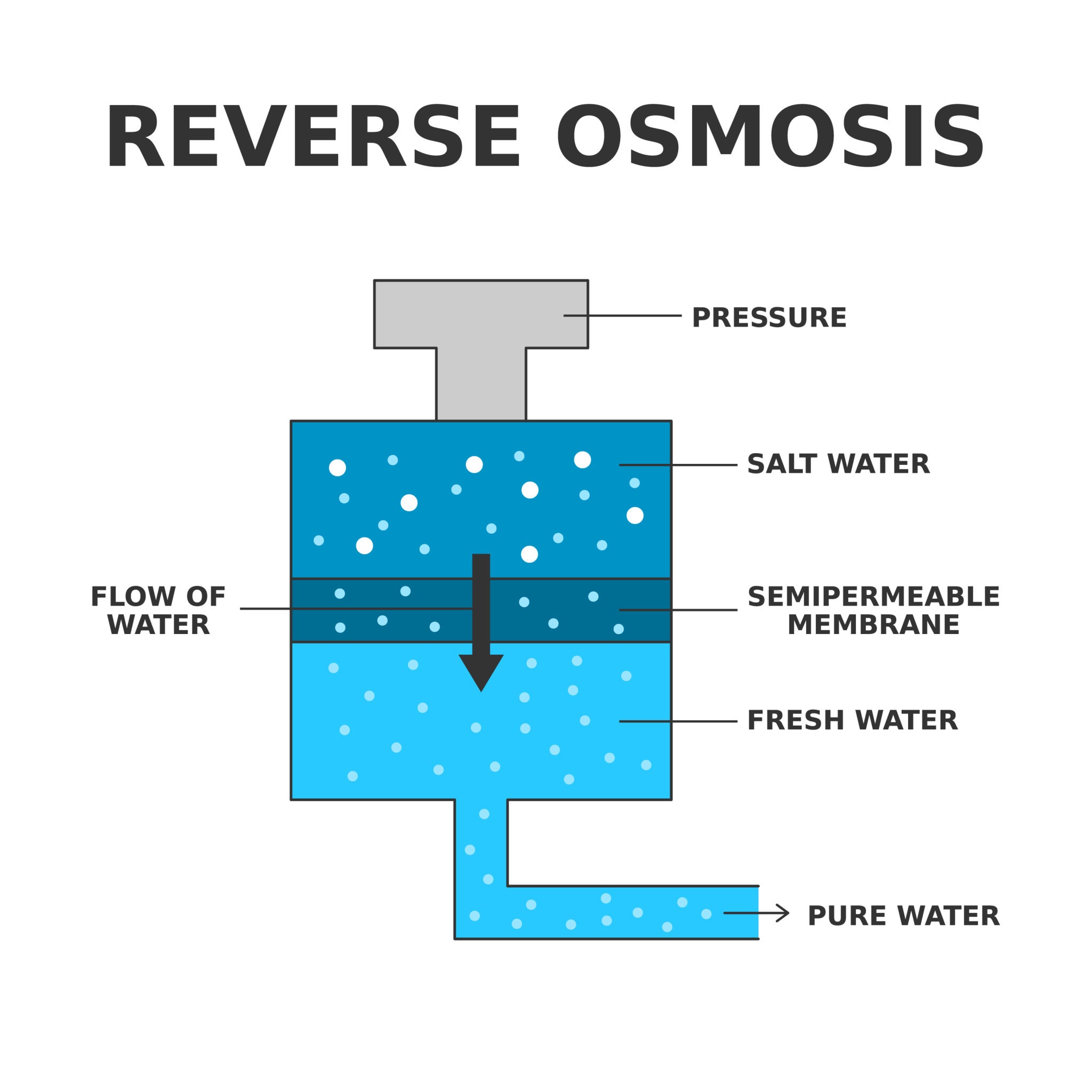
Los principales beneficios de hoy’ Tecnología de membrana RO:
- Separación eficiente de ionesLas membranas evitan con éxito las sales disueltas y los elementos cargados, asegurando la pureza del agua del producto.
- Eliminación de contaminantes finosLas membranas RO logran eliminar pequeños plásticos, boro y trazas de metales que los filtros convencionales pasan por alto.
Funcionamiento estable en circunstancias cambiantes: las fluctuaciones de temperatura de entrada no impiden la función de las membranas, y se garantiza un funcionamiento robusto en condiciones calientes y áridas.
Especificaciones técnicas de sistemas de membrana de alto rechazo
Para entender cómo funcionan las principales plantas de desalinización, considere los detalles de dos modelos comunes aplicados en el procesamiento de agua costera: el FSHB-320 (modelo industrial) y el FSHB-0.5 (modelo portátil).
| Capacidad diaria | 320 toneladas por día (TPD) | 0,5 toneladas por día (TPD) |
| Tasa de rechazo de sal | 99.2% | 99.0% |
| TDS de alimentación máxima | 40.000 ppm | 40.000 ppm |
| Presión de funcionamiento | 5.0 – 6.5 MPa | 4.0 – 5.5 MPa |
| Tasa de recuperación del sistema | 35% (permeabilidad/ingesta) | 15% – 20% |
| Consumo de energía | 3,5–6 kWh/m³ (estándar de la industria) | 3,5–6 kWh/m³ (estándar de la industria) |
| Huella | 12m x 2.3m x 2.9m | 680 mm x 250 mm x 350 mm |
Estandarizar el camino al agua potable del grifo a través del pretratamiento
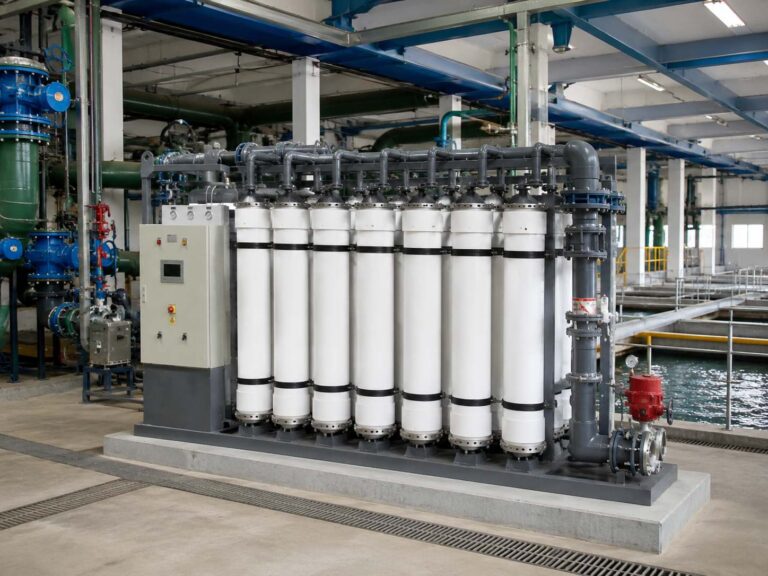
Efectivo equipos de desalinización frecuentemente se encuentra con obstáculos, particularmente los relacionados con el agua cruda de alimentación. Antes de iniciar el procedimiento de RO, el agua necesita un pretratamiento completo para confirmar que cumple con los criterios de agua potable del grifo. La ultrafiltración (UF) desempeña este papel a menudo, ya que elimina partículas considerables, sustancias orgánicas y microbios, protegiendo así las membranas de RO de la contaminación y el daño químico de los productos químicos.
El emparejamiento de UF con RO agrega una salvaguardia adicional:
- La ultrafiltración reduce el Índice de Densidad del Limo (SDI)Se asegura que el agua que se dirige a la etapa RO es clara, lo que ayuda a evitar obstrucciones.
- Los ciclos de enjuague automático reducen las necesidades químicasEsto permite mantener la configuración UF en funcionamiento con agentes de limpieza limitados.
- Las membranas RO se concentran en la división iónica: Esto aumenta la planta’ rendimiento total y asegura la calidad de salida superior.
Optimización del OPEX a través de kWh y métricas de recuperación del sistema
Dentro del campo de la desalinización, los gastos de funcionamiento se conectan directamente con el uso de energía y los porcentajes de recuperación del sistema. La medición de kWh/m³ registra la energía necesaria para generar un metro cúbico de agua dulce, y refinar esta cifra resulta crucial para reducir los gastos totales.
Consejos para mejorar el rendimiento energético:
- Las bombas fiables mantienen una presión constante utilizando la menor energía posible.
- La gestión adecuada de fluidos mantiene la tasa de recuperación del sistema cerca del 35%, lo que alivia la tensión en partes separadas.
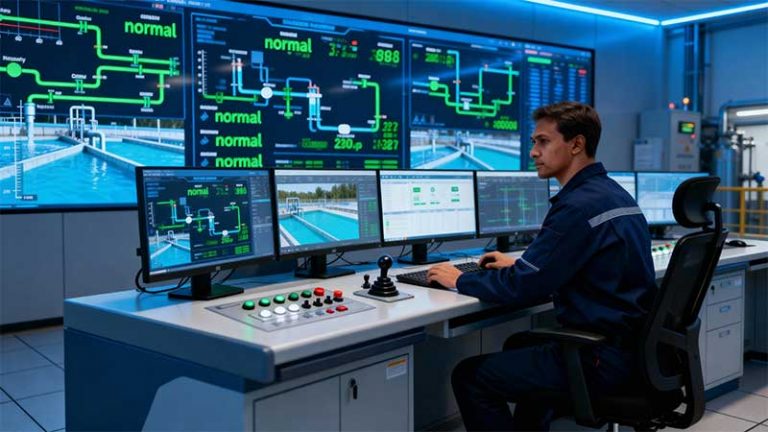
- El seguimiento en tiempo real verifica que el uso de energía cumple con las normas de agua potable.
Éxito del despliegue en entornos costeros desafiantes
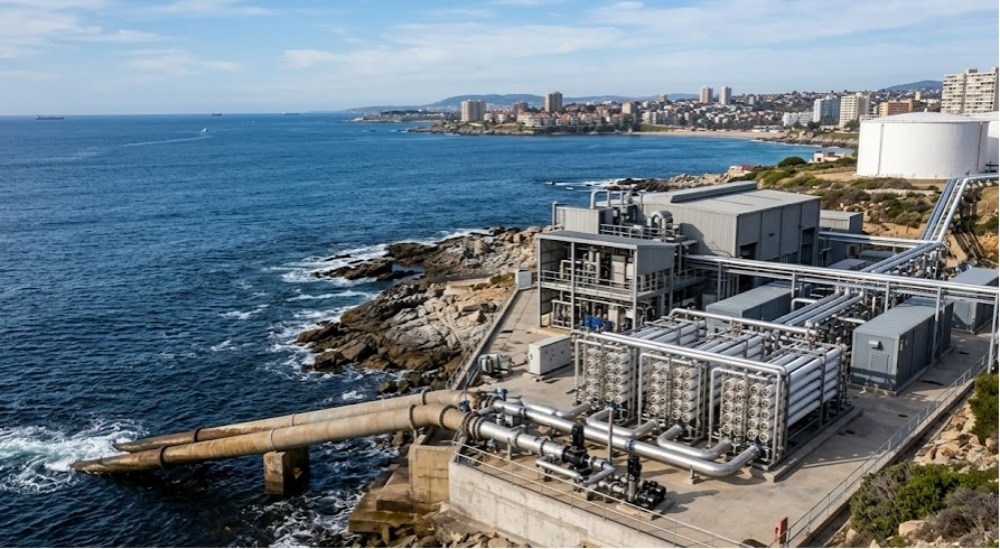
La desalinización del agua de mar se ha convertido en una realidad y está operativa con éxito en muchas ubicaciones costeras de todo el mundo. Se han establecido dos instalaciones a gran escala con una capacidad de producción de 2.000 TPD y 10.000 TPD de agua potable para suministrar agua a las ciudades costeras de la provincia de Guangdong. Estas instalaciones están abordando la escasez periódica de agua dulce mediante una Pretratamiento simplificado método, que permite una rápida instalación y puesta en marcha de la planta de desalinización.
Insights obtenidos de estas instalaciones:
- Los diseños modulares permiten una expansión sencillaUna instalación de 2.000 TPD puede crecer a 10.000 TPD simplemente incorporando módulos adicionales.
- Los sistemas en contenedores reducen las demandas de grandes esfuerzos de construcción, lo que los conviene bien para sitios costeros aislados o protegidos.
- Los dispositivos de monitoreo incorporados permiten una supervisión continua, garantizando una producción constante de agua y controles de calidad.
Conclusión: Ingeniería para un futuro sostenible del agua
Convertir el agua de mar en un recurso de agua dulce de confianza no representa un objetivo lejano sino un logro inmediato. Las comunidades costeras pueden escapar de los límites en el agua dulce cercana haciendo hincapié en las membranas RO de alto rendimiento, el pretratamiento UF robusto y la aplicación de energía refinadora (kWh / m³). El éxito depende de tratar los sistemas de desalinización como algo más que simplemente maquinaria, sino como instrumentos clave para la supervisión duradera del agua.
Preguntas frecuentes
P: ¿Cuál es el costo de energía primaria (kWh) para los sistemas de desalinización HOSON?
R: El uso de energía en la generación de agua potable se evalúa mediante kWh/m³. Tomemos el sistema FSHB-320, por ejemplo; Requiere aproximadamente 3,5-6 kWh por cada metro cúbico de agua dulce creado, alineándose con las prácticas estándar en la industria.
P: ¿Cómo define HOSON la tasa de recuperación del sistema de agua salada a agua potable?
R: La tasa de recuperación del sistema indica la proporción de agua dulce obtenida en relación con todo el volumen de agua de mar cruda entrante. En los sistemas SWRO de alta eficiencia de HOSON, esta tasa generalmente alcanza aproximadamente el 35%, lo que apoya el uso efectivo de los recursos para convertir el agua de mar en agua potable.
P: ¿Puede la tecnología HOSON producir agua potable del grifo de fuentes de alto TDS?
R: De hecho, los sistemas HOSON manejan agua de entrada con niveles de sólidos disueltos totales (TDS) de hasta 40.000 ppm. A través de la filtración multietapa combinada con métodos de membrana de vanguardia, estos sistemas suministran agua potable del grifo que cumple con las directrices internacionales de seguridad, garantizando la fiabilidad en la conversión de agua salada en agua potable.
P: ¿Cuál es el beneficio de usar unidades modulares HOSON para hacer potable el agua de mar en áreas remotas?
R: Las unidades modulares HOSON ofrecen una solución fiable y adaptable para el suministro de agua, facilitando el despliegue rápido en entornos lejanos o industriales. Este enfoque minimiza los requisitos de infraestructura, lo que lo hace práctico para regiones donde el equipo de desalinización tradicional podría resultar difícil de instalar, mejorando así el acceso al agua potable en diversos entornos.
P: ¿Es necesaria la ultrafiltración para los sistemas HOSON cuando se convierte agua salada en agua potable?
R: Aunque las membranas RO manejan la tarea central de eliminación de sal, la ultrafiltración (UF) asume una función vital en la fase inicial del tratamiento. Elimina partículas flotantes y agentes biológicos, lo que a su vez protege las membranas RO de la acumulación y degradación. Como resultado, esta integración amplía la durabilidad del sistema y mantiene un rendimiento consistente en el proceso de hacer potable el agua de mar.